
Learning how to change wiper blades is one of the easiest car maintenance tasks you can tackle yourself—seriously, it takes about five minutes and zero special tools. I’ve walked countless people through this in my workshop, and I can tell you with confidence that if you can lift your wiper arm, you can handle this job. Clear visibility keeps you safe on the road, and worn-out blades are a hazard that’s ridiculously simple to fix.
Table of Contents
Why Replace Your Blades
Wiper blades wear out faster than most people realize. They’re exposed to UV rays, extreme temperatures, and constant friction against your windshield. Most manufacturers recommend replacing them every six to twelve months, though this varies based on your climate and driving habits. If you’re noticing streaks, chattering sounds, or skipped spots when it rains, your blades are telling you they’re done.
Worn blades don’t just annoy you—they’re a genuine safety issue. During a downpour, you need crystal-clear visibility, and deteriorated rubber won’t cut it. This is one of those maintenance items that costs almost nothing but pays huge dividends in peace of mind.
Identify Your Blade Size
Before you buy new blades, you need to know what size your vehicle uses. The driver’s side and passenger’s side are often different lengths—don’t assume they’re the same. The easiest way to find your size is to check your owner’s manual, but you’ve got other options too.
Pop into your local auto parts store and ask them to look it up using your vehicle’s year, make, and model. Many stores will even install the blades for free if you buy them there. You can also find the size printed on your current blades—look at the rubber blade itself or the metal backing. Common sizes range from 16 to 28 inches, with most modern vehicles using blades in the 22-26 inch range.
Gather Your Materials
Here’s the beautiful part: you don’t need much. Grab your new wiper blades—make sure you have the correct size for both sides. That’s honestly it. You might want to have some paper towels nearby in case your windshield is dirty, and if you want to be thorough, grab some windshield cleaner to freshen up the glass while you’re at it.
Unlike many car maintenance tasks, how to remove car battery terminals or other electrical work, changing wiper blades requires zero electrical knowledge or mechanical expertise. This is pure mechanical simplicity.
Locate Your Wiper Arms
Open your hood and look at the base of your windshield. You’ll see two metal arms with rubber blades attached—these are your wiper arms. They’re hinged at the base and designed to lift away from the windshield. The driver’s side is almost always longer than the passenger’s side, though some vehicles have equal-length arms.
Take a moment to understand how your arms move. Some vehicles have arms that rest flat against the windshield, while others have them angled upward. This doesn’t affect the replacement process, but it helps you understand what you’re working with.
Lift and Remove Old Blades
Start with the driver’s side. Gently pull the wiper arm away from the windshield. You’re not yanking it—just a steady, controlled pull. The arm will lift away because it’s designed to do so. Once it’s lifted, you’ll see where the blade connects to the arm.
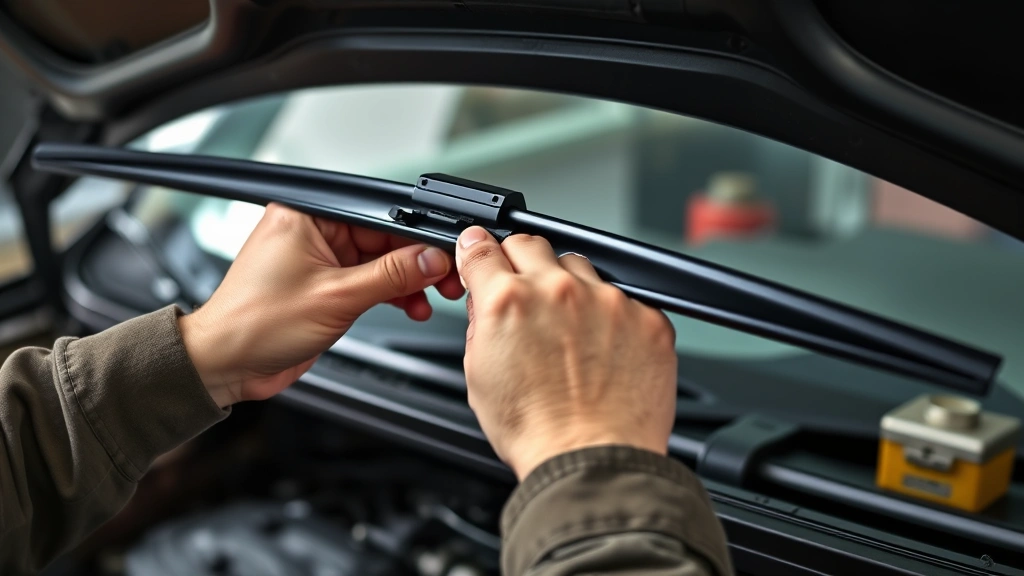
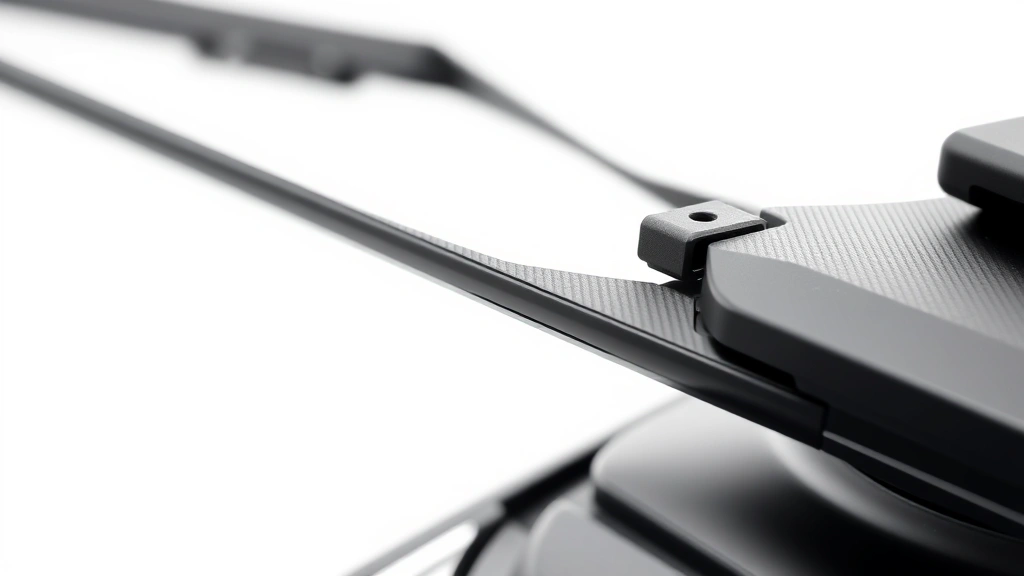
Most blades attach with a simple clip or latch mechanism. Look for a small tab or button on the blade where it connects to the arm. Press or slide this tab, and the blade will slide out. Some systems use a pin that you need to pull out, and others have a simple hook-and-slot design. Spend thirty seconds figuring out your specific system—it’ll be obvious once you look at it.
Once the old blade is off, set it aside. Don’t let the wiper arm snap back against the windshield—guide it gently back down or hold it away from the glass while you install the new blade.
Install Your New Blades
Take your new blade and align it with the arm. You’ll see the connection point matches the system you just removed the old blade from. Slide the new blade into place—it should click or lock with a satisfying snap. Give it a gentle tug to make sure it’s seated properly. If it pulls out easily, it’s not installed correctly.
Now slowly lower the wiper arm back toward the windshield. Guide it gently so it doesn’t snap down hard. Repeat this entire process on the passenger’s side. The second blade usually goes faster because you know exactly what you’re doing now.
If you’re working on an older vehicle or one with a particularly stubborn system, take your time. There’s no rush here, and forcing anything is the quickest way to break something. Most modern vehicles use universal blade systems that are intuitive and quick.
Test Your New Setup
Before you close the hood and declare victory, test your new blades. Turn on your wipers and let them cycle through a few times. Watch how they move across the windshield. They should maintain contact with the glass throughout their entire path—no skipping, no chattering, no streaks.
If you notice any issues, turn off the wipers immediately and check your installation. Make sure the blades are seated fully in their connections. Sometimes a blade just needs to be reseated to work perfectly.
Spray your windshield washer fluid and run the wipers again. This gives your new blades a real-world test with moisture. If everything looks good, you’re done. Seriously—that’s it.
Common Mistakes to Avoid
The most common mistake I see is people letting the wiper arm snap back against the windshield without a blade attached. This can damage the arm or the windshield. Always guide it gently back into place.
Another frequent error is buying the wrong size blade. Double-check before you leave the store. Buying blades that are too long or too short means another trip back.
Some folks get frustrated trying to figure out the connection mechanism and force it. Spend thirty seconds understanding your specific system instead of muscling it. Every design is logical once you see it.
Don’t ignore the condition of your wiper arms while you’re in there. If the arm itself is bent or damaged, no blade will work properly. If you notice arm issues, that’s a separate repair, but at least you’ll know.
Maintenance Tips
Keep your windshield clean to extend blade life. Dirt and debris accelerate wear, so wash your windshield regularly. Use quality windshield washer fluid—cheap stuff can leave residue that gums up your blades.
In winter, be gentle with your wipers if they’re frozen to the windshield. Let the defroster warm things up before you run them. Forcing frozen blades can damage them and the motor.
Check your blades every few months by running them across the windshield. If you notice streaking or skipping, don’t wait until the next scheduled replacement. Bad visibility is a safety issue worth addressing immediately.
If you’re storing your vehicle for an extended period, lift your wiper arms away from the windshield. This prevents the rubber from taking a permanent set against the glass, which degrades performance.
Frequently Asked Questions
How often should I replace my wiper blades?
Most manufacturers recommend replacing wiper blades every six to twelve months. However, if you live in a harsh climate with lots of sun, salt, or extreme temperatures, you might need to replace them more frequently. Check them every few months and replace them when you notice performance issues.
Can I replace just one blade?
Technically yes, but I don’t recommend it. Blades wear at similar rates if you drive the same vehicle. Replacing just one means the other will need replacement soon anyway. It’s more cost-effective and convenient to replace both at the same time.
What if my wiper arm won’t lift?
Some vehicles have arms that don’t lift away from the windshield—they’re designed to work differently. Check your owner’s manual for your specific vehicle’s system. Most modern cars have liftable arms, but some older models or certain brands use different designs.
Do I need to turn off my wipers before changing blades?
Yes, absolutely. Turn off your wipers and make sure they’re in the parked position before you start. Most vehicles have a safety feature that prevents the wipers from moving while you’re working, but don’t rely on that. Manual control is always safer.
Are premium blades worth the extra cost?
Premium blades often last longer and perform better in harsh conditions. If you live somewhere with extreme weather or you drive frequently, they’re worth considering. For average use in moderate climates, standard blades work fine.
What’s the difference between beam and traditional blades?
Beam blades have a single curved structure that distributes pressure evenly across the windshield. Traditional blades have a frame with multiple pressure points. Beam blades generally perform better and last longer, but they cost more. Most modern vehicles come with beam blades.


