
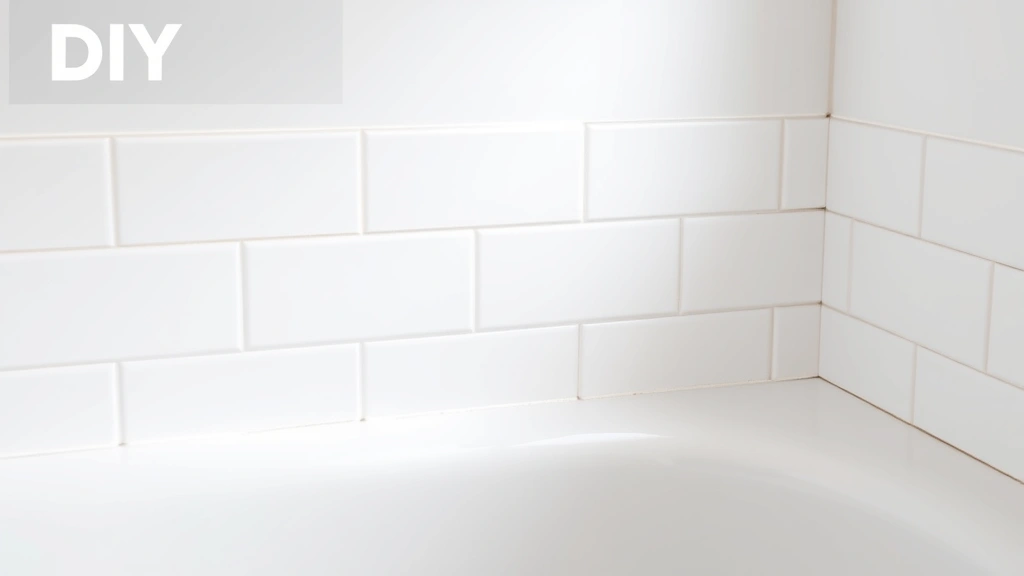
Learning how to caulk a shower is one of those skills that separates bathroom disasters from spa-like sanctuaries. A properly caulked shower prevents water damage, mold growth, and costly repairs down the road. Whether you’re refreshing an old bathroom or sealing a new installation, this guide walks you through everything you need to know to get professional results without hiring a contractor.
Table of Contents
Why Caulk Matters
Your shower is ground zero for moisture. Water splashes everywhere during a typical shower, and it’s relentless. Without proper caulking, that water seeps into gaps, cracks, and seams where it has no business being. Once water gets behind your tile, it attacks the substrate, rots wood framing, and creates the perfect breeding ground for mold and mildew. A single year of neglect can cost you thousands in remediation. Caulking is cheap insurance—we’re talking $10-30 in materials versus potential five-figure repairs.
The best part? You don’t need years of experience to do this right. With the right approach and patience, your caulk lines will look clean and professional. This isn’t rocket science; it’s just attention to detail and using the right technique.
Gather Your Materials
Before you crack open the caulk gun, assemble everything you’ll need. Having materials ready prevents mid-project frustration and ensures you maintain momentum. Here’s what goes in your toolkit:
- Caulk: Silicone or acrylic latex (silicone is superior for bathrooms)
- Caulk gun: Manual or electric (manual works fine for most projects)
- Caulk removal tool: Plastic scraper or old putty knife
- Painter’s tape: Blue painter’s tape creates clean edges
- Utility knife: For cutting tape and removing stubborn caulk
- Wet rag or sponge: For smoothing and cleanup
- Rubbing alcohol: For cleaning surfaces before application
- Gloves: Keep your hands clean and protected
- Caulk smoother tool: Optional but makes finishing easier (or use your finger)
The caulk choice matters more than most people realize. Silicone caulk outperforms acrylic in bathrooms because it resists moisture better and stays flexible longer. Yes, it costs a bit more, but it lasts 10+ years versus 5 for acrylic. Your future self will thank you for spending the extra few dollars now.
Remove Old Caulk First
If you’re recaulking an existing shower, the old caulk has to go. This is tedious work, but skipping it means your new caulk won’t bond properly and will fail prematurely. Old caulk is your enemy here.
Start by scoring the old caulk line with a utility knife. Cut along both sides of the bead, pressing firmly but not so hard you gouge the tile or substrate. Once scored, use a plastic caulk removal tool or old putty knife to pry it up. Work slowly and methodically. For stubborn sections, apply a commercial caulk remover (follow package directions) and let it sit for the recommended time. This softens the old caulk and makes removal infinitely easier.
After removing the bulk of the caulk, you’ll have residue stuck in the seam. Use rubbing alcohol on a rag to dissolve and wipe away this residue. A small brass brush works great for scrubbing out stubborn bits without damaging the surface. The goal is a clean seam with no old caulk, adhesive, or debris remaining. Take your time here—it’s the foundation for success.
Prep the Surface Properly
Surface preparation separates amateurs from pros. Your caulk only sticks as well as the surface allows. Start by cleaning the entire area where you’ll be applying caulk. Use a bathroom cleaner or mild soap and water, then dry thoroughly with a clean rag. Any residual moisture, soap scum, or dust prevents proper adhesion.
Next, inspect the seams and gaps. Caulk works best in gaps up to about 1/2 inch wide. Anything wider needs a backer rod—a foam rope that fills the gap and provides a backing surface for the caulk. Insert the backer rod into oversized gaps, pressing it down so it sits just below the surface level. This prevents caulk from sagging into large voids and ensures a professional appearance.
Now comes the tape. Apply painter’s tape on both sides of the seam where you’ll caulk. Position the tape edge about 1/8 inch from the seam. This creates a clean boundary and catches any caulk that strays. The tape is your safety net—it makes cleanup easy and results look sharp. Even experienced DIYers use tape for shower caulking because the payoff in appearance is worth the extra five minutes of setup.
Apply Caulk Correctly
Load your caulk gun by inserting the tube and pushing the plunger until it contacts the caulk. Cut the tube tip at a 45-degree angle, making a cut slightly smaller than your desired bead width. Start with a small opening—you can always cut more if needed, but you can’t put caulk back in the tube.
Position the gun at a 45-degree angle to the seam. This angle allows the caulk to fill the gap completely while the gun moves smoothly along the line. Apply steady, consistent pressure on the trigger as you move along the seam. Your speed should match your pressure—move at a pace that lets caulk flow continuously into the gap without piling up.
Work in manageable sections, typically 2-3 feet at a time. This prevents the caulk from skinning over before you smooth it. For horizontal seams (like where the tub meets the wall), work from left to right or right to left in one continuous motion. For vertical seams, work from top to bottom. Gravity helps you here, and working downward prevents caulk from sagging into lower sections.
Pro tip: Keep a wet rag nearby and wipe the gun tip frequently. Dried caulk on the tip interferes with smooth application and creates lumpy lines. A clean tip means clean lines.

Smooth and Finish
The bead you just applied looks rough and unfinished. Now comes the smoothing step that transforms it into something that looks professional. Wait about 5-10 minutes for the caulk to set slightly—it should feel tacky but not fully cured. Timing matters here; too soon and you push it around chaotically, too late and it won’t smooth properly.
Wet your finger, a caulk smoother tool, or a damp sponge. Run it along the caulk bead with light to medium pressure, using one smooth motion. This pushes the caulk into the gap, removes excess material, and creates a clean, concave profile. The caulk should sink slightly below the surface, creating a nice transition between surfaces.
For corners and detailed areas, use your finger or a small tool to ensure caulk fills completely. Work methodically along the entire line. If you mess up a section, wipe it clean immediately and redo it. The window for correction is about 15-20 minutes before the caulk becomes too stiff to work with.
Once you’re happy with the appearance, carefully remove the painter’s tape. Pull it away at a shallow angle, peeling back slowly rather than yanking. Premature tape removal can pull caulk away from the edge, so be patient. If caulk has hardened to the tape, use a utility knife to score along the tape edge before removing it.
Common Mistakes to Avoid
Learning what not to do accelerates your success. Here are the mistakes that derail most DIYers:
Using old or cheap caulk: Expired caulk doesn’t cure properly and fails prematurely. Check the date on the tube. Cheap caulk shrinks as it cures, creating gaps that water exploits. Spend the extra money on quality silicone caulk.
Skipping surface prep: Dirty surfaces, old caulk residue, and moisture prevent adhesion. Don’t rush this step. Take time to clean and dry everything thoroughly. Consider this work similar to how to get paint out of carpet—preparation determines the outcome.
Applying too much caulk: More caulk doesn’t mean better sealing. Excess caulk looks messy, takes longer to cure, and often shrinks unevenly. Apply just enough to fill the gap and create a smooth bead.
Caulking over gaps too wide: Caulk isn’t meant to bridge large voids. Use a backer rod for gaps wider than 1/2 inch. Otherwise, caulk sags and fails.
Not letting caulk cure fully: Silicone caulk needs 24-48 hours before exposure to moisture. Running the shower too early washes away uncured caulk. Read the tube and be patient.
Poor angle and speed: Holding the gun at the wrong angle or moving too fast creates lumpy, incomplete lines. Maintain a 45-degree angle and move at a steady pace that matches your pressure.
Maintenance Tips
Your caulk job isn’t done once it cures. Proper maintenance extends its lifespan significantly. Here’s what to do:
Monthly inspection: Look for cracks, separation, or discoloration. Catching problems early prevents water damage.
Clean regularly: Use a bathroom cleaner and soft brush to keep caulk clean. Avoid abrasive scrubbers that damage the silicone.
Control humidity: Run your exhaust fan during and for 20 minutes after showers. Excess moisture accelerates caulk deterioration and promotes mold growth.
Prevent mold: If you notice mold forming on caulk, clean it with a bathroom mold spray. If mold returns repeatedly or penetrates the caulk, the caulk likely needs replacement.
Recaulk as needed: Even quality silicone caulk eventually fails. Most caulk lasts 5-10 years depending on moisture exposure and maintenance. When you notice separation, cracking, or significant shrinking, it’s time to recaulk.
Frequently Asked Questions
How long does caulk take to cure?
Silicone caulk typically cures in 24-48 hours, though it may feel dry to the touch after 1-2 hours. Check your specific product’s instructions, as cure times vary. Don’t expose the caulk to water until it’s fully cured, or you risk failure.
Can I caulk over old caulk?
No, you should always remove old caulk before applying new. New caulk won’t adhere properly to old caulk, and the bond will fail. The removal step is non-negotiable for a lasting seal.
What’s the difference between silicone and acrylic caulk?
Silicone caulk resists moisture better, stays flexible longer, and lasts 10+ years in bathrooms. Acrylic latex caulk is cheaper but deteriorates faster in wet environments, typically lasting 5 years. For shower applications, silicone is worth the extra cost.
Should I use a caulk gun or caulking tube?
A caulk gun provides better control and consistency. Squeeze tubes work in a pinch but are harder to control and tire your hand quickly. Invest in a basic caulk gun—they’re inexpensive and make the job infinitely easier.
What if my caulk line looks bumpy?
Bumpy lines usually result from moving too fast, inconsistent pressure, or a dirty gun tip. Wipe the gun tip frequently and maintain steady, even pressure. If the caulk has already set, you’ll need to remove it and start over. Practice on inconspicuous areas first if you’re new to this.
How do I prevent caulk from shrinking?
Use quality silicone caulk and allow proper cure time before water exposure. Cheap caulk shrinks significantly as it cures. Also, don’t apply excessive amounts—more caulk doesn’t prevent shrinking; it just shrinks more noticeably.
Can I paint over caulk?
Some caulks accept paint, but many silicone caulks don’t. Check your caulk tube to see if it’s paintable. If you want a painted finish, use acrylic latex caulk instead, though it won’t last as long in wet bathrooms.
Final Thoughts
Mastering how to caulk a shower is genuinely achievable for anyone willing to slow down and follow proper technique. The key is preparation—remove old caulk thoroughly, clean and dry the surface, use painter’s tape, and apply quality silicone caulk with steady pressure. Smooth it while tacky, remove the tape carefully, and let it cure fully before using the shower.
Your first attempt might not be perfect, and that’s okay. Each project teaches you something. Even if your lines aren’t flawless, a properly sealed shower prevents water damage and mold—that’s what matters most. For more detailed guidance on home maintenance projects, check out resources from Family Handyman, This Old House, and Bob Vila.
Take your time, use quality materials, and don’t rush the process. Your bathroom will thank you with years of trouble-free showers and a watertight seal that protects your home’s structural integrity.


