
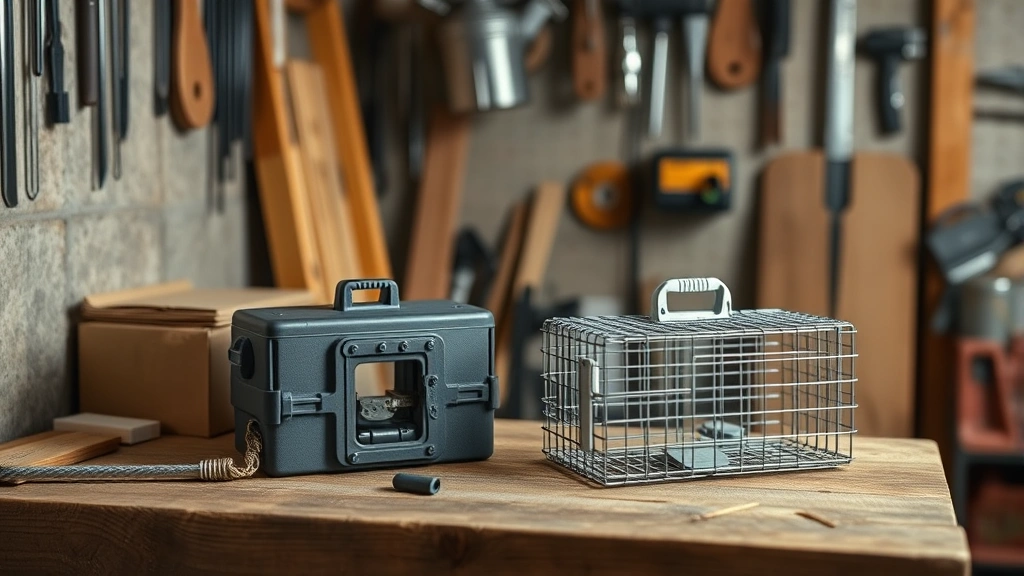
Learning how to catch a rat is one of those skills you never think you’ll need—until you do. Whether you’ve spotted droppings in your pantry, heard scratching in the walls, or actually seen the little intruder scurrying across your kitchen floor, you’re probably looking for fast, effective solutions. The good news? You don’t need an exterminator or fancy equipment. With the right approach, patience, and a bit of know-how, you can handle this yourself.
Table of Contents
Identify Your Rat Problem
Before you start setting traps everywhere, confirm you’re actually dealing with rats and not mice. Rats are larger—typically 7-10 inches long, not counting the tail. You’ll find their droppings (about ½ inch long, dark, and capsule-shaped) near food sources, in corners, or along walls. Listen for scratching sounds in walls or attics, especially at night when rats are most active. If you see gnaw marks on wood, plastic, or wiring, that’s another telltale sign. Once you’ve confirmed the problem, it’s time to take action.
Snap Traps: The Classic Approach
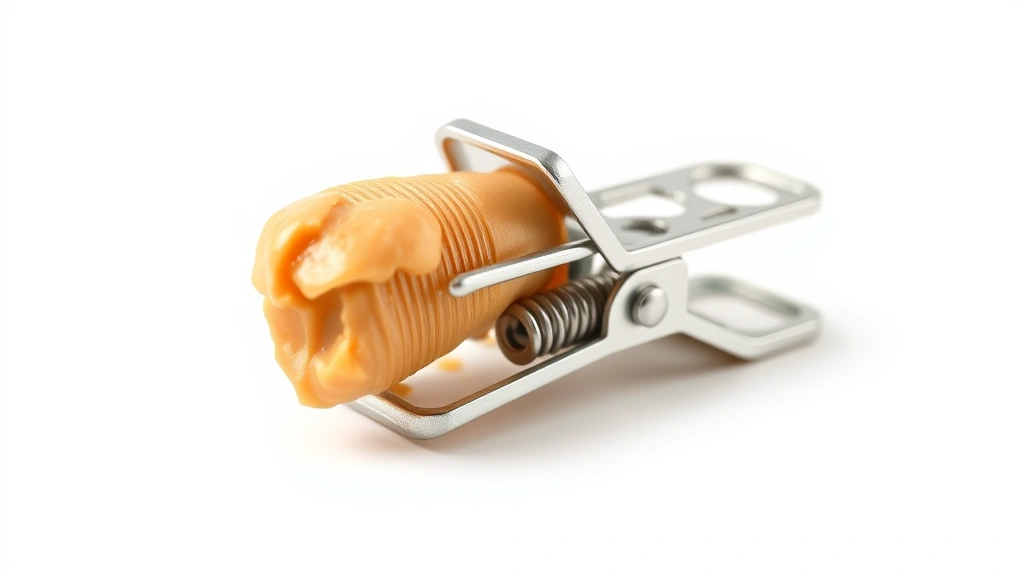
Snap traps are the gold standard for catching rats quickly and humanely. They’re cheap (under $2 each), reusable, and effective when set properly. The spring-loaded mechanism delivers an instant kill, which is far more humane than letting a rat suffer in a glue trap or slowly poison itself.
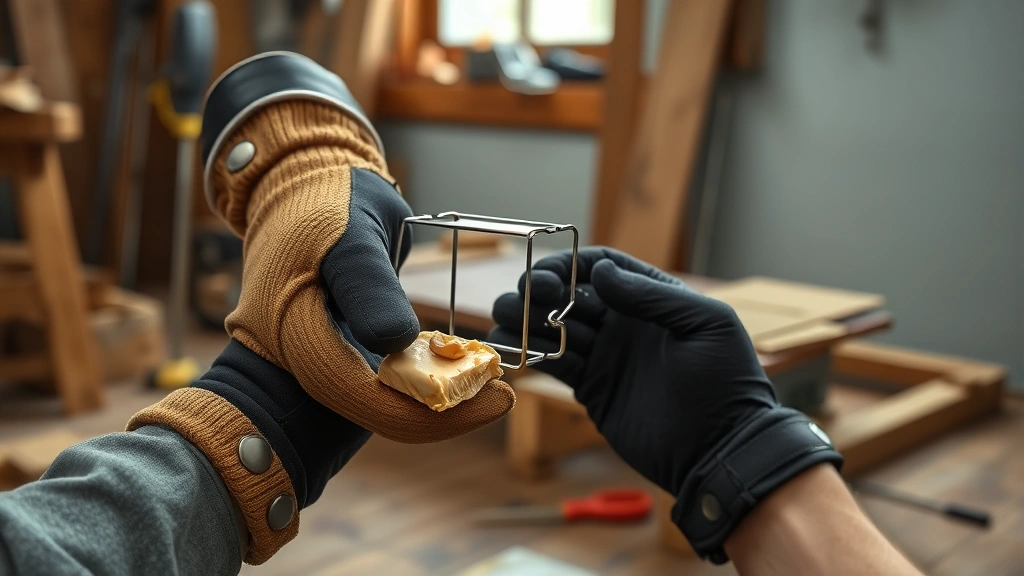
To set a snap trap correctly, place it perpendicular to the wall where you’ve seen rat activity. Rats naturally run along walls, so positioning the trigger plate facing the wall gives you the best chance of a successful catch. Bait the trigger with peanut butter, chocolate, or dried fruit. Apply the bait sparingly—just a small dab. You want the rat to have to work slightly to get the food, which ensures it triggers the mechanism.
Check your traps daily. A triggered trap with no catch means the rat was too light or quick; reset it with fresh bait. Dead rats should be disposed of carefully (see safety section below).
Live Traps for Humane Removal
If you prefer a catch-and-release approach, live traps (also called box traps or cage traps) are your answer. These metal or plastic boxes have a one-way door that closes once the rat enters. The rat is unharmed and you can relocate it far from your home.
The downside? Live traps require more patience. You’ll need to check them multiple times daily, and relocation laws vary by location—some areas require you to contact wildlife services. If you do release a rat yourself, take it at least 2-3 miles away and release it near shelter (brush, trees, or structures). Without this, the rat likely won’t survive.
Bait live traps the same way as snap traps, and place them along the same walls and pathways. Once captured, handle the trap carefully and wear gloves when releasing the rat.
Electronic Traps: Modern Solution
Electronic rat traps use a high-voltage shock to kill rats instantly and humanely. They’re more expensive ($20-40 each) but offer some advantages: they’re reusable, require no resetting, and some models alert you with lights or sounds when a rat is caught.
These traps work best in areas where you have consistent power access. Bait them the same way as snap traps, and position them along walls. The main benefit is that you don’t have to manually trigger or reset anything—the trap does the work. They’re particularly useful if you’re squeamish about handling traditional snap traps.
DIY Bucket Trap Method
If you’re in a pinch and want to save money, the bucket trap is a classic DIY method that actually works. You’ll need a 5-gallon bucket, a wooden spoon or dowel, peanut butter, and water.
Here’s how it works: Balance the wooden spoon across the top of the bucket so it acts like a seesaw. Coat one end with peanut butter. Fill the bucket partway with water. The rat climbs up, walks onto the spoon to get the bait, the spoon tips, and the rat falls into the water below. It’s not the most pleasant method, but it’s effective and costs almost nothing.
Place the bucket in an area where you’ve seen rat activity, and make sure it’s stable so it won’t tip over accidentally. Check it regularly—at least twice daily.
Why Glue Traps Aren’t Worth It
You’ll see glue traps at hardware stores, and they’re tempting because they’re cheap. Don’t use them. These traps are inhumane—rats struggle for hours or days, and they often lose limbs trying to escape. Some rats chew off their own legs. Beyond the ethical issues, glue traps are unreliable; rats sometimes escape, leaving you with a stressed, injured pest that’s now even more dangerous.
Stick with snap traps, live traps, or electronic options. They’re more humane, more effective, and honestly, not much more expensive.
Choosing the Right Bait
Rats aren’t picky eaters, but some baits work better than others. Peanut butter is the gold standard—it sticks to the trigger and rats love it. Chocolate, dried fruit, nuts, and seeds also work well. Some people swear by bacon or cheese, though these can spoil quickly in warm climates.
Apply bait sparingly. A small dab is all you need. If you use too much, the rat might grab some and escape without triggering the trap. Fresh bait is important too—replace it every few days if it hasn’t attracted anything. Stale bait loses its appeal.
Avoid using poison pellets as bait. Poisoned rats often die inside walls or inaccessible spaces, creating a serious odor problem that can last weeks or months.
Trap Placement Strategy
Placement is everything. Rats are creatures of habit—they follow the same paths repeatedly. Look for evidence of these highways: droppings, gnaw marks, grease marks on walls (from their fur), or areas where you’ve actually seen them.
Place traps perpendicular to walls in these high-traffic areas. Use multiple traps—at least 2-3 to start. Space them 3-5 feet apart along suspected rat routes. Check traps daily and move them if you’re not seeing activity after a few days.
In kitchens or pantries, place traps behind appliances and under sinks. In attics or basements, focus on corners and along the perimeter. Rats typically avoid open spaces, so they’ll stick to edges and walls.
Safe Handling and Disposal
Always wear disposable gloves when handling traps or dead rats. Rats can carry hantavirus and other pathogens, so safety is non-negotiable. Never touch a rat with bare hands.
For disposal, place the dead rat in a plastic bag, seal it, and put it in your regular trash. If your local regulations require something different, check with your waste management provider. Some areas have specific guidelines for pest disposal.
If you catch a live rat, wear gloves and eye protection when releasing it. Move the trap slowly and calmly to avoid stressing the animal. Open the trap door quickly and step back to give the rat room to escape.
Prevention for Future Rats
Once you’ve caught your rat, prevention is critical. Rats need food, water, and shelter. Remove these, and they’ll move on to someone else’s house.
Seal all entry points—rats can squeeze through holes as small as ½ inch. Check around pipes, vents, and foundation cracks. Use steel wool and caulk to seal gaps. Store food in airtight containers, never leave pet food out overnight, and clean up crumbs immediately. Keep trash cans sealed and take garbage out regularly. Remove clutter and potential nesting materials like cardboard boxes, old newspapers, and fabric scraps.
Trim tree branches that hang over your roof—rats use these as highways into your home. Keep your yard clear of debris and wood piles. If you have a compost bin, make sure it’s rat-proof and don’t compost meat or dairy products.
Frequently Asked Questions
How long does it take to catch a rat?
It depends on the method and how well you’ve placed your traps. Snap traps can catch a rat within hours if placed correctly, though it might take a few days. Live traps often require more patience. The DIY bucket trap can work overnight, but electronic traps vary. The key is patience and proper placement.
Can I use poison instead of traps?
Poison is an option, but it’s not ideal. Poisoned rats often die in hard-to-reach places like walls or attics, creating serious odor problems. Traps give you control over the outcome and let you dispose of the rat immediately. Plus, if you have pets or kids, poison poses a contamination risk.
What if I catch a rat but don’t want to kill it?
Use a live trap and relocate the rat at least 2-3 miles away. Check local regulations first—some areas require permits or have restrictions on relocation. Wear gloves and eye protection when releasing it, and give it plenty of space to escape safely.
How do I know if there’s more than one rat?
Multiple droppings, gnaw marks in different areas, and sightings at different times of day suggest multiple rats. If you catch one rat and continue seeing evidence of activity, there are likely more. Keep traps set and active.
Do ultrasonic rat repellents actually work?
Not really. While rats dislike certain ultrasonic frequencies, these devices aren’t reliable enough to solve an infestation. Traps are far more effective. Use repellents as a supplement to traps, not a replacement.
What’s the best bait for rats?
Peanut butter is the most reliable. Chocolate, nuts, dried fruit, and seeds also work well. Apply bait sparingly and replace it every few days if it’s not working.
Can I reuse traps?
Yes, snap traps and electronic traps are fully reusable. Clean them between uses and inspect for damage. Live traps are also reusable. Just make sure to wear gloves and sanitize everything.
How often should I check my traps?
Check them at least once daily, ideally twice—morning and evening. This ensures you dispose of any caught rats quickly and can reset traps promptly. More frequent checks mean faster results.


