
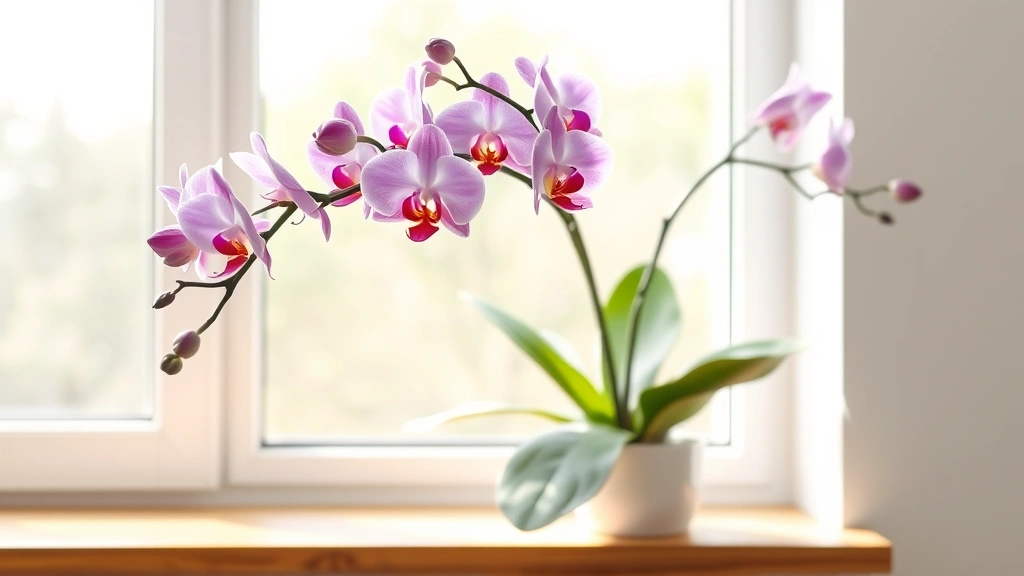
Learning how to care for orchids doesn’t require a green thumb or a degree in botany—just some solid fundamentals and a willingness to pay attention to what your plant is telling you. These elegant flowers have gotten a reputation for being finicky, but that’s mostly because people try to treat them like regular houseplants. Orchids march to their own drum, and once you understand their rhythm, you’ll have stunning blooms year after year. Think of it like tuning an instrument: get the basics right, and everything else falls into place.
Table of Contents
Lighting Requirements Matter Most
Here’s the thing about orchids and light: they’re not jungle floor plants hiding in shadows. Most orchids come from tropical regions where they grow on trees, catching dappled sunlight filtering through the canopy. That means bright, indirect light is your sweet spot—think of it as the difference between standing in full sun and standing under a leafy tree on a summer day.
Place your orchids near an east or south-facing window where they’ll get several hours of bright light without direct afternoon sun scorching the leaves. If you’re working with a north-facing window, you might need to supplement with a grow light. Watch your leaves for clues: dark green leaves mean your plant isn’t getting enough light, while yellowish or reddish leaves suggest too much direct sun. It’s like your orchid is sending you a text message—learn to read it.
Winter months present a challenge since daylight decreases. Consider moving plants closer to windows or using LED grow lights positioned 6-12 inches above the foliage. Many orchid enthusiasts swear by this approach, and the investment pays off in consistent blooming throughout the year.
Watering: Less Is More
This is where most orchid owners go wrong. You’re probably thinking “I’ll water it every few days to keep it moist,” and that’s exactly how you kill an orchid. These plants evolved in environments where water comes in heavy bursts (monsoon season) followed by drying periods. Overwatering causes root rot, which is basically a death sentence for your plant.
The golden rule: water thoroughly once a week, then let the medium dry out almost completely before watering again. Stick your finger about an inch into the potting medium—if it feels dry, water. If it still feels moist, wait another day or two. Most orchids prefer slightly dry conditions to soggy ones.
Use room-temperature water, and here’s a pro tip: if your tap water is heavily chlorinated or has high mineral content, let it sit overnight before using it, or collect rainwater. When you do water, water until it drains from the bottom of the pot, then empty the saucer. Never let your orchid sit in standing water—that’s a direct path to root problems.
Humidity and Air Circulation
Orchids love humidity, typically preferring 50-80 percent. If you live in a dry climate or run heating in winter, you’ll need to create a humid microclimate. This doesn’t mean misting the leaves (which can promote fungal issues)—instead, group your orchids together on a humidity tray filled with pebbles and water. The plants sit on the pebbles above the water line, and as the water evaporates, it creates a humid zone around them.
Alternatively, place your orchid pot on a saucer with pebbles and a bit of water, or run a humidifier in the room. Even placing your orchid in a bathroom where you shower regularly can work wonders, since the steam provides natural humidity.
But here’s the catch: humidity without air circulation breeds disease. You need gentle air movement to prevent fungal and bacterial infections. A small fan on low speed, positioned so it doesn’t blow directly on the plant, does the job. Think of it as creating tropical breezes rather than wind tunnels.
Choosing the Right Potting Medium
Regular potting soil will kill your orchid—it retains too much moisture and compacts over time. Orchids need a chunky, well-draining medium that mimics their natural growing conditions on tree bark. The standard mix includes bark chips (usually fir or pine), sphagnum moss, and sometimes perlite or charcoal.
You can buy pre-made orchid potting mixes, or mix your own using medium-grade bark as the base with a handful of sphagnum moss mixed in. The bark allows air to reach the roots while still providing some moisture retention. This is crucial—orchid roots need oxygen, and they’re prone to rotting in dense, wet soil.
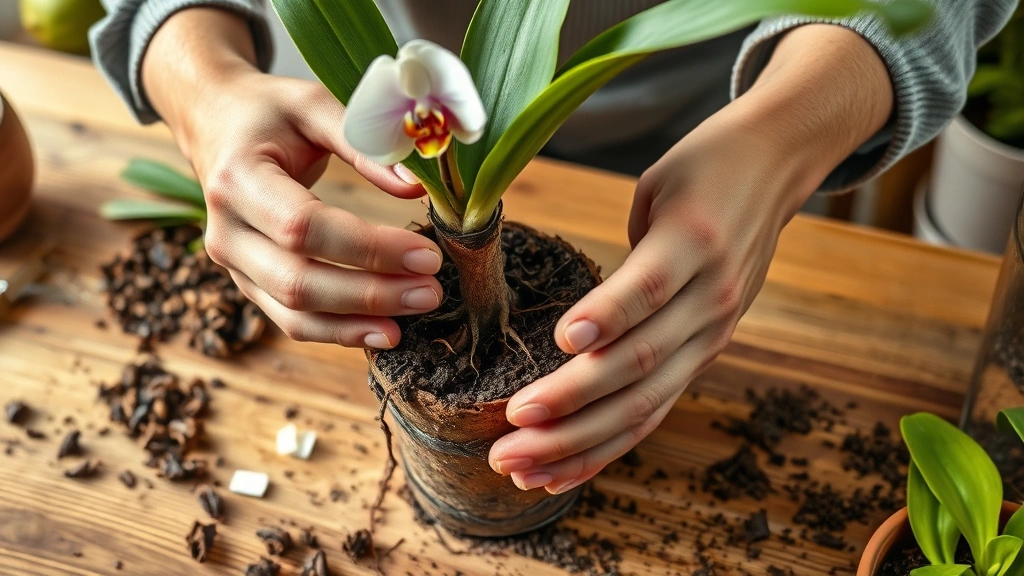
When you pot your orchid, use a pot with drainage holes, and don’t pack the medium down. Orchids aren’t like other plants; they like a bit of loose, airy space. If you’re repotting an established plant, try to keep as much of the original medium around the roots as possible to minimize transplant shock.
Fertilizing and Feeding
Orchids are light feeders compared to other houseplants, but they do need nutrients to produce those gorgeous blooms. During the growing season (spring and summer), feed every two weeks with a balanced orchid fertilizer diluted to half strength. Many growers use a “weekly weakly” approach—a tiny bit of fertilizer every week instead of a big dose every month.
Look for fertilizers formulated specifically for orchids, which usually have a ratio like 20-20-20 (nitrogen-phosphorus-potassium). When your plant is blooming or during dormancy (fall and winter), cut back to monthly feeding or stop entirely. Overfeeding causes salt buildup in the medium, which damages roots.
Some orchid enthusiasts use specialized bloom-boosting fertilizers (higher phosphorus) during pre-bloom periods to encourage flowering. Experiment a bit and see what works for your specific orchid variety—they can be surprisingly responsive to feeding adjustments.
Temperature and Growing Conditions
Most orchids prefer daytime temperatures between 65-75°F and nighttime temperatures 10-15 degrees cooler. This temperature drop actually triggers blooming in many varieties, so if your orchid isn’t flowering, inconsistent temperatures might be the culprit. Avoid placing orchids near heating vents, air conditioning units, or drafty windows where temperature swings are dramatic.
Different orchid types have slightly different preferences. Phalaenopsis (moth orchids) are the most forgiving and tolerate average home temperatures well. Cattleyas and Dendrobiums prefer cooler nights to bloom reliably. If you’re serious about orchid growing, research your specific variety to dial in the ideal conditions.
Seasonal variation matters too. Most orchids benefit from a cooler, drier rest period in winter, which signals them to produce flower buds. This doesn’t mean neglect—just slightly reduced watering and feeding during this time.
Repotting and Seasonal Maintenance
Repot your orchid every 1-2 years, preferably in spring after blooming ends. You’ll know it’s time when the potting medium starts breaking down (turning into fine particles), the plant becomes top-heavy, or roots are growing out of the pot. Never repot a blooming orchid—wait until the flowers drop.
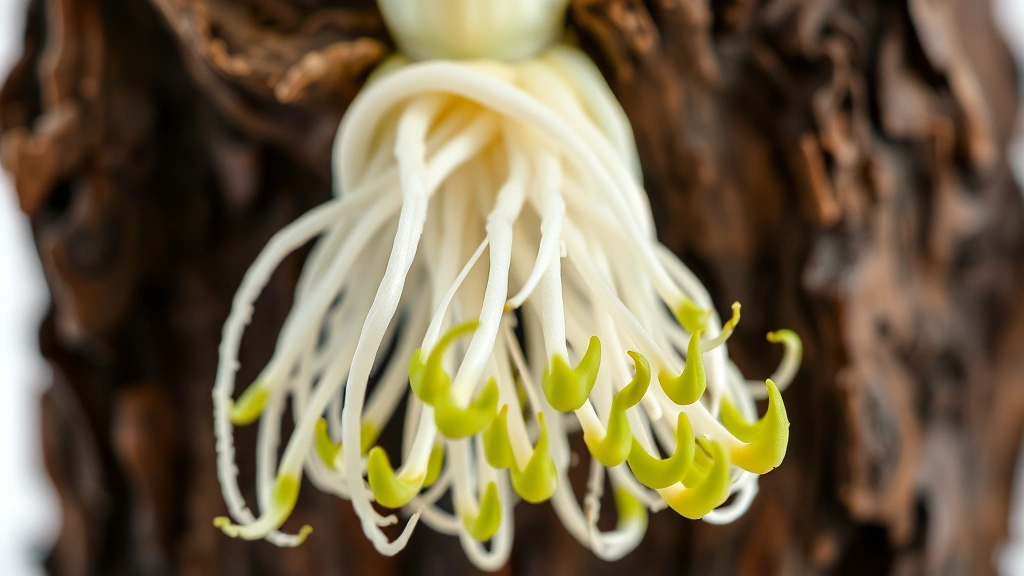
Gently remove the orchid from its old pot and carefully work away the old medium from the roots. Trim any dead or mushy roots (they’ll be brown or black and soft), keeping healthy white or green roots intact. Position the plant in a new pot with fresh orchid medium, keeping the base at the same level as before. Don’t bury the crown (where leaves emerge from the base).
After repotting, wait about a week before watering to let any damaged roots heal. This prevents rot from setting in. For the next few weeks, be more conservative with watering than usual.
Troubleshooting Common Problems
Yellow leaves usually indicate overwatering or poor drainage. Check your watering frequency and potting medium—if it’s staying too wet, you need to adjust. Wrinkled leaves or shriveled pseudobulbs (the swollen stem sections some orchids have) suggest underwatering or low humidity.
Brown spots that are soft and mushy indicate bacterial or fungal infection, often from water sitting on leaves or poor air circulation. Remove affected leaves with sterile scissors and improve air movement. Pests like spider mites and scale insects occasionally appear; spray with neem oil if needed, but prevention through good care is better than treatment.
If your orchid won’t bloom, consider these factors: insufficient light, lack of temperature variation between day and night, overfeeding with nitrogen (which promotes leaves over flowers), or the plant simply needing more maturity. Some orchids take 3-4 years to reach blooming size, so patience matters.
For detailed guidance on plant care fundamentals, the Family Handyman website offers excellent resources on indoor gardening. You might also explore This Old House for comprehensive home and garden advice, or check Bob Vila for practical how-to guides that apply to various home projects including plant care.
Frequently Asked Questions
How often should I water my orchid?
Water once a week, allowing the medium to dry out almost completely between waterings. The exact frequency depends on your home’s humidity, temperature, and pot size, so adjust based on how quickly the medium dries. Always check by feeling the medium before watering.
Can I use regular potting soil for orchids?
No—regular potting soil retains too much moisture and will cause root rot. Use orchid-specific potting medium made from bark chips, sphagnum moss, and perlite. This provides the drainage and aeration orchid roots need.
Why isn’t my orchid blooming?
Common reasons include insufficient light, lack of temperature variation between day and night, overfeeding (especially with high-nitrogen fertilizer), or the plant not being mature enough. Ensure your orchid gets bright indirect light and experiences a 10-15°F temperature drop at night.
How much light do orchids need?
Most orchids need 12-14 hours of bright, indirect light daily. East or south-facing windows work well. If leaves are dark green, increase light. If they’re yellowish or reddish, reduce direct sun exposure.
What humidity level do orchids prefer?
Ideally 50-80 percent humidity. Use a humidity tray with pebbles and water, group plants together, or use a humidifier. Ensure good air circulation to prevent fungal issues.
Should I mist my orchid leaves?
Avoid misting leaves, as water sitting on foliage promotes fungal and bacterial infections. Instead, create humidity through trays of water or a humidifier, and ensure air circulation with a small fan.
Final Thoughts on Orchid Care
Learning how to care for orchids is really about understanding their natural habitat and replicating those conditions at home. Bright indirect light, proper watering (less than you think), good air circulation, and the right potting medium form the foundation of success. Everything else—fertilizing, temperature adjustments, repotting—builds on these basics.
The beautiful part is that orchids are actually quite forgiving once you get these fundamentals down. They’ll reward your attention with stunning, long-lasting blooms that brighten your home for weeks or months. Start with a hardy variety like Phalaenopsis, nail the basics, and you’ll soon be growing multiple orchids and maybe even experimenting with more challenging types. Your patience will pay off in flowers that remind you why orchids have captivated plant lovers for centuries.


