
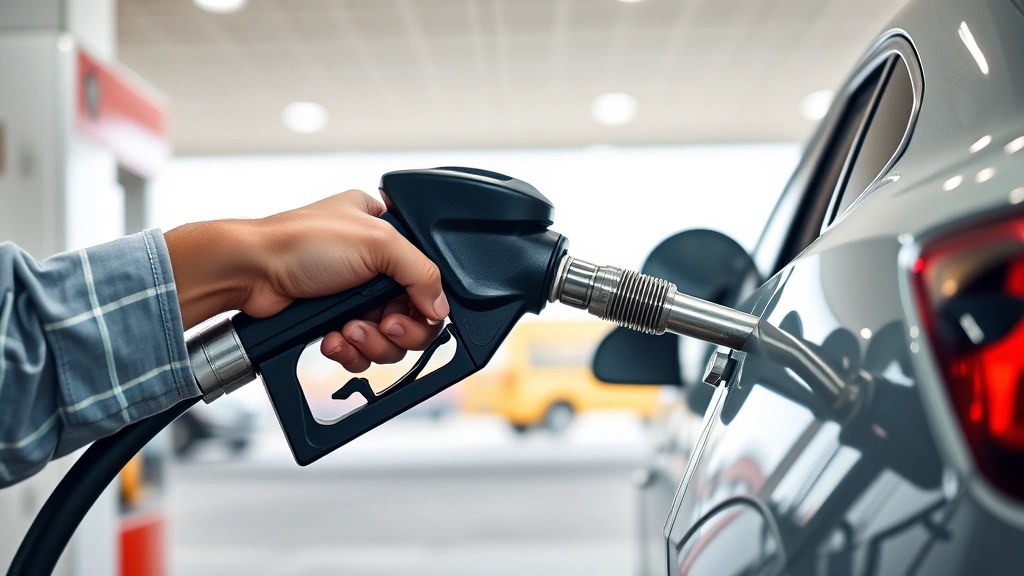
Learning how to calculate MPG is one of the easiest ways to track your vehicle’s health and catch problems before they drain your wallet. Whether you’re suspicious about a sudden drop in fuel economy or just want to know what your car’s really getting, this simple three-step method takes about five minutes and requires nothing but a pen, paper, and your odometer.
Table of Contents
What is MPG Anyway?
MPG stands for miles per gallon, and it’s simply a measurement of how far your vehicle travels on one gallon of fuel. Think of it like your car’s efficiency rating—higher numbers mean your engine is doing more work with less gas, which saves you money and reduces emissions. The EPA publishes estimates for new vehicles, but your real-world MPG depends on driving habits, road conditions, and how well you maintain your ride.
Most drivers never calculate their actual MPG, which means they’re flying blind about their vehicle’s performance. You might think your car gets 25 MPG based on the window sticker, but if you’re only getting 20 MPG, something’s wrong—and it could be as simple as underinflated tires or as serious as a failing oxygen sensor.
Step One: Reset Your Odometer
Start with a full tank of gas. Drive to a gas station and fill your tank completely—you want the pump to click off automatically, indicating the tank is genuinely full. This is your baseline. Now reset your odometer to zero, or write down the exact mileage reading on a piece of paper. This number is critical because it’s your starting point for the calculation.
Most modern vehicles have digital odometers with a reset button on the steering column or dashboard. If you’re driving an older car with an analog odometer, just jot down the number. The key is accuracy—if you’re off by 50 miles, your MPG calculation will be noticeably skewed.
Step Two: Fill Up at the Pump
Drive normally for at least 100 miles, though 200-300 miles gives you more accurate data. The longer you drive, the more your driving patterns average out, which means fewer variables affecting your result. Use the vehicle exactly as you normally would—highway driving, city streets, aggressive acceleration, whatever. This is real-world data, not a laboratory test.
When you’re ready to refill, head back to a gas station and fill your tank again. Use the same pump, the same fill-up method (let the nozzle click off naturally), and try to visit around the same time of day if possible. Some gas stations’ pumps are more accurate than others, so consistency helps. Record the exact amount of fuel you pump into your tank—this is the second critical number for your calculation.
Step Three: Do the Math
Here’s where the magic happens, and it’s embarrassingly simple. Take the number of miles you drove (your odometer reading minus your starting reading) and divide it by the gallons of fuel you just pumped in. That’s it.
The formula: Miles Driven ÷ Gallons Used = MPG
Let’s use a real example. You reset your odometer at 45,230 miles with a full tank. After driving around for a week, your odometer reads 45,530 miles. You pump in 12.5 gallons to refill. The math: 300 miles ÷ 12.5 gallons = 24 MPG. That’s your actual fuel economy for that driving period.
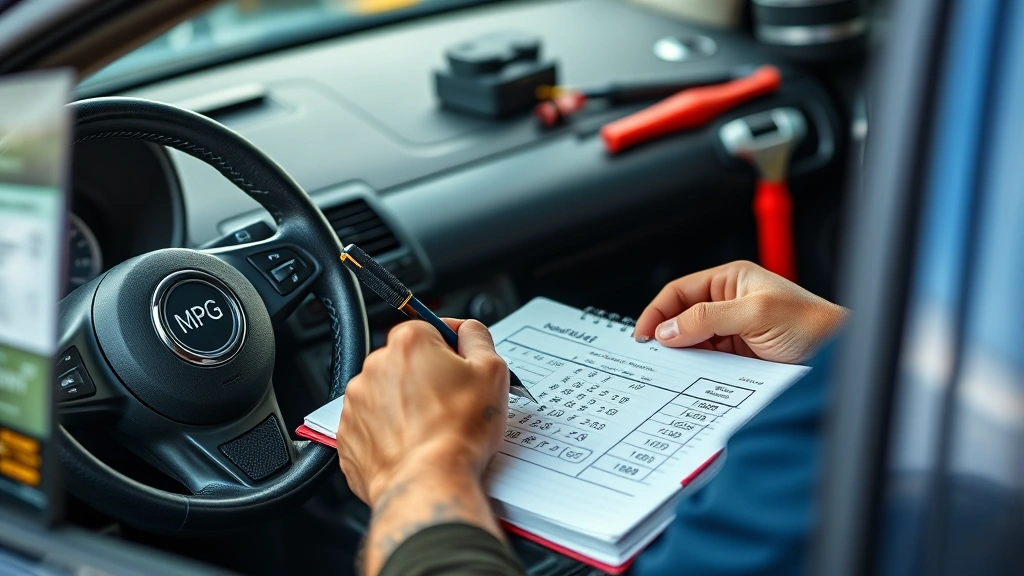
Write this number down. Do it again next month. And the month after that. You’re building a record of your vehicle’s real performance, which is way more valuable than any EPA estimate.
Real-World Factors That Matter
Your MPG won’t be identical every time you calculate it, and that’s completely normal. Driving conditions, weather, and your own habits create variation. Highway driving typically nets better MPG than city driving because your engine runs at steady RPMs without constant acceleration and braking. Cold weather reduces MPG because your engine burns extra fuel warming up, and your battery works harder in freezing temperatures.
Aggressive driving—rapid acceleration, speeding, hard braking—murders your fuel economy. If you drive like you’re in a race, expect 15-20% worse MPG than if you accelerate smoothly and coast to stops. Tire pressure also plays a sneaky role. Underinflated tires increase rolling resistance, forcing your engine to work harder. Check your tire pressure monthly and keep it at the manufacturer’s recommended PSI (usually printed on the driver’s door jamb).
Cargo weight matters too. Every 100 pounds of extra weight in your vehicle reduces fuel economy by about 1-2%. If you’re hauling equipment, tools, or luggage regularly, your MPG will naturally be lower than when you’re driving empty. That’s not a problem—it’s just reality.
Tracking Trends Over Time
The real power of calculating your own MPG comes from tracking it over months and years. Create a simple spreadsheet with the date, mileage, gallons pumped, and calculated MPG. After a few months, you’ll see patterns emerge. Maybe your MPG dips in winter and rebounds in summer. Maybe it gradually declines over a year, signaling that your vehicle needs maintenance.
If your MPG suddenly drops 2-3 points and stays low, that’s your warning light. Something’s changed, and it’s worth investigating. This is when you check your tire pressure, look for engine warning lights, and consider a visit to a trusted mechanic. Catching problems early through MPG tracking can save you thousands in repairs.
When MPG Drops: Maintenance Check
A significant drop in fuel economy often points to specific maintenance issues. Start with the simple stuff: check your transmission fluid level and condition, as low or dirty fluid forces your transmission to work harder. Verify your coolant levels too, since an overheating engine runs less efficiently.
If your check engine light is on, get it scanned for error codes. A failing oxygen sensor, dirty fuel injectors, or a clogged air filter can all reduce MPG significantly. Spark plugs wear out over time and should be replaced per your manufacturer’s schedule. A faulty thermostat that keeps your engine running cool can also hurt economy.
Sometimes it’s as simple as replacing your key fob battery if your car has a keyless entry system that’s working overtime. More seriously, if you’ve recently had brake work done, ensure your brakes aren’t dragging. Properly bled brakes roll freely and don’t waste fuel fighting brake drag.
Digital Alternatives and Apps
Modern vehicles often have onboard computers that estimate MPG for you. If your car displays fuel economy on the dashboard screen, use it as a reference, but don’t rely on it exclusively. These estimates can be optimistic and don’t account for all driving conditions. The manual calculation method remains the gold standard because you’re controlling the variables.
Apps like Fuelly, MileMeter, and GasBuddy let you log your fill-ups digitally and track trends automatically. They’re convenient if you’re tech-savvy, but the three-step manual method works just as well and requires zero apps. Choose whatever system you’ll actually stick with—consistency matters more than complexity.
Frequently Asked Questions
How often should I calculate my MPG?
Once per month is ideal for tracking trends. If you suspect a problem, calculate it weekly until you understand what’s happening. Daily calculations are overkill and introduce too much noise from normal variation.
Why does my calculated MPG differ from my car’s display?
Vehicle computers often estimate optimistically. Your manual calculation is more accurate because you’re measuring actual fuel pumped and miles driven. Trust your math over the dashboard number.
Does my driving style really affect MPG that much?
Absolutely. Smooth acceleration and steady speeds can improve MPG by 15-20% compared to aggressive driving. It’s one of the easiest ways to save money on fuel without any maintenance.
Should I calculate MPG for every fill-up?
Not necessary. Monthly calculations give you enough data to spot trends without becoming tedious. If you’re troubleshooting a problem, do it more frequently.
What’s considered good MPG?
It depends on your vehicle. Sedans typically get 25-35 MPG, SUVs get 18-28 MPG, and trucks get 15-25 MPG. Check your vehicle’s EPA rating and aim for within 10% of that number. Significantly worse means something needs attention.
Can I calculate MPG with partial tanks?
Technically yes, but it’s less accurate. Always start and end with a full tank for the most reliable results. Partial tanks introduce measurement errors that skew your calculation.
Final Thoughts
Calculating your own MPG takes five minutes and costs nothing, yet it gives you critical insight into your vehicle’s health and efficiency. You’re not relying on EPA estimates or dashboard guesses—you’re using real data from your actual driving. Start this month. Write down your numbers. Do it again next month. Within three months, you’ll have a clear picture of how your vehicle performs and whether something needs fixing. That’s the kind of knowledge that saves money and keeps your car running reliably for years to come.


