
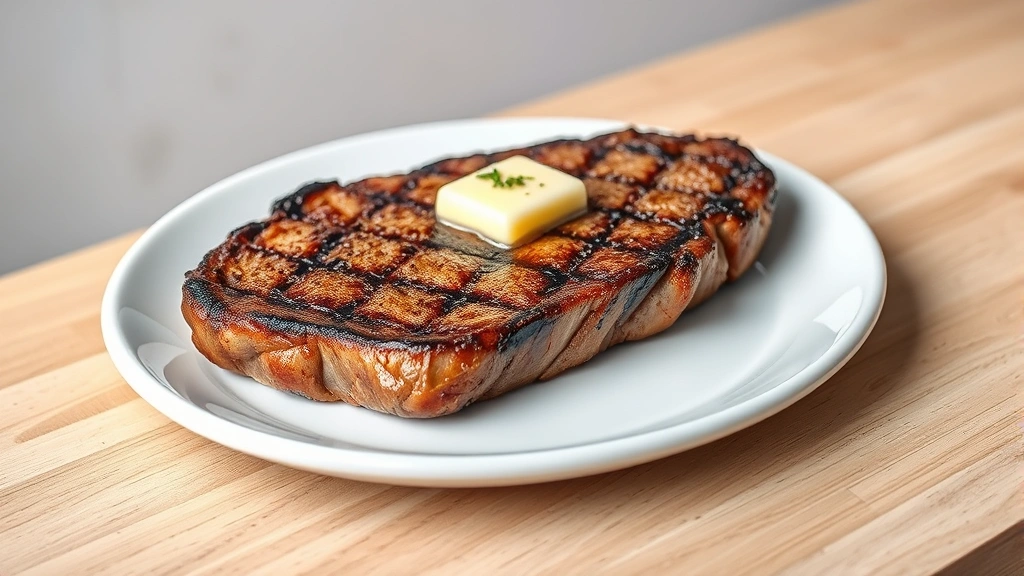
Learning how to broil steak is one of the quickest ways to get a restaurant-quality dinner on your table without firing up the grill or heating your whole kitchen. I’ve been cooking steaks under the broiler for years, and honestly, it’s become my go-to method for weeknight dinners when I want serious flavor without the fuss. The broiler is basically an upside-down grill—intense, direct heat from above that sears the meat fast and locks in those beautiful caramelized flavors.
Table of Contents
Choosing the Right Cut
Not all steaks are created equal when it comes to broiling. Thickness matters more than you’d think. You want steaks that are at least 1 to 1.5 inches thick—thinner cuts dry out under the intense broiler heat before they develop that gorgeous crust. I typically reach for ribeyes, New York strips, or filet mignon. These cuts have enough marbling or tenderness to stay juicy even with the high heat exposure.
Bone-in steaks like T-bones and porterhouses work beautifully too, though they require slightly longer cooking times. The bone actually insulates the meat a bit, which can be an advantage. Avoid ultra-thin cuts like minute steaks or those deli-counter slices—they’ll turn into shoe leather in seconds under the broiler’s intense heat.
Prep Your Steak for Success
This is where most home cooks skip steps and wonder why their broiled steak doesn’t taste restaurant-quality. Pat your steak completely dry with paper towels—moisture is the enemy of a good crust. Any water on the surface will steam rather than sear, and you’ll lose that caramelization you’re after.
Take your steak out of the fridge 15-20 minutes before broiling. Cold meat won’t cook evenly; the outside will char while the inside stays rare. Room temperature steak cooks more predictably and develops a better crust. This is non-negotiable if you want consistent results.
Setting Up Your Broiler
Position your oven rack so the steak will be 4-6 inches from the broiler element. This distance is critical. Too close and you’ll burn the outside before the inside cooks; too far and you’ll just warm the meat without getting that sear. Most broilers have a high and low setting—use high for steaks.
Preheat your broiler for at least 5 minutes. This isn’t like a regular oven where you can get away with less preheat time. The broiler needs to be screaming hot. Line your broiler pan with foil for easy cleanup, and place your steak on the hot pan. If your pan isn’t hot, place it under the broiler for a minute or two before adding the steak—that initial sizzle is what starts the searing process.
Perfect Broiling Time
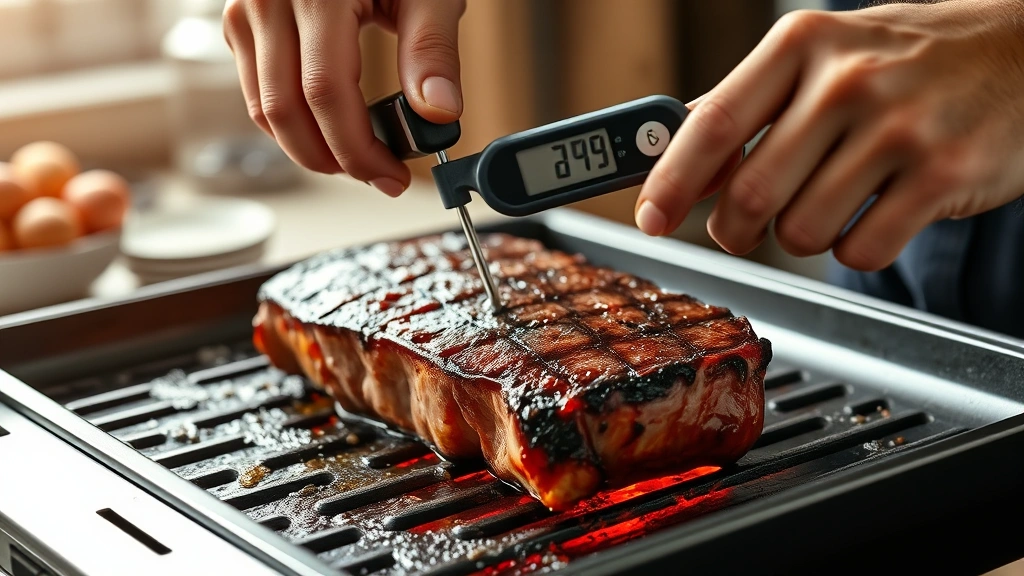
For a 1.5-inch thick steak cooked to medium-rare, you’re looking at about 4-5 minutes per side. This is where a meat thermometer becomes your best friend. Don’t rely on the “poke test” or timing alone—every broiler is different, and steak thickness varies.
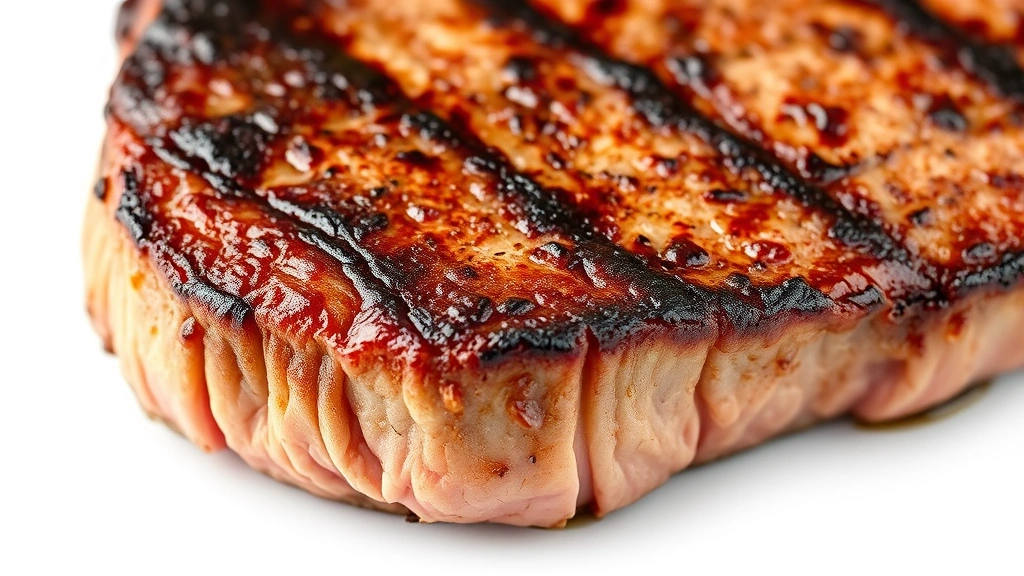
Flip your steak only once, halfway through cooking. Resist the urge to flip constantly; that constant movement prevents a good crust from forming. Broil the first side for 4-5 minutes until you see a nice brown crust forming, then flip and broil the second side for another 3-4 minutes, depending on thickness and your target doneness.
Temperature and Doneness
This is where precision matters. Use an instant-read meat thermometer inserted into the thickest part of the steak, away from bone:
- Rare: 125°F (52°C)
- Medium-Rare: 135°F (57°C)
- Medium: 145°F (63°C)
- Medium-Well: 150°F (65°C)
Remember that carryover cooking will raise the temperature 5°F more after you remove the steak from heat. Pull your steak at 130°F if you want medium-rare, and it’ll coast up to 135°F while resting. This matters because overcooked steak is tough, and you can’t fix that.
Resting: The Crucial Step
After broiling, let your steak rest for 5-10 minutes on a warm plate or cutting board. This isn’t wasted time—it’s when the magic happens. The muscle fibers relax, and the juices redistribute throughout the meat instead of running out onto your plate when you cut into it. A rested steak stays juicier and more tender than one you cut into immediately.
Tent it loosely with foil if your kitchen is cold, but don’t wrap it tightly or you’ll trap steam and make the crust soggy. Just let it sit undisturbed for those few minutes.
Seasoning for Maximum Flavor
Simple is best with quality beef. I season right before broiling with kosher salt and fresh cracked black pepper—nothing fancy needed. The high heat will caramelize these seasonings onto the crust. If you want more complexity, add a pinch of garlic powder or smoked paprika to your salt and pepper mix.
After resting, top your steak with a pat of compound butter (softened butter mixed with herbs like rosemary or thyme) and let it melt over the hot meat. This adds richness and keeps the surface from drying out. You could also add a squeeze of fresh lemon juice or a dash of Worcestershire sauce if you’re feeling it.
Common Mistakes to Avoid
The biggest mistake I see is overcrowding the broiler pan. If you’re cooking multiple steaks, leave space between them so heat can circulate. Cramming them together creates steam instead of sear. Cook in batches if needed.
Another killer is forgetting to dry the steak thoroughly. Wet meat won’t crust properly. And don’t skip the preheat—a cold broiler won’t give you that seared exterior you’re after. Finally, resist moving the steak around constantly. Let it sit and develop that crust before flipping.
Broiler Steak Variations
Once you’ve mastered the basic technique, you can adapt it for other proteins. Similar cooking methods work great for how long to cook chicken on grill—just adjust timing since chicken needs to reach 165°F. You can also broil how long to cook a pork loin in the oven, though pork benefits from slightly lower broiler temperatures to prevent drying out.
For a fun weekend project, try broiling how long to cook country style ribs in oven using the broiler method with a glaze. The technique translates beautifully across proteins—high heat, proper distance, and attention to temperature are universal principles.
Want to pair your steak with something special? Consider making how to make caramel popcorn as a fun appetizer or snack, or serve your steak alongside black beans and rice recipe for a complete meal.
Wrapping It Up
Broiling steak is genuinely foolproof once you understand the fundamentals. Proper prep, correct distance from the heat, attention to temperature, and a good rest period are all you need. You’ll get steaks that rival any steakhouse, and you’ll do it in your home kitchen in under 15 minutes total. That’s a win in my book.
Start with quality beef, follow these steps, and you’ll be broiling perfect steaks every single time. Your weeknight dinners are about to get a serious upgrade.
Frequently Asked Questions
Can I broil a thin steak?
Technically yes, but it’s not ideal. Thin steaks (under 1 inch) cook too fast and often end up overcooked on the outside before the inside reaches proper temperature. Stick with steaks at least 1.5 inches thick for best results and more forgiving cooking times.
What if my broiler only has a low setting?
Use the low setting and increase your cooking time by about 2-3 minutes per side. You won’t get quite as dramatic a crust, but you’ll still get a properly cooked steak. Just monitor temperature closely since low broilers are less predictable.
Should I oil the steak before broiling?
No. Pat it dry and season with salt and pepper. Any oil will smoke excessively under broiler heat and can create unpleasant flavors. After cooking, add butter if you want richness.
Can I broil frozen steak?
I don’t recommend it. Frozen steak will cook unevenly—the outside will overcook while the inside is still cold. Thaw completely in the fridge overnight for consistent results.
How do I know when it’s done without a thermometer?
The touch method works in a pinch: rare feels like the fleshy area below your thumb when your hand is relaxed; medium-rare feels like when you touch your thumb to your index finger; medium feels like your middle finger touch. But honestly, invest in a cheap instant-read thermometer—it’s the only reliable way.


