
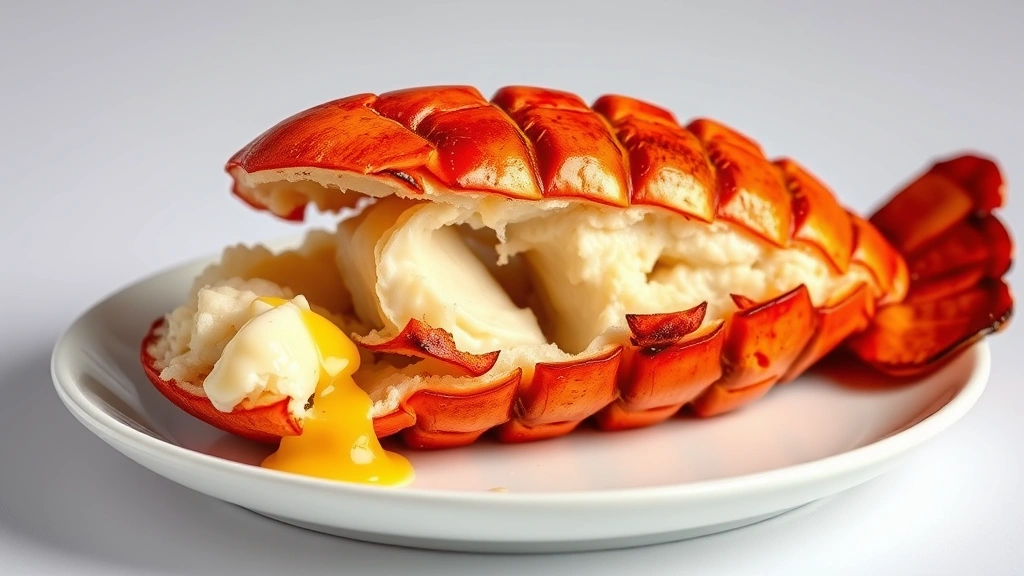
Learning how to broil lobster tails is one of the easiest ways to get restaurant-quality results right in your own kitchen. If you’ve been intimidated by cooking lobster, let me tell you straight—broiling is where it’s at. No complicated techniques, no special equipment beyond what you already have, and you’ll have perfectly cooked, buttery lobster tails ready to eat in under 15 minutes.
Table of Contents
Choosing Quality Lobster Tails
Before you even think about firing up the broiler, you need to start with good raw material. Fresh lobster tails make all the difference between a mediocre dinner and something you’ll be bragging about for weeks. When you’re at the seafood counter, look for tails that are firm to the touch and smell like the ocean—not fishy or ammonia-like. The shell should be intact with no cracks or soft spots.
You’ve got two main options: fresh or frozen. Fresh is ideal if you can get it, but frozen tails work beautifully too. Just make sure you thaw them in the refrigerator the night before, never at room temperature. A 6-8 ounce tail is the sweet spot for home cooking—large enough to be impressive but small enough to cook evenly. Anything bigger than 10 ounces and you risk the outside cooking before the inside is done.
Prep Work Before Broiling
This is where patience pays off. Take your thawed lobster tails and pat them completely dry with paper towels. Any moisture on the surface will steam instead of sear, and you want that beautiful caramelization. Place the tail on a cutting board, shell-side up, and let it sit for a few minutes at room temperature—this helps it cook more evenly.
You’ll also want to grab your broiler pan and line it with aluminum foil. This isn’t just for easy cleanup (though that’s nice)—the foil helps reflect heat and creates more even cooking. Make sure your oven rack is positioned about 4-6 inches from the broiler element. Too close and you’ll char the shell; too far and it won’t cook through properly.
The Butterfly Technique
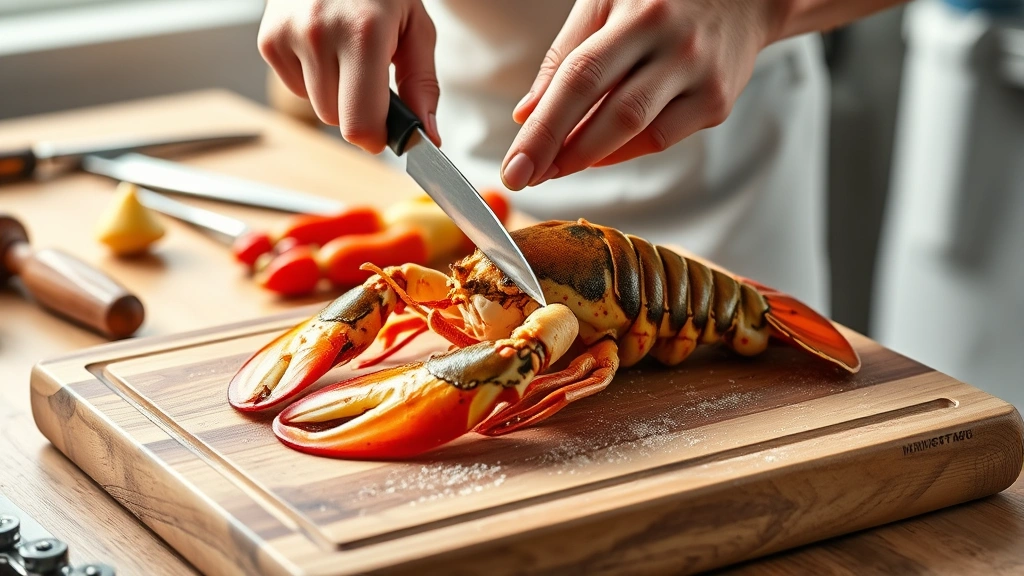
Here’s the magic move that makes broiling so effective: butterflying. This technique exposes the meat directly to the heat and creates that gorgeous presentation. Using a sharp chef’s knife or kitchen shears, cut lengthwise down the center of the shell, cutting through about halfway into the meat itself. Don’t cut all the way through—you want the tail to stay in one piece with the shell acting as a base.
Gently pull the two halves apart, opening the tail like a book. The meat should be mostly exposed on top, still connected at the base. This opens up maximum surface area to the broiler’s direct heat. Some folks like to loosen the meat a bit more by carefully running their knife between the meat and shell, but be gentle—you don’t want to tear it. If you’re nervous, just make the initial cut and let the broiler do the work.
Seasoning and Butter Matters
Lobster meat is delicate and doesn’t need much, but what you do use should be quality. Pat the exposed meat dry again (seriously, moisture is the enemy here), then brush generously with melted butter. This is not the time to be shy. Use good butter—salted or unsalted, your call, but make it real butter, not margarine or oil.
For seasoning, keep it simple. Kosher salt and fresh cracked black pepper are all you really need. If you want to get fancy, a tiny pinch of paprika or Old Bay seasoning adds a nice touch without overpowering the delicate lobster flavor. Some people add minced garlic to their butter, which is fantastic. Just mix it in before brushing. Fresh lemon juice squeezed over the top right before broiling adds brightness that makes the whole dish sing.
Setting Up Your Broiler
Turn your broiler on high and let it preheat for about 5 minutes. You want it screaming hot. While it’s heating, arrange your prepared lobster tails on the foil-lined broiler pan, meat-side up, in a single layer. Don’t crowd them—they need air circulation around each tail.
Make sure your oven rack is positioned correctly before you put anything in. Most home broilers work best with the rack about 4-6 inches from the heating element. If your broiler is in the top of your oven, you might have less flexibility, but adjust as best you can. The goal is close enough for aggressive cooking but not so close that you’re charring the shell.
The Cooking Process
Slide your broiler pan under the broiler and set a timer. This is where the magic happens. You’ll hear it sizzle and pop—that’s the butter caramelizing and the meat starting to cook. Don’t walk away completely, but you don’t need to hover either. Peek in after about 3 minutes to check progress.
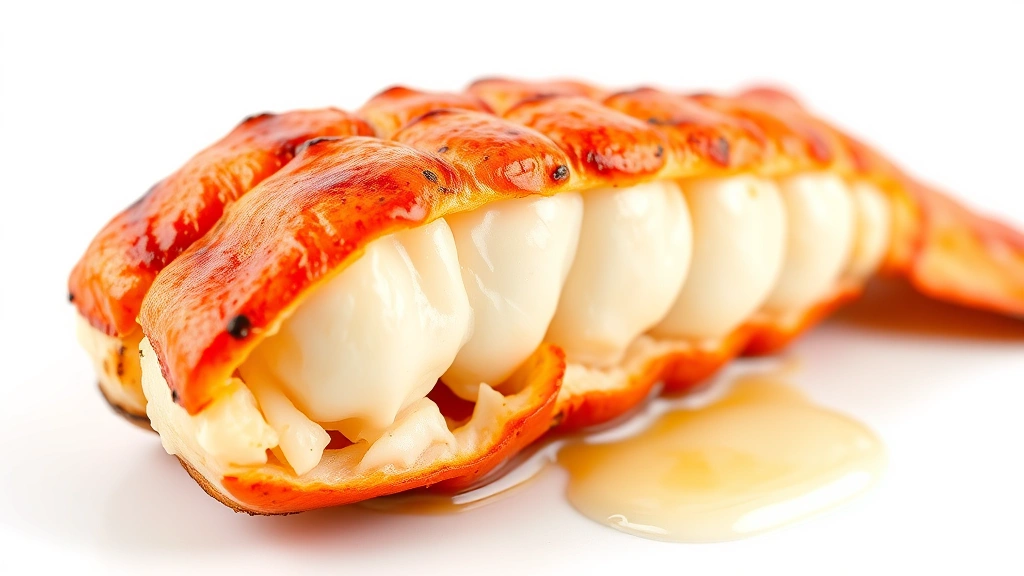
The meat will go from translucent to opaque as it cooks. You’re looking for that beautiful white color with just a hint of browning on the edges. The shell might char a bit—that’s totally fine and actually adds flavor. If you notice the shell getting too dark before the meat is done, you can tent it loosely with a piece of foil to protect it while the meat finishes.
Timing Guide by Size
Timing depends on tail size, so here’s your roadmap. A 4-5 ounce tail takes about 5-7 minutes. A 6-8 ounce tail (the most common) takes 8-10 minutes. A 9-10 ounce tail takes 10-12 minutes. A monster 12+ ounce tail takes 12-15 minutes. These times assume your broiler is properly preheated and your rack is at the standard 4-6 inch distance. Start checking at the lower end of the time range and adjust based on what you see.
Remember that broilers vary wildly between ovens. Some run hot, some run cool, and some have hot spots. The first time you make broiled lobster tails, you’re learning your specific broiler’s personality. Take notes on what worked so next time you nail it immediately.
Checking for Doneness
The meat should be opaque white throughout with no translucent spots. If you poke it gently with a fork, it should flake easily but still be juicy—not dry or rubbery. The internal temperature should hit 140-145°F if you want to be precise about it. Use an instant-read thermometer inserted into the thickest part of the meat, being careful not to touch the shell.
Here’s the thing about lobster: it goes from perfectly cooked to overdone pretty quickly. Overcooked lobster becomes tough and rubbery, and that’s tragic because you can’t fix it. When in doubt, pull it out a minute early. The residual heat will finish the cooking, and you can always put it back for 30 seconds if needed. You can’t uncook it.
Serving and Enjoying
Let the tails rest for just a minute—they’re hot, and you want the meat to set slightly. Serve immediately with melted butter on the side for dipping and fresh lemon wedges. A simple salad and some crusty bread make this a complete meal that feels fancy but took you 15 minutes tops.
If you’re cooking for a crowd, you can broil multiple tails at once as long as you don’t crowd the pan. Just keep an eye on timing since having more tails in the broiler might affect heat distribution slightly. Some people like to finish their broiled lobster tails with a sprinkle of fresh herbs like chives or parsley right before serving—totally optional but nice for presentation.
Want to expand your cooking repertoire? Check out this guide on how long to bake salmon at 350 for another elegant protein option. Or if you’re planning a bigger seafood spread, learning how long to boil chicken gives you another tool. For those who love smoking meats, how long to smoke brisket at 225 is a fantastic complement to your cooking skills.
According to the USDA Food Safety Guidelines, seafood should reach an internal temperature of 145°F, which is exactly what we’re aiming for with broiled lobster. For more detailed seafood preparation techniques, Family Handyman has excellent grilling alternatives if you want to try that method too.
Frequently Asked Questions
Can I broil frozen lobster tails without thawing?
Technically yes, but I don’t recommend it. Frozen tails take significantly longer and cook unevenly—the outside might be overdone before the inside is thawed. Always thaw in the refrigerator overnight. If you’re in a pinch, you can thaw in cold water for a couple hours, but never use hot water as it starts cooking the outside.
Why is my broiled lobster tough and rubbery?
Overcooking is the culprit. Lobster meat is lean and cooks fast. If you’re getting tough results, you’re leaving it under the broiler too long. Start checking at the lower end of the time range and pull it out as soon as the meat turns opaque. It’ll carry over cook slightly after you remove it.
Should I remove the vein before broiling?
The dark vein running down the tail is the digestive tract. It’s not harmful, but many people prefer to remove it for appearance and texture reasons. If you want to remove it, do it before butterflying. Use a small knife to make a shallow cut along the vein and lift it out gently with the tip of your knife or a small pick.
Can I use my toaster oven broiler?
Absolutely. Toaster oven broilers work great for lobster tails, especially if you’re cooking just one or two. You might need to adjust the rack position since toaster ovens are smaller, but the principle is identical. Just watch carefully since toaster ovens often run hotter than full-size ovens.
What’s the best butter to use for broiling?
Use real butter—salted or unsalted is your preference. Clarified butter or ghee works beautifully too and has a higher smoke point. Avoid margarine or butter-flavored spreads; they don’t have the same richness and can burn at high heat. Good quality butter makes a noticeable difference in the final flavor.
How do I know if my lobster tail is fresh?
Fresh lobster tails should smell like the ocean, not fishy or ammonia-like. The shell should be firm and intact with no soft spots or cracks. The meat should be translucent and firm when raw. If it smells off or looks discolored, don’t buy it. When in doubt, ask the seafood counter staff—they want you to have a good experience.
Final Thoughts
Broiling lobster tails is genuinely one of the easiest ways to cook restaurant-quality seafood at home. Once you understand the basic technique—butterflying, seasoning with butter, and broiling at high heat—you’ll be making this dish regularly. The whole process takes less time than ordering takeout, and it tastes infinitely better. Start with medium-sized tails, follow the timing guide for your broiler, and don’t overcook. You’ve got this, and your dinner guests are going to be seriously impressed.


