
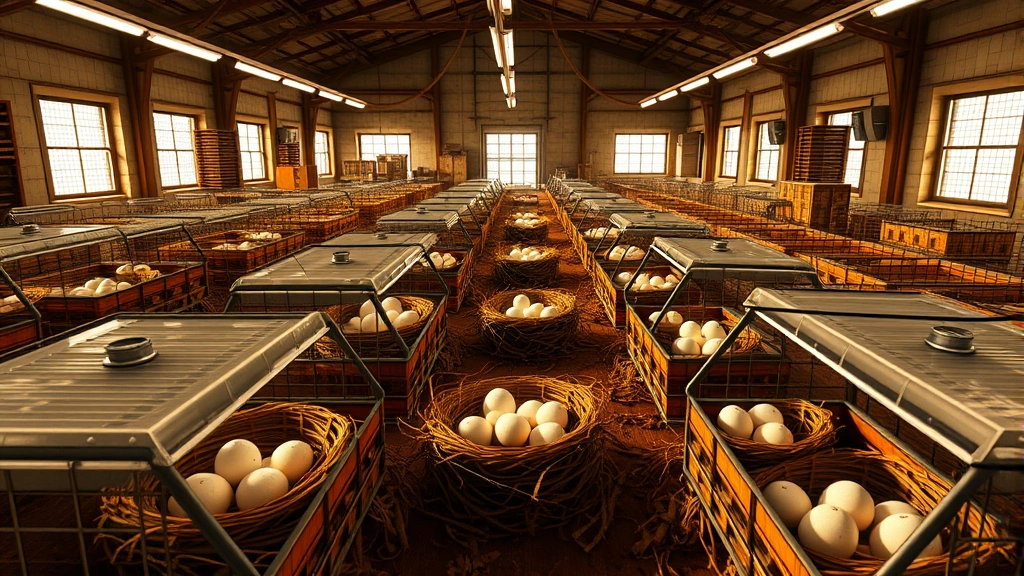
Learning how to breed Anubis Palworld is one of the most rewarding progression steps you can take in your Palworld adventure. Anubis is a powerful Dark-type Pal that becomes even more valuable when you can breed them strategically, and getting the mechanics right separates casual players from serious breeders. This guide walks you through every step, from gathering the right Pals to optimizing your breeding farm for maximum success.
Table of Contents
Breeding Basics Explained
Before diving into Anubis-specific breeding, you need to understand the foundational mechanics. Breeding in Palworld requires two compatible Pals placed in a breeding pen with proper conditions. The game checks for compatibility based on type and gender, then generates an egg after a set incubation period. Think of it like managing a farm—you need the right environment, the right partners, and patience.
Each Pal has specific breeding requirements tied to its type classification. You’ll need to check your Pokedex-style menu to verify compatibility. The breeding pen itself must have adequate space and resources. Unlike traditional games, Palworld’s breeding system feels more hands-on because you’re actively managing the farm’s infrastructure.
Anubis Breeding Requirements
Anubis is a Dark-type Pal, which means it has specific breeding compatibility rules. You’ll need a male and female Anubis to breed them together, or alternatively, you can breed Anubis with other Dark-type Pals to produce hybrid offspring. The gender system in Palworld is randomized when you catch Pals, so you might need to catch multiple Anubis to get a breeding pair.
Here’s what you absolutely need: two Anubis of opposite genders, a breeding pen with minimum dimensions (typically 3×3 or larger), and patience for the incubation timer. The incubation time for Anubis eggs is approximately 20-30 minutes of in-game time, though this varies based on your game settings and any breeding speed modifiers you’ve unlocked.
Pro tip: if you’re struggling to find a female Anubis, check your caught Pals inventory carefully. You might already have one without realizing it. The gender indicator is usually shown in the Pal’s detail screen with a small male (♂) or female (♀) symbol.
Setting Up Your Breeding Farm
Your breeding farm is the foundation of successful Anubis breeding. Start by building a dedicated breeding pen structure. You’ll need walls, a roof (optional but recommended for weather protection), and enough floor space for your Pals to move around comfortably. A 5×5 pen gives you plenty of room and looks clean.
Inside the pen, place a breeding nest or breeding box—this is where the egg will appear once breeding is successful. Stock the pen with food that Anubis enjoys. Dark-type Pals generally prefer meat-based foods, so prioritize raw meat or processed meat products. Keep a steady supply so your Pals don’t get hungry and stop breeding.
Environmental factors matter too. Anubis prefers cooler, darker areas. If your farm is in a bright, hot region, consider building your breeding pen in a shaded area or underground. Temperature and lighting don’t break breeding, but they affect your Pals’ happiness, which influences breeding success rates. A happy Pal is a breeding Pal.
Optimal Pairing Strategy
The simplest approach is pairing two Anubis together—straightforward and guaranteed to produce Anubis eggs. However, you can also explore hybrid breeding. Pairing Anubis with other Dark-type Pals like Darkrai (if available) or compatible types can produce interesting offspring with mixed traits.
When selecting your breeding pair, consider their individual stats and abilities. Palworld’s breeding system passes down traits to offspring, so breeding two high-IV (individual value) Anubis will likely produce stronger babies. Check each Pal’s stats before committing them to breeding. If you’re serious about optimization, this is where you separate casual breeders from competitive ones.
Gender balance matters for farm efficiency. If you’re planning multiple breeding cycles, try to maintain a balanced ratio of males to females. One male can breed with multiple females, but having diversity prevents inbreeding issues and keeps your breeding operation scalable.
Egg Incubation Process
Once your Anubis pair successfully breeds, an egg appears in your breeding nest. This is where patience becomes essential. The egg won’t hatch immediately—it requires incubation time. You can leave it in the nest, or you can pick it up and carry it in your inventory, though this doesn’t speed up the process.
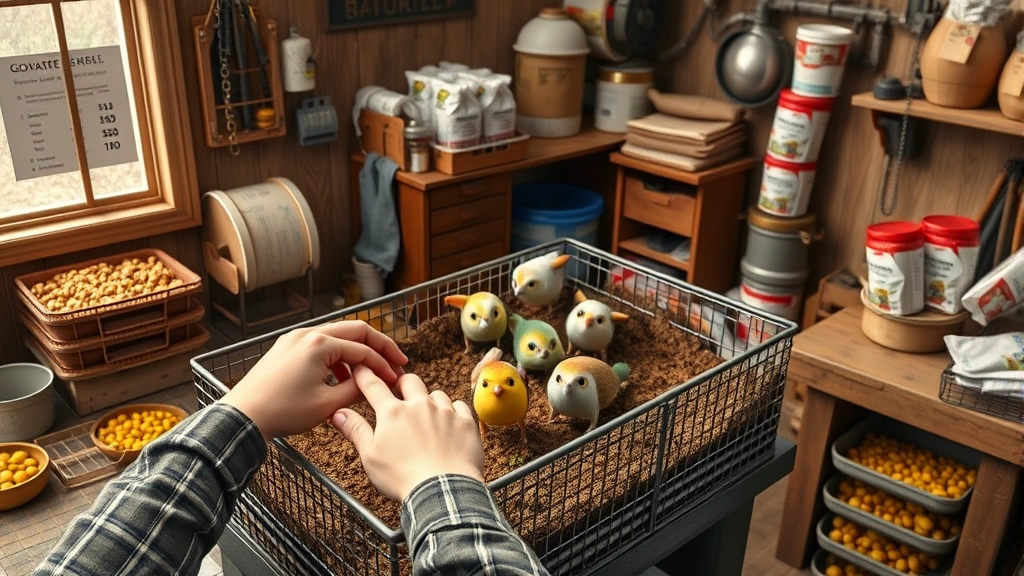
Incubation happens passively as long as you’re in the game world. Real-time doesn’t count, so you can’t just wait in real life—you need to be actively playing. The egg’s incubation bar fills gradually. You can check progress by interacting with the egg or viewing it in your inventory.
Temperature affects incubation speed slightly. Keeping the egg in a moderate temperature environment (around 20-25°C) optimizes hatching speed. Too hot or too cold slows things down. Once the bar fills completely, the egg hatches into a baby Anubis that you can raise and eventually add to your breeding roster.
Maximizing Breeding Efficiency
If you want to scale your Anubis breeding operation, efficiency is key. Set up multiple breeding pens so several pairs can breed simultaneously. This multiplies your output and gets you to your breeding goals faster. Five pens running at once beats one pen breeding sequentially.
Automate food delivery if possible. Build storage containers near your breeding pens and stock them with meat regularly. Some players use Pals with farming abilities to produce food automatically—this is a game-changer for large-scale breeding. The less time you spend managing food, the more you can focus on breeding.
Track your breeding results. Keep notes on which Pals produced the best offspring. This data helps you refine your breeding strategy over time. After 10-15 breeding cycles, patterns emerge about which pairs consistently produce superior Anubis. Use this information to double down on successful combinations.
For reference, check out how to make villagers breed for broader breeding philosophy concepts that apply across different games. The core principles of resource management and patience translate well.
Avoiding Common Mistakes
The biggest mistake new breeders make is not checking gender before placing Pals in the breeding pen. You’ll waste time and resources waiting for breeding that’ll never happen. Always verify gender first. It takes 30 seconds and saves you hours of frustration.
Another common error is neglecting food supply. Hungry Pals don’t breed. They get cranky and unproductive. Maintain consistent food stocks—this isn’t negotiable. If your Pals are starving, your breeding operation stalls immediately.
Don’t ignore happiness and health stats. Sick or unhappy Pals have lower breeding success rates. Keep your breeding Pals in good condition. Heal them regularly, give them breaks from breeding occasionally, and ensure their living space is comfortable. Treat them well, and they’ll reward you with consistent offspring.
Overcrowding your breeding pen is another trap. Too many Pals in one space causes stress and reduces breeding effectiveness. Stick to 2-3 Pals per pen maximum, with dedicated breeding pens housing only your breeding pairs.
Advanced Breeding Techniques
Once you’ve mastered basic Anubis breeding, explore advanced strategies. Selective breeding for specific traits—like speed, attack power, or special abilities—takes your operation to competitive levels. This requires tracking stats across multiple generations and making calculated breeding decisions.
Hybrid breeding opens creative possibilities. Breeding Anubis with compatible types produces offspring with unique move pools and stat distributions. Experiment with different combinations to discover powerful hybrids that suit your playstyle. Some hybrid offspring are significantly stronger than pure-bred versions.

Breeding for shiny variants is another advanced goal. While shiny Pals are rare, breeding increases your chances compared to wild catching. If you’re hunting for a shiny Anubis, focus on breeding large quantities and checking each hatchling carefully.
Consider establishing a breeding rotation system. Instead of breeding the same pair endlessly, rotate in fresh genetics periodically. This prevents stat degradation from repeated inbreeding and keeps your overall Anubis population healthy and competitive.
Frequently Asked Questions
How long does Anubis breeding take?
Anubis eggs typically incubate for 20-30 minutes of in-game time. The exact duration depends on your game settings, temperature conditions, and any breeding speed modifiers you’ve unlocked through progression. Eggs in optimal conditions hatch faster than those in suboptimal environments.
Can I breed Anubis with other Pals?
Yes, you can breed Anubis with other Dark-type Pals to produce hybrid offspring. However, pure Anubis-to-Anubis breeding guarantees Anubis eggs. Hybrid breeding produces mixed-type babies with unpredictable traits, which can be powerful but less reliable if you want pure Anubis.
What food does Anubis prefer?
Anubis prefers meat-based foods as a Dark-type Pal. Raw meat, cooked meat, and processed meat products all work well. Stock your breeding pen with these foods to keep your Anubis happy and breeding actively. Variety prevents boredom and maintains morale.
How many Pals can I keep in one breeding pen?
Keep breeding pens to 2-3 Pals maximum. Overcrowding reduces breeding effectiveness and causes stress. Dedicated breeding pens should house only your breeding pair, with extra space for comfort. Larger pens with more Pals work for general farming but not optimized breeding.
Do I need special items to breed Anubis?
You need a breeding nest or breeding box structure, which you craft or unlock through progression. Beyond that, you need food and a suitable pen. No special items or consumables are required, just the infrastructure and resources to support your breeding operation.
Can I speed up egg incubation?
Incubation speed is primarily tied to in-game time passage. Temperature conditions offer minor optimization, but there’s no way to dramatically speed up hatching. The best approach is running multiple breeding pens simultaneously so eggs incubate in parallel rather than sequentially.
Final Thoughts on Anubis Breeding
Mastering how to breed Anubis Palworld transforms your gameplay from casual exploration to strategic farm management. The process is straightforward once you understand the mechanics, but optimization takes practice and experimentation. Start with basic breeding, then gradually scale up your operation as you learn what works.
Remember: patience, consistent resources, and attention to your Pals’ needs are the foundation of success. Build your farm methodically, track your results, and refine your strategy over time. Before you know it, you’ll have a thriving Anubis breeding operation producing powerful offspring for your team and trading with other players.
The journey from catching your first Anubis to running an efficient breeding farm is rewarding. Stick with it, learn from mistakes, and enjoy the process. Your future team will thank you for the investment.


