
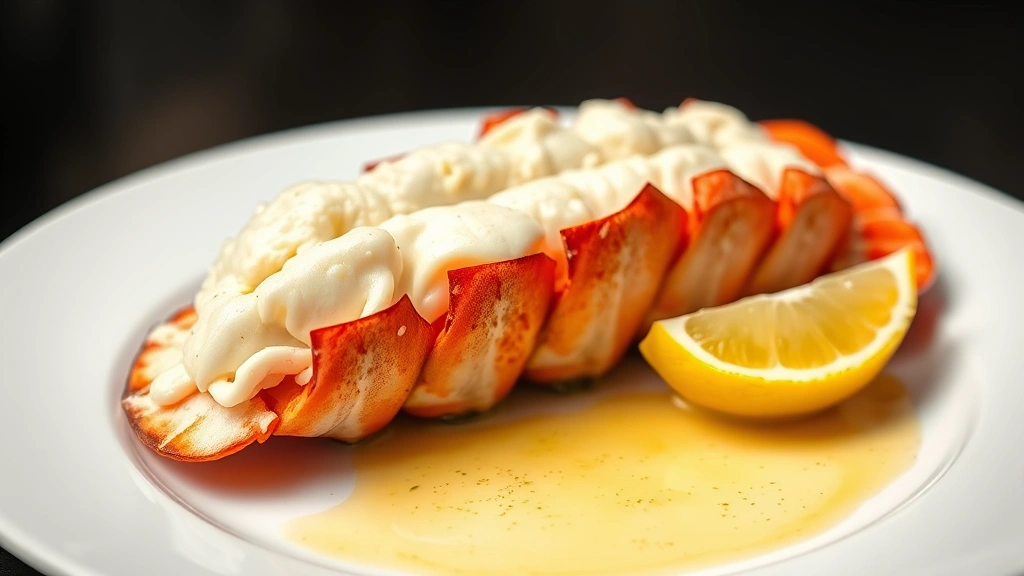
Learning how to boil lobster tails is one of those kitchen skills that sounds fancy but is honestly dead simple once you know the basics. I’ve cooked hundreds of lobster tails over the years, and I’m going to walk you through exactly what works, what doesn’t, and how to nail it every single time without overthinking it.
Table of Contents
Choosing Your Lobster Tails
Start with quality tails, and you’re already halfway there. Fresh is always better than frozen, but frozen works fine if that’s what you’ve got. Look for tails that are firm and smell like the ocean, not fishy or ammonia-like. Size matters here—most grocery stores carry tails ranging from 4 ounces to 12 ounces. Smaller tails (4-6 ounces) cook faster and are perfect for a quick weeknight dinner, while larger ones (8-12 ounces) give you more meat and look impressive on the plate.
If your tails are frozen, thaw them in the refrigerator overnight or run cold water over them for about 30 minutes. Never use hot water—it’ll start cooking the outside before the inside thaws. You want them completely thawed and at room temperature before boiling for even cooking throughout.
Prep Work Matters
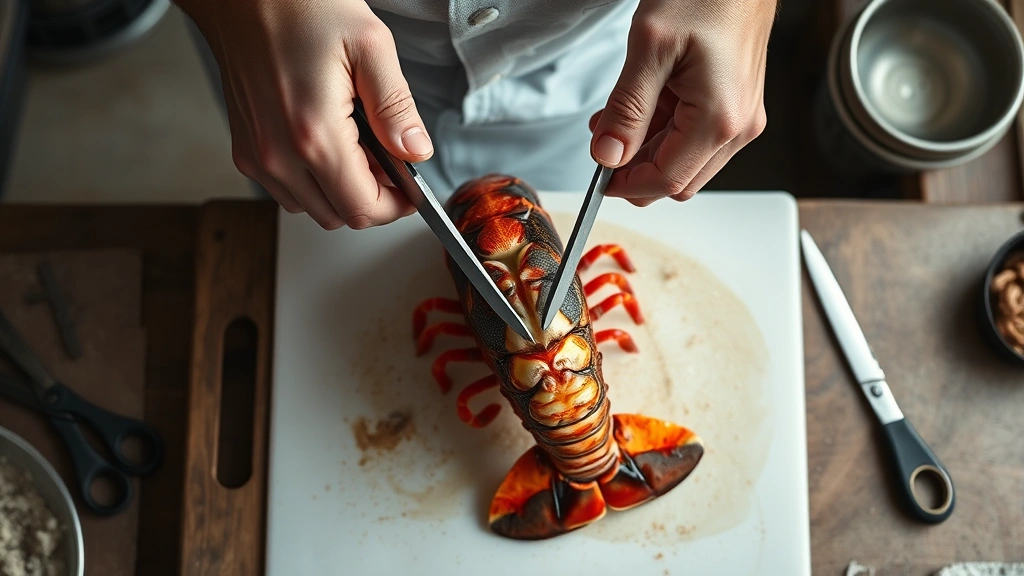
This is where most people skip steps and regret it. Pat your lobster tails dry with paper towels. Moisture on the surface creates steam instead of a nice boil, and you want that rolling boil going. While you’re at it, use kitchen shears to cut a lengthwise slit down the top shell of each tail. This helps the heat penetrate faster and makes it easier to pull the meat out when it’s done. Don’t go all the way through to the bottom shell—just cut through the top layer.
Some folks like to butterfly the tails completely, splitting them open so they lay flat. This is optional but does speed up cooking by a minute or two. If you go this route, be gentle—you’re not trying to destroy the tail, just open it up for better heat distribution.
Water and Salt Ratio
Fill a large pot with water—you need enough so the tails can move around freely, not get crowded. A good rule is about 1 quart of water per 2 lobster tails. Now here’s the critical part: salt. Use sea salt or kosher salt, about 1/4 cup per gallon of water. This mimics the ocean environment and seasons the meat from the inside out. Don’t skip this step thinking you’ll season it later. The salt in the boiling water is what makes the difference between bland and delicious.
Bring that water to a hard, rolling boil before you add anything. You want to see vigorous bubbling across the entire surface. This ensures consistent cooking and prevents the tails from sticking to the bottom of the pot.
The Boiling Process
Once your water is at a rolling boil, carefully add the lobster tails. If you’re cooking multiple tails, add them one at a time so the water temperature doesn’t drop. Keep the heat high and maintain that rolling boil throughout cooking. The water should keep boiling vigorously the entire time—no simmering, no gentle cooking. This is important because it ensures the meat cooks evenly and stays tender.
Set your timer immediately when you add the last tail. Don’t rely on memory or guessing. Timing is everything with lobster, and being off by even a minute can mean the difference between perfect and rubbery. Reduce the heat slightly if the water starts boiling over, but keep it at a vigorous boil otherwise.
Timing Guide by Size
This is the cheat sheet you’ll want to bookmark. For 4-ounce tails, boil for 3-4 minutes. For 6-ounce tails, go 5-6 minutes. For 8-ounce tails, aim for 7-8 minutes. For 10-ounce tails, boil 9-10 minutes. For 12-ounce tails, you’re looking at 11-12 minutes. These times assume you’re starting with thawed tails in already-boiling water. If you add frozen tails, add 2-3 minutes to the total time, though I really recommend thawing first for more consistent results.
The thickness of the tail matters more than the weight sometimes. A thick, meaty tail needs more time than a thin one of the same weight. If you’re unsure, go with the shorter time and check for doneness. You can always cook a bit longer, but you can’t uncook it.
Testing for Doneness
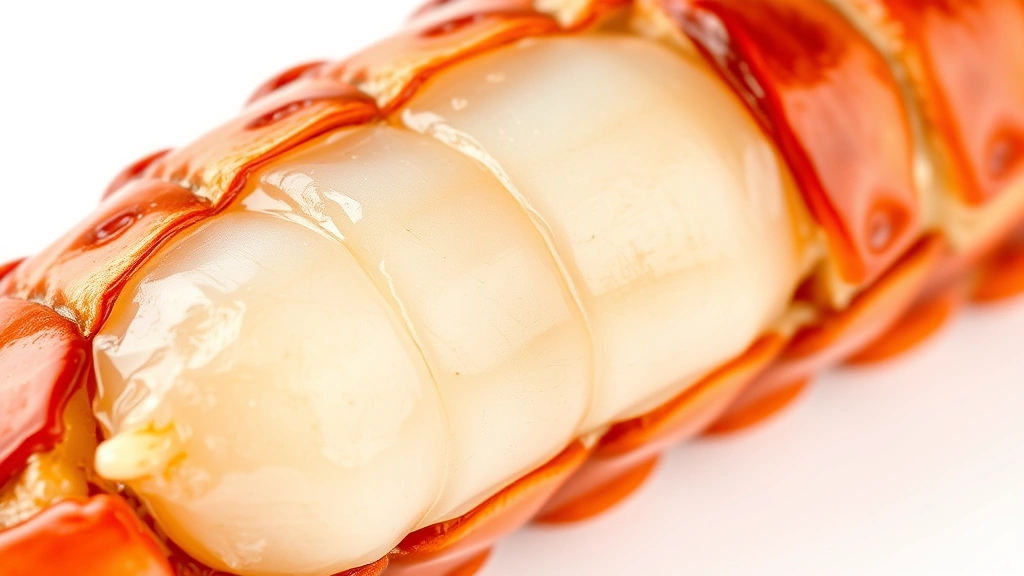
The meat should be opaque white throughout with no translucent spots. The easiest way to check is to pull the tail out with tongs and let it cool for 30 seconds, then carefully peel back some of the shell or make a small cut in the thickest part. The meat inside should be white and firm, not gray or mushy. If it’s still slightly translucent in the center, drop it back in for another minute.
Another trick: the shell should turn bright red or orange-red when fully cooked. This is a good visual indicator, but don’t rely on color alone—check the meat itself. Sometimes the shell color changes faster than the meat cooks through, especially with thicker tails.
Finishing Touches
Remove the tails with tongs and place them on a clean cutting board or plate. Let them rest for 2-3 minutes—this stops the carryover cooking and makes them easier to handle. While they’re resting, prepare your butter sauce. Melt butter in a small saucepan with a squeeze of fresh lemon juice, minced garlic, and a pinch of salt and pepper. Keep it warm but don’t let it boil.
Crack open the shell along that slit you made earlier and pull the meat out in one piece if possible. Arrange it on the shell or on a serving plate, drizzle with that butter sauce, and finish with a sprinkle of fresh parsley or chives. This is when you can also season with additional salt, pepper, Old Bay seasoning, or whatever you like. The beauty of boiling is you’re starting with perfectly cooked meat—now you just make it taste like you.
Common Mistakes to Avoid
Overcrowding the pot is mistake number one. If you’re cooking multiple tails, they need room to move around. Crowding them drops the water temperature and causes uneven cooking. Work in batches if you have to. It takes an extra five minutes but saves you from ruined dinner.
Undersalting the water is mistake number two. I see people use barely a pinch of salt and wonder why their lobster tastes bland. Use the amount I mentioned—your taste buds will thank you. You can’t fix undersalted meat after it’s cooked.
Cooking from frozen without thawing is mistake number three. Yes, it’s possible, but the outside cooks before the inside thaws, leaving you with rubbery edges and cold centers. Thaw properly and your results improve dramatically. Similar to how timing is crucial when steaming asparagus, precision matters with lobster.
Not maintaining a rolling boil is mistake number four. Some people think gentle heat is more delicate. Wrong. A vigorous boil cooks the meat evenly and quickly. Gentle simmering leads to tough, stringy meat. Keep that heat up.
Storage and Leftovers
Cooked lobster tails keep in the refrigerator for 3-4 days in an airtight container. Store them in the shell if possible—it keeps the meat moist. You can reheat them gently in a pot of simmering water for 1-2 minutes, or place them on a baking sheet and warm them in a 350°F oven for about 5 minutes. Don’t microwave them unless you want rubbery meat.
Lobster meat also freezes well for up to 2 months. Remove it from the shell, pat it dry, and freeze it in an airtight freezer bag or container. Thaw it in the refrigerator before reheating. Cooked lobster meat is perfect for salads, pasta, Dutch oven dishes, or even lobster rolls. Don’t waste any of that good protein.
Frequently Asked Questions
Can I boil frozen lobster tails without thawing?
Technically yes, but I don’t recommend it. Frozen tails need about 50% longer cooking time, and the outside tends to cook before the inside thaws properly. Thaw them overnight in the fridge or under cold running water for 30 minutes. It’s a small extra step that makes a big difference in quality.
Why is my lobster meat tough and rubbery?
Overcooking is the main culprit. Even 30 seconds too long can push it from perfect to tough. Use the timing guide I provided and check doneness early. Also, make sure you’re maintaining a rolling boil—gentle heat can also create tough meat. And always start with properly thawed tails at room temperature.
What’s the difference between boiling and steaming lobster tails?
Boiling is faster and more forgiving for beginners. Steaming takes about 50% longer but some people say it’s more tender. Both work fine. Boiling is my go-to because it’s quicker and the salt in the water seasons the meat. If you’re doing steaming techniques for vegetables, you already have the basic concept down for steaming lobster too.
Do I need to remove the black vein in lobster tails?
The black line running down the center is the digestive tract. It’s safe to eat, but some people find it unappetizing. If you want to remove it, split the tail lengthwise and pull it out with a small knife before cooking. It’s optional—not a food safety issue either way.
Can I cook lobster tails in salted butter instead of water?
You can, but boiling in salted water is more reliable and uses less butter. Butter boiling is more of a poaching method and requires more careful temperature control. Stick with salted water for consistent results, then finish with butter sauce after.
How do I know what size lobster tail to buy?
For a main course, plan on one 8-ounce tail per person, or two 4-ounce tails if you want something lighter. Larger tails (10-12 ounces) are impressive but pricier. Smaller tails cook faster and are great for weeknight dinners. Check the per-pound price and buy what fits your budget and appetite.
Is it better to buy live lobsters or just the tails?
Tails are convenient and cook faster. Live lobsters give you the whole experience and you get the body for stock, but they’re more intimidating for beginners. For this guide, we’re focusing on tails, which are the easiest entry point into lobster cooking. Once you master tails, whole lobsters are just a natural next step.
Wrapping It Up
Boiling lobster tails is genuinely one of the easiest ways to cook restaurant-quality seafood at home. You need boiling water, salt, a timer, and about 10 minutes of your time. The key is not overthinking it—use properly thawed tails, maintain a rolling boil, salt your water generously, and time it right. That’s it. You’ll have perfectly cooked, tender meat that tastes like you spent hours in the kitchen when really you spent 15 minutes total.
Start with smaller tails if you’re nervous. They cook faster and give you quicker feedback on whether you’re doing it right. Once you nail the technique, scale up to larger tails or cook multiple at once. Make a butter sauce, add some lemon, maybe throw together a simple side dish, and you’ve got a meal that impresses without the stress. That’s the whole point of mastering a technique like this—it should make your life easier, not harder. Now get in that kitchen and boil some lobster.


