
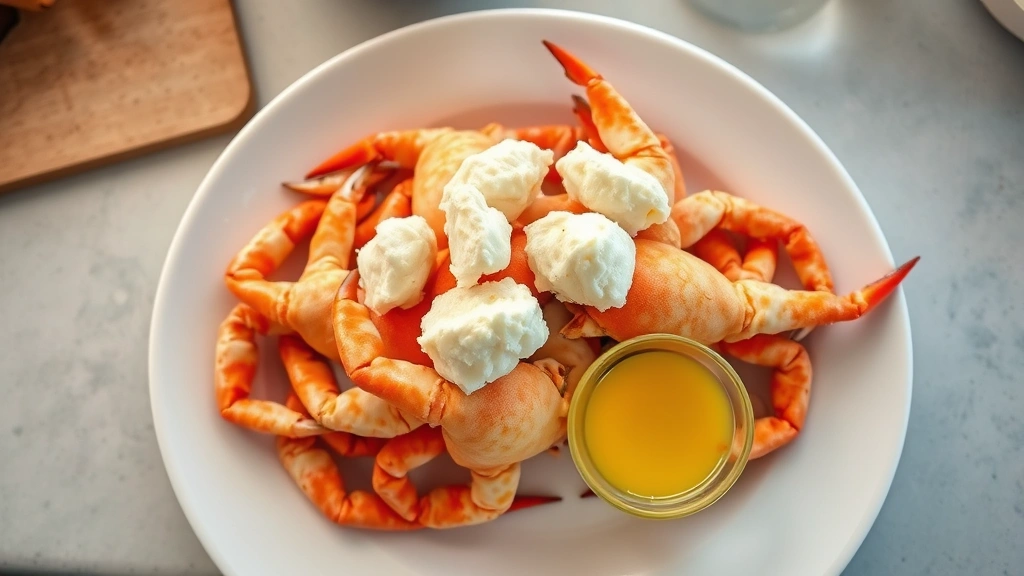
Learning how to boil crab legs is one of those kitchen skills that seems intimidating until you actually do it—then you realize it’s dead simple. Whether you’re prepping dinner for a special occasion or just craving some sweet, tender crab meat, boiling is the most straightforward method to get restaurant-quality results at home. No fancy equipment needed, just a pot, water, salt, and about 20 minutes of your time.
Table of Contents
Choosing Fresh Crab Legs
Before you even think about boiling, you need to start with quality crab legs. Hit up your local seafood counter and look for legs that feel heavy for their size—that weight means they’re packed with meat, not just shell and air. Fresh crab legs should smell like the ocean, not fishy or ammonia-like. If you’re buying frozen (which is totally fine), check that the package has no ice crystals or freezer burn.
You’ve got a few options: king crab legs are massive and meaty, snow crab legs are smaller and more delicate, and blue crab claws are budget-friendly. Each type boils beautifully, though cooking times vary slightly. King crab legs are the showstopper, but snow crab offers better value if you’re feeding a crowd. Pro tip: ask the fishmonger when they received their shipment—the fresher, the better.
Prep Work Matters
Don’t skip the rinse. Run your crab legs under cold water and gently rub them with your fingers to remove any debris or loose shell fragments. If they’re frozen, you can thaw them overnight in the fridge or use the cold water method (submerge in a bowl and change water every 30 minutes). Thawing helps them cook more evenly, though you can boil them straight from frozen if you’re short on time—just add a few extra minutes to the cooking time.
Some folks soak their crab legs in fresh water for 15 minutes before boiling to remove excess salt from commercial processing. This is optional but can help if you prefer a less salty final product. Pat them dry with paper towels before they hit the pot.
Getting Water and Salt Right
This is where most home cooks go wrong. Fill a large pot with enough water to cover the crab legs by about an inch—typically 3 to 4 quarts for a standard 5-quart pot. The water should taste like the ocean, not a salt lick. Add sea salt at a ratio of roughly 1/4 cup per gallon of water. If you’re using table salt, go slightly lighter since it’s denser and saltier per tablespoon.
Some recipes call for adding Old Bay seasoning, beer, or vinegar to the water. These additions are flavor boosters, not requirements. If you’re new to this, stick with salt and water first—you want to taste the natural sweetness of the crab, not mask it. You can always get fancy once you’ve nailed the basics. Bring the water to a rolling boil before adding your crab legs; this ensures they cook evenly and quickly.
The Boiling Process
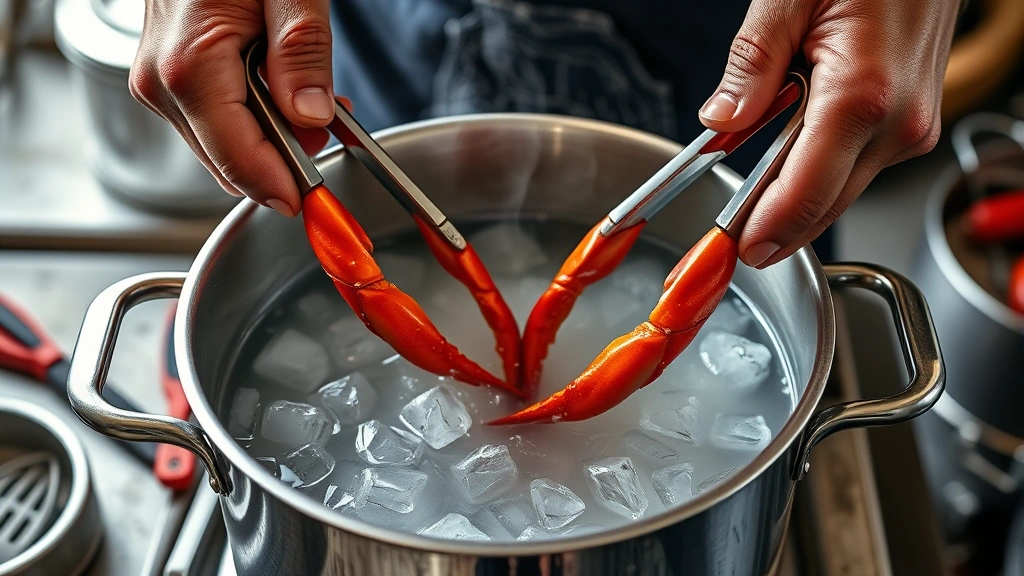
Once your salted water is at a full boil, carefully lower the crab legs into the pot. Use tongs to avoid splashing and to keep them submerged. The water will stop boiling temporarily—that’s normal. Let it come back to a boil, then reduce the heat to maintain a gentle, steady boil. A rolling boil is good; a violent, angry boil can damage the meat and make it tough.
Keep the pot uncovered so you can monitor the legs. They should move slightly in the water, not bounce around like popcorn. If you’re boiling a mix of sizes, separate them into groups and stagger the timing—smaller legs cook faster than massive king crab legs. This prevents overcooking the delicate pieces while waiting for the big ones to finish.
Timing and Doneness
Cooking time depends on the size and whether they’re fresh or frozen. As a general rule: snow crab legs take 4 to 5 minutes from a fresh start, king crab legs need 6 to 8 minutes, and blue crab claws need 3 to 4 minutes. If boiling from frozen, add 50% more time. Start checking a minute or two before your estimated time is up—overcooked crab becomes rubbery and loses its sweet flavor.
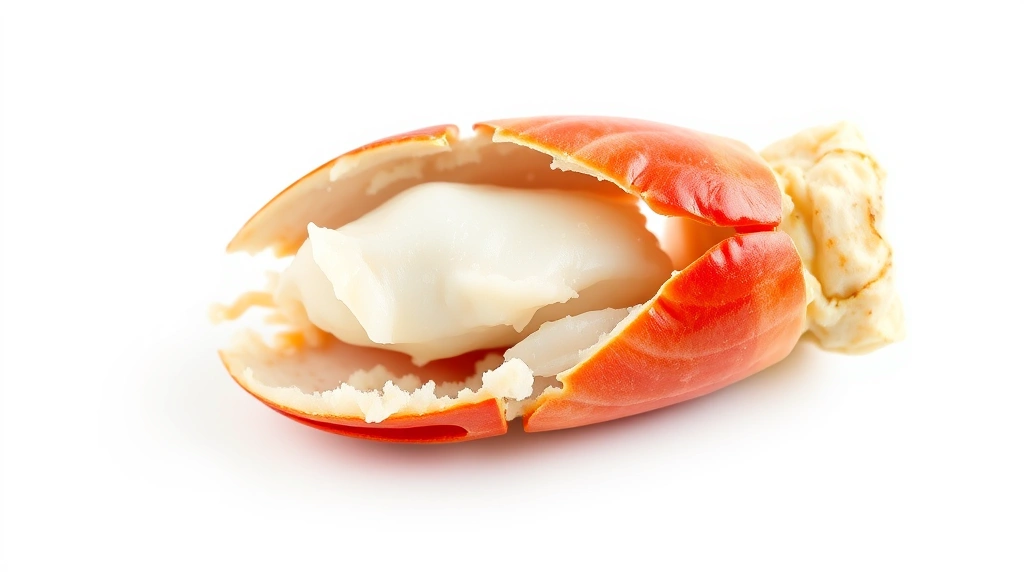
The legs are done when the shell turns a bright orange-red (if they’re not already red) and the meat pulls away cleanly from the shell when you test it. If you’re unsure, pull one leg out, crack it open, and taste a small piece. It should be opaque and tender, never translucent or mushy. Once they’re done, remove them immediately with tongs and transfer to a colander to drain.
Cooling and Handling
Hot crab legs are delicate, so let them cool for a few minutes before cracking into them. This also makes them easier to handle without burning your fingers. Some people ice-bath them for a minute to stop the cooking process completely—this is especially useful if you’re not eating them right away or want to serve them chilled.
If you’re serving them warm, keep them in a warm spot but don’t let them sit in hot water or a warm oven for too long. The residual heat will continue cooking the meat, making it tough. A good rule: eat them within 30 minutes of boiling for the best texture and flavor.
Serving Your Crab Legs
Crack the legs lengthwise with a seafood cracker or the side of a chef’s knife to make extraction easier. Serve with melted butter (clarified butter is traditional, but any melted butter works), lemon wedges, and cocktail sauce or mignonette if you like. Some people enjoy their crab legs with garlic butter or a simple squeeze of fresh lemon—experiment and find your favorite.
Set out small bowls for shells and provide napkins or bibs if you’re eating casually. Crab legs are a bit messy, and that’s part of the fun. Pair them with a crisp white wine, cold beer, or a simple salad. If you’re looking for other seafood sides, check out our guide on how to tell if a pineapple is ripe for fresh fruit pairings, or explore our bubble tea recipes for a fun beverage option.
Storage and Leftovers
Cooked crab legs keep in the fridge for 3 to 4 days in an airtight container. Reheat them gently—either by steaming for 3 to 4 minutes or by submerging in boiling water for 2 to 3 minutes. Avoid the microwave, which can dry them out and make them rubbery. You can also eat leftover crab legs cold, straight from the fridge, which is honestly delicious.
Freezing cooked crab legs is possible but not ideal; the texture suffers slightly when thawed. If you must freeze them, wrap them tightly in plastic wrap and foil, and use them within a month. For best results, eat them fresh or refrigerate for short-term storage. Leftover crab meat (picked from the shell) works great in pasta, salads, or crab cakes.
Common Mistakes to Avoid
The biggest mistake is overcooking. Crab legs cook fast, and even an extra minute or two can push them from perfect to rubbery. Set a timer and check early. Another common error is using water that’s not salty enough—bland crab meat is a tragedy. Taste your water before adding the legs; it should taste pleasantly salty, like a light ocean breeze.
Don’t skip the thawing step if you’re using frozen legs and have time. Thawed legs cook more evenly and taste slightly better. Avoid letting cooked crab legs sit in the hot water after they’re done—remove them immediately. And never, ever boil crab legs in plain water without salt; you’ll leach flavor right out of them. For other kitchen prep techniques, see our article on how to turn off the water to the house for emergency situations, or check out our buckwheat bread recipe for a complete meal idea.
Frequently Asked Questions
Can I boil crab legs in a steamer instead of boiling them?
Absolutely. Steaming takes about the same time as boiling and produces equally tender crab legs. Some people prefer steaming because it’s slightly less likely to result in waterlogged meat. Fill the steamer pot with about 2 inches of salted water, bring to a boil, and steam the legs in a basket above the water for 5 to 7 minutes depending on size.
What’s the difference between boiling and steaming crab legs?
Boiling is faster and more straightforward for most home cooks. Steaming is gentler and may produce slightly more tender meat, but requires a steamer basket. Both methods work perfectly fine. Boiling is great for large quantities; steaming is ideal for smaller portions.
How do I know if crab legs are cooked all the way through?
The shell turns bright orange-red (or stays red if already red), and the meat pulls away cleanly from the shell. Crack one open and taste a small piece—it should be opaque, white or translucent-white, and tender. If it’s still translucent or mushy, it’s overcooked.
Can I add anything to the boiling water for extra flavor?
Yes. Old Bay seasoning, beer, vinegar, lemon, or garlic all work. Start with about 2 tablespoons of Old Bay or 1 cup of beer per gallon of water. Avoid anything too acidic, which can toughen the meat. Experiment once you’ve mastered the basic method.
How long do boiled crab legs last in the fridge?
Cooked crab legs keep for 3 to 4 days in an airtight container. Store them as soon as they cool to room temperature. Always check for off smells or slimy texture before eating leftovers.
Is it better to buy fresh or frozen crab legs?
Both are excellent. Frozen crab legs are often flash-frozen immediately after harvest, locking in freshness. Fresh legs from the seafood counter are great if they were caught recently. Check the date and smell—either way, you’ll get delicious results. Frozen is often more affordable and available year-round.


