
Learning how to bleach white shirts properly is one of those skills that separates people who wear dingy grays from those who rock brilliant whites. Whether you’re dealing with stubborn coffee stains, mysterious marks, or just want to restore that crisp brightness your favorite shirt had on day one, bleaching is your secret weapon—but only if you do it right.
Table of Contents
Choose the Right Bleach Type
Not all bleach is created equal, and picking the wrong one can turn your white shirt yellow or leave it with chemical burns. You’ve got two main players in the bleach game: chlorine bleach and oxygen bleach.
Chlorine bleach (like Clorox) is the heavy hitter. It’s fast, aggressive, and incredibly effective at removing stains and brightening whites. But here’s the catch—it’s also harsh on fabrics and can weaken fibers over time. Use it only when you’re dealing with serious stains or heavily soiled garments. For delicate white shirts, especially those made from silk or linen, chlorine bleach is basically a no-go.
Oxygen bleach (like OxiClean) is the gentler cousin. It works slower than chlorine bleach but won’t damage your fabrics or cause yellowing. It’s perfect for regular maintenance bleaching and works great on most white shirt materials. If you’re not sure which route to take, oxygen bleach is your safer bet.
Prep Your Shirts Properly
Before you throw bleach at anything, take five minutes to prep. Check pockets—nothing worse than bleaching a wallet. Turn shirts inside out if you’re worried about uneven fading on the front. Look closely at the stain you’re targeting. Is it fresh or set in? Fresh stains respond better to immediate treatment, while older ones might need a longer soak.
Read the care label. I know, nobody likes reading tags, but a shirt labeled “do not bleach” means it. Synthetic blends sometimes have dyes that react badly to bleach. Fill your workspace with good lighting so you can actually see what you’re doing—harsh bathroom fluorescents won’t cut it when you’re trying to spot-treat a stain.
Spot Treatment Method
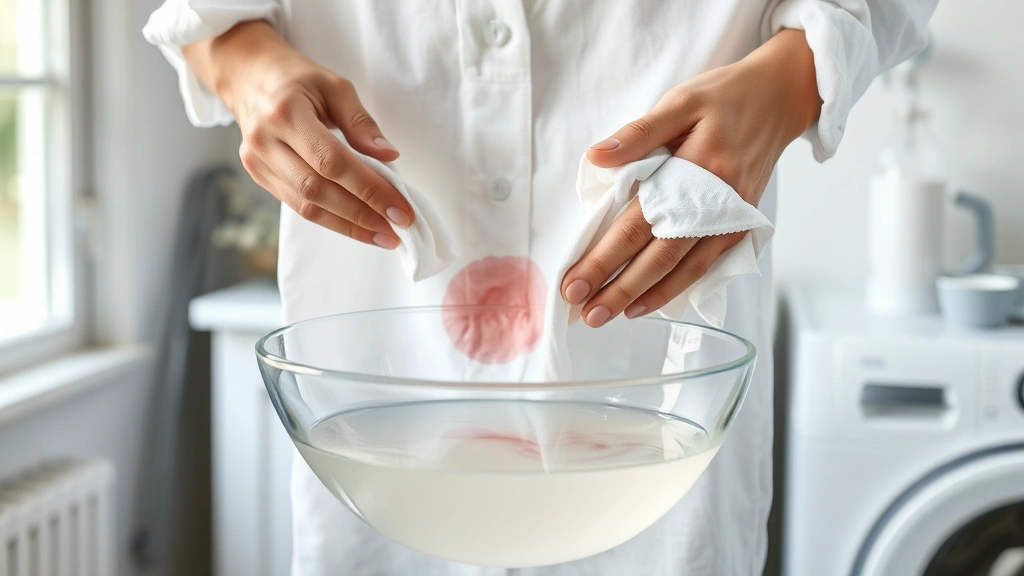
Got a single stain? Spot treatment is your fastest path to victory. Mix one part chlorine bleach with four parts water in a small bowl. Dip a white cloth into the solution and dab directly onto the stain. Don’t rub aggressively—that spreads the stain around. Work from the outside edges toward the center, using a gentle blotting motion.
Let it sit for 3-5 minutes, then check your progress. If the stain’s still hanging around, repeat the process. Once you’ve beaten it into submission, rinse the shirt thoroughly under cold running water to stop the bleaching action. The longer bleach sits, the more it can damage fibers, so don’t leave it overnight.
For oxygen bleach spot treatment, make a paste with the powder and a little water. Apply it directly to the stain and let it work for 10-15 minutes. This method is gentler and gives you more working time without worrying about fabric damage.
The Full Soak Method
When your white shirt needs overall brightening or has multiple stains scattered across it, soaking is the way to go. Fill a sink or bucket with cool water—hot water can set some stains, which is the opposite of what you want. Add your bleach according to package directions. For oxygen bleach, you typically use 1/2 cup per gallon of water. For chlorine bleach, use just 1/4 cup per gallon because it’s concentrated.
Submerge your shirt completely and let it soak. With oxygen bleach, you can safely leave it for 4-8 hours or even overnight. With chlorine bleach, keep it to 5-10 minutes maximum. Set a timer—seriously. Forgetting about a shirt soaking in chlorine bleach is how you end up with a destroyed favorite piece.
Stir the shirt occasionally to ensure even bleach distribution. After soaking, rinse multiple times in cool water until the water runs clear and you don’t smell bleach anymore. Any remaining bleach will continue working on your shirt and cause yellowing or weakening.
Washing Machine Bleaching
Your washing machine has a bleach dispenser for a reason. If your machine has one, use it—the dispenser automatically releases bleach at the right time during the cycle, which is safer for your clothes than dumping it in at the start.
Add your white shirt to the machine with other whites only. Don’t mix colors; bleach doesn’t discriminate between stains and dyes. Use your normal detergent and set the machine to a regular or delicate cycle depending on your shirt’s fabric. Add bleach to the dispenser according to the machine’s instructions—usually 3/4 cup for a standard load.
If your machine doesn’t have a dispenser, dilute the bleach in water first (1 part bleach to 4 parts water) and pour it in during the wash cycle, not before. Never pour undiluted bleach directly into the drum—concentrated bleach can create permanent marks on fabric.
Run the cycle and remove your shirt promptly when it finishes. Leaving wet bleached clothes sitting in the machine can cause mildew and uneven fading. For more guidance on tackling tough cleaning jobs, check out resources like Family Handyman, which covers detailed fabric care techniques.
Drying and Storage Tips
How you dry your shirt matters as much as how you bleach it. Air drying is always the safest option—hang it on a clothesline or lay it flat on a clean surface away from direct sunlight. Sunlight can actually cause yellowing on bleached whites, which seems backwards but it’s real.
If you’re using a dryer, use the lowest heat setting. High heat can weaken fibers that have been treated with bleach. Remove the shirt while it’s still slightly damp and lay it flat to finish drying. This prevents wrinkles and reduces stress on the fabric.
Store your bleached white shirts in a cool, dark place. Avoid plastic storage bins, which trap moisture and can cause yellowing. Use breathable fabric storage bags or just fold them in a drawer. Keep them away from direct sunlight and heat sources.
Avoid These Common Mistakes
The most common mistake is using too much bleach. More bleach doesn’t mean whiter shirts—it means weaker, yellowed, or damaged fabric. Stick to the recommended amounts and resist the urge to double down.
Don’t mix bleach with other chemicals. Combining chlorine bleach with ammonia-based cleaners creates toxic gas. If you’re using cleaning products on your shirt before bleaching, rinse thoroughly and let it dry completely first.
Leaving bleach on too long is another killer. Whether you’re soaking or spot-treating, set a timer and stick to it. Bleach continues working the longer it sits, eventually weakening the shirt’s fibers to the point where it tears easily.
Using hot water with bleach accelerates the damage. Stick with cool or lukewarm water. Hot water opens up the fabric’s fibers, allowing bleach to penetrate deeper and cause more harm.

Bleaching non-white shirts is obviously a no-go, but some people try it anyway hoping for magical results. Bleach will remove color from dyed fabrics, leaving you with a patchy, ruined shirt. Save bleaching for whites only.
For additional insights on maintaining quality garments, This Old House offers practical household maintenance advice that extends to clothing care.
Frequently Asked Questions
Can I bleach 100% cotton white shirts safely?
Yes, 100% cotton handles bleach well. It’s actually one of the most bleach-friendly fabrics. Just follow proper dilution ratios and timing, and your cotton shirts will stay bright white for years.
What’s the difference between bleach and whitener?
Bleach actually removes color and stains through a chemical process. Whiteners are optical brighteners that make whites appear brighter without removing anything. They’re gentler but less effective on actual stains.
How often can I bleach white shirts?
With oxygen bleach, you can bleach regularly—even every wash if needed. With chlorine bleach, limit it to once a month or less. Frequent chlorine bleaching will eventually weaken your shirts.
Will bleach remove yellow stains from old white shirts?
Sometimes. Fresh yellow stains from sweat or storage often respond well to oxygen bleach soaking. Permanent yellowing from age or previous chlorine damage usually won’t come out.
Is oxygen bleach or chlorine bleach better for white shirts?
For regular maintenance and most white shirts, oxygen bleach is better. It’s gentler and safer. Chlorine bleach is for heavy-duty stain removal when you need serious firepower. If you’re unsure, go with oxygen.
Can I use bleach on white shirts with colored patterns?
Absolutely not. Bleach will remove the colored dyes, leaving you with a ruined shirt. Bleach is only for solid white garments.
What should I do if bleach accidentally splashes on my shirt?
Rinse immediately with cool water. If it’s already dried, the damage is done. Fresh bleach splashes sometimes rinse out before they set permanently, so speed matters.
For more detailed information on household maintenance and care techniques, Bob Vila provides comprehensive guides on preserving quality items.
Final Thoughts
Mastering how to bleach white shirts isn’t rocket science, but it does require attention to detail and respect for the process. Start with oxygen bleach if you’re nervous, use proper dilution ratios, set timers, and resist the urge to over-bleach. Your favorite white shirts will stay bright, strong, and looking fresh for years to come. The key is consistency and patience—rushing the process is how you end up with damaged clothes.


