
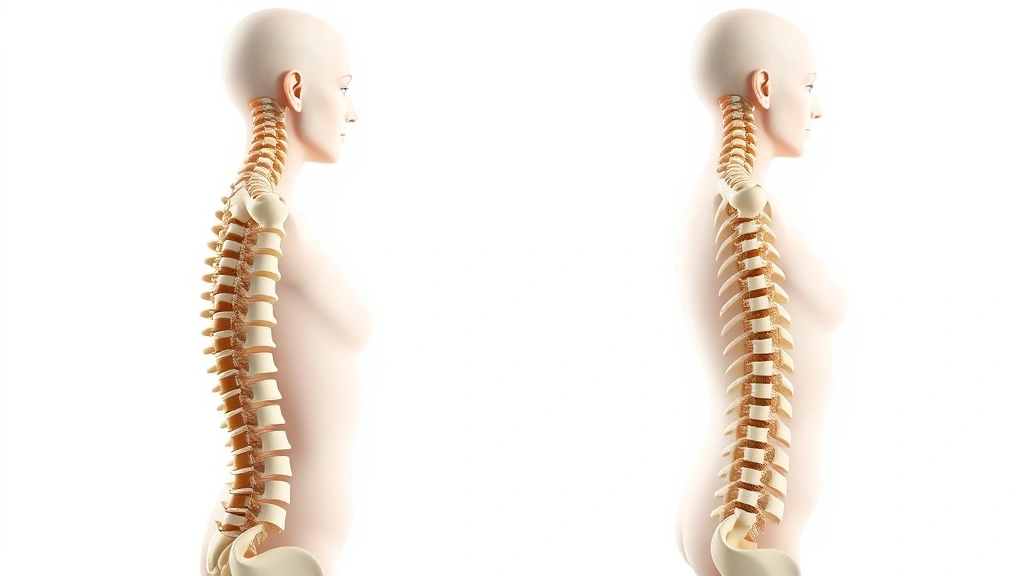
Learning how to become shorter might sound unusual, but it’s a legitimate concern for people dealing with back pain, posture issues, or those seeking practical height reduction for specific situations. Whether you’re looking to improve your physical comfort or adapt to certain environments, there are several evidence-based methods that can help you reduce your effective height or actual stature.
Table of Contents
Perfect Your Posture First
Your posture is the foundation for understanding how to become shorter. Most people don’t realize that poor posture actually makes you taller—slouching forward and hyperextending your spine can add inches to your perceived height. By correcting your posture, you’re not just improving your appearance; you’re physically reducing the space your spine occupies.
Start by standing against a wall with your heels about six inches away. Your head, shoulders, and buttocks should touch the wall naturally. This is your ideal posture baseline. When you maintain this alignment throughout the day, you’ll notice an immediate reduction in your effective height. The key is consistency—your body needs about three to four weeks to adapt to proper spinal alignment.
Practice the “chin tuck” exercise regularly. Pull your chin straight back without tilting your head up or down, creating a double-chin appearance momentarily. Hold for five seconds and release. This simple movement retrains your neck and upper spine to sit in their natural, shorter position rather than the extended posture most people default to.
Understanding Spinal Decompression
Your spine is like a spring system—it expands and contracts based on gravity, activity, and rest. Throughout the day, gravity compresses your spine, making you slightly shorter by evening than you are in the morning. Understanding this natural process is crucial for how to become shorter effectively.
Inversion therapy using an inversion table can help decompress your spine in reverse. By hanging upside down or at an angle for 15-20 minutes daily, you allow your vertebrae to settle into their most compressed state. This isn’t permanent reduction, but it retrains your spine’s baseline position. Always consult a healthcare provider before starting inversion therapy, especially if you have blood pressure concerns.
Swimming and water-based exercises are gentler alternatives. The buoyancy of water reduces gravitational stress on your spine, allowing vertebrae to settle naturally. Spend 30-45 minutes in the pool performing gentle stretches and movements. The effect compounds over weeks as your spinal discs adapt to this decompressed state.
Strategic Footwear Choices
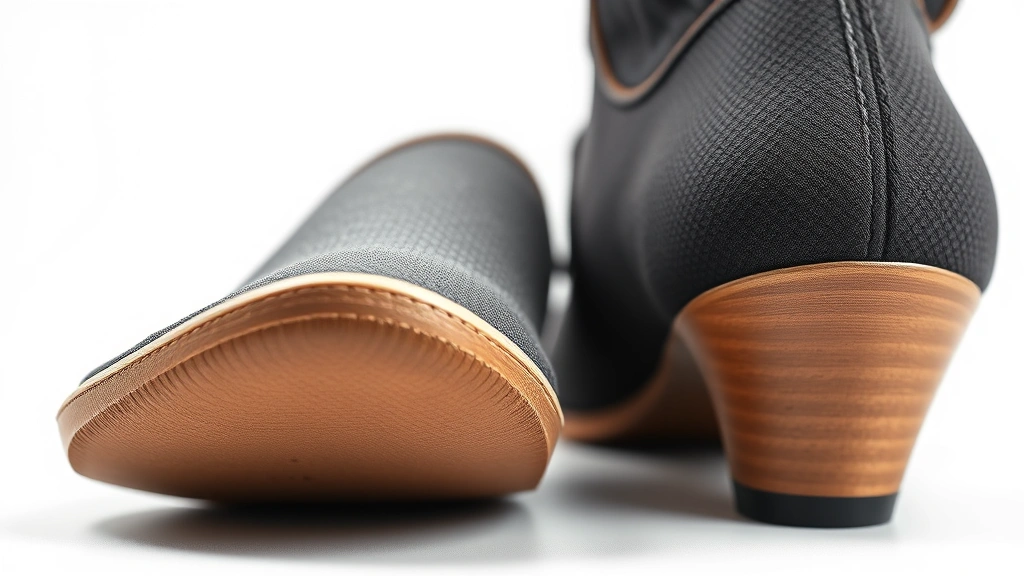
This is the most immediate and controllable method for how to become shorter. Heel height directly impacts your overall stature, and switching from elevated heels to flat shoes can reduce your height by one to three inches instantly.
Flat shoes, minimalist sneakers, and barefoot-style footwear are your allies. Brands offering zero-drop shoes maintain a completely flat sole from heel to toe, eliminating any height advantage. Compare this to standard athletic shoes with 10-12mm heel drops or dress shoes with 1-2 inch heels.
Insoles matter too. Remove any cushioned insoles that add height or compression-based support that elevates your heel. Replace them with thin, flat alternatives. Some people even go barefoot indoors to maximize height reduction, though this requires careful attention to foot health and floor safety.
Targeted Exercise Routines
Specific exercises can help you achieve how to become shorter by strengthening your core and encouraging proper spinal alignment. These routines work by building muscle memory for compressed posture.
The dead bug exercise is particularly effective. Lie on your back with arms extended toward the ceiling and knees bent at 90 degrees. Slowly extend your right arm overhead while straightening your left leg, then return to start. Alternate sides for 12-15 repetitions. This movement strengthens your deep core muscles that support spinal compression.
Planks are another essential exercise. Hold a forearm plank for 30-60 seconds, maintaining a neutral spine (not sagging or piking your hips). This builds the endurance needed to maintain compressed posture throughout your day. Perform three sets, three times weekly.

Cat-cow stretches also help. On hands and knees, alternate between arching your back (cow) and rounding your spine (cat). Each position should be held for 3-5 seconds. This mobilizes your entire spine and trains it toward the compressed position you’re aiming for.
Daily Lifestyle Adjustments
How to become shorter isn’t just about exercises—it’s about lifestyle integration. Your daily habits either support or undermine your height reduction goals.
Sleeping position matters significantly. Side sleeping is ideal for maintaining spinal compression. Back sleeping is acceptable, but stomach sleeping extends your spine and should be avoided. Use a pillow that keeps your neck neutral—not too high, not too flat. The goal is waking up in your most compressed state.
Sitting habits require attention too. Avoid chairs that tilt your pelvis backward or force your spine into extension. Instead, choose chairs with proper lumbar support that encourage your natural curves. Sit with your feet flat on the floor, knees at 90 degrees, and your screen at eye level. Take breaks every 30 minutes to stand and stretch.
Hydration and nutrition support spinal health. Proper hydration keeps your intervertebral discs plump and resilient. Foods rich in magnesium, calcium, and vitamin D support bone density and spinal health. This foundation ensures your height reduction efforts are sustainable and healthy.
Medical Considerations Matter
Before pursuing aggressive how to become shorter strategies, understand the medical landscape. Certain conditions like kyphosis or excessive lordosis might make height reduction medically necessary or contraindicated.
Consult a physical therapist or chiropractor who can assess your spinal health. They can identify any underlying issues and create a personalized plan. Some people have structural concerns that require professional guidance rather than self-directed approaches.
If you’re considering more dramatic measures, research shows that procedures have varying timelines for results, similar to how tretinoin takes time to show effects. Any medical intervention should be thoroughly researched and discussed with qualified professionals.
Back pain is often a motivator for height reduction. If you’re experiencing chronic pain, proper diagnosis is essential. Sometimes what feels like a height problem is actually a posture or muscle imbalance issue requiring specific treatment.
Clothing and Styling Tricks
While not permanent, clothing choices can visually reduce your apparent height, complementing your physical efforts to become shorter.
Horizontal stripes and patterns make you appear wider and shorter. Avoid long vertical lines that elongate your silhouette. Choose cropped pants and tops that break up your vertical line rather than extending it. Layering creates visual segments that reduce perceived height.
Color blocking with darker tones on top and lighter tones on bottom creates visual shortening. Avoid monochromatic outfits that emphasize your full height. Belts worn at your natural waist rather than high on your hips also create visual segments.
Hairstyles contribute too. Voluminous hair worn down adds height perception. Sleek, close styles or updos can reduce apparent stature. These styling techniques work synergistically with your physical height reduction efforts.
Measuring Your Progress
Tracking how to become shorter requires consistent measurement. Measure yourself at the same time each day—ideally in the morning after waking and after your morning routine but before any inversion therapy or stretching.
Use a stadiometer (height measuring device) or mark your height on a doorframe. Document weekly measurements in a notebook or spreadsheet. You should see gradual reductions of 0.5-1 inch per month as your body adapts to improved posture and spinal alignment.
Take progress photos from the side view monthly. These visual records often show improvements that the scale doesn’t capture. You’ll notice changes in your posture, how clothes fit, and your overall silhouette.
Track how you feel alongside measurements. Note changes in back pain, energy levels, and comfort. Often, the real benefit of height reduction through proper posture is improved physical wellbeing rather than the numerical difference.
Frequently Asked Questions
Can you permanently become shorter?
True permanent height reduction requires surgical intervention, which is rarely recommended and carries significant risks. However, you can achieve lasting reductions of 1-3 inches through consistent posture correction and spinal alignment. The key is maintaining these habits long-term, as your spine will revert to previous patterns if you stop.
How long does it take to see results?
Immediate results come from footwear changes—you can reduce your height by 1-3 inches instantly by switching to flat shoes. Posture-based reductions take 3-4 weeks to become noticeable as your body adapts. Spinal alignment changes compound over 2-3 months of consistent effort.
Is becoming shorter bad for your health?
When achieved through proper posture and spinal alignment, height reduction is actually beneficial. It often reduces back pain, improves breathing, and enhances overall posture quality. However, extreme measures or forcing unnatural positions can cause harm. Always prioritize proper alignment over aggressive reduction.
Do exercises really help you become shorter?
Yes, but indirectly. Exercises that strengthen your core and improve posture allow your spine to settle into a more compressed, natural position. They don’t shrink your bones, but they train your muscles to support a shorter, healthier spinal alignment.
What’s the fastest way to become shorter?
Footwear changes provide the fastest results—switching to flat shoes reduces height immediately. Combined with posture correction and inversion therapy, you can achieve noticeable reductions within 2-3 weeks. However, sustainable, healthy reduction takes consistent effort over months.
Final Thoughts
Learning how to become shorter is achievable through a combination of posture correction, strategic footwear choices, targeted exercises, and lifestyle adjustments. The most effective approach combines multiple methods: perfect your posture, choose flat footwear, perform spinal-supporting exercises, and maintain healthy daily habits. Results typically range from 1-3 inches of reduction, with the greatest benefits being improved physical comfort and reduced back pain. Remember that consistency matters more than intensity—sustainable habits create lasting change. Whether your motivation is health-related or practical, these proven methods work when applied consistently over time. Start with the easiest changes (footwear and posture) and build from there, allowing your body to adapt naturally to its new, shorter baseline.


