
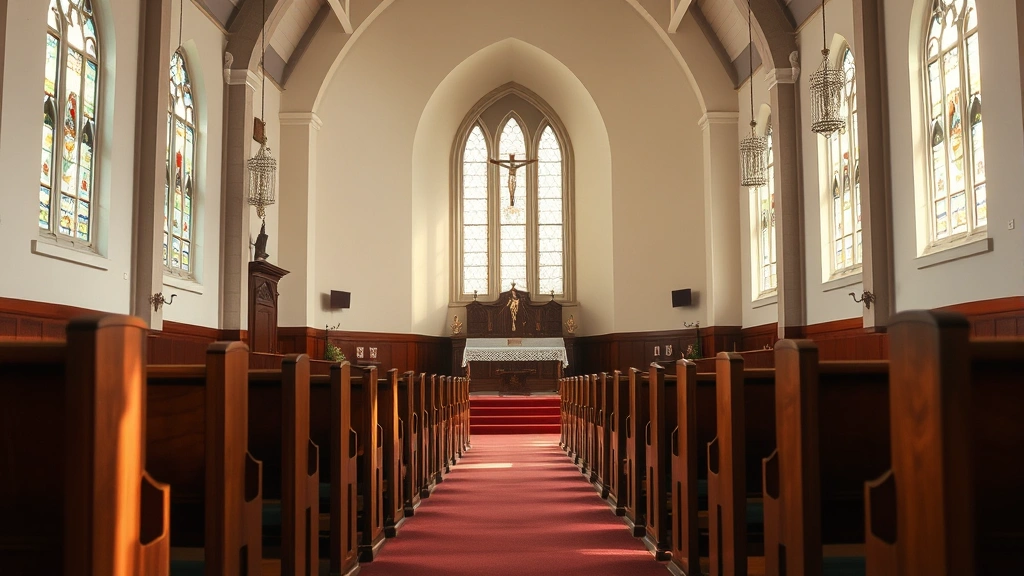
Learning how to become Catholic is a meaningful spiritual journey that welcomes people from all backgrounds into one of the world’s largest Christian communities. Whether you’re drawn to Catholic faith, culture, or tradition, the path to conversion is welcoming, structured, and deeply personal. This guide walks you through everything you need to know about joining the Catholic Church.
Table of Contents
Understanding Catholic Faith Basics
Before diving into the formal conversion process, take time to understand what Catholicism actually teaches. The Catholic Church is built on Scripture, Sacred Tradition, and the Magisterium (the Church’s teaching authority). Catholics believe in the Holy Trinity, the divinity of Jesus Christ, and the importance of the sacraments as channels of God’s grace.
Start by reading introductory Catholic materials. The U.S. Conference of Catholic Bishops offers excellent free resources online. Pick up a copy of the Catechism of the Catholic Church or a simplified version like “The Catholic Catechism” by John Hardon. Many people find it helpful to watch documentaries or listen to podcasts that explain Catholic theology in accessible ways.
Understanding core beliefs—like the role of Mary, the saints, the Eucharist, and papal authority—helps you make an informed decision. Don’t worry if everything doesn’t click immediately. Most people spend months or years gradually deepening their understanding, and that’s completely normal.
Finding Your Local Parish
Your journey begins with a specific parish community. A parish is your local Catholic Church family, and they’ll guide you through the entire conversion process. Use the Catholic Church directory or simply search “Catholic Church near me” to find options in your area.
Visit a few different parishes if you can. Attend Sunday Mass to get a feel for the community, the priest’s teaching style, and the overall atmosphere. Talk to parishioners after Mass—most Catholics are genuinely welcoming to newcomers. Call the parish office and ask to speak with someone about becoming Catholic. They’ll likely connect you with a staff member or volunteer who coordinates conversion inquiries.
Don’t stress about finding the “perfect” parish. What matters most is that you feel welcome and that the parish has an active RCIA program (more on that next). You can always visit other parishes later for special events or daily Mass.
What Is RCIA Program
RCIA stands for “Rite of Christian Initiation of Adults,” and it’s the Church’s official program for welcoming adults into the Catholic faith. This structured, supportive process typically runs from September through Easter, though some parishes offer multiple sessions throughout the year.
The RCIA program is divided into distinct stages: the “Inquiry” phase (learning about faith), “Catechumenate” (deeper study and spiritual formation), “Purification and Enlightenment” (final preparation), and “Sacraments of Initiation” (Baptism, Confirmation, and Eucharist). Each stage has its own focus and rituals, creating a gradual, intentional path forward.
You’ll attend weekly sessions—usually 1-2 hours—with a small group of other inquirers and catechumens (people preparing for baptism). A trained catechist (teacher) leads discussions about Scripture, Catholic teaching, and the spiritual life. You’ll also have a sponsor—a practicing Catholic who walks alongside you, answers questions, and provides friendship and guidance throughout the process.
Preparation and Requirements
There are surprisingly few hard requirements for becoming Catholic. You don’t need to be perfect, wealthy, educated, or from a Catholic family. The Church asks that you:
Have genuine faith: You should believe in Jesus Christ and want to follow Him in the Catholic tradition. This doesn’t mean you have all your doubts resolved—faith is a journey.
Intend to live as a Catholic: You’re committing to following Church teachings, particularly regarding the sacraments and moral life. The Church understands you’re human and will struggle, but your intention matters.
Be free to marry (if applicable): If you’ve been divorced, the Church has an annulment process that determines whether a previous marriage was valid. This is more common than you’d think, and it’s handled compassionately.
Have basic knowledge: By the end of RCIA, you should understand the core beliefs and what it means to be Catholic. The program teaches this—you’re not expected to know it beforehand.
Many parishes ask for a small donation to cover RCIA materials, but cost should never prevent you from participating. Talk to your parish if finances are a concern.
The Three Sacraments
The culmination of your conversion comes through three sacraments, usually celebrated together at the Easter Vigil (the night before Easter Sunday). These sacraments are the formal entrance into the Church.
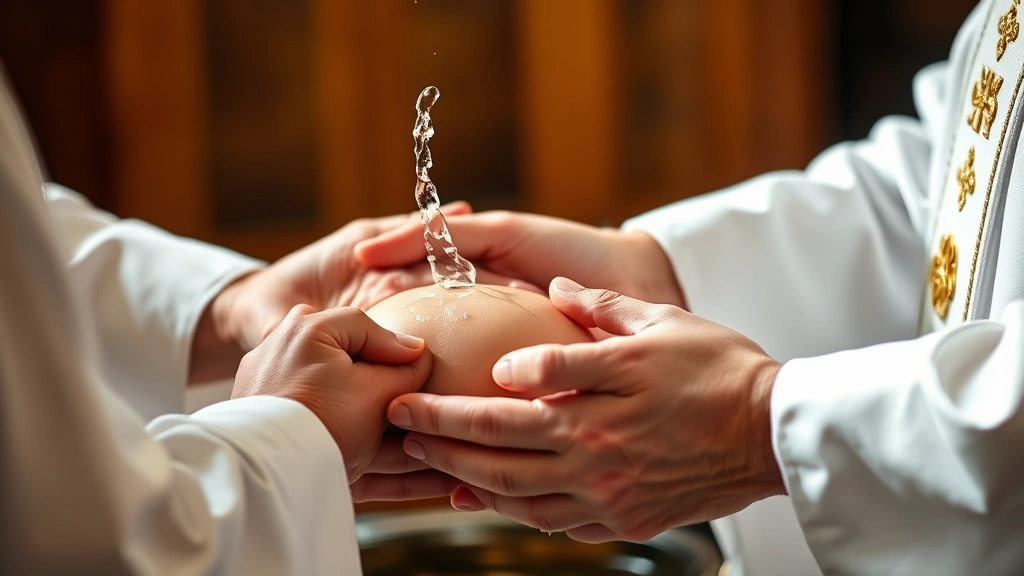
Baptism: If you haven’t been baptized, you’ll receive Baptism. Water is poured over your head (or you’re immersed) as the priest says the words, “I baptize you in the name of the Father, and of the Son, and of the Holy Spirit.” This washes away original sin and makes you a Christian and member of the Church.
Confirmation: The bishop or priest anoints your forehead with sacred chrism oil, and you receive the Holy Spirit’s gifts in a special way. You’ll choose a Confirmation name—often a saint’s name—that represents your spiritual identity.
Eucharist: You receive Holy Communion for the first time, consuming the Body and Blood of Christ in the form of bread and wine. This is the sacrament you’ll receive regularly at every Mass afterward.
If you were baptized in another Christian denomination (like Protestant or Orthodox), you typically won’t be re-baptized. Instead, you’ll receive Confirmation and Eucharist. The Church recognizes that Baptism is valid across Christian traditions.
Confirmation and Full Communion
After receiving the sacraments at Easter Vigil, you’re fully initiated into the Catholic Church. You can now receive Communion at every Mass and participate fully in parish life. Your Confirmation name becomes part of your Catholic identity—you might use it for formal Church documents or simply as a personal spiritual marker.
Many parishes celebrate your initiation with a reception or party after the Easter Vigil Mass. This is a joyful moment, and your parish community often gathers to welcome you officially. It’s worth noting that becoming Catholic is a one-time event—once you’ve received the sacraments, you’re Catholic for life, even if you later leave the Church.
After initiation, you’re encouraged to continue learning and growing spiritually. Many parishes offer Bible studies, adult education classes, and spiritual direction. Think of RCIA as the beginning, not the end, of your Catholic journey. You might also consider becoming a sponsor for future RCIA participants—it’s a beautiful way to give back.
Life After Conversion
Your new life as a Catholic involves regular participation in the sacraments and community. Most Catholics attend Mass every Sunday (or Saturday evening), though the Church requires this only on Sundays and certain holy days. Daily Mass is also available at most parishes if you want deeper engagement.
You’ll be expected to follow Church teachings on morality and faith. This includes the Ten Commandments, the Beatitudes, and specific Church guidance on issues like contraception, divorce, and other matters. The Church recognizes that people struggle with these teachings, and confession (the sacrament of reconciliation) is available to help you stay spiritually healthy.
Consider finding a spiritual director—a priest or trained lay person who meets with you regularly to discuss your spiritual growth. This relationship, similar to how becoming a pilates instructor requires ongoing training and development, helps you deepen your faith intentionally. You might also join parish groups, volunteer in ministries, or participate in faith-sharing communities.

The financial commitment is minimal—most parishes ask for a voluntary weekly donation (often called “tithing”), but you contribute what you can. No one is turned away for lack of funds.
Frequently Asked Questions
How long does the conversion process take?
RCIA typically runs 6-8 months, from fall through Easter. However, some parishes offer accelerated programs or multiple start dates throughout the year. If you’re already baptized Christian, the process might be shorter. Individual circumstances vary, so ask your parish about their specific timeline.
What if I have doubts about Catholic teaching?
Doubts are normal and actually encouraged in RCIA. The program is designed to address questions and concerns openly. Your catechist and sponsor are there to help you work through difficult topics. Many Catholics continue wrestling with certain teachings even after conversion—faith is a living, dynamic process.
Do I need a sponsor, and how do I find one?
Yes, having a sponsor is essential. Your sponsor should be a practicing Catholic (someone who regularly attends Mass and lives by Church teachings). They’re usually someone from your parish, but they could also be a friend or family member who’s Catholic. If you don’t know anyone, your parish will help match you with a sponsor.
What happens if I was divorced?
If you’ve been divorced, you may need an annulment before you can marry in the Church again. An annulment is a Church declaration that a previous marriage wasn’t valid according to Church law. The process is handled through your diocese and usually takes several months. It’s separate from civil divorce and doesn’t affect your legal status.
Can I become Catholic if I’m married to a non-Catholic?
Absolutely. The Church welcomes interfaith marriages. You’ll need permission from the Church (called a “dispensation”), but this is routinely granted. Your spouse doesn’t need to convert, and you can raise children with Catholic values while respecting your spouse’s faith tradition.
What’s the difference between RCIA and just showing up to Mass?
You could theoretically attend Mass without formal conversion, but you wouldn’t be able to receive Communion or be considered Catholic. RCIA is the official, structured way to become Catholic. It provides education, community support, and the sacraments that make you fully initiated. It’s the difference between attending a workshop and actually completing a certification program.
Is there a cost to become Catholic?
Most parishes ask for a small donation to cover RCIA materials (usually $50-150), but this is flexible. Financial hardship should never prevent you from participating. Talk to your parish office about assistance if cost is a barrier.
Can I change my mind during RCIA?
Yes. RCIA is a discernment process, and it’s okay to realize Catholicism isn’t right for you. Many parishes actually encourage honest reflection. If you decide to continue, great. If you decide to step back, that’s also respected. There’s no judgment—the goal is authentic faith, not numbers.
Your Catholic Journey Begins
Learning how to become Catholic is less intimidating when you break it into manageable steps. Start by visiting a local parish, express interest in RCIA, and let the community guide you forward. The Church has welcomed converts for 2,000 years, and the process is designed to be accessible and supportive.
Your conversion is a personal decision rooted in faith, and the Catholic community—from your parish staff to your sponsor to fellow RCIA participants—will walk alongside you. Like any meaningful commitment, it requires time, openness, and genuine desire. But the result is membership in a global faith community, access to the sacraments, and a structured spiritual home.
Take the first step today. Call your nearest parish, ask about RCIA, and begin one of life’s most rewarding journeys. The Church is waiting to welcome you home.


