
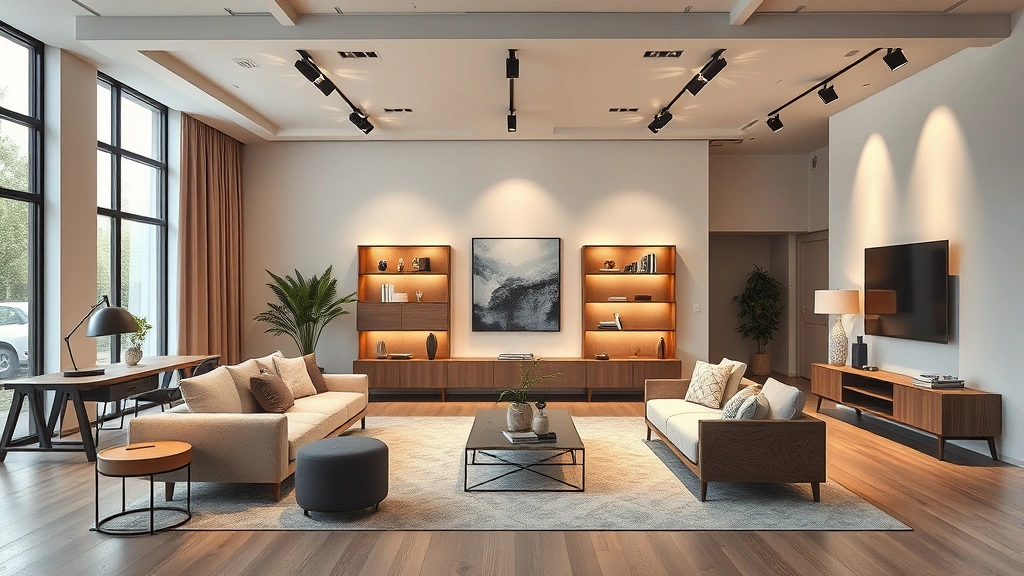
Learning how to become an interior designer is an achievable goal that combines creativity, technical skills, and business savvy. Whether you’re dreaming of transforming living rooms or landing a lucrative design firm position, there’s a clear pathway to make it happen. This guide walks you through the essential steps, from education and skill-building to launching your design career with confidence.
Table of Contents
Education & Formal Training
The foundation for becoming an interior designer typically starts with formal education. Most successful designers complete at least a bachelor’s degree in interior design, architecture, or a related field. These programs usually run four years and cover essential topics like color theory, spatial planning, building codes, and design history.
Community colleges offer two-year associate degrees that provide a more affordable entry point. While not always required, these credentials give you credibility with clients and employers. Look for programs accredited by the Council for Interior Design Accreditation (CIDA)—these meet industry standards and are recognized nationwide.
Beyond traditional degrees, online courses and certificate programs have become legitimate alternatives. Platforms like Coursera, Skillshare, and specialized design schools offer focused training in specific design niches, from residential to commercial spaces. The key is choosing programs that include hands-on projects and real-world application.
Develop Core Design Skills
Technical knowledge is just one piece of the puzzle. To truly excel at how to become an interior designer, you need to develop a sharp eye for aesthetics and spatial relationships. Start by studying design fundamentals: balance, proportion, emphasis, rhythm, and harmony. These principles apply to every project you’ll tackle.
Color theory is non-negotiable. Understanding how colors interact, evoke emotions, and create visual flow will set your work apart. Spend time analyzing interior design magazines, Pinterest boards, and real spaces. Notice how successful designers use color to define rooms and guide the eye.
Spatial planning and furniture arrangement require both creativity and practical thinking. Learn to visualize how people move through spaces, where natural light falls, and how different layouts affect functionality. This skill bridges the gap between beautiful design and livable spaces.
Build Your Design Portfolio
Your portfolio is your calling card—it’s what gets you hired. Start building it while you’re still in school or training. Include your best work, even if some pieces are student projects or volunteer redesigns. Quality trumps quantity; six stunning projects beat twenty mediocre ones.
Document every project thoroughly. Take professional photos of finished spaces with proper lighting and clean composition. Include before-and-after shots to show your transformation skills. Write brief descriptions explaining your design choices, the client’s needs, and how you solved specific challenges.
If you’re just starting out and don’t have client work yet, redesign your own space or volunteer to help friends and family. Offer discounted or free services to build real-world experience. These projects become portfolio pieces that demonstrate your ability to deliver results.
Consider creating a digital portfolio website. This gives potential clients and employers easy access to your work and makes you look professional. Include your design philosophy, services offered, and contact information. A well-organized digital presentation shows you understand modern communication tools.
Master Design Software & Tools
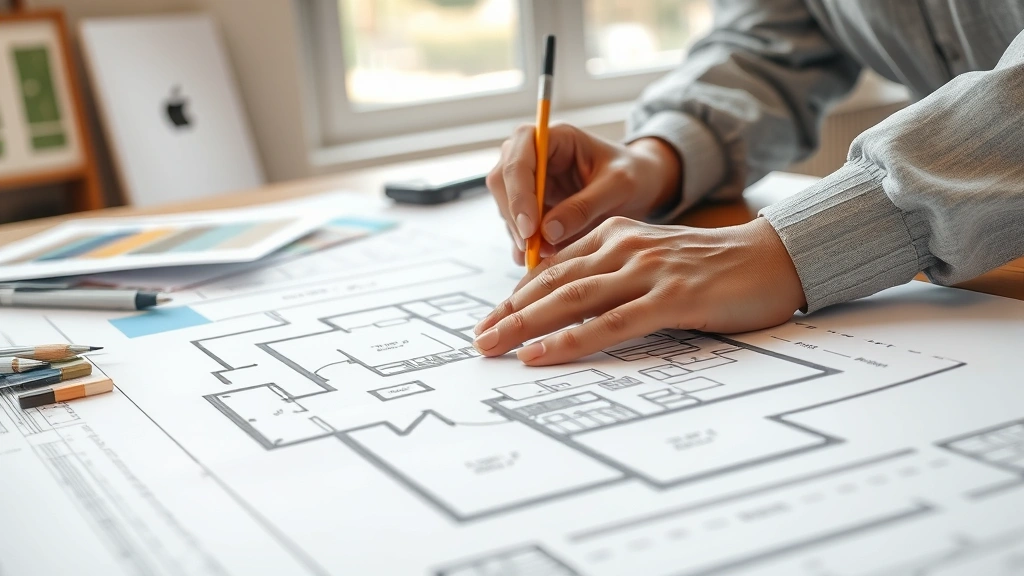
Modern interior designers must be proficient with design software. AutoCAD is the industry standard for floor plans and technical drawings. Learning to create accurate, professional-looking layouts is essential for communicating with contractors and clients.
SketchUp is another powerhouse tool that lets you create 3D visualizations. It’s more intuitive than AutoCAD and helps clients visualize your designs before implementation. Many designers use SketchUp for presentations and planning.
Adobe Creative Suite (Photoshop, InDesign, Illustrator) rounds out your toolkit. These programs help you create presentation boards, mood boards, and marketing materials. You don’t need to be a graphic designer, but proficiency with these tools elevates your professional image.
Rendering software like Lumion or V-Ray creates photorealistic visualizations that wow clients. These tools are particularly valuable for high-end residential and commercial projects. Start with free or trial versions to learn the basics before investing in full licenses.
Gain Real-World Experience
Internships and entry-level positions are invaluable. Working in a design firm, architecture office, or showroom teaches you how the industry actually operates. You’ll learn project management, client relations, vendor coordination, and the reality of bringing designs to life.
Seek internships during school or immediately after graduation. Even unpaid or low-paid positions build your resume and network. You’ll gain mentorship from experienced designers and exposure to diverse project types.
Consider starting as a junior designer or design assistant. These roles involve supporting senior designers, researching materials, creating presentations, and handling administrative tasks. It’s not glamorous, but you’re learning the business from the inside.
Don’t overlook showroom positions or sales roles in furniture and design stores. These jobs teach you about products, materials, and client interaction. Many successful designers started here and used the experience to launch independent practices.
Licensing & Professional Credentials
Interior design licensing varies by location. Some states require designers to be licensed before calling themselves “interior designers,” while others have minimal regulations. Research requirements in your area and plan accordingly.
The National Council for Interior Design Qualification (NCIDQ) offers the NCIDQ Examination, the gold standard credential. Passing this exam demonstrates professional competency and opens doors with high-end clients and design firms. Requirements typically include education and work experience before you’re eligible to test.
Professional memberships with organizations like the American Society of Interior Designers (ASID) enhance your credibility. These memberships provide continuing education, networking opportunities, and industry resources. They also signal to clients that you’re committed to professional standards.
Launch Your Design Business
Once you have experience and a solid portfolio, starting your own design business becomes realistic. Begin with a business plan that outlines your services, target market, pricing structure, and financial projections. This document guides your decisions and impresses potential investors or lenders.
Handle the legal side properly. Register your business, obtain necessary licenses and insurance, and set up accounting systems. Liability insurance is crucial—it protects you if a client claims damages from your design choices.
Start small and grow strategically. You might begin with residential design and expand into commercial work later. Or specialize in a niche like sustainable design, small-space living, or a specific aesthetic style. Specialization makes marketing easier and helps you stand out.
Pricing is critical. Research what other designers in your market charge. Develop a fee structure—hourly rates, flat project fees, or percentage-of-project-costs. Many designers combine methods depending on the project scope.
Build Your Network & Client Base
Your network is your net worth in the design business. Attend industry events, trade shows, and design conferences. Connect with architects, contractors, real estate agents, and other designers. These relationships generate referrals and collaborations.
Social media is a powerful marketing tool. Instagram and Pinterest are perfect for showcasing your work. Post regularly with behind-the-scenes content, before-and-afters, design tips, and project highlights. Engage with followers and use relevant hashtags to expand your reach.
Content marketing builds authority. Write blog posts about design trends, creative techniques, and design inspiration. Share your expertise freely—it positions you as a thought leader and attracts potential clients searching for design advice.

Ask satisfied clients for referrals and testimonials. Word-of-mouth is the best marketing. Offer incentives for referrals—discounts on future projects or small gifts. Make it easy for happy clients to recommend you.
Partner with complementary businesses. Build relationships with contractors, furniture makers, lighting specialists, and other vendors. These partnerships create referral networks and streamline your project execution.
Frequently Asked Questions
Do I need a degree to become an interior designer?
While a formal degree isn’t always legally required, it’s highly recommended. A degree provides structured education in design principles, building codes, and software. It also gives you credibility with clients and employers. However, some successful designers have built careers through self-teaching, apprenticeships, and portfolio development. The path depends on your location’s regulations and your target market.
How long does it take to become an interior designer?
A four-year bachelor’s degree takes four years, plus 2-3 years of work experience before you’re eligible for professional credentials. If you pursue an associate degree, that’s two years plus experience. Self-taught designers might take longer to build credibility but can start working sooner. Most designers spend 5-7 years before establishing themselves as professionals.
What’s the difference between interior design and interior decorating?
Interior designers handle structural and spatial planning, including building codes and safety requirements. Interior decorators focus on aesthetics—colors, furniture, accessories, and styling. Decorators don’t typically work with structural changes or building regulations. Designers have broader scope and typically command higher fees.
How much do interior designers make?
According to the Bureau of Labor Statistics, interior designers earn a median annual salary around $56,000-$60,000, with experienced designers and business owners earning significantly more. High-end residential and commercial designers can exceed $100,000+ annually. Income depends on location, experience, specialization, and business structure.
Can I become an interior designer online?
Yes, online education has become legitimate. Many accredited programs offer online or hybrid formats. However, hands-on experience is still crucial—you need real projects in your portfolio. Use online courses for foundational knowledge and software training, but supplement with internships or volunteer projects to gain practical experience.
What’s the best way to build a design portfolio?
Start with your best work, even if it’s student projects or volunteer redesigns. Include before-and-afters, professional photography, and descriptions of your design process. Aim for quality over quantity—6 excellent projects beat 20 mediocre ones. Update your portfolio regularly as you complete new work. Create both a digital website and a physical or PDF version for presentations.
Which design software should I learn first?
Start with SketchUp—it’s intuitive and widely used for 3D visualization. Then learn AutoCAD for technical floor plans. Adobe Creative Suite comes next for presentations and marketing materials. Finally, explore rendering software like Lumion if you want photorealistic visualizations. Master the basics of each before diving into advanced features.
Do I need a license to practice interior design?
Licensing requirements vary by location. Some states regulate interior design strictly, while others have minimal requirements. Research your state or country’s regulations. The NCIDQ credential is the professional standard and opens doors even where licensing isn’t legally required. Check with your local interior design association for specific requirements.
Becoming an interior designer requires education, skill development, real-world experience, and strategic networking. Start with formal training or self-study in design fundamentals and software. Build a portfolio that showcases your best work through school projects, volunteer redesigns, and early client work. Gain practical experience through internships or entry-level positions in design firms. Develop proficiency with industry-standard software like AutoCAD, SketchUp, and Adobe Creative Suite. Pursue professional credentials like the NCIDQ exam to enhance your credibility. Finally, launch your business or advance within a firm by building strong client relationships and a reputation for quality work. The path takes time and dedication, but the rewards—creative fulfillment, financial success, and the satisfaction of transforming spaces—make it worthwhile.
For more insights on creative projects, check out resources like Family Handyman for DIY inspiration, This Old House for design and renovation expertise, and Bob Vila for professional guidance. You might also explore how creative techniques in other areas can inspire your design thinking, or learn about attention to detail in presentation which applies equally to design work. Even understanding professional documentation tools helps you present your work effectively to clients.


