
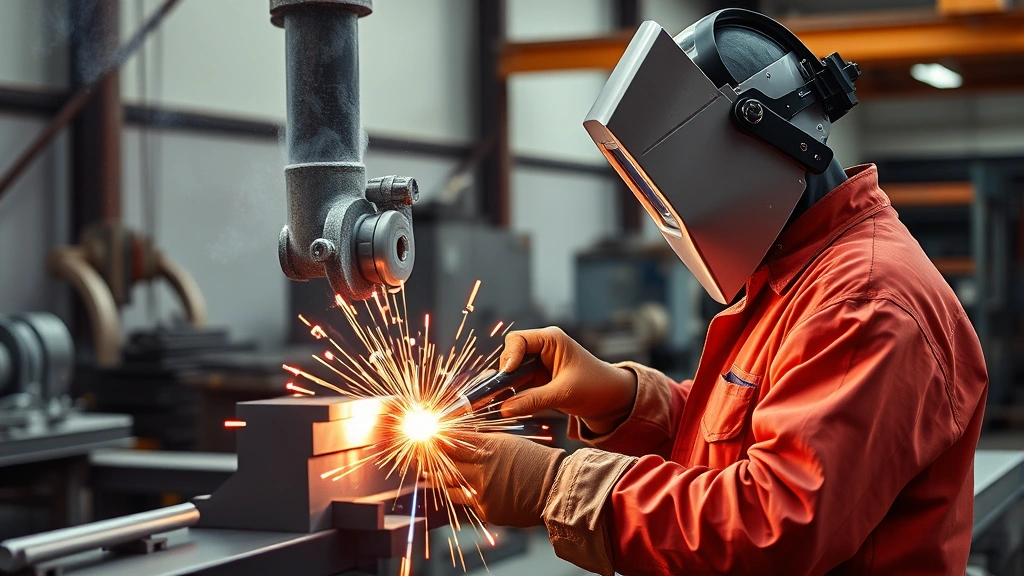
Learning how to become a welder is a practical pathway to a rewarding career that combines hands-on craftsmanship with solid earning potential. Whether you’re drawn to the spark of metal joining or the satisfaction of creating structural integrity, welding offers real job security and the chance to work on everything from skyscrapers to custom bikes. This guide walks you through the essential steps, training options, and real-world expectations you’ll face on your journey to becoming a professional welder.
Table of Contents
Understand What Welding Is
Before you commit to becoming a welder, you need to understand the actual work. Welding is the process of joining metal pieces together by melting and fusing them. It’s not just holding a torch and hoping for the best—it requires precision, patience, and technical knowledge. Welders work with different metals like steel, aluminum, and stainless steel, using various techniques depending on the project requirements.
The job involves reading blueprints, measuring accurately, preparing metal surfaces, and executing welds that meet strict safety and quality standards. You’ll work in manufacturing plants, construction sites, shipyards, aerospace facilities, and custom shops. Some welders specialize in underwater welding or pipeline work, which commands premium pay but carries higher risk. Understanding the scope of the work helps you decide if this career aligns with your interests and physical capabilities.
Assess Your Personal Fit
Welding isn’t for everyone, and honest self-assessment saves time and money. You need strong attention to detail—a poorly executed weld can cause structural failure. You’ll work in hot, sometimes uncomfortable conditions, wearing heavy protective gear. Physical stamina matters; you might spend eight hours standing, bending, or working in confined spaces.
Good hand-eye coordination is essential, as is the ability to follow technical instructions precisely. You should be comfortable learning continuously, since welding techniques and materials evolve. If you’re mechanically inclined, enjoy problem-solving, and don’t mind the physical demands of hands-on work, you’re likely a good candidate. Take an introductory welding class at a community college to test your aptitude before committing fully.
Get Formal Education & Certification
Most welders complete a formal training program before entering the field. You have several pathways: community college programs, vocational schools, apprenticeships, or private welding schools. Community colleges typically offer affordable two-year associate degree programs in welding technology. These programs combine classroom instruction on metallurgy, safety, and blueprint reading with hands-on lab work.
Vocational high schools serve students still in secondary education, offering welding programs that provide credentials before graduation. Registered apprenticeships through the Department of Labor combine on-the-job training with classroom instruction over 3-5 years, and you earn while you learn. Private welding schools offer intensive programs ranging from weeks to months, but they’re more expensive than public institutions.
For career planning similar to other technical fields, check out resources on how to become an ultrasound technician to understand the importance of structured training pathways. The key is choosing an accredited program that covers multiple welding processes and includes safety certification.
Choose Your Welding Process
Different welding processes suit different applications, and specializing in specific techniques increases your market value. MIG welding (Metal Inert Gas) is the most common and easiest to learn—it’s used in automotive and general fabrication. TIG welding (Tungsten Inert Gas) requires more skill and precision, making it valuable for aerospace and high-quality work. Stick welding is essential for structural steel and outdoor work where weather resistance matters.
Flux-core welding works well in construction and heavy fabrication. Submerged arc welding handles thick materials in manufacturing. Most training programs introduce all major processes, but you’ll develop deeper expertise in certain areas based on your interests and market demand in your region. Research local job postings to see which processes employers in your area prioritize most.
Gain Hands-On Experience
Classroom knowledge means nothing without practical skill. During your training program, you’ll spend substantial time at the welding bench. Early on, you’ll practice basic beads—laying down metal without joining pieces—to develop muscle memory and consistency. You’ll progress to flat position welds, then vertical and overhead positions, which are significantly harder.
You’ll practice on scrap metal extensively before working on actual projects. Your instructors will critique every weld, pushing you to improve penetration, bead appearance, and consistency. This repetition builds the muscle memory and intuition that separates mediocre welders from skilled craftspeople. Don’t rush through this phase. Quality practice now prevents bad habits that are hard to break later.

Once you complete your program, seek entry-level positions that provide continued mentorship. Working alongside experienced welders accelerates your development far faster than classroom time alone. Many employers value hands-on experience from recognized training programs and will invest in newer welders who demonstrate commitment and solid fundamentals.
Earn Industry Credentials
Certification proves your competency to employers and clients. The American Welding Society (AWS) offers the most recognized certification in the industry. You’ll take practical exams where you perform welds that are then tested for strength, appearance, and integrity. Different certifications cover specific processes and positions.
AWS D1.1 certification covers structural steel welding—one of the most valuable credentials. AWS D1.2 covers aluminum. Pipe welding certifications are critical for pipeline and pressure vessel work. Your training program will prepare you for these exams, but passing requires demonstrating real skill, not just test knowledge. Plan to attempt certification exams after completing your formal training and gaining some hands-on experience.
State licensing requirements vary. Some states require welders to be licensed, while others don’t. Check your state’s regulations early in your training. Professional certifications maintain credibility and often lead to higher pay and better job opportunities. Many employers specifically hire only certified welders, especially in safety-critical industries like aerospace and pressure vessel manufacturing.
Land Your First Welding Job
Your first welding position is critical. Look for entry-level roles at fabrication shops, construction companies, manufacturing plants, or shipyards. Smaller shops often provide better mentorship than massive corporations, though larger companies may offer better benefits and advancement. Network with instructors and classmates—many job placements happen through personal connections.
Build a portfolio of your work if possible. Photos of welds you’ve completed, even practice pieces, demonstrate your capabilities. Your AWS certifications are your primary credential, but showing actual work samples impresses employers. Apply for positions that align with your certification and training focus. Don’t expect top dollar immediately; entry-level welders earn less, but pay increases significantly with experience and additional certifications.
Be prepared for physical demands and potential travel. Some welding jobs require relocation or extended time away from home. Pipeline welding, for example, pays exceptionally well but involves working in remote locations. Understand these tradeoffs when evaluating job offers. Your first position sets the tone for your career trajectory, so prioritize learning and skill development over maximum starting salary.
Advance Your Welding Career
After establishing yourself as a competent welder, multiple advancement paths exist. You can specialize in high-demand niches like underwater welding, which pays $50,000-$300,000+ annually depending on depth and conditions. Robotic welding programming is growing as automation increases—learning to program and maintain welding robots opens new career doors.
Becoming a welding inspector or quality control specialist leverages your technical knowledge without performing physical welding. Welding supervisors and foremen oversee teams and manage projects. Some experienced welders transition to welding instruction, teaching the next generation. Others start their own fabrication businesses. The key is continuing education—taking advanced welding courses, learning new processes, and staying current with industry standards keeps your skills valuable and marketable.
Professional development through organizations like the American Welding Society connects you with peers, provides continuing education, and opens networking opportunities. Attending trade shows and staying informed about industry trends positions you for advancement. Many welders find that specializing in specific industries—aerospace, oil and gas, renewable energy—leads to better pay and job security than remaining a generalist.
Frequently Asked Questions
How long does it take to become a welder?
Most people complete formal training in 6 months to 2 years, depending on the program type and depth. Community college associate degrees take about 2 years. Apprenticeships span 3-5 years but include earning while learning. You can find entry-level work after 6-12 months of quality training, though building expertise takes several years of hands-on experience.
What’s the salary for welders?
Entry-level welders earn $28,000-$35,000 annually. Experienced welders with specialized certifications earn $45,000-$65,000+. Specialized niches like underwater welding or pipe welding can exceed $100,000 annually. Location, industry, and certification level significantly impact earning potential. Skilled trades often outpace college-educated professionals in earning potential without the student debt.
Do I need a high school diploma to become a welder?
Most formal training programs require a high school diploma or GED. Some private welding schools are more flexible. However, having basic math and reading skills is essential for understanding blueprints, safety regulations, and technical documentation. If you don’t have a diploma, obtaining your GED first is typically the best approach.
What’s the job outlook for welders?
The Bureau of Labor Statistics projects steady demand for welders through 2032. Infrastructure projects, manufacturing, and construction all require skilled welders. Many experienced welders are retiring, creating opportunities for new entrants. Job security is generally strong, especially for certified welders with specialized skills and willingness to relocate for work.
Can women become welders?
Absolutely. Women make excellent welders and are increasingly entering the field. The industry actively recrues women to address workforce shortages. Many training programs and employers offer support and mentorship specifically for women in welding. Physical strength requirements are often overstated—technique and precision matter more than raw strength.
What certifications do I actually need?
AWS certifications are the gold standard and recognized nationwide. Start with basic process certifications (MIG, TIG, or stick welding). AWS D1.1 for structural steel is highly valuable. Beyond that, specialize based on your career goals and local job market. Some employers require specific certifications; research positions in your target market to understand their requirements.
Start Your Welding Journey
Becoming a welder is a straightforward path to a stable, well-paying career that values skill and craftsmanship. Unlike many career paths requiring four-year degrees and significant debt, welding training is affordable and leads directly to employment. The work is tangible—you create structures and products that last. Demand is strong, advancement opportunities exist, and skilled welders are respected in their communities.
The first step is researching accredited training programs in your area and testing your aptitude through an introductory class. Talk to working welders about their experiences. Visit fabrication shops and construction sites to see the work firsthand. If the combination of technical challenge, hands-on work, and solid earning potential appeals to you, start your training immediately. The welding industry needs committed, skilled professionals, and your journey to becoming one starts with that first class.
For perspective on career planning in other technical fields, explore how long it takes to become a CRNA to understand how different skilled professions structure their training. You might also consider practical projects like how to build a table as a way to develop your hands-on skills while learning fundamental fabrication principles that complement welding knowledge.
For authoritative information on welding careers and safety standards, consult the OSHA guidelines for welding operations, Family Handyman’s welding fundamentals, and This Old House’s welding techniques. These resources provide safety standards and best practices that align with professional welding training.


