

Learning how to become a tattoo artist requires dedication, artistic talent, and a willingness to master both the technical and creative sides of the craft. Whether you’re drawn to the artistry, the client relationships, or the independence of running your own studio, the path to becoming a tattoo artist is achievable with the right preparation and commitment.
Table of Contents
Develop Your Artistic Foundation
Before you ever touch a tattoo gun, you need solid drawing skills. Spend time sketching daily—study anatomy, proportions, and design composition. Take formal art classes if possible, whether through community colleges or online platforms. Your ability to translate client ideas into compelling designs is what separates mediocre artists from sought-after professionals.
Practice drawing in different styles: traditional, realism, black and grey, color work, geometric patterns, and whatever speaks to you. Keep a sketchbook with you constantly. Study the work of established tattoo artists you admire. Notice how they handle line weight, shading, and negative space. This foundational work isn’t optional—it’s the bedrock of your entire career.
Understanding the Apprenticeship Path
The traditional route to becoming a tattoo artist is through a formal apprenticeship, typically lasting 1-3 years. This isn’t like other careers where you can skip straight to the job. Tattoo studios take apprenticeships seriously because your mistakes affect people permanently. Most reputable shops won’t hire you without apprenticeship experience.
During an apprenticeship, you’ll work under an established artist, learning everything from sterilization protocols to client consultation techniques. You’ll start with basic tasks—keeping the station clean, mixing inks, setting up equipment—before progressing to practicing on synthetic skin and eventually working on actual clients under supervision. This hands-on education is invaluable and can’t be replicated through online courses alone.
Finding the Right Mentor
This is perhaps the most critical step in how to become a tattoo artist. You need to find a shop and an artist willing to take you on as an apprentice. Start by visiting local tattoo studios and observing their work. Don’t just walk in asking for an apprenticeship—that’s rarely how it works. Build relationships first.
Attend tattoo conventions, follow artists on social media, and engage with their work genuinely. When you do approach a shop, bring your portfolio and be prepared to discuss why you want to apprentice specifically with them. Some artists charge apprenticeship fees (ranging from $5,000 to $15,000), while others may work out different arrangements. Be realistic about your skill level and humble about what you don’t know yet.
Master Safety and Sanitation
Bloodborne pathogens, sterilization, and infection prevention aren’t boring bureaucracy—they’re literally what keeps clients safe. You must understand OSHA regulations, proper autoclave use, single-use needle protocols, and cross-contamination prevention. Many states require certification in bloodborne pathogen training before you can legally work in a shop.
Learn about different ink types, needle configurations, and how they interact with skin. Understand contraindications—when you shouldn’t tattoo someone due to health conditions, medications, or pregnancy. This knowledge protects both your clients and your liability. A single infection outbreak can destroy a studio’s reputation and your career before it starts.
Invest in Quality Equipment
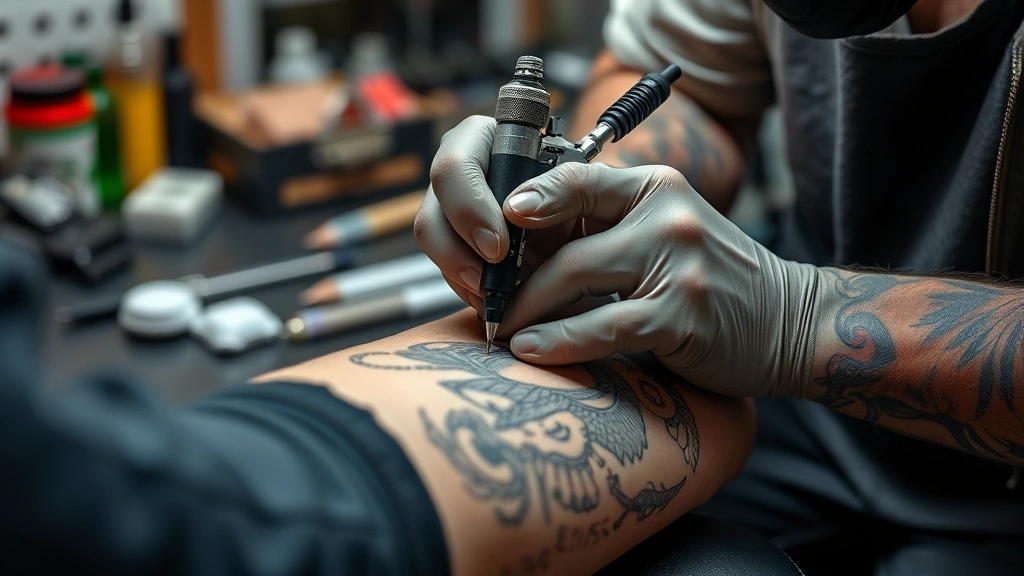
You’ll need reliable tattoo machines (rotary or coil), a power supply, foot pedal, grips, needles, inks, and a proper workstation. Quality equipment isn’t cheap—expect to spend $2,000-$5,000 on a decent starter setup. Don’t cut corners here. Cheap equipment leads to inconsistent results and frustrated clients.
Your apprenticeship mentor will likely guide you on what to buy, but research brands with solid reputations. Invest in an autoclave for sterilization if you’re eventually running your own shop. Proper lighting is essential—you need to see exactly what you’re doing. Your workspace should be climate-controlled, organized, and professional. These aren’t luxuries; they’re necessities for producing quality work.
Build Your Portfolio
Your portfolio is your resume and your sales pitch combined. Document every tattoo you create with professional photography in good lighting. Include before-and-after shots, close-ups of detail work, and full-body placements. Organize your portfolio by style and skill level, showing your growth over time.
As you progress through your apprenticeship, your portfolio becomes increasingly important for attracting clients. Many artists create Instagram accounts showcasing their work—this is now essentially mandatory in the industry. Potential clients will research you online before booking. A strong portfolio demonstrates consistency, skill, and the ability to execute different styles. It’s your visual proof that you know what you’re doing.
Navigate the Business Side
Eventually, you’ll need to understand the business aspects: pricing your work, managing client consultations, handling contracts, and potentially running your own studio. Research what established artists in your area charge. Pricing depends on design complexity, size, placement, and your experience level. Never undercharge just to book clients—it devalues your work and sets unsustainable expectations.
Learn about licensing requirements in your state or country. Some areas require specific certifications beyond bloodborne pathogen training. Understand the legal structure of tattoo studios—whether you’ll be an independent contractor, employee, or studio owner. If you eventually open your own shop, you’ll need business insurance, proper zoning, and compliance with health department regulations.
Stay Current With Trends
The tattoo industry evolves constantly. New techniques emerge, ink formulations improve, and client preferences shift. Attend tattoo conventions regularly—not just as a vendor, but as a student. Take workshops from renowned artists in styles outside your comfort zone. Subscribe to tattoo publications and follow industry leaders online.
Network with other artists genuinely. The tattoo community is surprisingly collaborative despite being competitive. Share knowledge, ask questions, and stay humble about what you can still learn. Even after 20 years, experienced artists continue refining their craft. This commitment to growth separates artists who build lasting careers from those who plateau and fade.

Frequently Asked Questions
How long does it take to become a tattoo artist?
Most apprenticeships last 1-3 years, though some can extend longer depending on the mentor and your progress. After apprenticeship, you’ll continue developing skills for several more years. Expect 3-5 years before you’re truly proficient and can command higher rates.
Do I need a high school diploma to become a tattoo artist?
Requirements vary by location, but most states don’t mandate a high school diploma specifically for tattoo artists. However, some shops prefer it, and having one certainly doesn’t hurt your prospects. What matters most is your artistic ability and commitment to the craft.
Can I learn tattooing online?
Online courses can teach theory, design principles, and business basics, but they cannot replace hands-on apprenticeship. You must practice on actual skin under professional supervision. Online education is supplementary, not a replacement for apprenticeship.
What if I can’t find an apprenticeship?
Keep building your portfolio and networking. Attend conventions, work on your drawing skills, and stay visible in the community. Some artists take longer to find mentors than others. Persistence matters. Consider relocating if necessary—some cities have more opportunities than others.
How much does a tattoo apprenticeship cost?
Costs range from free to $15,000+. Some established artists charge upfront fees; others expect apprentices to work for low or no pay initially, earning money as they progress. Clarify financial arrangements before committing.
What’s the difference between a tattoo apprentice and an assistant?
An apprentice is learning the craft from a mentor and progressing toward becoming a full artist. An assistant handles shop tasks but may not be on a formal learning track. Apprenticeships are more structured and goal-oriented.
Your Path Forward
Becoming a tattoo artist demands artistic talent, technical precision, business acumen, and genuine passion for the craft. The journey isn’t quick or easy, but it’s deeply rewarding for those committed to mastering it. Start by developing your drawing skills, seek out a reputable mentor, absorb everything about safety and sanitation, and build a portfolio that demonstrates your capabilities. The tattoo industry respects artists who’ve earned their stripes through proper apprenticeship and continuous improvement. If you’re willing to put in the work, the path to becoming a successful tattoo artist is absolutely achievable. For more insight into career transitions, check out how to become an ultrasound technician or explore how long it takes to become a paralegal for perspective on other skilled professions. Your artistic foundation is crucial—consider strengthening your fundamentals by learning how to draw a mouse or studying how to draw Mickey Mouse to practice character design and proportion work that translates directly to tattoo artistry.


