
Learning how to become a sterile processing technician opens doors to a rewarding healthcare career where you’re the backbone of surgical success. If you’re detail-oriented, organized, and want to make a tangible difference in patient safety, this path might be exactly what you’re looking for. Let’s walk through the essential steps to get you there.
Table of Contents
Understanding the Role
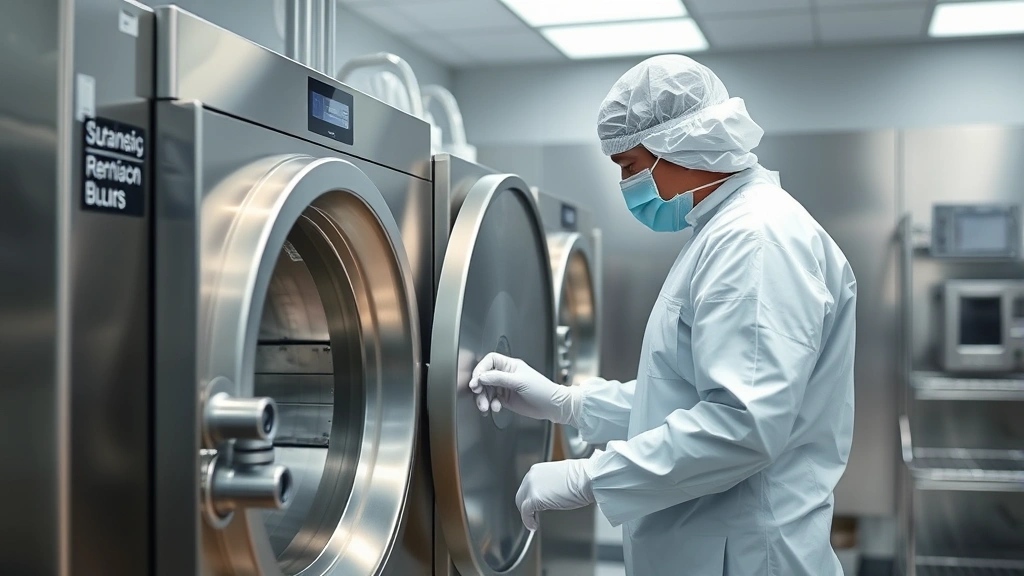
Before diving into the steps, let’s be clear about what sterile processing technicians actually do. You’re responsible for decontaminating, preparing, and sterilizing surgical instruments and equipment. This isn’t a background job—it’s critical work. Every instrument that goes into an operating room has been through your hands. You’ll work in a fast-paced environment where accuracy directly impacts patient outcomes.
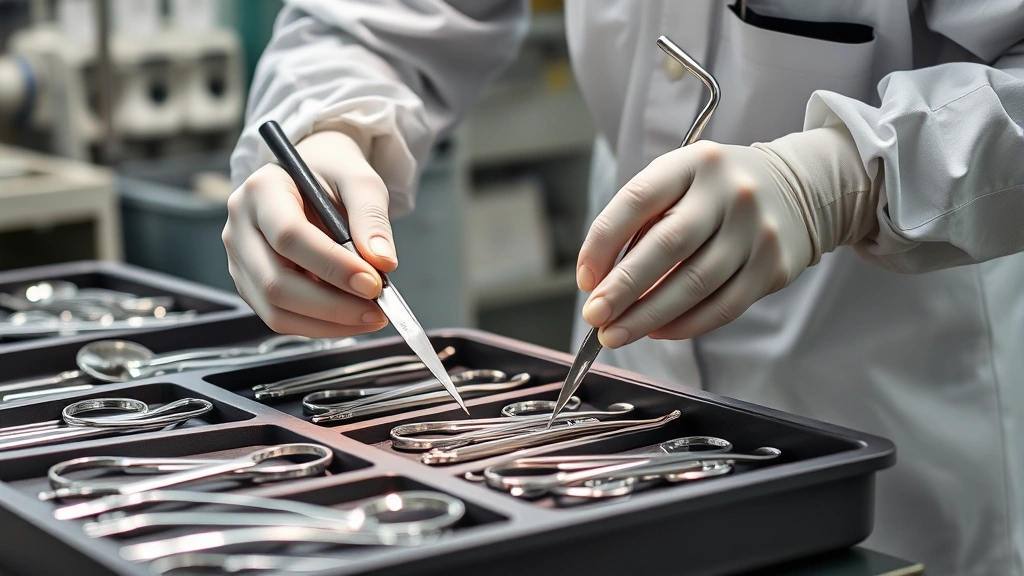
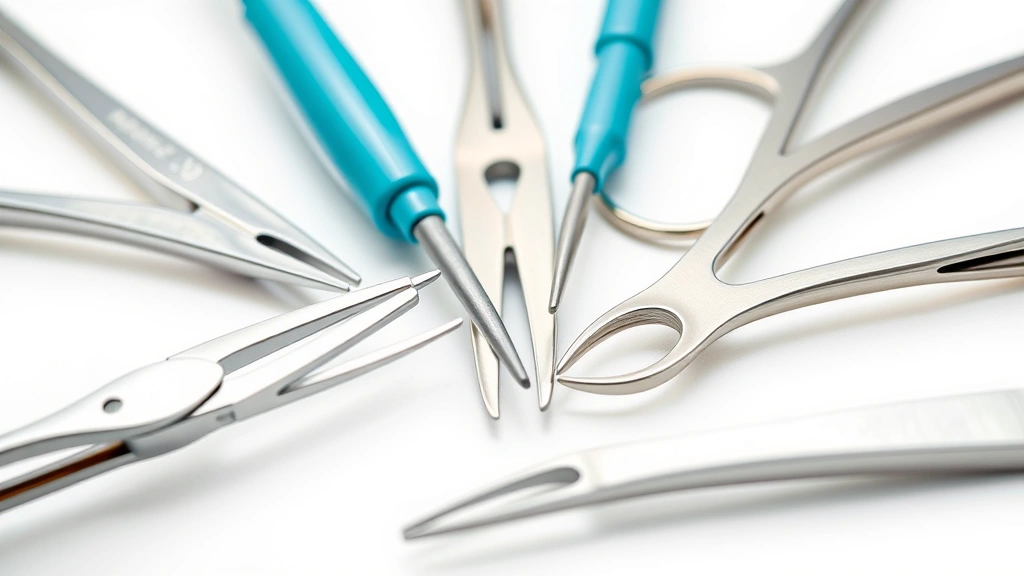
The job involves operating sterilization equipment, managing inventory, maintaining detailed records, and following strict protocols. You’ll handle everything from delicate surgical scissors to complex orthopedic instruments. It requires physical stamina, attention to detail, and the ability to work under pressure. Many people don’t realize how technical this role actually is.
Education Requirements
You’ll need at least a high school diploma or GED to start. That’s the baseline. Some positions require additional formal education, but many employers will hire you with just your diploma and provide on-the-job training. However, getting a certificate or associate degree in sterile processing technology gives you a competitive edge and often means higher starting pay.
Community colleges and vocational schools across the country offer sterile processing programs. These typically run 6 months to 2 years depending on whether you’re pursuing a certificate or degree. Programs cover microbiology, anatomy, medical terminology, sterilization principles, and equipment operation. You’ll learn both the science behind why things work and the practical skills to execute them.
If you’re exploring healthcare careers, check out how long it takes to be a nurse to compare career timelines in the medical field.
Certification Pathway
Certification is where you prove you know your stuff. The Certification Board for Sterile Processing and Distribution (CBSPD) administers the Certified Sterile Processing Technician (CSPT) exam. You’ll need to meet eligibility requirements, which typically include a certain amount of work experience (usually 400-800 hours) or completion of an accredited education program.
The exam covers instrument identification, decontamination processes, sterilization methods, quality assurance, and safety protocols. It’s comprehensive but definitely doable if you’ve put in the study time. Many employers prefer or require certification, so this credential is worth pursuing. The certification is valid for five years, then you’ll need to renew through continuing education credits or retesting.
Other certifying bodies include the International Association of Healthcare Central Service Materiel Management (IAHCSMM), which offers the Certified Registered Central Service Technician (CRCST) credential. Some facilities recognize both certifications equally, while others have preferences. Research what’s valued in your area.
Hands-On Training Matters
Classroom learning gets you halfway there. The real education happens when you’re actually working with instruments and equipment. Look for programs that include substantial clinical rotations or externships in actual hospital sterile processing departments. You need to touch the instruments, operate the autoclaves, and understand how things work in real conditions.
When you land your first job, expect a structured training period. Most facilities have new hire training programs lasting 3-6 months where you’ll shadow experienced technicians, gradually take on responsibilities, and get evaluated before working independently. Don’t rush this phase. The better you learn during training, the safer your work will be and the faster you’ll advance.
Pay attention to the different sterilization methods you’ll encounter: steam sterilization, low-temperature hydrogen peroxide gas plasma, ethylene oxide, and peracetic acid. Each has specific protocols, and understanding when and why to use each method is crucial. Hands-on experience with these systems is irreplaceable.
Job Search Strategy
Start your job search while you’re still in school or training. Hospitals, surgical centers, dental offices, and veterinary clinics all need sterile processing technicians. Larger medical centers often have dedicated sterile processing departments with dozens of technicians, while smaller facilities might have just one or two.
Network with your instructors and clinical mentors—they often have connections and can point you toward openings. Check job boards like Indeed, LinkedIn, and healthcare-specific sites. Don’t overlook smaller facilities; they sometimes offer more personalized training and faster advancement opportunities than large hospitals.
When applying, highlight any relevant experience: attention to detail, ability to follow procedures, physical capability (the job involves standing and lifting), and your certification status. If you’re certified, that’s your golden ticket. Many employers will prioritize certified candidates over non-certified ones.
For perspective on other healthcare career paths, explore how to ask your PCP for a DRE to understand patient communication in healthcare settings.
Continuing Education
The field evolves constantly. New instruments, sterilization technologies, and safety protocols emerge regularly. Maintaining your certification requires continuing education credits—typically 36 credits every 5 years for CBSPD certification. This keeps you current and shows employers you’re committed to professional development.
Beyond maintaining certification, consider additional training in specialized areas. Some technicians pursue credentials in endoscopy reprocessing or obtain specialized certifications in particular instrument types. These specializations can lead to higher pay and more interesting work.
Many professional organizations offer webinars, conferences, and training sessions. The IAHCSMM annual conference is a major event where you can learn from industry experts and network with other professionals. Investing in your education pays dividends in career satisfaction and earning potential.
Career Advancement Options
Sterile processing isn’t a dead-end job—it’s a launching point. With experience and additional education, you can move into supervisory roles, managing teams of technicians. Some advance into quality assurance, ensuring all protocols are followed and standards are met. Others transition into sales or technical support for sterilization equipment manufacturers.
Some technicians pursue additional healthcare credentials. The pathway to becoming a nurse is often easier for someone with sterile processing experience since you already understand healthcare systems and medical terminology. Others move into surgical technology or operating room nursing.
The median salary for sterile processing technicians varies by location and experience, but it’s generally competitive for a role requiring less than two years of education. With certification and experience, you can earn significantly more. Supervisory positions and specialized roles pay even better.
Common Challenges
Let’s be honest: this job has challenges. The work is physically demanding—you’ll be on your feet for entire shifts, lifting heavy trays, and working in humid environments from sterilization equipment. It’s also mentally demanding because mistakes have serious consequences for patient safety.
The pace can be intense. Surgeries are scheduled, and instruments must be ready on time. There’s no flexibility there. You’re working in a high-pressure environment where you need to maintain precision even when rushed. Some people thrive under this pressure; others find it stressful.
Exposure to chemicals is another consideration. You’ll work with disinfectants and sterilizing agents that require proper handling and safety precautions. Most facilities have excellent safety protocols, but understanding the hazards and following procedures religiously is essential. Proper training and adherence to guidelines minimize risks significantly.
If you’re interested in other healthcare challenges, check out how to avoid root canal to understand preventive healthcare approaches.
Frequently Asked Questions
How long does it take to become a sterile processing technician?
The timeline varies. You can start working with just a high school diploma and on-the-job training (usually 3-6 months to full competency). Formal certificate programs take 6-12 months, while associate degrees take 2 years. Adding certification exam preparation adds another 2-3 months of study. Most people are working independently within 6-12 months of starting.
Do I need certification to work as a sterile processing technician?
No, certification isn’t always required to get hired, but it’s strongly preferred by most employers and essential for career advancement. Some facilities require it; others make it optional but offer bonuses for certified staff. Getting certified early in your career is smart strategy.
What’s the salary range for sterile processing technicians?
Salaries vary by location, facility type, and experience. Entry-level technicians typically earn $28,000-$35,000 annually. With certification and experience, this increases to $35,000-$45,000. Supervisory roles and specialized positions can exceed $50,000. Benefits packages at hospitals are usually excellent.
Is sterile processing a good career choice?
If you’re detail-oriented, enjoy working in healthcare, and want job stability, absolutely. The field is growing, job security is strong, and there’s clear advancement potential. The work is meaningful—you’re directly contributing to patient safety. However, if you dislike physical work or high-pressure environments, this might not be the best fit.
Can I transition from sterile processing to other healthcare roles?
Definitely. Your experience and understanding of healthcare systems, medical terminology, and sterile techniques make you a strong candidate for surgical technology, nursing, or other healthcare careers. Many employers value the foundation you’ve built.
What skills do I need to succeed?
Attention to detail is non-negotiable. You also need good organizational skills, physical stamina, the ability to follow procedures precisely, and comfort working in a team environment. Manual dexterity helps when handling delicate instruments. Most importantly, you need to care about doing things right because patient safety depends on it.
Your Path Forward
Becoming a sterile processing technician is absolutely achievable. Start by getting your high school diploma if you haven’t already, then enroll in a sterile processing program at a local community college or vocational school. Focus on getting hands-on experience during your training, then pursue certification as soon as you’re eligible. Apply to positions at hospitals and surgical centers, emphasizing your commitment to precision and safety.
The career offers stability, growth potential, and the genuine satisfaction of knowing you’re protecting patients every single day. It’s not glamorous work, but it’s essential work. If you’re ready to roll up your sleeves and become part of the healthcare team, this path is waiting for you. Start today, and you could be working independently in a sterile processing department within a year.


