

Learning how to become a registered nurse is a journey that combines education, licensing, and real-world clinical experience. If you’re drawn to healthcare, patient care, and making a tangible difference in people’s lives, nursing offers a rewarding career path with solid job security and growth potential. This guide walks you through each essential step to get your RN license and launch your nursing career.
Table of Contents
Education Requirements Matter
Before diving into the application process, understand what education you’ll need. The foundation of becoming a registered nurse starts with formal nursing education. You’ll need at least an Associate’s Degree in Nursing (ADN) from an accredited program, though many hospitals and healthcare facilities now prefer a Bachelor of Science in Nursing (BSN). Both paths lead to RN licensure, but they differ in length, cost, and career advancement opportunities.
The ADN route typically takes two years of full-time study, while a BSN program runs four years. Your choice affects your timeline, tuition costs, and long-term career trajectory. Many nurses start with an ADN and later pursue a BSN through bridge programs, combining work experience with continued education.
Choose Your Nursing Program
Selecting the right nursing program is crucial. You have two main options: community colleges offering ADN programs or four-year universities offering BSN degrees. Community colleges are more affordable and quicker, making them accessible for many aspiring nurses. Universities offer broader education and better positioning for leadership roles down the line.
Research accreditation carefully. Your program must be accredited by the Accreditation Commission for Education in Nursing (ACEN) or the Commission on Collegiate Nursing Education (CCNE). Accreditation ensures your degree is recognized nationally and prepares you properly for licensing exams. Check program reputation, pass rates on the NCLEX exam, and graduate employment rates before committing.
Complete Prerequisite Courses
Before entering a nursing program, you’ll need to complete prerequisite courses. These typically include anatomy and physiology, chemistry, microbiology, biology, and sometimes organic chemistry. Most programs require these foundational sciences because nursing builds directly on this knowledge.
You can take prerequisites at community colleges or universities, and many nursing programs allow you to complete them while applying. Some accelerated programs bundle prerequisites into the curriculum itself. Plan ahead—prerequisites often have waiting lists, so starting early gives you flexibility. Strong grades in these courses matter; many competitive programs look at your science GPA specifically.
Clinical Training and Experience
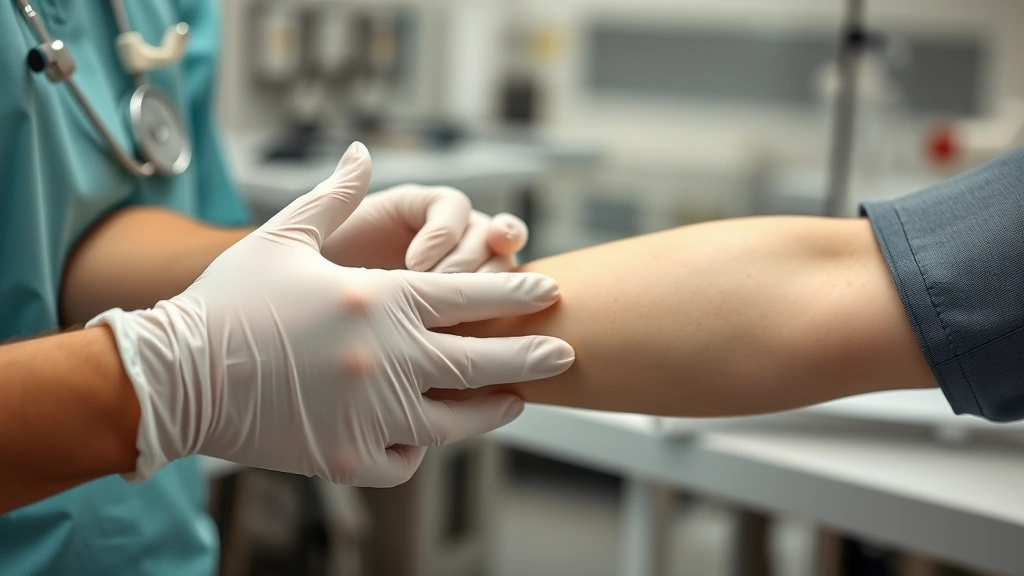
Here’s where nursing becomes real. Clinical training is the hands-on portion of your nursing degree, where you work in actual hospital units, clinics, and patient care settings under supervision. This typically comprises 30-50% of your program and happens in the second half of your education.
During clinicals, you’ll care for real patients under the guidance of experienced nurses and clinical instructors. You’ll learn vital signs monitoring, medication administration, wound care, patient communication, and emergency response. This experience is invaluable—it’s where theory meets practice and where you discover if nursing is truly your calling. Most programs require 1,000+ clinical hours before graduation.
Pass the NCLEX-RN Exam
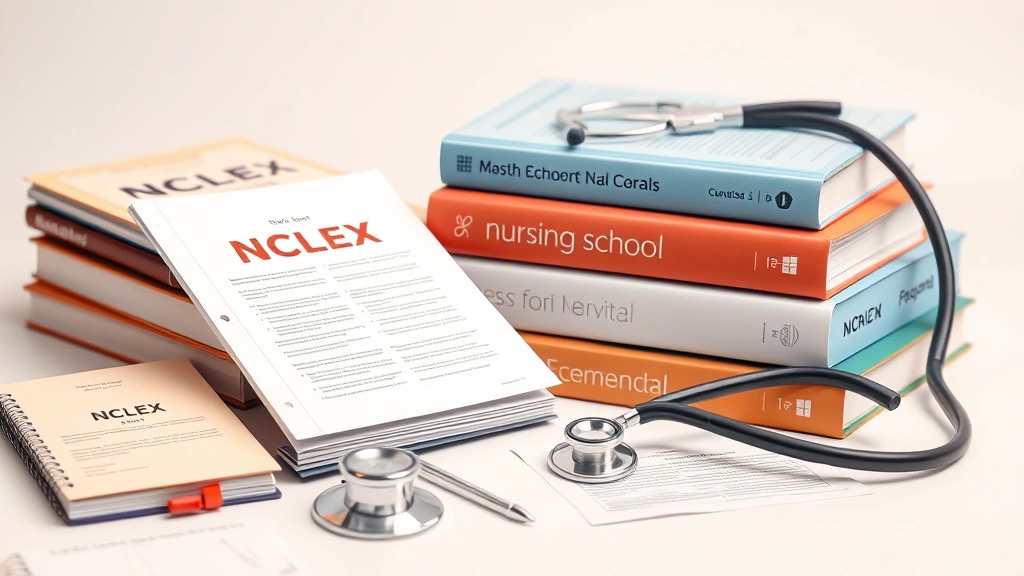
After graduation, you must pass the National Council Licensure Examination for Registered Nurses (NCLEX-RN). This computer-adaptive test has 85-265 questions and assesses whether you can safely practice nursing at the entry level. It’s challenging—the national pass rate hovers around 85-90%—but thorough preparation makes it manageable.
Most graduates take the exam within weeks of graduation while material is fresh. You’ll need to register with your state’s nursing board and pay exam fees (typically $200-300). Study for 4-8 weeks using review books, online courses, and practice exams. Many nursing programs include NCLEX prep in their curriculum. Similar to how becoming a psychologist requires licensing exams, nursing demands rigorous testing to ensure competency.
Obtain State Licensure
Once you pass the NCLEX, you’re not quite done. You need to apply for your nursing license through your state’s Board of Nursing. This involves submitting your exam results, application fees, background check, and any required documentation. Processing typically takes 1-4 weeks depending on your state.
Your nursing license is state-specific, though many states participate in the Nurse Licensure Compact (NLC), which allows you to practice in multiple states with a single license. Check your state’s requirements—some require fingerprinting, additional background checks, or health screenings. Once licensed, you’re officially an RN and can legally practice nursing.
Continuing Education and Growth
Your nursing education doesn’t stop after licensure. Most states require continuing education credits (typically 20-40 hours every 2 years) to maintain your license. These keep you current with evolving healthcare practices and medical advances. You can earn credits through online courses, conferences, workshops, or specialized certifications.
Many nurses pursue specialty certifications in areas like critical care, pediatrics, oncology, or emergency nursing. These certifications require additional study and exams but boost your expertise and earning potential. The nursing field constantly evolves, so lifelong learning is part of the profession’s culture.
Choose Your Specialization
Nursing offers diverse career paths. You might work in hospitals, clinics, schools, home healthcare, hospice, or public health. Some nurses specialize in specific patient populations—pediatrics, geriatrics, psychiatric nursing—or specific settings like intensive care units (ICU), emergency departments (ED), or operating rooms (OR).
Your first job shapes your early experience significantly. Many new graduates start in hospital settings where they gain broad foundational skills and mentorship. After 1-2 years of experience, you can pivot to specialized areas. Some nurses eventually pursue advanced degrees to become nurse practitioners or nurse anesthetists, roles that require additional education similar to becoming a psychiatrist.
Timeline and Next Steps
Here’s a realistic timeline for how to become a registered nurse:
- Months 1-6: Research programs, complete prerequisite courses or applications
- Months 6-24 (ADN) or 6-48 (BSN): Complete nursing degree with classroom and clinical components
- Months 24-26 (ADN) or 48-50 (BSN): Prepare for and take NCLEX-RN exam
- Months 26-28 (ADN) or 50-52 (BSN): Apply for state licensure, receive RN license
- Month 28+ (ADN) or 52+ (BSN): Begin your nursing career
Total time ranges from 2-4 years depending on your educational path. Many working professionals choose ADN programs for speed and affordability, then pursue a BSN later through bridge programs while earning as an RN.
Your next immediate step: research accredited nursing programs in your area, verify prerequisite requirements, and check application deadlines. Most programs have rolling admissions with deadlines 6-12 months before start dates. Start prerequisites soon if you haven’t already—they’re often the bottleneck in the process.
Frequently Asked Questions
How long does it take to become a registered nurse?
An Associate’s Degree in Nursing (ADN) takes about 2 years of full-time study, while a Bachelor of Science in Nursing (BSN) takes 4 years. Adding prerequisite courses can extend this timeline. Most people enter their first RN job within 2-4 years from starting their nursing education.
Do I need a bachelor’s degree to become an RN?
No, an associate’s degree is sufficient for RN licensure. However, many employers prefer or require a BSN, and it’s increasingly becoming the standard. Many nurses obtain an ADN first, work as an RN, then pursue a BSN through bridge programs while employed.
What’s the difference between an RN and an LPN?
Registered Nurses (RNs) have more extensive education (ADN or BSN) and broader scope of practice. Licensed Practical Nurses (LPNs) complete shorter programs (typically 1 year) and have more limited responsibilities. RNs earn more and have more career advancement opportunities.
How much does nursing school cost?
ADN programs at community colleges typically cost $10,000-$30,000 total, while BSN programs at universities range from $40,000-$120,000+. Costs vary significantly by location and institution. Financial aid, grants, and scholarships can reduce out-of-pocket expenses substantially.
Can I work while in nursing school?
Many students work part-time, especially during prerequisite courses. During the nursing program itself, particularly during clinical rotations, full-time work becomes difficult due to scheduling demands. Some programs are designed for working adults with evening or weekend classes, though these are less common.
What’s the NCLEX pass rate for first-time test takers?
The national pass rate for first-time NCLEX-RN takers is approximately 85-90%. Proper preparation with study materials and practice exams significantly improves your chances. If you don’t pass initially, you can retake the exam after waiting periods set by your state.
Do I need to pass the NCLEX to get hired as a nurse?
You must pass the NCLEX and obtain state licensure before legally practicing as an RN. However, many hospitals hire “new graduates” or “graduate nurses” who have completed their degree but haven’t yet passed the NCLEX. These positions allow you to work under supervision while preparing for and taking the exam.
Can I become an RN with a criminal record?
It depends on the severity and nature of the offense. State nursing boards review criminal history during licensure applications. Minor offenses may not disqualify you, but serious crimes, particularly those involving dishonesty or violence, likely will. Contact your state’s Board of Nursing early if you have concerns.


