
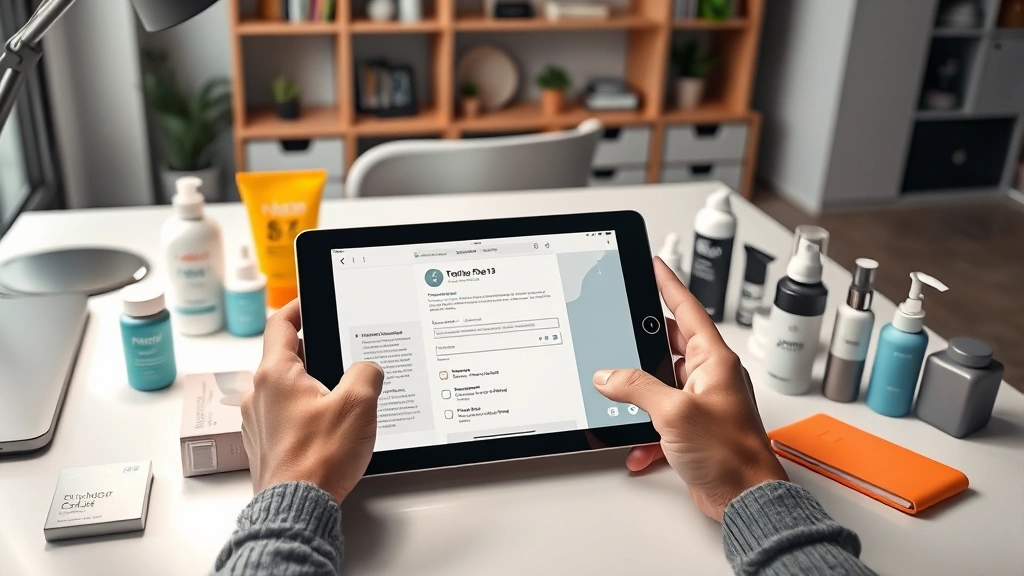
Learning how to become a product tester is one of the most accessible ways to earn money while sharing your honest opinions about products you actually use. Whether you’re looking for extra cash, free products, or a side hustle that fits around your schedule, product testing offers genuine opportunities that don’t require special credentials or years of experience.
Table of Contents
What Is Product Testing?
Product testing is straightforward: companies pay you to try their products and share detailed feedback about your experience. You’re essentially a quality assurance person, but for everyday items. The feedback you provide helps brands improve their products, understand customer pain points, and make better marketing decisions.
The beauty here is that you don’t need to be an expert in anything specific. Companies want regular people—like you—who use products authentically. They’re looking for honest opinions, not polished reviews from influencers. Your genuine perspective is valuable because it mirrors what actual customers think.
Most product testers work with multiple companies simultaneously, testing everything from kitchen gadgets to tech accessories, beauty products, fitness equipment, and software. Some tests take 30 minutes; others span several weeks. Payment ranges from $5 to several hundred dollars per test, depending on complexity and time commitment.
Build Your Online Presence
Before companies invite you to test products, they want to see that you have an audience or platform where you’ll share your feedback. This doesn’t mean you need millions of followers—even 500-1000 engaged followers makes you attractive to brands.
Start by choosing one or two platforms where you’re most comfortable. TikTok, Instagram, YouTube, and blogs are popular choices. If you’re wondering where to begin building influence, our guide on how to get followers on TikTok covers proven strategies that work. Create consistent content in your niche—whether that’s home improvement, tech reviews, lifestyle, fitness, or anything else you’re genuinely interested in.
The key is consistency and authenticity. Post regularly, engage with your audience, and show that you’re building a real community. Companies use tools to verify your followers are real and engaged, so focus on quality interactions rather than buying fake followers.
Join Testing Platforms
Testing platforms are the middlemen connecting you with brands. They handle payments, shipping, and quality control. Here’s where you’ll actually find product testing opportunities:
Major platforms include: UserTesting, Influenster, Pinecone Research, Toluna, and Survey Junkie. Each has different requirements and payment structures. Some focus on surveys, others on hands-on product testing. Start with 3-5 platforms and see which ones send you the most relevant opportunities.
When signing up, complete your profile thoroughly. Add your social media handles, describe your interests accurately, and upload a clear profile photo. Brands use this information to match you with products you’ll actually care about testing. A complete profile increases your invitation rate significantly.
If you’re serious about building this into a real income stream, consider creating a professional LinkedIn profile that showcases your testing work. Our resource on how to add a promotion on LinkedIn will help you present your product testing experience professionally to potential brand partners.
Create Compelling Reviews
Your reviews are your currency. Brands judge whether to work with you again based on the quality and depth of your feedback. A compelling review goes beyond ‘I liked it’ or ‘It didn’t work.’
Structure your reviews like this: Start with the unboxing experience—what’s the packaging like? Then discuss functionality, durability, and value. Include specific examples. Instead of ‘the product is durable,’ say ‘after two weeks of daily use, the handle shows no signs of wear and the battery still lasts 8 hours.’
Be honest about negatives. Brands respect testers who point out real flaws. If something doesn’t work as advertised, say so. This honesty actually increases your credibility and makes your positive comments more believable. Include photos or video footage of the product in action—this dramatically increases engagement and proves you actually tested it.
Keep your tone conversational and authentic. Avoid overly polished language or corporate-speak. Write like you’re explaining the product to a friend. This relatability is exactly what companies are paying for.

Boost Credibility Fast
Credibility is everything in product testing. New testers face a chicken-and-egg problem: brands want experienced testers, but you need brands to gain experience. Here’s how to break through:
Start by testing low-cost items from your testing platform. Complete these quickly and thoroughly. Positive reviews and fast turnaround times build your reputation within the platform’s system. After 5-10 solid reviews, you’ll be invited to higher-value tests.
Engage with your audience about your testing work. When you post reviews on social media, encourage comments and questions. Respond to every comment. This activity signals to platforms that your content drives engagement, making you more valuable to brands.
Consider starting a simple blog or YouTube channel dedicated to product reviews. You don’t need fancy equipment—a smartphone camera and natural lighting work fine. Consistency matters more than production quality. Post one review per week and watch your credibility grow. This also creates a portfolio that impresses brands during the application process.
Monetize Your Feedback
There are multiple ways to earn from product testing beyond direct platform payments. Diversifying your income streams maximizes earnings:
Direct payments: Most testing platforms pay $5-$50 per test, with some premium tests reaching $200+. Payment usually arrives within 2-4 weeks of completing your review.
Free products: Many brands let you keep tested products. If you’re testing kitchen gadgets or tech, this alone can save you hundreds monthly. You can also resell products you don’t want on eBay or Facebook Marketplace.
Affiliate commissions: Once you have an audience, you can add affiliate links to your reviews. When someone clicks your link and purchases, you earn a commission. Amazon Associates and brand affiliate programs are great starting points.
Sponsored content: As your following grows, brands pay you directly to feature their products. This is separate from formal testing and can pay $100-$1000+ per post depending on your audience size.
Avoid Common Mistakes
New product testers often sabotage themselves without realizing it. Here are the pitfalls to avoid:
Missing deadlines: Brands set review deadlines. Missing them gets you flagged as unreliable. Even if you’re busy, submit something on time. Late reviews damage your reputation permanently.
Generic feedback: ‘Great product, would recommend’ won’t cut it. Brands need specific details. They can read generic praise anywhere. Your job is providing insights they can’t get elsewhere.
Faking reviews: Never test a product you haven’t actually used. Never copy reviews from other testers. Brands verify this stuff, and getting caught ends your testing career. Stick to honest feedback always.
Ignoring platform guidelines: Each testing platform has specific rules about how to format reviews, what to include, and how to post. Read these carefully. Following guidelines increases your approval rate and future opportunities.

Spreading too thin: Don’t join 20 platforms simultaneously. You’ll miss opportunities and get overwhelmed. Start with 3-4 solid platforms, master them, then expand.
Scale Your Testing Income
Once you’ve established yourself, scaling becomes possible. Here’s the progression most successful testers follow:
Month 1-2: Join platforms, build basic social media presence, complete 5-10 tests. Earn $50-$150.
Month 3-4: Grow social following to 500+, get invited to better-paying tests, start creating consistent review content. Earn $200-$400.
Month 5-6: Reach 1000+ followers, qualify for premium testing programs, add affiliate links. Earn $400-$800.
Month 6+: Receive direct brand partnerships, negotiate higher rates, potentially earn $1000+ monthly if you treat it seriously.
The key to scaling is treating product testing like a real business, not a hobby. Set aside time weekly for social media, respond promptly to brand inquiries, and continuously improve your review quality. Track which platforms send you the most opportunities and focus your energy there.
Frequently Asked Questions
Do I need followers to become a product tester?
Not necessarily to start, but you’ll progress much faster with an audience. Most platforms require at least 100-500 followers to qualify for paid testing. You can begin with smaller platforms that don’t require followers, build experience and credibility, then move to better-paying opportunities as your following grows.
How much can I realistically earn?
Casual testers earn $50-$200 monthly. Serious testers with established audiences and multiple income streams earn $500-$2000+ monthly. Your earnings depend on how many tests you complete, your audience size, and whether you pursue affiliate commissions and sponsorships alongside platform payments.
Is product testing a scam?
Legitimate product testing through established platforms like UserTesting, Influenster, and Pinecone Research is real. However, scams exist. Never pay upfront fees to join a testing platform—legitimate companies never charge. Always verify platforms through independent reviews before signing up.
What products can I test?
Almost anything—tech gadgets, kitchen appliances, beauty products, fitness equipment, clothing, software, home goods, and more. Your interests determine what you’ll test. If you love cooking, you’ll get kitchen product tests. If you’re into tech, you’ll receive gadget tests. This matching is why an accurate profile matters.
How long does testing take?
It varies widely. Some tests take 30 minutes (quick surveys), while others span 2-4 weeks (hands-on product testing). You choose which tests to accept based on time commitment and payment. Most testers do 2-5 tests weekly, spending 5-10 hours total.
Do I have to keep tested products?
Usually yes, you keep them. This is part of your compensation. Some premium tests might ask you to return items, but this is rare and usually disclosed upfront. Free products can offset lower monetary payments.


