
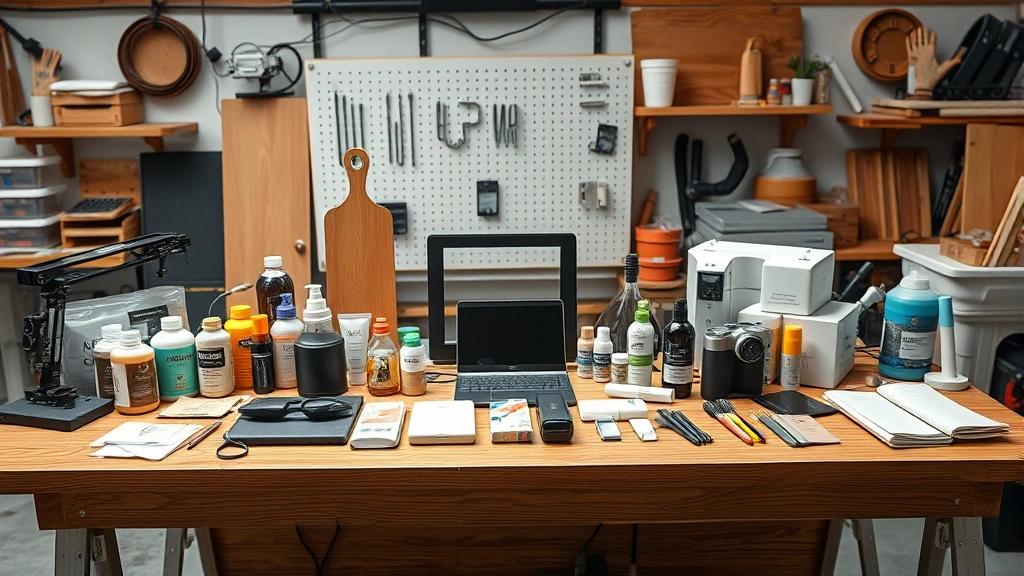
Learning how to become a product tester is your ticket to getting paid for doing what you probably already do—trying new stuff and sharing your honest opinions. Whether you’re eyeing free gadgets, cash rewards, or just want to influence the products you use daily, product testing is a legitimate side gig that’s more accessible than you think.
Table of Contents
What Is Product Testing?
Product testing is when companies pay you to use their products before they hit the market and give feedback. You’re basically a quality control specialist and market researcher rolled into one. Companies need real people—not focus groups or lab techs—to tell them if their new kitchen gadget actually works, if the packaging is confusing, or if that new energy drink tastes like cardboard.
The beauty of this gig? You get to test everything from consumer electronics to cosmetics, food products to fitness gear. You’ll write reviews, fill out surveys, answer specific questions about your experience, and sometimes participate in video testimonials. It’s straightforward work that doesn’t require special credentials or years of experience.
Types of Products to Test
The product testing landscape is huge. You might test physical products like software applications, kitchen appliances, or beauty products. Then there’s digital testing—apps, websites, and software interfaces. Some testers focus on niche categories like pet products, baby gear, or health supplements.
Food and beverage testing is particularly popular. Companies want feedback on taste, texture, packaging, and overall experience. You could be sampling new beverage formulations or evaluating snack products. The variety keeps things interesting and means there’s usually something that matches your interests and lifestyle.
Getting Started: The Basics
You don’t need special qualifications to become a product tester. Here’s what you actually need: honesty, attention to detail, and the ability to communicate clearly. Some companies prefer testers with specific demographics or lifestyles (if you’re testing running shoes, being a runner helps), but many positions are open to anyone.
Start by setting up a dedicated email address for testing opportunities. Keep your contact information consistent across all platforms. Have a quiet space where you can test products properly and write detailed feedback without distractions. You’ll also want to set aside time—testing isn’t instant cash, and quality feedback takes genuine effort.
Finding Testing Platforms
Major platforms where you can find product testing gigs include UserTesting, Respondent, TryMyUI, and Validately for digital testing. For physical products, check out Influenster, ProductTesting.com, and Pinecone Research. Many brands also run their own testing programs directly through their websites.
Don’t limit yourself to one platform. Sign up for multiple testing sites to maximize opportunities. Each platform has different companies, different products, and different qualification requirements. The more platforms you’re on, the more tests you’ll be invited to participate in. Keep a spreadsheet tracking which sites you’ve joined and your login credentials.
Building Your Tester Profile
Your profile is your resume in the product testing world. Companies use it to decide if you’re the right fit for their tests. Fill out every section completely and honestly. Include detailed information about your lifestyle, shopping habits, hobbies, and interests. The more specific you are, the better companies can match you with relevant products.
Add a professional profile photo—nothing fancy, just a clear headshot. Use your real name and accurate contact information. Update your profile regularly, especially when your circumstances change (new job, moved, different interests). Some platforms let you add previous testing experience, so mention any past work even if it wasn’t formal product testing.

Nailing Your Applications
When you see a testing opportunity that interests you, apply immediately. Spots fill up fast, and companies often choose testers quickly. Read the requirements carefully and make sure you genuinely qualify. Lying about your qualifications wastes everyone’s time and gets you disqualified.
If there’s a written application component, take it seriously. Write in complete sentences, spell-check everything, and show that you understand what the company is asking. If they want to know why you’re interested in testing their product, give a real answer. Companies can tell when you’re just going through the motions versus when you actually care about their product category.
What to Expect During Testing
Once you’re selected for a test, you’ll receive detailed instructions about what to do, how long it should take, and what feedback format they want. Some tests take 15 minutes; others span several weeks. You might test a product once or receive multiple shipments to test over time.
Document your experience as you go. Take notes on first impressions, how the product performs, any issues you encounter, and your overall satisfaction. When it’s time to write feedback, be specific. Instead of “I liked it,” explain what worked well and why. Instead of “it didn’t work,” describe exactly what went wrong and under what conditions. Companies want actionable feedback, not generic praise or complaints.
Real Talk: Earning Potential
Let’s be honest: product testing isn’t getting-rich-quick territory. Most individual tests pay between $10 and $100, with an average around $25 to $50. Some premium tests or longer commitments pay more. If you’re dedicated and get selected for multiple tests monthly, you could earn $200 to $500 extra income.
The real value often comes in free products. Many companies let you keep what you test, which means you’re essentially getting paid products for free plus a small cash reward. If you’re someone who buys lots of consumer goods anyway, this is a legitimate money-saving strategy. Some testers focus purely on the free products angle rather than cash earnings.
Avoiding Testing Scams
Legitimate product testing never requires upfront fees. If a platform asks you to pay to join, buy a “starter kit,” or pay for shipping, it’s a scam. Real testing companies make money from brands wanting feedback, not from testers.
Be wary of opportunities promising unrealistic earnings like “$500 per test” or “$10,000 monthly.” Avoid sites asking for sensitive information like your Social Security number before you’ve actually been selected for a test. Stick with established platforms that have been around for years and have real user reviews. Check FDA regulations if you’re testing health or food products to understand safety requirements.
Leveling Up Your Testing Career
As you complete more tests, you’ll build a reputation on platforms. Reliable testers who submit quality feedback on time get invited to more premium tests with better pay. Some platforms have tester levels or rankings—reaching higher levels unlocks better opportunities.
Consider combining product testing with other income streams. Many testers also do user research studies, participate in focus groups, or write product reviews. Some move into becoming brand ambassadors or micro-influencers, which pays better than basic testing. You could also explore specialized testing roles in specific industries if you have relevant expertise.

Frequently Asked Questions
How long does it take to get your first product testing gig?
It typically takes 1-4 weeks after signing up. Your profile needs to be complete, and you need to match a company’s specific requirements. Some people get selected within days; others wait longer. The key is having a fully filled-out profile and being patient while checking for new opportunities regularly.
Can you do product testing full-time?
Not realistically as your sole income. Most people treat it as a side gig earning $200-500 monthly. You could potentially earn more by combining multiple testing platforms, user research studies, and related work, but it requires significant time investment and you’ll never have guaranteed consistent income.
What happens if you don’t like the product?
Be honest about it. Companies want genuine feedback, whether positive or negative. Write detailed reviews explaining what didn’t work and why. Honest negative feedback is actually valuable—it helps companies improve products before launch. Never fake enthusiasm for products you didn’t like.
Do you have to buy anything as a product tester?
No. Legitimate testing companies send you products to test for free. You never pay for products, shipping, or platform access. If someone asks you to purchase anything, it’s a scam.
Is product testing legitimate work?
Absolutely. Major companies like Amazon, Apple, Google, and countless consumer brands run official testing programs. It’s a real market research method. Just stick with established platforms and avoid anything asking for upfront fees.
How do you get paid?
Payment methods vary by platform. Most use PayPal, direct deposit, or gift cards. Some mail checks. Always verify payment methods before starting a test so there are no surprises. Reputable platforms clearly explain how and when you’ll receive payment.
Can anyone become a product tester?
Most people can, but you need to match specific criteria for individual tests. Companies target testers based on demographics, interests, and lifestyle. You might not qualify for every test, but with a complete profile, you’ll qualify for many. The key is having realistic expectations and applying to tests where you genuinely fit the requirements.
Final Thoughts
Learning how to become a product tester opens a door to easy extra income and free products. It’s not complicated—sign up for platforms, complete your profile honestly, apply for tests that match your lifestyle, and give detailed feedback. The earnings won’t replace your day job, but the combination of cash rewards and free products makes it worthwhile, especially if you’re already a regular consumer of the products you’d be testing.
The best testers are consistent, honest, and detail-oriented. Treat your feedback seriously, meet deadlines, and maintain professional communication. As you build a track record, you’ll get invited to better-paying tests and premium opportunities. Start today by signing up for a couple of platforms and filling out your profile completely. Your first product testing paycheck could arrive sooner than you think.


