
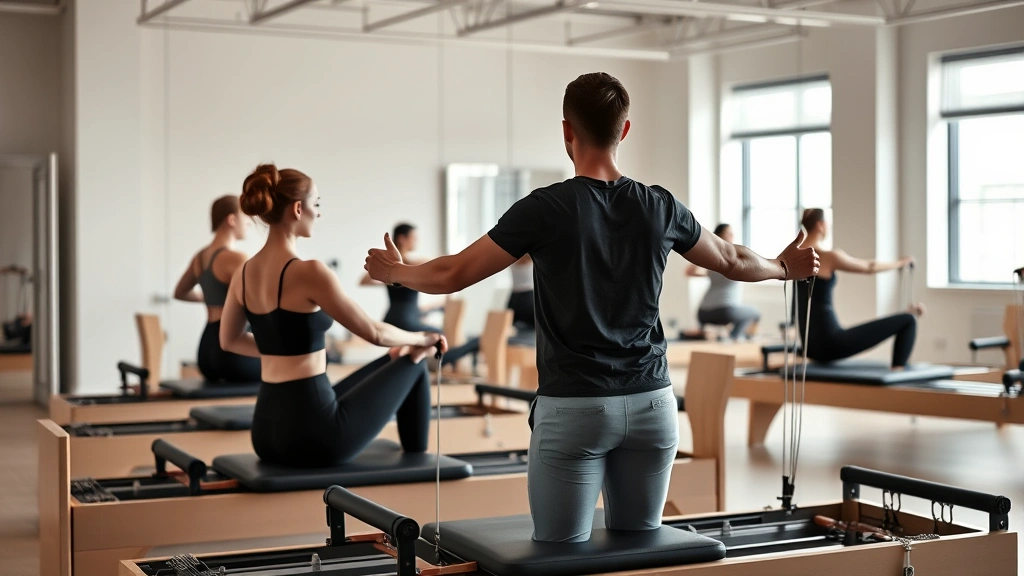
Learning how to become a pilates instructor is one of the most rewarding career paths if you’re passionate about fitness, helping others, and building a flexible work schedule. Whether you’re looking to pivot from another career or turn your pilates obsession into a full-time gig, this guide walks you through every step—from initial training to landing your first clients and building a thriving practice.
Table of Contents
Understand the Pilates Instructor Role
Before diving into certification, get crystal clear on what pilates instructors actually do. You’re not just leading a class—you’re designing personalized movement experiences, correcting form, modifying exercises for different body types, and understanding the biomechanics behind each movement. Pilates instructors work in studios, gyms, corporate wellness programs, physical therapy clinics, and as independent contractors. Some specialize in mat pilates, others focus on equipment like reformers and Cadillacs. The role demands both technical knowledge and genuine people skills. You’ll spend time assessing clients’ movement patterns, listening to their goals, and adjusting your teaching style to match their learning preferences. This isn’t a job where you just press play on a video and collect a paycheck—it’s hands-on, interactive, and deeply personal.
Assess Your Fitness Foundation
Honest self-assessment is crucial before investing time and money into certification. You don’t need to be a competitive athlete, but you should have solid foundational fitness and genuine pilates experience. Most certification programs require 100-200 hours of personal pilates practice before enrollment. Take regular classes for at least 3-6 months. Try different styles—classical, contemporary, mat-based, equipment-focused. Pay attention to how instructors cue movements, how they correct form, and how they build progressions. This observation period teaches you more than any textbook. If you’re coming from another fitness background (yoga, dance, personal training), you’ll have an advantage in understanding movement principles. However, pilates has its own philosophy and methodology that differs from other disciplines. Don’t skip the foundational practice phase—it’s where you develop the body awareness necessary to teach authentically.
Choose Your Certification Program
This decision shapes your entire instructor journey. The pilates industry isn’t federally regulated like nursing or physical therapy, so certification standards vary widely. Major organizations include the Pilates Method Alliance (PMA), International Pilates Method Association (IPMA), and various studio-specific certifications. Look for programs that offer comprehensive training in anatomy, exercise science, teaching methodology, and hands-on practice. Consider whether you want mat-only certification (300-500 hours) or comprehensive certification covering equipment (600-1000+ hours). Mat certification is faster and cheaper but limits your earning potential and job opportunities. Equipment certification opens more doors but requires more investment. Research program reputation, instructor qualifications, curriculum depth, and alumni success rates. Some programs offer hybrid models combining online theory with in-person practical training. Budget $3,000-$10,000+ for comprehensive certification. Check if the program is PMA-recognized, which carries more weight in the industry and with employers.
Complete Required Training Hours
Certification programs require documented training hours broken into theory, observation, practice teaching, and apprenticeship components. You’ll study anatomy and physiology, movement science, pilates history and philosophy, exercise progressions, and special populations (pregnancy, seniors, rehabilitation). Observation hours involve watching certified instructors teach while taking detailed notes on their cueing, class structure, and client interactions. Practice teaching means instructing other students or mentors in controlled settings where you receive feedback. Apprenticeship hours involve assisting experienced instructors with real clients under supervision. This progression is intentional—it builds your confidence gradually. Don’t rush through these hours just to check boxes. The quality of your learning directly impacts your ability to teach safely and effectively. Keep detailed records of your hours; certification bodies audit these. Some programs allow you to complete training over 6 months with intensive schedules, while others spread it over 12-24 months with part-time study. Choose the pace that matches your current commitments.
Pass Your Certification Exam
After completing your training hours, you’ll sit for a comprehensive certification exam. These typically include written sections covering anatomy, exercise science, teaching methodology, and practical demonstrations where you teach sequences to examiners. The written portion tests your knowledge of movement science and pilates principles. You might answer questions about muscle actions, exercise modifications, or how to progress a client safely. The practical portion requires you to teach a sequence, demonstrate proper form, and respond to examiner feedback in real-time. This isn’t a gotcha test—examiners want you to succeed. They’re evaluating whether you can teach safely, cue effectively, and understand the why behind each exercise. Most programs provide study guides and practice exams. Take these seriously. Join study groups with other certification candidates. Review anatomy diagrams until muscle names become second nature. Practice your teaching delivery in front of mirrors, friends, and mentors. First-time pass rates vary by program, but most serious candidates pass with adequate preparation.
Gain Practical Teaching Experience
Certification is your credential; experience is your real education. Your first teaching jobs might be group classes at studios, one-on-one sessions, or apprenticeships under experienced instructors. Start with group classes if possible—they’re lower pressure than private sessions and teach you class management, timing, and group energy. You’ll quickly learn that teaching a diverse group requires different skills than teaching individuals. Some students need more challenge, others need modifications. You’re managing energy, pacing, and individual attention simultaneously. Private sessions develop your assessment and cueing skills. You’ll spend more time with each client, understand their specific goals, and refine your ability to read body language and adjust in real-time. Many instructors start part-time while maintaining other income, then transition to full-time as their client base grows. Build relationships with studio owners and experienced instructors. Ask for feedback after every class. Video record yourself teaching (with permission) and review it critically. Notice your verbal cues, your demonstrations, your positioning relative to clients, and your overall energy. This self-awareness accelerates your development significantly.
Build Your Client Base
Once you’re certified and teaching, growing a sustainable client base becomes your business focus. If you’re working at a studio, they’ll feed you clients initially, but building loyal regulars requires excellent teaching and genuine care. Create a welcoming environment where clients feel seen and supported. Remember names, ask about their goals, celebrate their progress, and modify exercises thoughtfully. Word-of-mouth referrals are pilates gold—satisfied clients become your best marketing. If you’re building an independent practice, you’ll need to market yourself. Develop a simple website highlighting your certifications, specialties, and teaching philosophy. Use social media to share movement tips, client testimonials, and your personality. Consider offering a discounted introductory session to first-time clients. Partner with physical therapists, chiropractors, and wellness centers for referrals. Host free community classes at parks or community centers to build visibility. Network within the fitness community. Attend workshops, conferences, and industry events. Build relationships with other instructors—you’ll refer clients to each other and create a supportive community. Be patient with growth; building a thriving practice takes 1-2 years of consistent effort.
Invest in Continuing Education
Pilates is evolving constantly. New research on movement science emerges regularly. Specialized training in areas like prenatal pilates, senior fitness, rehabilitation, or athletic performance keeps your skills sharp and expands your market. Most certification bodies require continuing education credits annually (typically 12-24 hours per year). Use these requirements as motivation to deepen your expertise. Take workshops on anatomy updates, new teaching methodologies, or specialized populations. Consider advanced certifications in areas that interest you. If you love working with athletes, pursue sports-specific pilates training. If you’re passionate about pregnancy, get prenatal certification. These specializations command higher rates and attract dedicated clients. Read current research on movement, exercise science, and biomechanics. Follow industry leaders and innovators. Join professional organizations like the Pilates Method Alliance. Attend annual conferences. The instructors who thrive long-term are those who treat their education as never-ending. This keeps your teaching fresh, prevents burnout, and positions you as an expert in your niche.
Frequently Asked Questions
How long does it take to become a certified pilates instructor?
Timeline varies by program and your starting point. Mat-only certification typically takes 3-6 months of intensive study or 6-12 months part-time. Comprehensive certification covering equipment usually requires 12-24 months. If you’re starting without pilates experience, add 3-6 months of foundational practice before formal certification. Most people can realistically become certified within 12 months if they’re committed.
What’s the difference between mat and equipment pilates certification?
Mat pilates focuses on exercises using body weight and props like foam rollers and resistance bands. Equipment pilates teaches reformers, Cadillacs, barrels, and other specialized machines. Equipment certification is more comprehensive, more expensive, and opens more job opportunities. Mat certification is more accessible and faster but limits your teaching scope. Many instructors pursue mat first, then add equipment certification later.
How much does pilates instructor certification cost?
Mat-only certification ranges from $2,000-$5,000. Comprehensive certification with equipment training costs $5,000-$15,000 depending on program length, location, and reputation. Some programs offer payment plans. Consider this an investment in your career—quality training pays dividends through better teaching ability and higher earning potential.
Can you become a pilates instructor without formal certification?
Technically yes, but it’s not recommended. Certification provides credibility, legal protection, and insurance eligibility. Many studios and gyms require certification before hiring. Clients trust certified instructors more. If you’re teaching independently, certification protects you from liability claims. The investment in proper certification is worth every penny.
What’s the earning potential for pilates instructors?
Group class instructors typically earn $25-$50 per class. Private session rates range from $50-$150+ per hour depending on location, experience, and specialization. Full-time instructors teaching 15-25 classes weekly can earn $40,000-$70,000+ annually. Building a strong private client base can increase earnings significantly. Many instructors supplement with workshops, online programs, or corporate wellness contracts.
Do you need a degree to become a pilates instructor?
No formal degree is required, though some instructors pursue degrees in exercise science, kinesiology, or physical education for deeper knowledge. Pilates certification alone is sufficient for teaching. However, if you want to work in clinical settings or with rehabilitation populations, additional credentials in physical therapy or athletic training can be valuable.
What should I look for in a certification program?
Verify the program is recognized by reputable organizations like the Pilates Method Alliance. Check instructor qualifications and teaching experience. Review the curriculum depth—ensure it covers anatomy, biomechanics, teaching methodology, and hands-on practice. Look for programs with mentorship opportunities and real-world teaching experience. Read reviews from past graduates. Ensure the program fits your learning style and schedule. Don’t choose solely based on price; investing in quality training pays off long-term.
The Path Forward
Becoming a pilates instructor is absolutely achievable if you’re willing to invest time in quality training and genuine practice. The process demands more than just memorizing exercises—it requires understanding movement science, developing teaching intuition, and cultivating authentic care for your clients’ wellbeing. Start by immersing yourself in pilates practice, choose a reputable certification program aligned with your goals, complete your training hours with intention, and then commit to building your teaching practice one client at a time. The fitness industry is growing, and pilates demand continues rising as people seek low-impact, effective movement practices. Your role as an instructor extends beyond fitness—you’re helping people develop body awareness, build strength, and move with intention. That’s meaningful work. The investment in certification, the hours of study and practice teaching, and the ongoing education all become worthwhile the moment you help a client achieve a goal they thought impossible or feel genuinely strong in their own body for the first time. That’s what makes this career path special. Start your pilates journey today, stay committed to learning, and build a thriving practice that makes a real difference in people’s lives. For more on career transitions and professional development, check out how to become a 911 dispatcher or explore other professional certification paths. You can also learn about how to get a TWIC card if you’re exploring various career credentials. For additional career guidance resources, visit the Bureau of Labor Statistics at bls.gov for fitness professional employment data, check ACE Fitness for comprehensive training standards, or explore the National Academy of Sports Medicine for exercise science education.


