
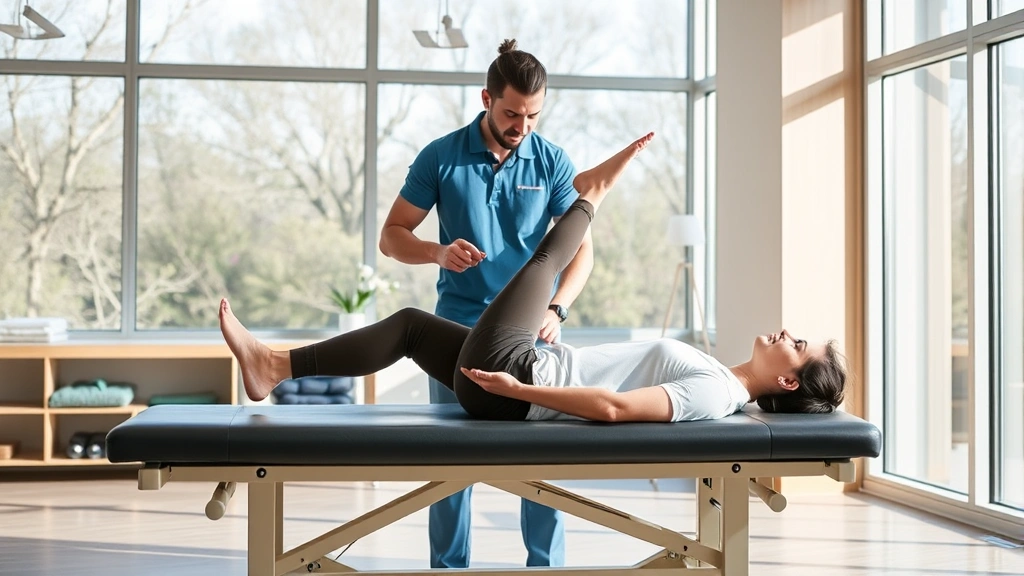
Let’s be honest—if you’re asking how to become a physical rehabilitation therapist, you’re probably drawn to hands-on work that actually changes people’s lives. Unlike sitting behind a desk, physical rehabilitation therapy puts you directly in the room with patients recovering from injuries, surgeries, or chronic conditions. It’s demanding, rewarding, and yes, it takes serious commitment. But the path is clearer than you might think.
Becoming a physical rehabilitation therapist requires a Doctor of Physical Therapy (DPT) degree, state licensure, and clinical experience. Most programs take 3 years post-bachelor’s degree, but the full journey from high school typically spans 8-10 years when you factor in prerequisites and education. The good news? The job market is solid, and there’s real flexibility in where you can work.
Education Requirements for Physical Rehabilitation Therapists
Here’s the reality: there’s no shortcut to becoming a physical rehabilitation therapist. The profession is regulated, and for good reason—you’re working with people’s bodies and recovery. The minimum education needed includes a bachelor’s degree (any major, though science-heavy ones help), prerequisite coursework, and then a Doctor of Physical Therapy degree from an accredited program.
The entire process typically takes 8-10 years from high school graduation. It’s similar to the timeline for other healthcare professions; how long it takes to become a pharmacist follows a comparable arc of undergraduate work plus specialized graduate training.
The Commission on Accreditation in Physical Therapy Education (CAPTE) sets the standards for all accredited DPT programs in the United States. This means whether you go to school in California or Massachusetts, you’re meeting the same rigorous benchmarks. That’s actually great news for job portability and professional credibility.
Pro Tip: Start thinking about prerequisites early. Many students waste time in their bachelor’s degree without realizing certain courses are non-negotiable for DPT admission. Plan ahead.
Step 1: Earn Your Bachelor’s Degree
You don’t need to major in biology or exercise science to become a physical rehabilitation therapist, but your bachelor’s degree sets the foundation. Most students pursue degrees in kinesiology, exercise science, biology, or health sciences because these programs naturally align with prerequisite requirements.
During your bachelor’s, you’ll need to complete these core prerequisites (requirements vary slightly by DPT program, so always check specific schools):
- Biology (2 semesters with labs)
- Chemistry (2 semesters with labs)
- Organic Chemistry (1-2 semesters)
- Physics (2 semesters with labs)
- Anatomy (1 semester, often human anatomy)
- Physiology (1 semester)
- Biochemistry (often required, sometimes optional)
- Statistics or research methods
- Psychology (some programs require this)
Think of your bachelor’s degree like building the foundation of a house. It doesn’t have to be fancy, but it needs to be solid. Many students take 4 years for this step, though some finish in 3 if they came in with AP credits or took summer courses.
Your GPA matters here. DPT programs are competitive, and many have minimum GPA requirements (typically 3.0, but top programs look for 3.5+). This isn’t just about getting in—it’s about demonstrating you can handle rigorous coursework, which is exactly what a DPT program demands.
Step 2: Complete DPT Prerequisites and Gain Clinical Experience
Here’s where many people stumble: prerequisites don’t always fit neatly into a bachelor’s degree timeline. Some students finish their bachelor’s and realize they need additional coursework. That’s normal. Others complete prerequisites during their bachelor’s and use their final years to gain clinical experience.
Speaking of clinical experience—this is critical. Most DPT programs require or strongly prefer that applicants have logged hours observing or working in physical therapy settings. You’re looking at 100-500 hours depending on the program, though competitive applicants often have 1,000+ hours.
How do you get these hours? Several pathways:
- Volunteer at a PT clinic: Many physical therapy clinics accept volunteers. You won’t be treating patients, but you’ll observe treatments and learn the environment.
- Work as a Physical Therapy Aide: This is the gold standard. You’ll assist licensed therapists, gain hands-on exposure, and get paid. Most require only a high school diploma or some coursework.
- Intern during college summers: Some clinics offer summer internships specifically for pre-PT students.
- Shadow a PT: Less common but possible. Reach out to local clinics and ask if you can shadow for a day or week.
The clinical experience does two things: it confirms this is actually what you want to do (trust me, some people realize they don’t like it), and it makes your DPT application infinitely stronger. Admissions committees want to see that you’ve invested time understanding the profession.
Regarding the number of credits needed to progress, how many credits you need to graduate college varies by institution, but most bachelor’s programs require 120-130 credits total. Don’t get stuck trying to over-optimize this—focus on GPA and prerequisites instead.
Step 3: Apply to and Complete a Doctor of Physical Therapy Program
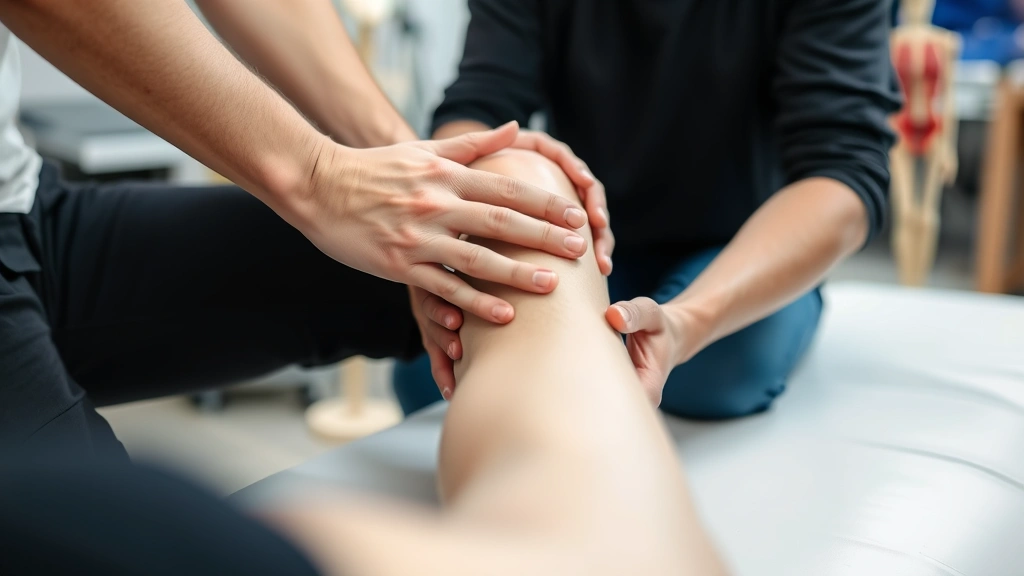
The DPT is a 3-year graduate program. Yes, three full years of intensive study. You’ll take courses in biomechanics, pharmacology, neurology, orthopedics, and a host of other clinical sciences. You’ll also complete extensive clinical internships (often called clinical rotations or practicums) where you work under the supervision of licensed physical therapists.
Application timeline: Most students apply during their final year of bachelor’s degree work. The application cycle opens in the fall, and admissions decisions come through spring and summer. You’ll start your DPT program the following summer or fall.
The application process itself includes:
- GRE (Graduate Record Exam): Most programs require this standardized test. Score requirements vary, but competitive programs often want 300+.
- PTCAS Application: The Physical Therapy Centralized Application Service (PTCAS) is where you submit your application to multiple programs at once. It’s similar to AMCAS for medical school.
- Personal Statement: You’ll write an essay explaining why you want to become a physical rehabilitation therapist. Make it genuine—admissions committees can smell canned responses.
- Prerequisite Verification: All your coursework gets verified through PTCAS.
- Interviews: If selected, you’ll interview with admissions staff. Some programs do group interviews, others one-on-one.
During the DPT program itself, expect:
- Classroom work (anatomy, physiology, pharmacology, pathology, etc.)
- Lab sessions where you practice techniques on classmates
- Clinical education experiences (usually 3-4 full-time rotations during the final year)
- Research or capstone project requirements
- Comprehensive exams
The workload is real. According to the American Physical Therapy Association (APTA), DPT students average 25-30 hours of classroom and lab time per week, plus substantial outside study time. This isn’t a part-time endeavor.
Cost is another reality check. DPT programs range from $90,000 to $250,000+ depending on whether you attend a public or private school. Many graduates carry significant student debt. Budget accordingly and explore scholarships, grants, and employer sponsorship programs.
Step 4: Pass Licensure Exams and Get Licensed
After you graduate from your DPT program, you’re not automatically a licensed physical therapist. You need to pass the National Physical Therapy Examination (NPTE) and meet your state’s specific licensure requirements.
The NPTE is a computerized exam administered by the Federation of State Boards of Physical Therapy (FSBPT). It covers:
- Systems review and musculoskeletal assessment
- Neuromuscular and nervous system assessment
- Cardiovascular and pulmonary systems
- Integumentary system
- Intervention planning and implementation
- Professional responsibilities and practice management
You typically take the NPTE within 6 months of graduation. The exam is 5 hours long and costs around $600. Pass rates are generally high (75-80% pass on first attempt), but that doesn’t mean you can wing it. You’ll want to use study materials, take practice exams, and maybe join a study group.
State licensure requirements vary slightly. Some states have additional exams or requirements (like continuing education hours before you can practice). Check your specific state’s physical therapy licensing board for details. For example, the Federation of State Boards of Physical Therapy (FSBPT) maintains a directory of state boards.
Safety Warning: Practice without a license is illegal and can result in fines and criminal charges. Don’t skip this step or try to work as a PT before you’re officially licensed.
Once licensed, you’ll need to maintain your credentials through continuing education. Most states require 20-40 hours of continuing education per renewal cycle (typically every 2 years). This keeps you current with evolving practices and research.
Step 5: Consider Specialization and Continuing Education
After you’re licensed and working, the learning doesn’t stop. Many physical rehabilitation therapists pursue specializations or certifications to deepen their expertise and increase their marketability.
Common specializations include:
- Orthopedic Specialist: Focuses on musculoskeletal injuries and post-surgical rehabilitation.
- Neurological Specialist: Works with patients recovering from stroke, spinal cord injuries, or neurological conditions.
- Sports Physical Therapy: Specializes in athletic injuries and performance enhancement.
- Pediatric Specialist: Works with children and adolescents with developmental or acquired conditions.
- Geriatric Specialist: Focuses on older adults and age-related conditions.
- Cardiovascular and Pulmonary Specialist: Works with patients with heart and lung conditions.
To become a specialist, you typically need:
- 2+ years of clinical practice in that specialty
- Completion of a specialist curriculum or coursework
- Passing a specialist certification exam
The APTA offers board certification in several specialties. These credentials are recognized nationally and often lead to higher salaries and more job opportunities.
Beyond specialization, many PTs pursue advanced degrees (like a PhD or DPT with a research focus), teaching credentials, or administrative certifications if they want to move into clinic management or academic roles.
Job Market and Career Outlook for Physical Rehabilitation Therapists
Here’s the encouraging part: the job market for physical rehabilitation therapists is strong. According to the U.S. Bureau of Labor Statistics, employment of physical therapists is projected to grow 16% from 2022 to 2032, much faster than the average for all occupations. That growth is driven by aging populations, increased prevalence of chronic conditions, and greater awareness of physical therapy’s benefits.
Median annual salary for physical therapists hovers around $95,000-$110,000, depending on location, specialization, and experience. Experienced PTs in high-demand areas (like urban centers or specialized fields) can earn $130,000+.
Where can you work?
- Outpatient clinics: The most common setting. You’ll see patients for scheduled appointments.
- Hospitals: Work with acute care patients or those in rehabilitation units.
- Home health: Travel to patients’ homes to provide therapy.
- Skilled nursing facilities: Work with elderly or post-acute care patients.
- Sports teams: Provide care to athletes at the professional, college, or high school level.
- Schools: Work with children in educational settings.
- Private practice: Own or partner in your own clinic.
- Research or academia: If you pursue advanced degrees.
The flexibility is real. You can work full-time, part-time, contract, or build your own practice. Many PTs transition between settings throughout their careers as their interests or life circumstances change.
Frequently Asked Questions
How long does it take to become a physical rehabilitation therapist?
– The complete timeline is typically 8-10 years from high school: 4 years for a bachelor’s degree, 1-2 years completing prerequisites and gaining clinical experience, and 3 years for the DPT program. After graduation, you’ll spend a few months preparing for and taking licensing exams. If you’re starting from a bachelor’s degree you already have, you’re looking at 3-5 years total.
Can I become a physical rehabilitation therapist without a DPT degree?
– No. As of 2016, the DPT is the required entry-level degree for all physical therapists in the United States. There’s no alternative pathway. You cannot practice as a PT with just a bachelor’s degree or a master’s degree in physical therapy.
What’s the difference between a physical therapist and a physical therapy assistant?
– A physical therapist (PT) has a DPT degree, is licensed, and can evaluate patients, develop treatment plans, and provide therapy. A physical therapy assistant (PTA) has an associate degree, works under PT supervision, and implements treatment plans. PTAs cannot evaluate patients or make treatment decisions. Both are valuable, but they’re different roles with different education requirements and scopes of practice.
Do I need to specialize to get a good job as a PT?
– No, but it helps. Many PTs work successfully without specialization, especially in outpatient orthopedic clinics or general practice settings. Specialization increases your marketability and earning potential, particularly if you want to work in specialized settings like sports medicine or neurology. It’s optional but increasingly common among competitive applicants.
What GPA do I need to get into a DPT program?
– Most programs have a minimum GPA of 3.0, but competitive programs often prefer 3.5 or higher. Some schools weight science courses more heavily than other coursework. Check specific programs you’re interested in—they vary. The higher your GPA, the better your chances of acceptance and potential scholarships.
Can I work while pursuing my DPT?
– It’s possible but challenging. Many DPT students work part-time during their first and second years, especially in clinical settings like PT clinics or gyms. During the final year with clinical rotations, working becomes nearly impossible. Budget accordingly and don’t underestimate the time commitment.
Is physical therapy school harder than medical school?
– They’re different challenges. DPT programs are intense but typically less competitive for admission than medical school. The curriculum is more focused (you’re not learning everything about human medicine, just the PT scope). Both require dedication and strong science knowledge. If you can handle pre-med prerequisites, you can handle DPT prerequisites.
What’s the job outlook for physical therapists?
– Excellent. The Bureau of Labor Statistics projects 16% job growth through 2032, which is much faster than average. Aging populations and increased chronic disease prevalence drive demand. You shouldn’t have trouble finding work, especially if you’re willing to relocate or work in less desirable settings (like rural areas or nursing homes).
Can I become a PT if I didn’t major in biology or exercise science?
– Absolutely. Your bachelor’s degree can be in anything. You just need to complete the prerequisite coursework (which you can do during your bachelor’s or after). Some students major in business, English, or psychology and still become excellent PTs. The prerequisites matter; the major doesn’t.
How much does a DPT program cost?
– It varies widely. Public universities might cost $90,000-$120,000 total (in-state tuition), while private schools can run $180,000-$250,000+. Many students take out loans and graduate with $100,000-$150,000 in debt. Research financial aid options, scholarships, and employer sponsorship programs. Some employers will pay for your education if you commit to working for them afterward.
Becoming a physical rehabilitation therapist is a significant commitment, but it’s a rewarding career path with solid job prospects, good earning potential, and the satisfaction of directly improving people’s lives. If you’re willing to invest the time and effort, the profession is absolutely worth it.


