How to Become a Model: The Essential Guide for Success
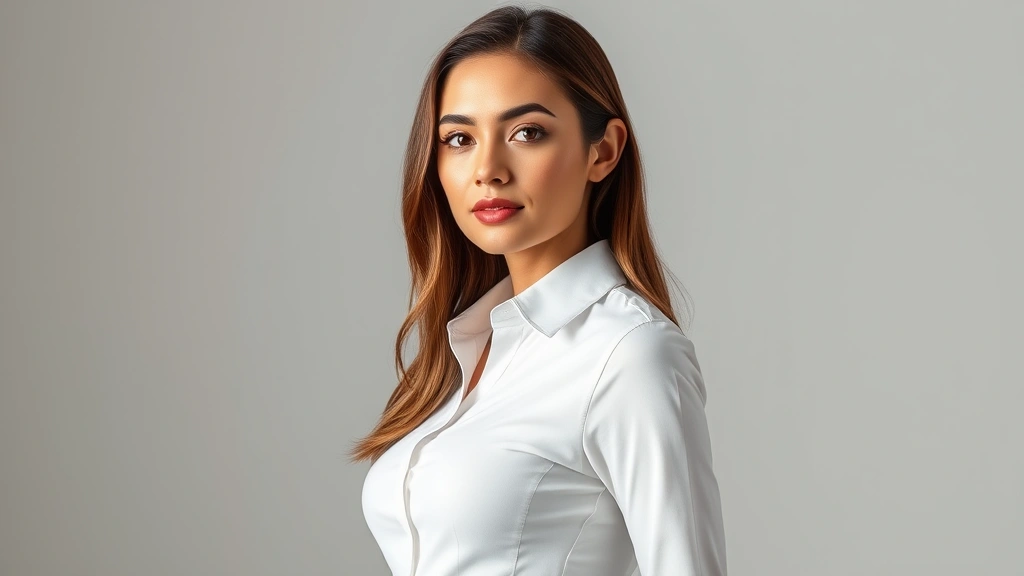
Breaking into the modeling industry requires more than just good looks—it demands strategic planning, persistence, and a clear understanding of the business. Whether you’re interested in fashion, commercial, or specialized modeling, learning how to become a model involves building a portfolio, finding legitimate representation, and developing professional skills. This comprehensive guide walks you through every step to launch your modeling career successfully.
Quick Answer: To become a model, start by assessing your look and identifying your niche (fashion, commercial, plus-size, or specialty), build a basic portfolio with professional headshots, research and contact reputable modeling agencies in your area, attend open calls or submit applications with your photos and measurements, and continuously develop your skills through training and networking while maintaining professionalism on social media platforms.
Tools & Materials You’ll Need
- Professional headshots and portfolio photos (or budget for a photographer)
- Measuring tape for accurate measurements
- Modeling comp cards or digital portfolio
- Social media accounts (Instagram, TikTok)
- Professional email address
- Notebook or digital tracker for agency contacts
- Wardrobe basics (solid colors, fitted clothing)
- Reliable transportation
- Acting or modeling classes (optional but beneficial)
Assess Your Look and Modeling Type
Understanding how to become a model starts with recognizing which modeling category fits your physical attributes and goals. The modeling industry isn’t one-size-fits-all; different agencies represent different types of models, and your success depends on finding the right fit for your unique characteristics.
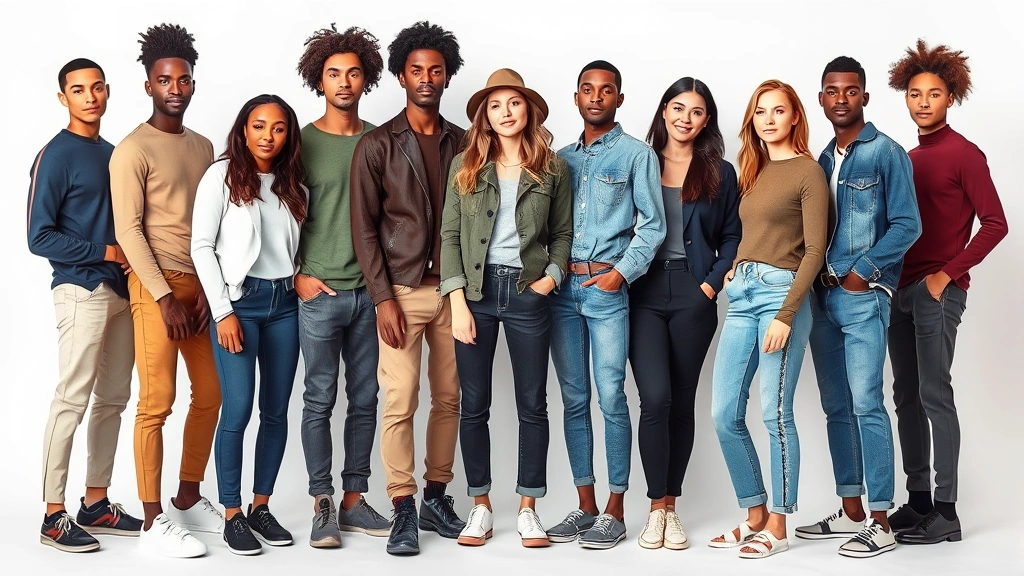
Fashion modeling typically requires models between 5’9″ and 6’0″ for women and 5’11” to 6’3″ for men, with specific body measurements. Commercial modeling is more flexible and includes people of various heights, body types, and ethnicities—this category often pays well and is more accessible. Plus-size modeling has grown significantly and typically starts at size 12 and above. Petite modeling is for women under 5’7″, while specialty modeling includes parts modeling (hands, feet), mature modeling, or character-specific roles.
Be honest about your category. Research successful models who share similar features and body types, then follow their career paths. This self-assessment prevents wasted time pursuing categories where you’re unlikely to succeed and helps you focus on how to become a model in your specific niche.
Build Your Initial Portfolio
A strong portfolio is essential when learning how to become a model. You don’t need extensive professional photos initially, but you need quality images that showcase your versatility and professionalism. Start with a basic portfolio containing 8-12 images that demonstrate different looks, expressions, and styles.
Your portfolio should include a natural headshot with minimal makeup, a full-body shot in fitted clothing, and 2-3 additional photos showing different styles or expressions. Consider hiring a local photographer for a 2-3 hour session, which typically costs $100-$300 and yields multiple usable images. Alternatively, work with photography students building their portfolios—they often collaborate for discounted rates or trade work.
Ensure all portfolio images are well-lit, in focus, and show your natural features clearly. Avoid heavy filters, excessive editing, or artistic effects that don’t represent how you actually look. Your portfolio is your first impression, and agencies need to see the real you. As you gain experience, your portfolio will evolve with professional shots from actual modeling jobs.
Get Accurate Measurements and Headshots
Precise measurements are critical in the modeling industry, and how to become a model includes mastering this requirement. Agencies need exact numbers to match you with appropriate jobs. Measure your height, bust, waist, hips, shoe size, and clothing sizes. Have someone help you measure to ensure accuracy, and take measurements while wearing fitted clothing.
Professional headshots deserve special attention. Your headshot is often the first thing casting directors see, and it must be current, flattering, and representative of your actual appearance. A good headshot shows your face clearly, uses natural lighting, and captures your personality. Invest in 2-3 professional headshots from a reputable headshot photographer ($150-$400), or use high-quality photos from your portfolio session.
Keep your headshots updated every 6-12 months, especially if you change your hair color, style, or appearance significantly. Many successful models maintain multiple headshots showing different looks—natural, glam, or character variations. This flexibility helps casting directors envision you in different roles and increases your booking opportunities.
Research and Find Legitimate Agencies
Finding the right modeling agency is crucial for how to become a model successfully. Legitimate agencies represent you, negotiate contracts, and connect you with legitimate jobs. Start by researching agencies in your area through industry directories, the Better Business Bureau, and online reviews.
Red flags include: Agencies that charge upfront fees, guarantee jobs, ask for money before representation, or pressure you into classes or photo packages. Legitimate agencies make money only when you make money—they take a commission (typically 10-20%) from your earnings. According to resources from WikiHow, reputable agencies never charge application fees or require you to use their photographers.
Research agencies thoroughly before contacting them. Check their client roster, recent campaigns, and online presence. Look for agencies affiliated with major industry organizations. Contact multiple agencies—don’t put all your hopes into one. Each agency has different requirements and specializations, so casting a wider net increases your chances of representation. Keep detailed notes on each agency you contact, including submission dates and follow-up information.
Submit Your Application Professionally
Learning how to become a model includes mastering the submission process. Most agencies accept submissions through their websites or at open calls. When submitting digitally, follow their specific requirements exactly—agencies receive hundreds of submissions and may reject applications that don’t follow guidelines.
Your submission typically includes recent photos (usually headshot and full-body), your measurements, contact information, and sometimes a brief bio. Write a professional email that’s concise and confident without being arrogant. Mention your modeling category, any relevant experience, and why you’re interested in that specific agency. Proofread everything carefully; typos and grammatical errors create a poor first impression.
Include your best photos—the ones that most accurately represent you and align with the agency’s client base. Many agencies request specific photo formats or sizes, so pay attention to these details. If the agency requests a video introduction, keep it brief (30-60 seconds), professional, and natural. Smile, make eye contact with the camera, and introduce yourself clearly. Remember that managing your online presence through platforms like Instagram is also important; you might want to learn how to turn off active status on Instagram to maintain privacy while building your modeling brand.
Prepare for Auditions and Open Calls
Once you’ve submitted applications, prepare yourself for auditions and open calls—this is where how to become a model becomes practical and real. Arrive early, dress appropriately for the modeling category you’re pursuing, and bring copies of your headshots and measurements. Wear minimal makeup and avoid heavy jewelry or busy patterns that distract from your appearance.
During auditions, maintain professional composure and confidence. Make eye contact, speak clearly, and follow instructions precisely. Casting directors often ask you to walk, turn, or pose in specific ways—do exactly what they request without adding personal interpretation. They’re assessing your ability to take direction, not your creativity. Even if you don’t feel the audition went well, maintain professionalism; you never know who you might work with in the future.
Bring a notebook to open calls to write down important information, next steps, and contact details. Ask questions about the agency’s representation structure, commission rates, and expectations. This information helps you make informed decisions about which agencies to pursue. Don’t expect immediate feedback; agencies typically contact selected models within 1-2 weeks.
Develop Your Professional Brand
In today’s digital age, understanding how to become a model includes building a strong online presence. Social media is a powerful tool for showcasing your work, connecting with industry professionals, and attracting potential clients. Instagram is particularly important in modeling—maintain an active, professional account with high-quality photos that reflect your modeling category.
Post consistently (2-3 times weekly), engage with followers, and use relevant hashtags to increase visibility. Share behind-the-scenes content, professional shots, and updates about your modeling journey. However, maintain a balance between personal content and professional work. Casting directors review your social media, so ensure all content is appropriate and reflects the professional image you want to project. Understanding how to hide followers on Instagram can help you manage your privacy while maintaining a professional public profile.
Build relationships with photographers, makeup artists, and other models. Networking is invaluable in the modeling industry. Attend industry events, fashion shows, and networking mixers. Join online modeling communities and forums where you can ask questions, share experiences, and learn from established models. These connections often lead to collaborations, referrals, and opportunities that accelerate your modeling career.
Avoid Scams and Red Flags
The modeling industry attracts scammers who prey on aspiring models’ dreams. Learning how to become a model safely means recognizing and avoiding common scams. Never pay upfront fees for representation, portfolio development, or classes required by an agency. Legitimate agencies invest in their models and make money from commissions on actual jobs.
Be wary of agencies that guarantee jobs, promise specific earnings, or pressure you into expensive photo shoots with their recommended photographers. Avoid anyone requesting personal information beyond what’s necessary for professional representation. According to Consumer Reports, always research agencies thoroughly and check for complaints with the Better Business Bureau before signing any contracts.
Trust your instincts. If something feels uncomfortable or suspicious, it probably is. Legitimate professionals in the modeling industry respect boundaries and conduct business ethically. Never attend auditions or meetings alone in private locations; always bring a parent or trusted friend if you’re under 18. Protect your personal information and never share financial details or passwords with unverified sources.
If you’re building your digital presence, also be cautious about app management. Understanding how to find hidden apps on iPhone can help you monitor what’s installed on your device and protect against malicious applications. Similarly, knowing how to clear Instagram cache helps maintain your device’s performance and privacy. For those managing multiple apps, learning how to update apps on iPhone ensures you have the latest security features.
FAQ
What’s the minimum age to become a model? Most agencies represent models age 16 and older, though some accept younger models with parental consent. Child modeling has different regulations and requirements.
Do I need to be a certain height to become a model? Height requirements vary by modeling category. Fashion modeling typically requires specific heights, but commercial and plus-size modeling are more flexible. Research your specific category for requirements.
How much does it cost to become a model? Starting costs include professional photos ($100-$500) and possibly classes or training ($50-$300). However, legitimate agencies never charge representation fees. Avoid paying large upfront costs.
How long does it take to become a model? Timeline varies significantly. Some models book jobs within weeks; others take months or years. Success depends on your look, category, location, persistence, and market conditions. Stay patient and professional.
Can I become a model without an agency? Yes, many models work independently through social media and direct client connections. However, agencies provide valuable industry connections, contract negotiation, and legitimacy that accelerate most modeling careers.
What should I include in my modeling portfolio? Include headshots, full-body shots, and 6-10 additional images showing different looks and styles. Ensure all photos are well-lit, in focus, and represent your actual appearance without heavy filters or editing.
How do I know if a modeling agency is legitimate? Legitimate agencies have established client rosters, online presence, industry affiliations, and never charge upfront fees. Research through the Better Business Bureau and industry directories before signing anything.
Should I take modeling classes before applying to agencies? While not required, modeling classes can improve your confidence, posing skills, and runway techniques. Many successful models take classes after securing representation, when their agency recommends them.
Learning how to become a model requires dedication, professionalism, and realistic expectations. The industry is competitive, but with the right preparation, persistence, and strategy, you can build a successful modeling career. Start by assessing your unique attributes, building a strong portfolio, researching legitimate agencies, and developing your professional brand. Stay safe, avoid scams, and remember that rejection is part of the process—every successful model has faced it. With determination and the right approach, you can turn your modeling aspirations into reality. As reviewed by Family Handyman and similar resources, success in any field requires foundational knowledge and proper planning. Apply these principles to your modeling journey and watch your career flourish.