
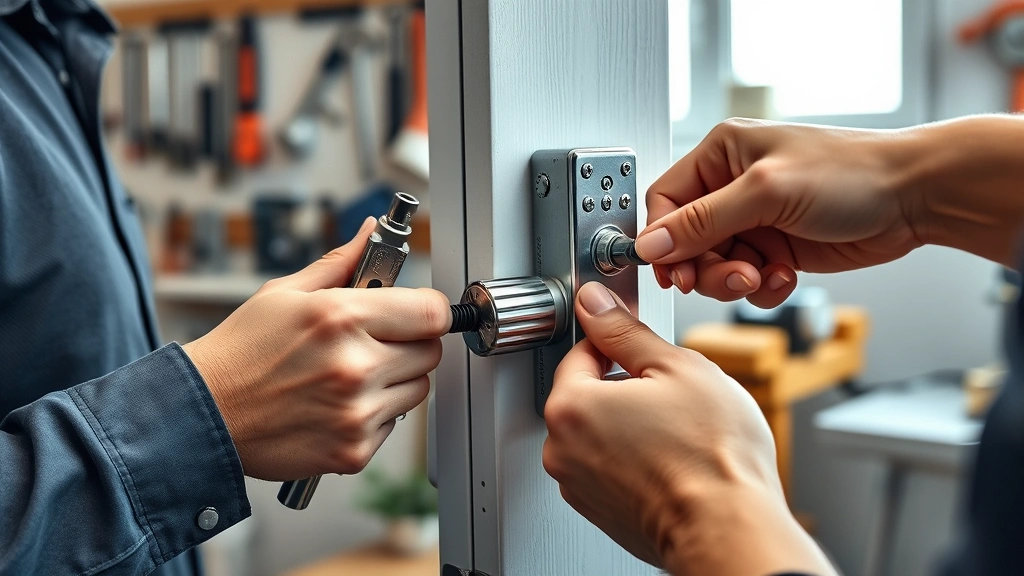
Learning how to become a locksmith is a practical career path that combines hands-on craftsmanship with problem-solving skills, offering solid job security and the satisfaction of helping people regain access to their homes and businesses. Whether you’re drawn to the technical side of locks, the entrepreneurial opportunity, or simply want a trade that’ll always be in demand, becoming a locksmith is an achievable goal that doesn’t necessarily require a four-year degree.
Table of Contents
Understanding the Locksmith Trade
Before diving into training, you need to understand what locksmiths actually do day-to-day. This isn’t just picking locks in movies—it’s a legitimate trade that requires precision, trust, and technical knowledge. Locksmiths install, repair, and maintain locks on residential and commercial properties. They might rekey locks after a tenant moves out, extract broken keys, install high-security systems, or help homeowners regain access when they’ve lost their keys.
The work is varied, which keeps the job interesting. One hour you’re at a residential house rekeying after a break-in, the next you’re at a commercial building installing an electronic access system. You’ll interact with customers directly, so communication skills matter as much as technical ability. This is a trade where your reputation and reliability are everything—people call locksmiths when they’re locked out and stressed, so staying calm and professional is part of the job description.
Education and Training Requirements
Unlike some trades, there’s no single path to becoming a locksmith. Most states don’t require formal education beyond high school, but that doesn’t mean you can skip training. You need hands-on experience with actual locks, tools, and real-world scenarios. A high school diploma or GED is typically the baseline requirement, though some employers prefer applicants with basic mechanical aptitude demonstrated through shop classes or technical coursework.
Many community colleges and trade schools now offer locksmith programs ranging from a few months to a year. These programs cover lock mechanisms, security systems, key cutting, and business practices. While not always required, having formal training from an accredited program gives you credibility and can accelerate your path to employment. Some programs also include ALOA (Associated Locksmiths of America) certification prep, which is a major advantage in the field.
Choosing Your Apprenticeship Path
The traditional route—and still the most common—is the apprenticeship model. You work under an experienced locksmith, learning on the job while earning a wage. Most apprenticeships last 4-5 years, with gradually increasing responsibility and pay. This is where you’ll develop the muscle memory for picking locks, the intuition for diagnosing lock problems, and the customer service skills that make you valuable.
When seeking an apprenticeship, look for established locksmith shops in your area. Call them directly and ask about opportunities. Many small locksmith businesses are family-run or owner-operated, so the owner might take on one or two apprentices. Be prepared to start at the bottom—you might spend your first months just observing, organizing tools, and learning terminology. That’s normal and necessary. The advantage of apprenticeship is that you’re learning current techniques and building relationships in your local locksmith community from day one.
Alternatively, some people combine formal training with apprenticeship. You might complete a 6-month locksmith program at a trade school, then apprentice for 2-3 years to round out your skills and get licensed. This hybrid approach can actually be faster and shows employers you’re serious about the craft.
Licensing and Certification Process
Licensing requirements vary significantly by state and even by city. Some states have minimal requirements, while others require extensive background checks, training hours, and exams. You’ll need to research your specific state’s regulations—check with your state’s Department of Labor or licensing board. Many states require locksmiths to be bonded and insured, which protects customers and gives you legal protection too.
The ALOA certification is voluntary but highly respected. It’s not required by law, but employers and customers recognize it as proof of competence. To earn ALOA certification, you need documented work experience (usually 5 years) and must pass a comprehensive exam covering lock mechanisms, security principles, and ethical practices. Getting certified shows you’re committed to professional standards and continuing education.
Background checks are standard in this industry—you’re literally being trusted with access to people’s homes and businesses. A clean record is essential. Some states also require locksmiths to maintain continuing education credits to keep their license active, so factor in ongoing learning costs and time.
Technical Skills You’ll Need
Lock picking is the skill everyone thinks about, but it’s just one piece of the puzzle. You need to understand how locks work mechanically—the pins, springs, cylinders, and shear lines that make them function. This knowledge lets you diagnose problems, rekey locks, and pick them when necessary. Precision is crucial; locks are mechanical devices with tolerances measured in fractions of millimeters.

Key cutting is another core skill. Modern key machines are computerized, but you still need to understand key profiles, blank types, and how to operate the equipment safely and accurately. You’ll also need to learn about different lock types: pin tumbler, wafer, tubular, mortise, and electronic locks all require different approaches. Security systems knowledge is increasingly important—many modern locks integrate with smart home systems and electronic access controls.
Beyond the technical side, customer service and communication matter tremendously. You’re often the person helping someone in a stressful situation. Being able to explain what’s wrong with their lock, why you need to do certain things, and what it’ll cost builds trust. Problem-solving skills are essential too—every lock and security situation has unique aspects, so you can’t just follow a script.
Tools and Initial Investment
Starting a locksmith business requires a significant tool investment. Basic lock picking tools, key machines, and diagnostic equipment can run $3,000-$10,000 to start. You’ll need lock picks in various styles, tension wrenches, key cutting machines (new ones are $2,000-$5,000, though used ones cost less), plug spinners, and specialized screwdrivers. Many locksmiths start with hand tools and gradually add power tools and machines as their business grows.
Don’t cheap out on tools. Quality lock picks and key machines make the work faster and more professional. Poor tools frustrate you and make you look unprofessional to customers. Budget for a well-stocked tool bag that you can carry to jobs, plus a workshop setup for more involved work. You’ll also need a vehicle for mobile locksmith work, and that needs to be reliable since you’re the business.
Insurance is another crucial investment. General liability insurance protects you if something goes wrong at a job site. Bonding is often legally required. These costs vary by location and business size, but budget $1,000-$2,000 annually. It’s not optional—it’s how you protect your business and your customers.
Starting Your Locksmith Business
Once you’re trained, licensed, and certified, you have two paths: work for an established locksmith company or start your own business. Working for someone else lets you build experience, get steady paychecks, and learn the business side before taking on all the risk. Many people spend 5-10 years working for others before launching their own shop.
Starting your own locksmith business requires business planning beyond just technical skills. You need to handle licensing, insurance, bonding, business registration, and tax setup. You’ll need a reliable vehicle with signage, a website or online presence, and a phone system that customers can reach you on. Marketing in the locksmith business is different than many trades—you need to be findable when someone searches “locksmith near me” in an emergency.
Building relationships with property managers, real estate agents, and commercial businesses provides steady work. Many successful locksmiths get 30-50% of their business from recurring commercial clients who trust them for maintenance and emergency calls. Start local, build your reputation, and expand from there.
Income and Career Growth
Locksmith income varies widely by location, experience, and whether you’re employed or self-employed. Entry-level locksmiths might earn $30,000-$40,000 annually. Experienced locksmiths working for established companies often make $45,000-$65,000. Self-employed locksmiths who build a strong client base can earn $60,000-$100,000+ annually, especially if they specialize in high-security or commercial work.
Emergency locksmith calls (nights, weekends, holidays) command premium rates, and many customers are willing to pay for fast response. This is where self-employed locksmiths have an advantage—you can set your own rates and choose which jobs to take. As you gain reputation and skills, you can specialize in lucrative niches like automotive locksmithing, safe opening, or high-security commercial systems.
The locksmith trade also offers career growth beyond just earning more money. You can expand from residential to commercial work, specialize in specific lock types or security systems, or eventually employ other locksmiths and run a larger operation. Some locksmiths transition into security consulting, designing access control systems for businesses, or teaching other locksmiths.

Frequently Asked Questions
How long does it take to become a locksmith?
Most people take 4-5 years through traditional apprenticeship, or 1-2 years if combining formal training with apprenticeship. Licensing requirements vary by state, so check your local regulations. The timeline also depends on how quickly you find quality training and how much experience you gain.
Do I need a license to be a locksmith?
Licensing requirements vary by state and city. Some areas have minimal requirements, while others require extensive training, exams, background checks, and bonding. Research your specific location’s Department of Labor or licensing board requirements before investing in training.
What’s the difference between a locksmith and a security professional?
Locksmiths focus on locks, keys, and physical access. Security professionals design broader security systems including cameras, alarms, and access control. Many locksmiths expand into security work, but they’re distinct fields with different training and licensing.
Can I learn locksmithing online?
You can learn theory and mechanics online through courses and videos, but hands-on practice with actual locks is essential. Most people combine online learning with in-person apprenticeship or training. You cannot become fully competent picking locks or cutting keys without physical practice.
What skills help you succeed as a locksmith?
Technical precision, problem-solving, patience, and customer service are crucial. You also need physical dexterity, mechanical aptitude, and the ability to work independently. Business skills matter if you’re self-employed. Honesty and reliability are non-negotiable—people trust you with their security.
Is locksmithing a good career choice?
Yes, for the right person. It’s a skilled trade with steady demand, decent income potential, and the satisfaction of helping people. You work with your hands, solve problems, and build relationships with customers. The downside is irregular hours if you’re self-employed and the physical demands of the work.
Getting Started on Your Locksmith Journey
Learning how to become a locksmith is achievable whether you’re 18 or changing careers. Start by researching your state’s specific requirements, then pursue training through either formal programs or apprenticeship. The key is getting hands-on experience with real locks under someone’s guidance. Build your skills systematically, get certified when you’re ready, and start building your reputation from day one. This is a trade where your expertise and reliability directly translate to income and job security. If you enjoy solving mechanical problems, helping people, and working independently, locksmithing offers a rewarding career path that you can build into whatever direction interests you most.
For more information on technical skills and tools, you might find it helpful to understand how to work with precision equipment—similar to how long to let super glue dry on stripped screw when dealing with delicate mechanical work. Additionally, staying organized with your business documentation is important, much like learning how to make drop down list in excel for tracking your appointments and inventory. And when you need to manage your business computer efficiently, knowing how to open task manager and restart computer keeps your operations running smoothly.
For authoritative information on trade careers, visit Family Handyman’s career resources, check This Old House’s trade guides, and explore Bob Vila’s professional recommendations.


