

Learning how to become a home inspector is a practical path into a rewarding career that combines detective work with hands-on property knowledge. If you’ve ever walked through a house and noticed things others miss—foundation cracks, electrical quirks, roof wear—you might have the eye for this job. Home inspectors are the gatekeepers between buyers and costly surprises, and they’re in steady demand across the country.
Table of Contents
Education Requirements
There’s no single path to becoming a home inspector, but education is your foundation. Most states require some form of formal training before you can get licensed. You’ll typically need a high school diploma or GED at minimum, but that’s just the starting line.
Look for accredited home inspection schools in your state. Many offer online courses ranging from 50 to 300+ hours depending on your state’s requirements. The National Home Inspector Examination (NHIE) is recognized across most states as the standard certification test. Courses covering building systems, electrical, plumbing, HVAC, roofing, and structural components are essential. Think of it like learning to read a house’s body language—you need to understand how all the systems talk to each other.
Some inspectors come from construction, real estate, or skilled trades backgrounds. That experience gives you a head start on understanding how buildings actually work versus how they’re supposed to work on paper.
Licensing and Certification
Licensing requirements vary dramatically by state. Some states have strict regulations; others are wide open. Check your state’s real estate commission or department of professional regulation website for specific requirements. You’ll likely need to pass the NHIE or a state-specific exam, complete required coursework, and potentially work under a mentor inspector for a set number of hours.
Beyond state licensing, pursuing credentials from organizations like the American Society of Home Inspectors (ASHI) or the National Association of Certified Home Inspectors (NACHI) boosts your credibility. These memberships often require passing their exams, maintaining continuing education, and following a code of ethics. It costs money upfront, but clients see these certifications as proof you’re serious about the work.
Many inspectors get errors and omissions (E&O) insurance, which protects you if someone claims you missed something critical. It’s not always legally required, but it’s professionally smart.
Hands-On Training Path
Classroom learning only gets you so far. You need to get your hands dirty—literally. Most states require apprenticeship hours under an experienced inspector before you can work independently. This typically ranges from 50 to 500 hours depending on your location.
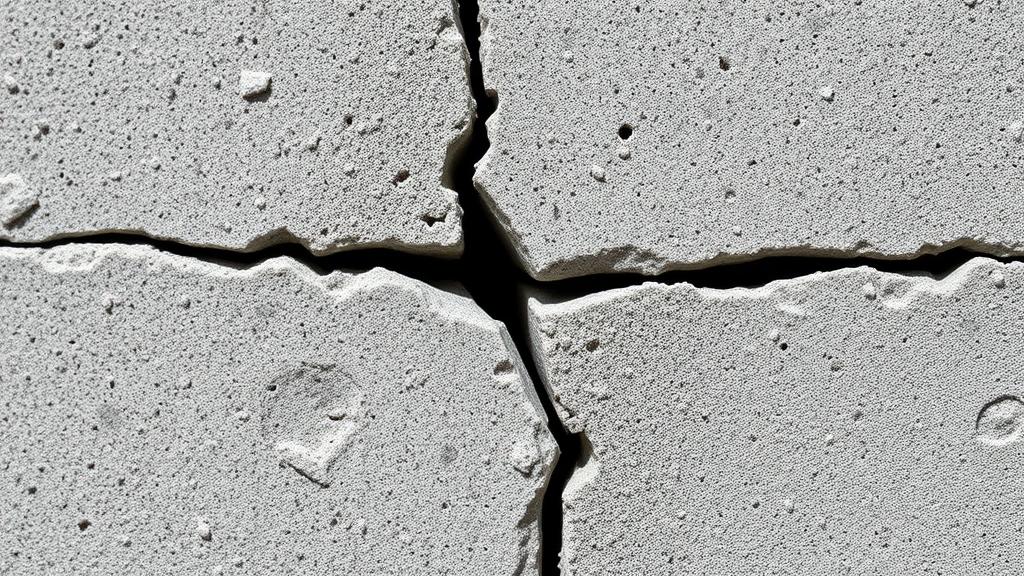
Shadow experienced inspectors on actual jobs. Watch how they move through a house, what questions they ask sellers, how they document findings, and how they interact with real estate agents. This is where you learn the rhythm of the job. You’ll see how a small water stain might indicate a roof leak from three seasons ago, or how certain foundation cracks are cosmetic while others signal serious structural issues.
During this apprenticeship phase, ask questions constantly. Why did they tap that wall? What made them check under the kitchen sink so carefully? These habits become your inspection routine. You’re building muscle memory for spotting problems before they become expensive disasters.
Build Technical Skills Fast
A home inspector needs to understand residential building systems at a functional level. You don’t need to be a master electrician or plumber, but you need to recognize when something’s wrong. Start learning about:
- Structural systems: Foundations, framing, load-bearing walls, settlement patterns
- Electrical: Panel capacity, grounding, outdated wiring like aluminum or knob-and-tube
- Plumbing: Water supply, drainage, common materials, code violations
- HVAC: Furnace and AC efficiency, ductwork, ventilation
- Roofing: Material types, age estimation, flashing, ventilation
- Exterior: Siding, windows, doors, grading, drainage
- Interior: Walls, ceilings, floors, moisture issues
YouTube and manufacturer websites are goldmines. Watch videos on how systems fail, not just how they work. Understanding failure modes is what separates competent inspectors from mediocre ones. When you look at a water heater, you should know its typical lifespan, common failure points, and what proper installation looks like.
Consider getting certifications in specialized areas like mold inspection, radon testing, or wood-destroying insect inspections. These add revenue streams and make you more valuable to clients. Many real estate transactions now include these add-on inspections, and being able to offer them keeps money in your pocket.
Start Your Inspection Business
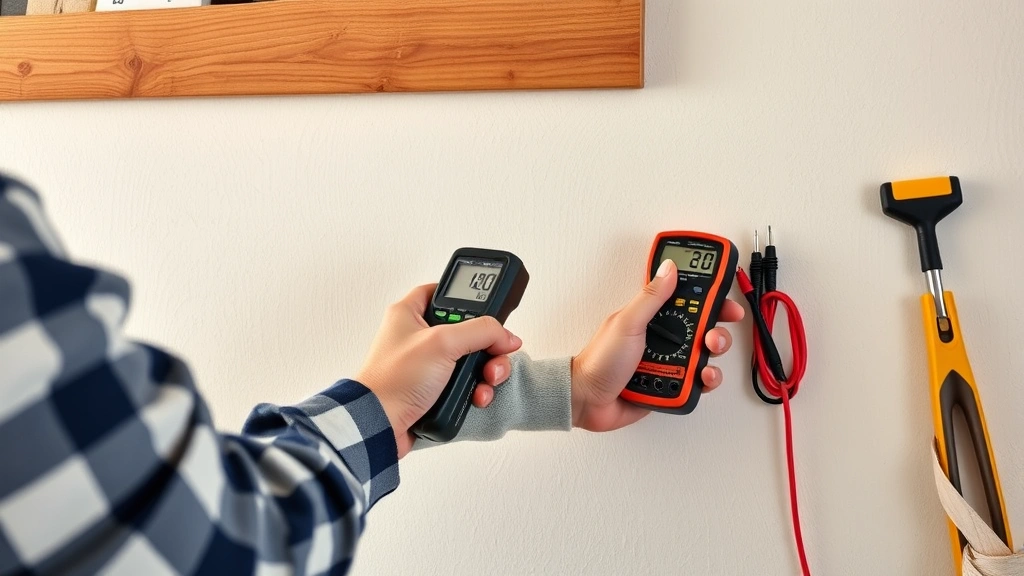
Once licensed, you can work for an established inspection company or launch your own operation. Starting solo is realistic because overhead is relatively low. You’ll need:
- Inspection tools: moisture meter, thermal imaging camera, multimeter, flashlight, ladder, magnifying glass
- Reporting software: Programs like HomeGauge, Spectora, or InterNACHI’s software streamline documentation
- Insurance: E&O coverage and general liability
- Vehicle: Reliable transportation to job sites
- Marketing: Website, business cards, local networking
Your first inspections might come through working with a local real estate office. Build relationships with agents—they’re your primary source of referrals. Deliver thorough, professional reports quickly, and agents will send work your way consistently.
Pricing varies by region and market. Some inspectors charge flat fees ($300-600 for a standard home), while others charge per square foot. Research your local market and position yourself competitively while maintaining quality.
Marketing and Growth Strategy
Word-of-mouth is your best marketing tool, but you need to earn it. Deliver exceptional reports, respond to questions promptly, and be professional in every interaction. Real estate agents and lenders will recommend you if you make their jobs easier.
Build a simple website showcasing your credentials, service areas, and pricing. Include testimonials from satisfied clients. Join local business groups and attend real estate office meetings to network. Consider sponsoring a hole at a charity golf tournament where agents gather—it’s a small investment with good visibility.
Google My Business listings help local clients find you. Encourage satisfied customers to leave reviews. Many inspectors build their entire practice on referrals and never spend money on advertising beyond their website.
As you grow, consider hiring other inspectors to handle overflow work. This scales your income without scaling your hours proportionally. You become a business owner managing inspectors rather than just doing inspections yourself.
Income and Career Growth
Home inspectors typically earn $50,000 to $100,000+ annually, depending on location, experience, and how many inspections they complete. A typical inspection takes 2-4 hours, and you might do 2-4 per week once established. The math works out to solid middle-class income with flexibility.
Seasonal variation affects income in most markets. Spring and summer are busy; winter is slower. Plan your finances accordingly. Some inspectors offset this by offering related services like radon testing, termite inspections, or pool inspections during slower months.
Advancement means building reputation and efficiency. Experienced inspectors complete inspections faster while maintaining quality, increasing their hourly rate effectively. Some transition to managing other inspectors, consulting for real estate offices, or specializing in commercial properties, which command higher fees.
Common Mistakes to Avoid
New inspectors often rush through properties trying to complete inspections quickly. Slow down. Thorough documentation prevents liability issues and builds your reputation. Missing a major issue isn’t worth the time saved.
Don’t skip the attic, crawlspace, or basement. These areas reveal the most about a property’s condition. Many problems hide in these spaces. Your job is finding them.
Avoid making repair recommendations beyond your scope. You identify problems; contractors estimate costs. Staying in your lane prevents conflicts and liability. Refer clients to qualified contractors for estimates.
Many new inspectors undercharge to get business. This backfires by attracting price-sensitive clients who complain more and refer less. Charge appropriately for your expertise and time. Quality clients respect fair pricing.
Don’t neglect continuing education and staying current with building codes. Standards change, new materials appear, and your knowledge must evolve. ASHI and NACHI memberships require ongoing education—embrace it.
Related to understanding home systems, knowing how much it costs to pump a septic tank helps you understand maintenance costs clients face. Similarly, understanding how long caulk takes to dry shows you recognize proper maintenance practices in homes you inspect.
Frequently Asked Questions
How long does it take to become a home inspector?
Realistically, 6-12 months from starting coursework to getting licensed and your first job. If you need apprenticeship hours, add another 3-6 months. Some people move faster if they already have construction or trade experience.
Do I need a college degree?
No. A high school diploma or GED is typically sufficient. Home inspection is a skilled trade, not a degree-requiring profession. Your knowledge comes from specialized training and experience, not general education.
What’s the hardest part of becoming a home inspector?
Getting your first inspections is the toughest part. You need relationships with real estate agents and lenders who send you work. Spend time building those connections before you quit your current job.
Can I do home inspections part-time?
Yes, many inspectors start part-time while employed elsewhere. You can build a client base and transition to full-time once you have consistent work. Just ensure you meet your state’s licensing requirements.
What’s the difference between ASHI and NACHI?
Both are professional organizations with similar standards and requirements. ASHI is slightly older and more established; NACHI is more accessible to new inspectors. Many inspectors join both. Check which is more recognized in your local market.
How much does inspection training cost?
Courses range from $1,000 to $5,000+ depending on depth and location. Some states have lower requirements than others. Factor in exam fees, licensing fees, and E&O insurance as additional costs.
What tools do I absolutely need starting out?
Moisture meter, multimeter, flashlight, ladder, and reporting software are essentials. Thermal imaging cameras are nice but expensive—many new inspectors skip them initially. Build your toolkit as you grow.
Is home inspection recession-proof?
Relatively. Even in down markets, homes still sell and need inspections. Your income might dip during housing slowdowns, but demand doesn’t disappear. It’s more stable than pure construction work.


