
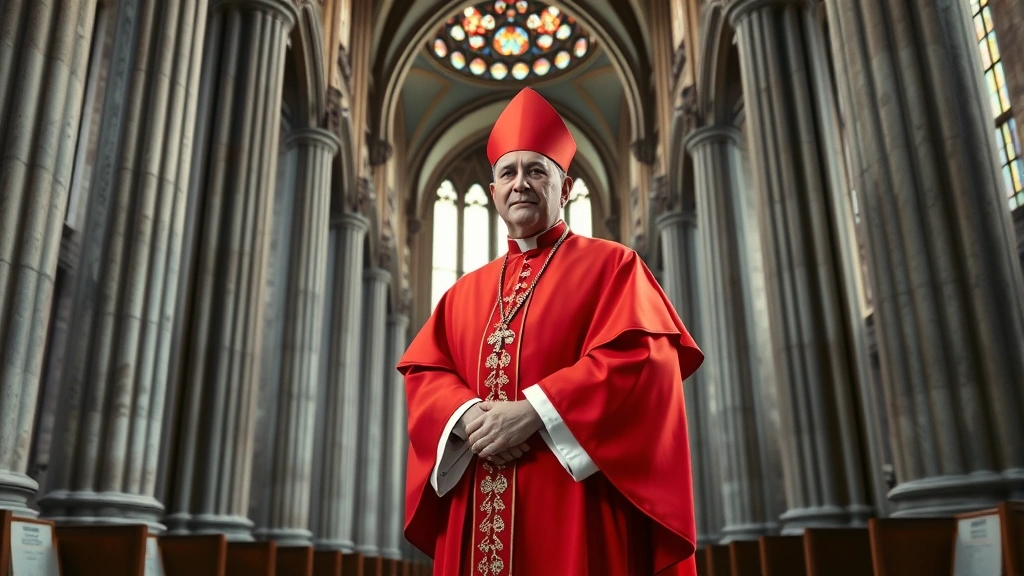
Learning how to become a cardinal requires a deep commitment to the Catholic Church, decades of education, and a calling that extends far beyond typical career advancement. This isn’t a nine-to-five path—it’s a spiritual journey that demands sacrifice, theological mastery, and unwavering dedication to serving God and the faithful.
Table of Contents
Understanding the Cardinal Role
Cardinals are among the highest-ranking officials in the Catholic Church, serving as advisors to the Pope and electing new pontiffs through the College of Cardinals. These ecclesiastical leaders wear the distinctive scarlet cassock and hold significant authority in the Church’s governance structure. Understanding what cardinals actually do is your first step toward this calling. Cardinals oversee dioceses, manage Vatican departments, and shape Church policy on matters ranging from doctrine to social justice. It’s a position of immense responsibility, not prestige—though the two often intertwine.
Seminary Education Requirements
Your journey toward becoming a cardinal begins with seminary education, typically lasting six to eight years. You’ll need to complete undergraduate studies first, ideally in philosophy or theology. Then comes the serious work: formal seminary training where you’ll study sacred scripture, dogmatic theology, moral theology, canon law, and pastoral ministry. Most seminaries require a bachelor’s degree before admission. This isn’t like pursuing how long it takes to become a psychiatrist—the timeline is comparable, but the spiritual dimension is entirely different. You’re not just acquiring knowledge; you’re undergoing spiritual formation that shapes your entire being.
The seminary experience includes both academic coursework and communal living. You’ll live with other seminarians, pray together multiple times daily, and develop the spiritual discipline necessary for priesthood. This period tests your vocation thoroughly—many seminarians discern that this path isn’t right for them, and that’s considered a healthy outcome of the process.
Path to Priestly Ordination
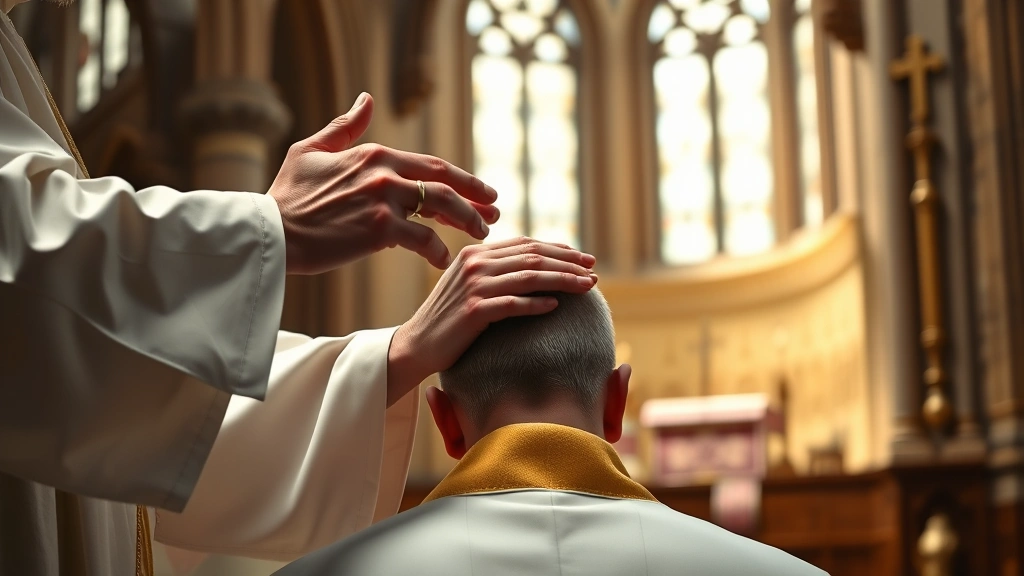
After seminary completion, ordination to the priesthood is the next essential milestone. Ordination is a sacrament—a sacred ritual where the bishop lays hands on you and the Holy Spirit is invoked to set you apart for ministry. You’ll make solemn vows of celibacy, obedience, and poverty (in most Latin Rite traditions). These vows are lifelong commitments that fundamentally alter your life’s trajectory. Your bishop must approve your ordination, and you’ll typically serve as a priest for many years before any consideration for higher office.
As a newly ordained priest, you’ll be assigned to parish work, teaching, chaplaincy, or other ministerial roles. This isn’t a stepping stone to skip over—it’s where you prove your pastoral ability, your connection with the faithful, and your capacity to lead. Many cardinals spent 20-30 years in active priesthood before elevation to the episcopacy.
Bishop Appointment Process
Becoming a bishop is the critical gateway to the cardinalate. Bishops are appointed by the Pope, typically after recommendations from the papal nuncio (the Pope’s ambassador) and consultation with other bishops in your region. There’s no formal application process—instead, you’re identified through your reputation, accomplishments, and spiritual maturity. The Vatican maintains extensive files on promising priests, tracking their development over years.
As a bishop, you’ll oversee a diocese, ordain priests, confirm believers, and serve as the chief shepherd of your local Church. Bishops wear purple vestments and carry a crosier (bishop’s staff). This position requires administrative skill, theological knowledge, and genuine pastoral care. You’ll manage finances, address clergy misconduct, navigate Church-state relations, and represent the Church in your community. The episcopacy is demanding—it’s where you prove you can handle the complexities of large-scale church leadership.
Cardinal Selection Criteria
The Pope selects cardinals based on several factors. First, you must be a bishop—the Church rarely elevates priests directly to the cardinalate. Second, you need demonstrated excellence in your episcopal duties. Third, you should have either significant experience in Church leadership roles or expertise in important theological and pastoral areas. The Pope considers your age, health, linguistic abilities, and potential contributions to the College of Cardinals.
Cardinals are typically appointed in their 50s or 60s, though the Pope has discretion. Your reputation matters enormously—if you’re known for integrity, theological soundness, and genuine pastoral concern, you’re more likely to be considered. Conversely, any hint of scandal, doctrinal confusion, or administrative failure can permanently disqualify you. The vetting process is thorough and unforgiving.
Spiritual Preparation Journey
Throughout this entire process, spiritual preparation is paramount. You’ll need to develop a deep prayer life, regular meditation on scripture, and frequent sacramental practice. Many future cardinals maintain a spiritual director—a priest who guides their spiritual development. You’ll also need to cultivate virtues like humility, prudence, courage, and justice. These aren’t abstract ideals; they’re tested daily in your pastoral work.
Spiritual preparation means wrestling with doubt, suffering, and the weight of responsibility. It means serving the poor, visiting the sick, and truly embodying Christ’s message. The Church seeks leaders who’ve been transformed by their faith, not merely educated in theology. Your spiritual maturity is evident in how you treat others, how you handle failure, and how you respond to criticism.
Building Church Leadership Experience
Strategic assignments accelerate your path toward the cardinalate. Serving as a diocesan bishop in a major metropolitan area, leading a Vatican department (dicastery), teaching at a pontifical university, or working in the papal curia all provide valuable experience. Some future cardinals serve as papal nuncios, representing the Church diplomatically around the world. Others lead important theological commissions or serve as bishops in historically significant dioceses.
These roles demonstrate your capacity for complex decision-making, your ability to work with diverse personalities, and your understanding of Church governance at the highest levels. A bishop who successfully navigates the challenges of a major city diocese, improves seminary formation, or addresses clergy abuse cases shows the competence required for cardinal-level responsibility. Your track record of accomplishment matters more than your credentials alone.
Canon Law Mastery
Canon law—the Church’s legal system—is essential knowledge for anyone aspiring to the cardinalate. While you don’t necessarily need a formal degree in canon law, you must understand it thoroughly. Canon law governs everything from sacramental validity to diocesan administration to papal procedures. As a bishop and potential cardinal, you’ll make decisions based on canonical principles daily.
Many seminaries include canon law in their curriculum, but serious students pursue additional study. Understanding how the Church legally operates, what authority you have as a bishop, and how decisions are made at the Vatican level is crucial. This knowledge prevents missteps, demonstrates competence to superiors, and enables you to navigate complex situations with confidence. It’s the practical framework within which your spiritual leadership operates.
Vatican Service Opportunities
Direct service in the Vatican significantly increases your visibility to papal decision-makers. Working in the Roman Curia—the Church’s central administration—exposes you to high-level Church governance and builds relationships with influential figures. Positions like papal secretary, Vatican diplomat, or head of a dicastery (department) are prestigious and career-advancing.
Vatican service isn’t required to become a cardinal, but it’s tremendously valuable. You gain firsthand understanding of how the Church operates at its highest levels. You work directly with the Pope or his closest advisors. You build a network of relationships with other rising leaders. And you demonstrate your ability to handle sensitive matters with discretion and competence. Many recent cardinals spent significant time in Vatican positions before their elevation.
Frequently Asked Questions
How long does it take to become a cardinal?
Typically 30-40 years from initial seminary enrollment. You’ll spend 6-8 years in seminary and ordination preparation, then 20-30 years as a priest before bishop appointment, and finally several years as a bishop before cardinal elevation. There’s no fixed timeline—it depends on your capabilities, opportunities, and the Pope’s discernment.
Do you have to be Catholic to become a cardinal?
Yes, absolutely. You must be a baptized Catholic in good standing. You must have received all the sacraments of initiation and lived a life consistent with Church teaching. Your faith must be genuine and publicly evident.
Can women become cardinals?
Currently, no. The Church restricts ordination to men, and cardinals must be ordained bishops. This remains one of the most contested policies in the modern Church, but it hasn’t changed despite ongoing debate.
What’s the salary for a cardinal?
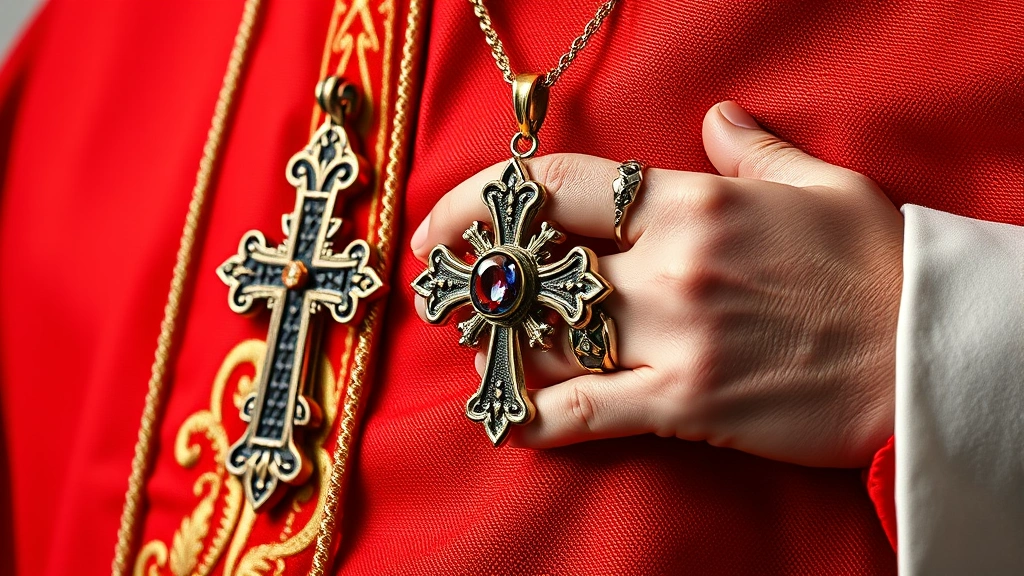
Cardinals don’t receive salaries in the traditional sense. They take vows of poverty, meaning personal possessions belong to the Church. However, the Church provides housing, food, healthcare, and other necessities. Any inheritance or personal funds go to the Church. It’s not a path to wealth.
Can a cardinal become Pope?
Yes—only cardinals under 80 years old can vote in papal conclaves, and the Pope is always elected from among the cardinals. Being a cardinal doesn’t guarantee papal election, but it’s a necessary prerequisite. The College of Cardinals elects the Pope through a process called a conclave.
What if I’m married and want to become a cardinal?
In the Latin Rite, this is impossible because priesthood requires celibacy. However, the Eastern Catholic Churches (in communion with Rome) allow married priests. A married priest in an Eastern Catholic Church could theoretically become a cardinal, though this has never happened. If you’re married, Eastern Catholic priesthood is your only option.
Do I need a doctorate to become a cardinal?
A doctorate isn’t strictly required, but many cardinals hold advanced degrees in theology, scripture, canon law, or philosophy. A doctorate demonstrates scholarly depth and is particularly valuable if you’ll teach at a university or lead a Vatican dicastery. However, pastoral skill and administrative competence matter more than academic credentials.
How often does the Pope appoint new cardinals?
Popes typically hold consistories (formal ceremonies where cardinals are created) every few years, though the frequency varies. Pope Francis has appointed cardinals regularly throughout his papacy. The number appointed depends on vacancies created by cardinals reaching age 80 (when they lose voting rights) or dying.
The Cardinal Path: Final Thoughts
Becoming a cardinal requires an extraordinary commitment spanning decades. You’ll need genuine spiritual calling, intellectual capability, administrative skill, and resilience to navigate the Church’s complex politics. There are no shortcuts, no fast-track programs, and no guarantees. Many excellent priests never become bishops. Many excellent bishops never become cardinals.
But if you’re called to this life—if you feel God drawing you toward service in the Church’s leadership—the path is clear. Begin with seminary, excel in priesthood, distinguish yourself as a bishop, and remain open to the Holy Spirit’s guidance. The cardinalate isn’t something you achieve; it’s something you’re called to, recognized for, and appointed to by the Pope.
This journey transforms you spiritually, intellectually, and personally. Whether or not you ultimately become a cardinal, a life dedicated to priesthood and Church leadership is profoundly meaningful. You’ll serve the faithful, shepherd souls, and work toward building God’s kingdom on earth. That’s the real prize—not the scarlet cassock, but the privilege of serving Christ and His Church.


