
Learning how to be taller isn’t just about genetics—there are proven, practical methods you can start implementing today to maximize your height potential and appear taller immediately. Whether you’re looking to add inches through posture, nutrition, or strategic styling, this guide breaks down the science-backed approaches that actually work.
Table of Contents
Master Your Posture Foundation
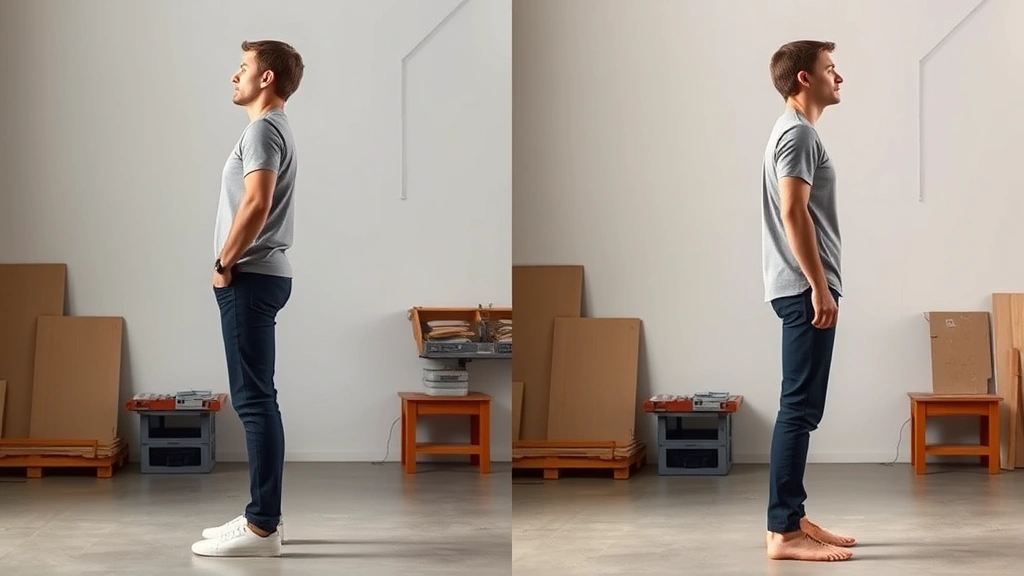
Your posture is literally the foundation of how tall you appear—and how tall you actually are. Most people lose 1-2 inches just by slouching throughout the day. When you sit or stand with rounded shoulders and a forward head position, you’re compressing your spine and cutting your apparent height significantly.
Start by doing a simple posture check right now. Stand with your back against a wall. Your head, shoulders, and buttocks should all touch the wall comfortably. Your heels should be about 6 inches from the wall. This is neutral spine alignment. Notice how much taller you feel? That’s not an illusion—you’re actually using your full height.
The key is maintaining this position throughout your day. Set phone reminders every hour to check in with your shoulders. Are they creeping up toward your ears? Pull them back and down. Is your chin jutting forward? Tuck it slightly. These micro-adjustments compound into real height gains over weeks.
Strengthen Your Spine Alignment
Your spine isn’t a rigid rod—it’s a stack of vertebrae with discs between them. Poor posture compresses these discs, literally making you shorter. Strengthening the muscles that support your spine helps maintain proper spacing and alignment.
Focus on your core and back muscles. Planks are your best friend here—they teach your body to hold proper alignment without thinking about it. Start with 20-30 second holds and work up to 60+ seconds. Do them 3-4 times per week. Add bird dogs (opposite arm and leg extensions while on all fours) to strengthen your lower back stabilizers.
Your rhomboids and lower traps also matter tremendously. Reverse flyes with light dumbbells or resistance bands pull your shoulders back naturally. Even 2-3 sets of 12 reps twice weekly makes a difference. When these muscles are strong, maintaining tall posture becomes effortless rather than exhausting.
Optimize Nutrition for Growth
Your body needs specific building blocks to maximize height, especially if you’re still in your growth years. Protein is non-negotiable—it’s the raw material for bone and muscle development. Aim for 1.2-1.6 grams per kilogram of body weight daily. That chicken leg recipe you’ve been curious about? How long to bake chicken legs at 400 can become a regular part of your nutrition strategy.
Calcium and vitamin D work together to build strong bones. You need both—calcium without vitamin D absorption is useless. Get 1000-1200mg of calcium daily through dairy, leafy greens, or supplements. Vitamin D should come from sunlight exposure, fatty fish, or supplementation (1000-2000 IU daily for most adults).
Don’t neglect zinc, magnesium, and phosphorus. These minerals are critical for bone formation and growth hormone regulation. A balanced diet with whole grains, lean proteins, vegetables, and healthy fats covers most of these bases naturally. If you’re deficient, supplementation helps, but food sources are always preferable.
Maximize Sleep and Recovery
Growth hormone peaks during deep sleep—specifically during the first 1-2 hours of sleep. This is when your body does most of its vertical growth work. If you’re shortchanging yourself on sleep, you’re literally leaving height on the table.
Target 7-9 hours nightly. Go to bed at the same time each night and wake at the same time each morning, even on weekends. This consistency optimizes your circadian rhythm and growth hormone release. Your bedroom should be cool (around 65-68°F), dark, and quiet.
Avoid screens 30-60 minutes before bed. The blue light suppresses melatonin production and delays sleep onset. If you’re struggling with sleep quality, consider magnesium supplementation (300-400mg before bed) or consulting a sleep specialist. Better sleep isn’t just about height—it’s foundational to everything else you’re doing.
Build a Daily Stretching Routine
Stretching doesn’t add height permanently, but it decompresses your spine and improves posture, which adds inches temporarily and trains your body to hold better alignment long-term. A good stretching routine takes 10-15 minutes daily.
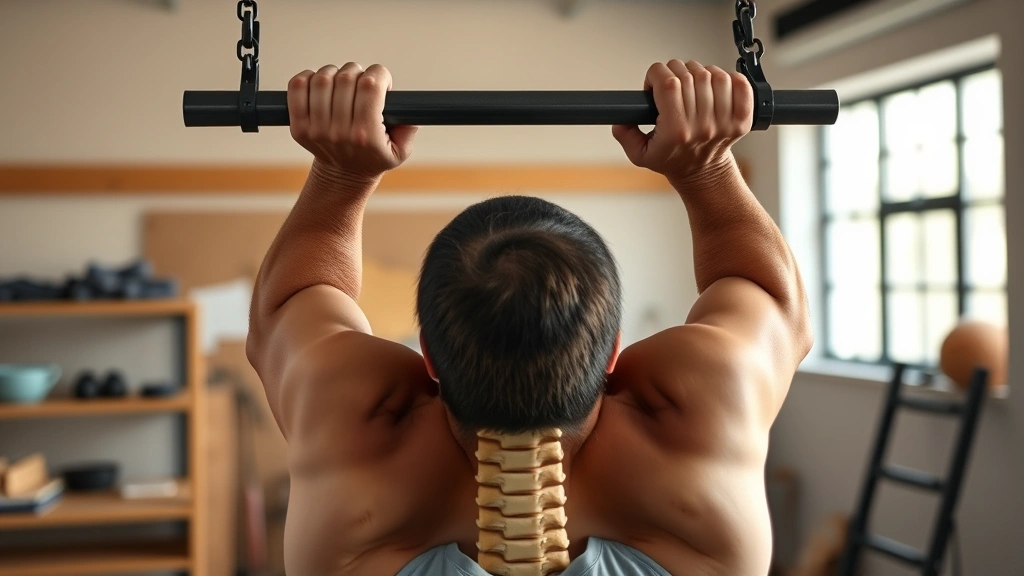
Start with a hanging stretch. If you have access to a pull-up bar, simply hang for 20-30 seconds. This decompresses your entire spine. Do 3-4 sets. Follow with cat-cow stretches (on hands and knees, alternate between arching and rounding your spine) for 10 reps. Add child’s pose for 30 seconds to stretch your lower back.
Quad stretches matter because tight quads pull your pelvis forward and compress your lower back. Standing quad stretches, 30 seconds per side, twice daily. Finish with a full-body stretch against a doorway—lean forward gently, feeling the stretch across your chest and front shoulders. Hold 30 seconds, repeat 2-3 times. This routine takes minimal time but delivers real results.
Strategic Footwear Choices
This is the immediate, practical method: wear shoes with proper insoles and heel height. A quality insole with arch support adds 0.5-1 inch immediately. Shoes with 1-2 inch heels add obvious height without looking ridiculous if chosen correctly.
For men, Chelsea boots or dress shoes with 1-inch heels are socially acceptable and add height naturally. For women, the options are endless—heels, wedges, platform shoes. Even 2-3 inches is reasonable for everyday wear if you choose comfortable styles.
The key is consistency. Wearing height-adding shoes daily means you’re training your body to maintain better posture at that height. After a few weeks, your muscles adapt, and you’ll find yourself standing taller even in flat shoes. This is real postural improvement, not just shoe magic.
Clothing Cuts That Add Height
Vertical lines are your friend. Wear long cardigans, open jackets, and vertical stripes—they draw the eye up and down rather than across, making you appear taller and leaner. Monochromatic outfits (same color top and bottom) create an unbroken vertical line that adds perceived height.
Avoid horizontal stripes, large patterns, and anything that breaks up your silhouette. Keep your waistline defined and avoid oversized, baggy clothing that adds width and breaks up your proportions. Fitted clothes that follow your natural lines make you look taller automatically.
Tuck your shirts in (full tuck or French tuck) to define your waistline and create better proportions. This single change makes most people look 1-2 inches taller. Pair this with well-fitted pants and you’ve got a height-maximizing outfit without any gimmicks.
Targeted Exercise Program
Strength training builds muscle and bone density, both of which contribute to appearing taller and healthier. Focus on compound movements: squats, deadlifts, rows, and presses. These exercises strengthen your entire kinetic chain and improve posture naturally.
Swimming is exceptional for height optimization because it decompresses your spine while building functional strength. The horizontal position removes gravity’s compressive force, and the resistance builds muscle without impact stress. Even 30 minutes, 3 times weekly makes a measurable difference.
Avoid excessive running and high-impact cardio on hard surfaces—these compress your spine over time. If you love running, do it on softer surfaces and limit to 3-4 sessions weekly. Balance it with strength work and stretching. Your exercise program should build you up, not compress you down.
Hydration and Disc Health
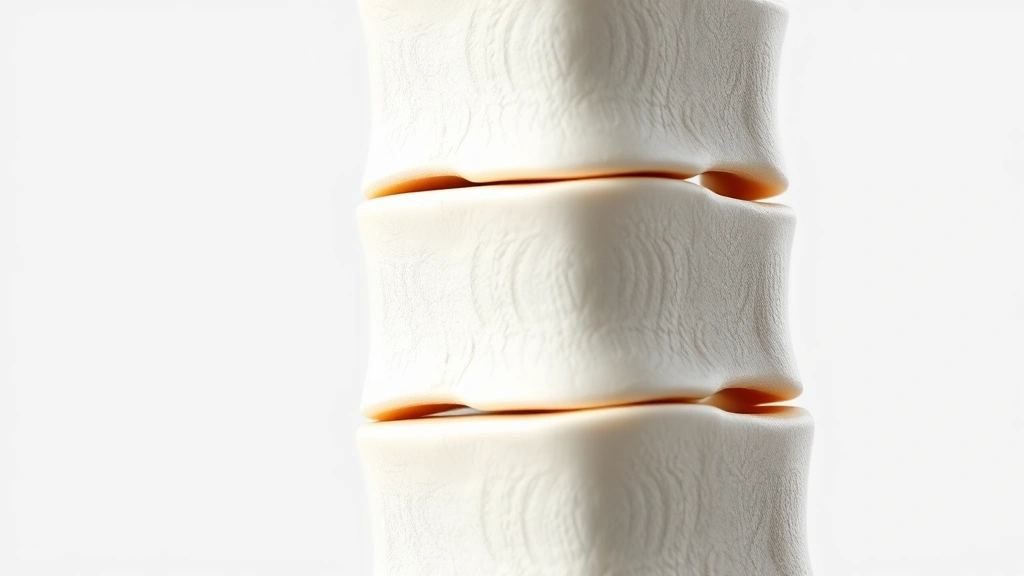
Your spinal discs are 80% water. When you’re dehydrated, these discs lose volume, literally making you shorter. Drink half your body weight in ounces of water daily as a baseline. If you weigh 180 pounds, that’s 90 ounces (about 2.7 liters) minimum.
More water means fuller, healthier discs, which means better spinal alignment and actual height gains. This is one of the simplest, most overlooked methods. Track your water intake for a week—most people are shocked at how little they actually drink.
Morning is the best time to hydrate heavily. Your discs rehydrate overnight, which is why you’re slightly taller in the morning than at night (typically 0.5-1 inch difference). Drinking 16-20 ounces of water immediately upon waking maximizes this natural height advantage and starts your day with better disc health.
Frequently Asked Questions
Can adults really get taller?
If your growth plates have closed (typically by age 18-25), you won’t gain skeletal height. However, you can gain 1-3 inches through better posture, spinal decompression, and improved alignment. You’re not growing new bone, but you’re using your full existing height and maintaining better disc health.
How long before I see results?
Immediate results (0.5-2 inches) come from posture improvements and footwear. Within 2-4 weeks of consistent stretching and exercise, you’ll notice sustained height gains. Real bone density and strength improvements take 8-12 weeks of consistent effort.
Do height supplements actually work?
Most height supplements are marketing hype. The only evidence-based interventions are proper nutrition, sleep, exercise, and hydration. If you’re deficient in specific nutrients (which blood work can reveal), supplementation helps, but there’s no magic pill for height.
Is it too late to grow taller?
If your growth plates are closed, you won’t gain skeletal height. But you can absolutely look and feel taller through the methods in this guide. Many people report feeling more confident and actually measuring 1-2 inches taller through postural improvements alone.
What’s the fastest way to look taller immediately?
Combination approach: fix your posture right now (adds 0.5-1 inch immediately), wear shoes with 1-inch heels (adds 1 inch), and wear vertical-line clothing (adds perceived height). This gives you 2-3 inches of immediate improvement while you work on long-term gains.
Putting It All Together
How to be taller is a multi-faceted approach, not a single magic bullet. You’ve got immediate wins (posture, footwear, clothing), medium-term improvements (stretching, sleep, hydration), and long-term gains (strength training, nutrition, exercise). Start with posture today—it costs nothing and delivers immediate results. Add stretching tomorrow. Upgrade your footwear this week. Build the complete system over the next month, and you’ll be shocked at the difference.
The beautiful part? These changes improve your health, confidence, and appearance far beyond just height. Better posture reduces back pain. Better sleep improves everything. Strength training builds muscle and bone. You’re not just chasing inches—you’re building a better version of yourself. That’s work worth doing, and it starts right now with standing a little straighter.


