
Learning how to be romantic isn’t about grand gestures or Hollywood movie moments—it’s about showing up intentionally for the person you care about. Whether you’re in a long-term relationship that’s lost its spark or you’re trying to impress someone new, romance is a skill you can develop and master. It takes thoughtfulness, consistency, and genuine effort, but the payoff is worth every bit of energy you invest.
Table of Contents
- Plan Meaningful Dates Together
- Master the Art of Listening
- Cook Special Meals at Home
- Small Gestures Matter Most
- Create an Intimate Atmosphere
- Express Affection Physically
- Plan Surprise Adventures
- Communicate Your Feelings Openly
- Invest in Your Own Appearance
- Build Emotional Connection Daily
- Frequently Asked Questions
Plan Meaningful Dates Together
Romance starts with intentional time together. Stop defaulting to dinner and a movie—those are fine occasionally, but meaningful dates require thought. Think about what your partner actually enjoys, not what you think they should enjoy. If they love hiking, plan a scenic trail with a packed lunch at the summit. If they’re into art, research gallery openings or museum exhibits in your area. The key is showing that you’ve paid attention to their interests and made an effort to create an experience around them.
When planning, eliminate distractions. Put your phone away, silence notifications, and be fully present. This is where romance truly happens—in the space where someone feels completely seen and valued. Make reservations in advance, arrive early, and handle the logistics so your partner can simply enjoy the moment without stress.
Master the Art of Listening
One of the most underrated romantic skills is genuine listening. Most people listen while thinking about what they’ll say next. Real romantic connection happens when you listen to understand, not to respond. When your partner shares something about their day, their dreams, or their concerns, put down everything and focus entirely on them.
Ask follow-up questions that show you were actually paying attention. Remember details they mention casually and bring them up later—this demonstrates that you care about their world. If they mention wanting to try a new hobby, remember it. If they talk about a difficult coworker, check in about the situation next week. This kind of attentiveness is profoundly romantic because it says, “You matter to me, and I’m invested in your life.”
Cook Special Meals at Home
Restaurant meals are nice, but cooking for someone is an intimate act that shows real effort and vulnerability. You don’t need to be a professional chef—simple, well-executed dishes often impress more than complicated ones. Consider preparing a Al Pastor Recipe for an impressive homemade dinner, or start with something classic like pasta with homemade sauce and fresh bread.
The romance isn’t just in the food—it’s in the entire experience. Set the table nicely with candles, fresh flowers, or nice napkins. Put thought into the menu based on dietary preferences or favorite flavors. If cooking isn’t your strength, that’s okay too—order from a quality restaurant and plate it beautifully at home. You could even create a signature beverage like a Cold Foam Recipe to serve as an appetizer or dessert drink. The effort and intentionality matter far more than culinary perfection.
Small Gestures Matter Most
Grand romantic gestures get attention, but small, consistent gestures build lasting romance. Leave a love note in their bag or on their car windshield. Send a text during the day that references an inside joke or reminds them you’re thinking of them. Bring home their favorite snack without being asked. These tiny acts accumulate into a feeling of being cherished and thought about constantly.
The best small gestures are personalized. If your partner loves coffee, bring them their favorite brew in bed. If they’re stressed about work, offer a shoulder massage without being asked. If they mention needing something, take care of it before they have to ask again. Romance is built in these moments of anticipating someone’s needs and meeting them with grace.
Create an Intimate Atmosphere
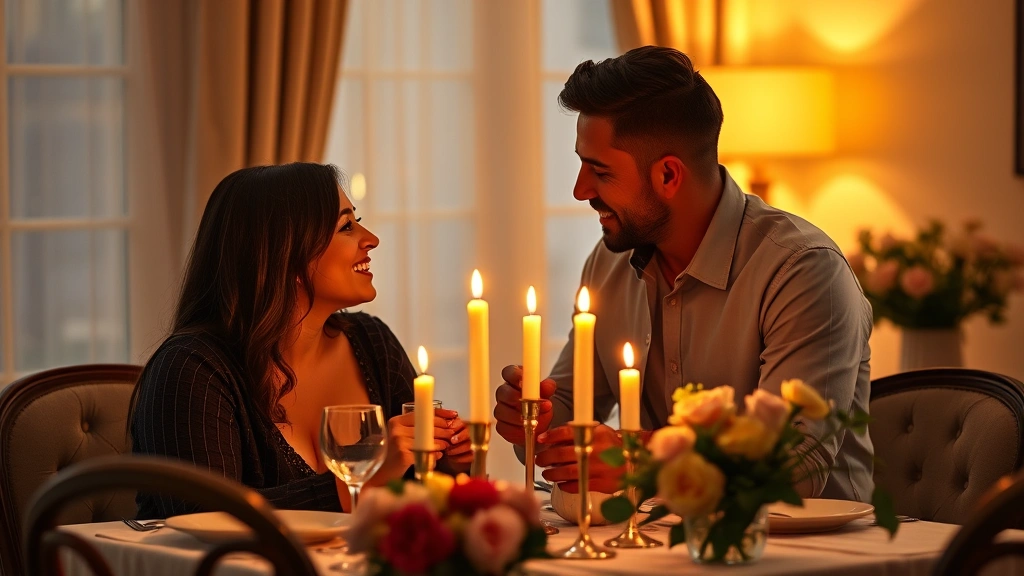
Environment matters tremendously for romance. You don’t need an expensive setup—just thoughtful touches. Dim lighting from candles or soft lamps creates intimacy immediately. Music sets a mood without being intrusive; create a playlist of songs that matter to your relationship or that your partner loves. Fresh flowers, clean sheets, and a clutter-free space all contribute to an atmosphere where romance can flourish.

Consider adding a How to Add Music to Google Slides style of thoughtfulness to your evening—curate the entire sensory experience. What temperature is the room? What scents are present? Is the temperature comfortable? These details show that you’ve created this space specifically for connection and intimacy.
Express Affection Physically
Physical touch is a love language for many people. This doesn’t always mean sexual intimacy—sometimes it’s more romantic to simply hold hands, give a long hug, or rest your hand on their back while walking together. Pay attention to your partner’s comfort level with different types of touch and adjust accordingly.
Initiate affection without expectation. Kiss them good morning and goodnight. Hold their hand while watching a movie. Play with their hair while they’re reading. These physical connections create a sense of safety, desirability, and love that words alone cannot convey. Consistency matters here—regular small touches are often more romantic than occasional passionate moments.
Plan Surprise Adventures
Romance thrives on anticipation and surprise. Plan a weekend getaway without telling them the destination. Book a couples’ experience like a cooking class or wine tasting and surprise them with it. Plan a picnic at a location with a meaningful history for your relationship. The element of surprise shows that you’re thinking creatively about how to delight them.
Surprises don’t need to be expensive or elaborate. A surprise picnic in the park, a spontaneous road trip to a town you’ve never visited, or a surprise date night on a random Tuesday can be just as romantic as an expensive vacation. The key is that it shows you’re willing to break routine and create something special just because you want to see them happy.
Communicate Your Feelings Openly
Vulnerability is the foundation of romance. Tell your partner specifically what you love about them—not just “I love you,” but “I love the way you laugh at your own jokes” or “I admire how you handle stress with such grace.” Be honest about your feelings, even when it’s scary. Share your dreams, fears, and hopes for your future together.
Ask for what you need romantically. If you want more physical affection, say so. If you need more quality time, express that clearly. If there’s something you’d like to try, communicate it. This kind of open dialogue actually deepens romance because it creates a space where both partners feel safe being authentic and vulnerable.
Invest in Your Own Appearance
Romance isn’t one-sided—it includes caring about how you present yourself to your partner. This doesn’t mean you need to look perfect constantly, but making an effort shows respect and care for the relationship. Wear clothes that make you feel confident and attractive. Maintain basic grooming habits. If your partner appreciates a particular look, lean into it occasionally.
Consider learning small beauty techniques that make you feel more confident. Tips like How to Apply Eyeliner can enhance your natural features and help you feel more put-together. When you feel attractive and confident, that energy translates into your interactions and makes you more romantic. Your partner will notice and appreciate the effort you’re making.

Build Emotional Connection Daily
The most sustainable romance is built on a foundation of emotional intimacy. Create rituals that keep you connected—morning coffee together, a nightly check-in about your days, a weekly date night that’s non-negotiable. These consistent practices prevent you from drifting apart and create opportunities for ongoing romance.
Be genuinely interested in your partner’s emotional world. Ask about their fears, dreams, and what’s weighing on their mind. Validate their feelings even if you don’t fully understand them. Celebrate their wins, no matter how small. Support them through challenges. This emotional investment is the bedrock of lasting romance. If you’re struggling to connect or feel disconnected, consider resources like How to Get My Husband on My Side for relationship communication strategies.
Frequently Asked Questions
What if I’m naturally shy or not good at expressing emotions?
Romance doesn’t require grand gestures or eloquent speeches. Start small with consistent actions that show care—small gifts, quality time, and reliability. Write down your feelings if speaking feels too vulnerable. Many people find that actions speak louder than words anyway, and showing up consistently is deeply romantic.
How often should I plan romantic gestures?
Romance should be ongoing, not occasional. Aim for small gestures weekly and bigger experiences monthly. The frequency matters less than the consistency. Your partner should feel regularly valued and thought about, not just on anniversaries and special occasions.
Can you rekindle romance in a long-term relationship?
Absolutely. Long-term relationships often lose romance because of routine and complacency. Start by having honest conversations about what each of you misses. Invest in new shared experiences, prioritize quality time, and be intentional about physical affection. Many couples find that rekindled romance feels even deeper because it’s built on years of history and understanding.
What if my partner doesn’t seem to appreciate my romantic efforts?
Communication is key here. Ask them directly what makes them feel loved and valued. Different people respond to different expressions of romance—some prefer words, others prefer actions, gifts, time, or physical touch. Once you understand their love language, you can direct your efforts more effectively.
Is romance only for new relationships?
No. Romance is essential at every stage of a relationship. In fact, maintaining romance in long-term partnerships is what keeps them vibrant and connected. It prevents the slow drift that happens when couples take each other for granted.
Summary: Building Your Romantic Practice
Learning how to be romantic is an ongoing practice, not a destination you reach. It requires intention, vulnerability, and consistent effort, but the rewards—deeper connection, increased intimacy, and genuine joy in your relationship—are immeasurable. Start with one or two strategies that resonate with you, master them, and gradually expand your romantic toolkit.
Remember that romance is ultimately about making someone feel valued, seen, and loved. It’s about breaking through the noise and distractions of daily life to create moments of genuine connection. Whether you’re cooking a special meal, planning a surprise adventure, or simply listening with your full attention, you’re building the foundation of a relationship that thrives. Start today, be consistent, and watch how your relationship transforms.


