

Learning how to be nonchalant is like mastering a skill—it takes practice, self-awareness, and the right mindset. Nonchalance isn’t about being careless or indifferent; it’s about projecting calm confidence while keeping your cool under pressure. Whether you’re facing a tense social situation, a work presentation, or just navigating daily life with less stress, nonchalance is a valuable tool that separates the composed from the frazzled.
Table of Contents
Master Your Body Language First
Your body speaks before your mouth does. To be nonchalant, you need to control your physical presence. Stand tall with relaxed shoulders—not stiff, not slouched. Keep your hands visible and uncrossed. Avoid fidgeting, nail-biting, or constant phone-checking. These small movements telegraph anxiety to everyone around you.
The key is finding that sweet spot between rigid and sloppy. Imagine you’re someone who’s seen it all and nothing rattles you. That person doesn’t pace. They don’t touch their face repeatedly. They move with purpose but without urgency. Practice this in front of a mirror. Watch how confident people carry themselves in videos or public settings. Notice their economy of movement—every gesture counts.
Your posture literally affects your brain chemistry. Research shows that standing in an open, relaxed position increases testosterone and decreases cortisol, the stress hormone. So when you’re about to walk into a challenging situation, take two minutes beforehand to stand tall, shoulders back, chin level. You’re not just looking nonchalant—you’re biochemically preparing yourself to feel it.
Control Your Breathing Pattern
Anxiety lives in shallow breathing. When you’re stressed, your breath becomes quick and shallow, which your nervous system interprets as danger. To be nonchalant, you need to reverse this pattern. Deep, slow breathing signals safety to your body and mind.
Try the 4-7-8 technique: inhale for 4 counts, hold for 7, exhale for 8. Do this three to five times before any situation where you need to stay cool. The longer exhale activates your parasympathetic nervous system—your body’s natural brake pedal. This isn’t meditation; it’s tactical breathing used by military and emergency responders.
During conversations or presentations, practice nasal breathing. It’s quieter, steadier, and more controlled than mouth breathing. It also prevents you from talking too fast, which is a dead giveaway of nervousness. Slow breath equals slow speech equals nonchalance. When you breathe deliberately, everything else follows.
Practice Strategic Silence
One of the most powerful ways to project nonchalance is through silence. Nonchalant people don’t feel compelled to fill every gap in conversation. They’re comfortable with quiet moments. This makes them seem confident and self-assured.
Start practicing this in low-stakes situations. When someone asks you a question, pause for two seconds before answering. When a conversation lulls, resist the urge to jump in immediately. This creates space and makes you seem thoughtful rather than reactive. People who talk constantly seem nervous; people who speak deliberately seem in control.
Silence also gives you power in negotiations, arguments, or tense moments. After someone makes a point, pause. Let them sit with their words. This discomfort often makes them second-guess themselves or reveal more information. You stay cool, collected, and in control of the dynamic.
Develop Emotional Detachment
Nonchalance requires emotional distance from outcomes. This doesn’t mean you don’t care; it means you’re not emotionally hijacked by results. The difference between someone who stays cool and someone who panics is attachment to a specific outcome.
Practice viewing situations as experiments rather than life-or-death scenarios. A failed presentation isn’t a personal failure—it’s data. A rejection isn’t devastating—it’s redirection. This mindset shift, which psychologists study extensively (similar to the resilience training discussed in how long it takes to become a psychologist), allows you to respond rather than react.
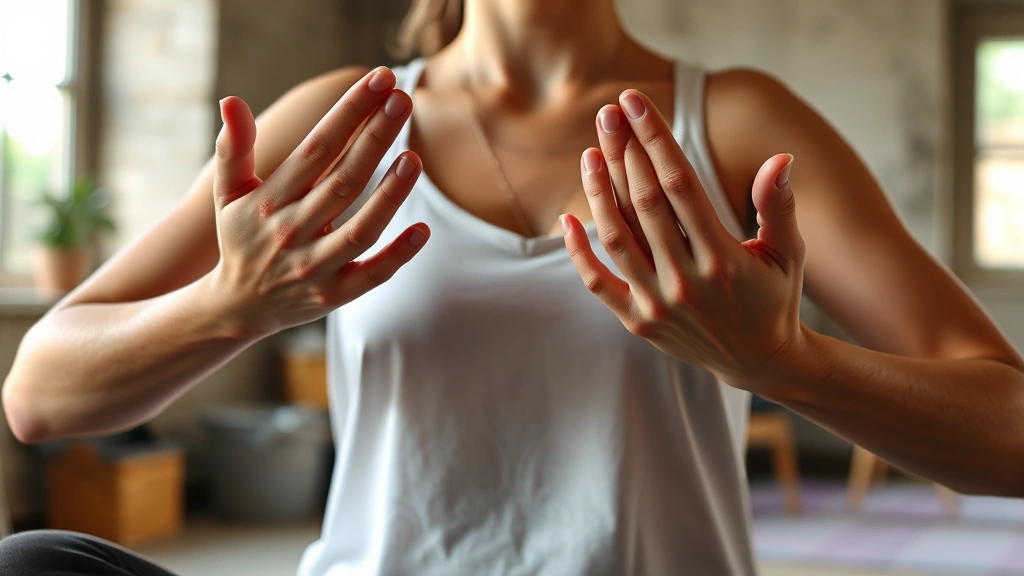
Start small. When you make a minor mistake, notice your emotional reaction without judgment. Don’t try to suppress it; observe it. “I feel embarrassed, and that’s okay.” This creates space between the emotion and your response. Over time, you develop what researchers call “emotional granularity”—the ability to feel emotions without being controlled by them.
Build Genuine Confidence
Real nonchalance is built on actual competence. You can’t fake it forever. The most nonchalant people are those who’ve prepared thoroughly and know their stuff. So invest in becoming genuinely good at what matters to you.
If you’re nervous about public speaking, take a course and practice relentlessly. If you’re anxious in social situations, read about conversation skills and deliberately practice them. If you’re worried about your job performance, master your craft. This isn’t about being perfect; it’s about knowing you’ve done the work.
Competence breeds confidence, which breeds nonchalance. There’s no shortcut here. But once you’ve put in the work, you can let your preparation do the heavy lifting while you project calm. People sense this. They know when someone truly knows what they’re talking about versus someone who’s just pretending.
Embrace the Power Pause
The power pause is a deliberate moment of stillness before you respond or act. It’s the gap between stimulus and response—and in that gap lies your freedom.
When someone confronts you, insults you, or puts you on the spot, pause for one second before responding. This tiny delay accomplishes three things: it prevents reactive, emotional responses; it signals confidence (you’re not desperate to respond immediately); and it gives your prefrontal cortex time to engage instead of your amygdala.
This is why nonchalant people seem to have witty comebacks or perfect responses. They’re not actually faster thinkers—they’re just willing to pause. They don’t need to respond instantly. That pause is power. Practice it everywhere: in emails (wait before sending angry messages), in conversations, in decisions. The pause is your secret weapon for staying cool.
Avoid Over-Explaining Yourself
Anxious people over-explain. They add justifications, apologies, and unnecessary context because they’re seeking approval or trying to manage others’ perceptions. Nonchalant people simply state their position and let it stand.
If you need to decline an invitation, say: “I can’t make it.” Not: “I’m so sorry, I really wanted to go, but I have this thing, and I feel terrible about it, but maybe next time…” The first is nonchalant. The second screams insecurity.
This applies to mistakes too. If you mess up, acknowledge it simply: “My bad, I’ll fix it.” Then move on. Don’t grovel or over-apologize. People respect straightforward accountability more than defensive rambling. The less you explain, the more confident you appear. It’s counterintuitive but proven.
Cultivate Mental Resilience
True nonchalance is built on mental toughness. You need to develop the ability to handle setbacks, criticism, and uncertainty without falling apart. This is resilience—and it’s trainable.

One method is deliberate discomfort exposure. Do things that scare you slightly: speak up in meetings, start conversations with strangers, take a cold shower, exercise when you’re tired. Each small challenge you overcome builds your confidence reservoir. You prove to yourself that you can handle difficulty.
Another approach is developing a growth mindset. View failures as learning opportunities rather than reflections of your worth. Someone pursuing a career in medicine (like those learning how long it takes to be a doctor) understands that setbacks are part of the journey, not the end of it. Apply this thinking to your life. Each mistake is information, not indictment.
Build mental resilience through journaling, meditation, or therapy. Understand your triggers and your patterns. The more you understand yourself, the less you’re surprised or thrown off by situations. And people who aren’t easily thrown off appear nonchalant.
Frequently Asked Questions
Is nonchalance the same as not caring?
No. Nonchalance is about appearing calm and composed while actually caring deeply. It’s the ability to manage your emotional expression while maintaining your values and effort. You can care tremendously about an outcome while projecting calm confidence about the process.
Can introverts be nonchalant?
Absolutely. Nonchalance isn’t about being extroverted or talkative. It’s about emotional regulation and confidence. Introverts often naturally project calm because they’re comfortable with silence and don’t feel compelled to fill space. Many introverts are naturally nonchalant.
How long does it take to develop nonchalance?
You can start projecting nonchalance immediately by adjusting your body language and breathing. But genuine, deep nonchalance—built on real confidence and emotional resilience—takes weeks to months of consistent practice. It’s like building fitness: you see initial results quickly, but lasting change requires sustained effort. Similar to how timing matters in fitness, consistency matters in developing composure.
What if I fake it and people see through me?
That’s actually fine. You’re not trying to deceive people; you’re trying to manage your own nervous system and appearance. Even if someone suspects you’re working on staying calm, that’s better than visibly panicking. Plus, the more you practice these techniques, the more authentic they become. Faking it until you make it is a real psychological principle.
Can nonchalance be overdone?
Yes. If you’re so detached that you seem cold, uncaring, or dismissive, you’ve gone too far. True nonchalance includes warmth and genuine interest in others. You’re calm, not callous. The goal is to be relaxed and confident while still being present and engaged.
Does nonchalance work in serious situations?
In truly serious situations—emergencies, genuine crises—nonchalance might not be appropriate. But the mental tools behind nonchalance (breathing control, emotional regulation, strategic pausing) are exactly what emergency responders and crisis professionals use. You can be serious and composed at the same time. In fact, that’s when composure matters most.


