

Learning how to coordinate volunteers is one of the most valuable skills you can develop, whether you’re running a nonprofit, organizing a community event, or managing a charity project. Good volunteer coordination isn’t just about assigning tasks—it’s about creating an experience that keeps people engaged, motivated, and coming back for more. I’ve worked with dozens of volunteer teams, and I can tell you that the difference between a chaotic volunteer effort and a smooth, productive one comes down to solid planning, clear communication, and genuine appreciation for the people showing up to help.
Table of Contents
Step 1: Define Clear Roles
Before you recruit a single volunteer, you need to know exactly what work needs doing. Sit down and break down your project or organization into specific tasks. Don’t be vague here—”help out” doesn’t cut it. Instead, identify concrete roles: data entry coordinator, event setup crew, mentor, administrative assistant, fundraiser, etc. Each role should have a clear job description that answers these questions: What exactly will this person do? How many hours per week or month? What skills are needed? What’s the commitment level?

I’ve seen volunteer coordinators make the mistake of creating roles that are too broad or too narrow. Too broad and volunteers feel lost; too narrow and you can’t find enough people willing to do repetitive tasks. Aim for roles that are specific enough to be clear but flexible enough to accommodate different skill levels and availability.

Step 2: Recruit Strategically
Recruitment isn’t about quantity—it’s about finding the right people for the right roles. Start by tapping into your existing networks: past volunteers, board members, community partners, and social media followers. Create a compelling volunteer opportunity post that explains the impact volunteers make. People want to feel like their work matters, so lead with the mission, not the tasks.

Use multiple channels to reach potential volunteers. Post on community bulletin boards, share on social media, reach out to local schools and retirement communities, and partner with other organizations. When someone expresses interest, have them fill out a simple volunteer application that captures their skills, availability, and interests. This helps you match people to roles where they’ll actually succeed.

Pro tip: Make the application process easy. A lengthy form with too many questions will scare off good candidates. Keep it to essentials—name, contact info, availability, relevant skills, and why they want to volunteer.

Step 3: Communicate Effectively
Clear communication is the backbone of volunteer coordination. Once you’ve recruited volunteers, establish a reliable communication system. This might be email, a group messaging app, a shared calendar, or a combination of tools. The key is consistency—pick your channels and stick with them so volunteers always know where to find information.

Send regular updates about upcoming volunteer days or projects. Include specifics: date, time, location, what to bring, parking information, and who to contact if they have questions. When you send secure emails in Outlook with volunteer schedules or sensitive information, make sure you’re protecting everyone’s privacy. Remind volunteers of commitments a few days before the event—this simple reminder reduces no-shows dramatically.

Create a system for two-way communication. Volunteers should feel comfortable reaching out with questions, concerns, or suggestions. Respond promptly to their messages. When volunteers feel heard, they stay engaged and motivated.

Step 4: Provide Training Support
Never assume volunteers know how to do their tasks, even if they seem experienced. Provide clear training before they start. This might be a formal orientation session, a one-on-one walkthrough, a video tutorial, or written instructions—whatever fits your situation. The goal is to set volunteers up for success and build their confidence.

During training, cover the practical stuff: how to do the task, what tools or systems they’ll use, safety protocols, and who to ask if they get stuck. Also explain the bigger picture—how their work contributes to your mission. When volunteers understand why their work matters, they perform better and feel more satisfied.

If you’re managing a larger volunteer base, consider creating a volunteer handbook with frequently asked questions, procedures, and important contacts. You might even organize this information using tools like adding drop-down lists in Excel to create searchable volunteer databases or scheduling sheets.

Step 5: Recognize Contributions
Recognition is fuel for volunteers. When people feel appreciated, they keep showing up. This doesn’t require expensive gifts or grand gestures—often the simplest acknowledgments mean the most. Send a thank-you email or note after each volunteer session. Mention something specific they accomplished. Call out volunteer achievements in newsletters or social media posts. Host an annual volunteer appreciation event where you celebrate your team’s impact together.
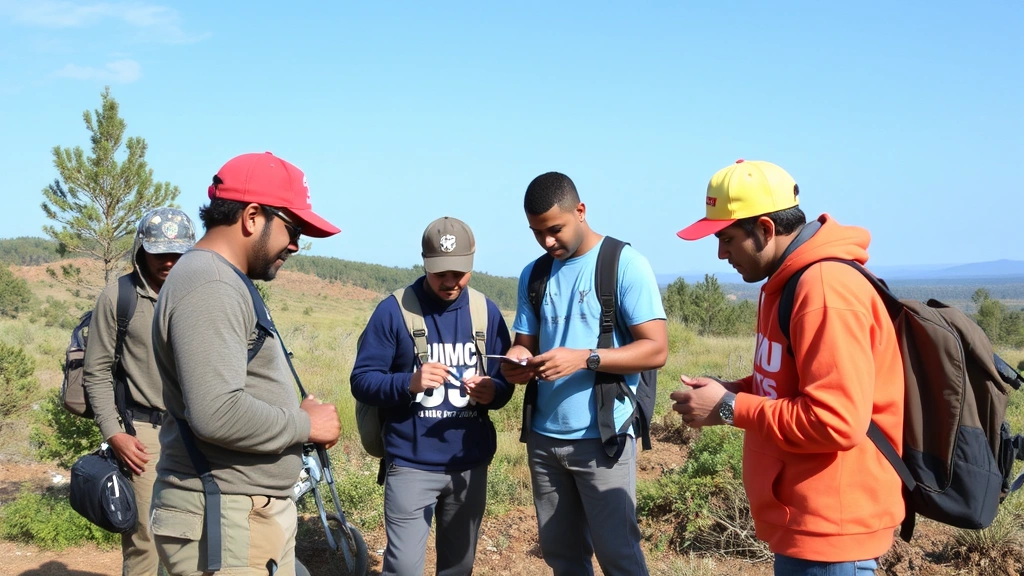
Track volunteer hours and celebrate milestones—50 hours, 100 hours, one year of service. Create a “volunteer of the month” program if it fits your culture. The point is to make volunteers feel like valued team members, not just free labor.

Tracking Hours and Impact
Keep accurate records of volunteer hours and activities. This serves multiple purposes: it helps you understand your volunteer program’s impact, it’s often required for grant reporting, and it gives you data to celebrate. Use a simple spreadsheet or volunteer management software to log who worked, when, what they did, and for how long. If you need to mass delete emails on Gmail related to volunteer coordination, archive them first so you retain records in a central database.

Calculate the dollar value of volunteer hours using standard rates in your region (often $25-$35 per hour). This number is powerful for reports, fundraising pitches, and demonstrating your organization’s efficiency to stakeholders.
Handling Common Challenges
Every volunteer coordinator faces challenges. No-shows happen—people commit but don’t show up. Reduce this by sending reminders, making it easy to reschedule, and understanding that life happens. Some volunteers are difficult or don’t follow procedures. Address issues directly but kindly; sometimes a quick conversation solves the problem. Other times, you need to politely transition someone out of your program.

Burnout is real, even for volunteers. Watch for signs that someone is overcommitted and gently suggest they scale back. Create a culture where it’s okay to take breaks. Retention matters more than constantly recruiting new people.

Building Long-Term Retention
The best volunteers are the ones who keep coming back. Build retention by creating a positive experience from day one. Make volunteers feel welcome, provide clear expectations, offer flexibility when possible, and show genuine appreciation. Create pathways for growth—if someone wants more responsibility or a different role, make that happen.
Stay in touch with volunteers between service days. Share updates about the impact they’re making. Invite feedback and actually implement suggestions when possible. When volunteers feel like partners in your mission rather than just task-doers, they become loyal advocates for your organization.

Frequently Asked Questions
What’s the best way to schedule volunteers?
Use a shared online calendar or scheduling tool that volunteers can access. Send reminders a few days before their shift. Allow flexibility when possible—some volunteers prefer scheduled recurring slots while others prefer picking shifts as they’re available. Find a system that works for your team size and structure.

How do I handle a volunteer who isn’t working out?
Have a private, respectful conversation. Explain what you’ve observed and ask if there are barriers or misunderstandings. Sometimes a quick chat fixes things. If the issue persists, you may need to suggest a different role or, in rare cases, end the volunteer relationship. Always handle this professionally and kindly.

Should I require background checks for volunteers?
If your volunteers work with children, vulnerable adults, or have access to sensitive information, yes. Background checks protect everyone and show you’re serious about safety. For other volunteer roles, assess the risk and decide accordingly. Make the process simple and affordable.
How often should I communicate with volunteers?
At minimum, send updates before each volunteer session and a thank-you after. For active volunteers, weekly or bi-weekly communication keeps momentum. For less frequent volunteers, monthly updates work. Find the balance that keeps people informed without overwhelming them.
What if I can’t afford volunteer management software?
You don’t need fancy software to coordinate volunteers. A spreadsheet, Google Forms for sign-ups, and email work fine for smaller programs. As you grow, tools like VolunteerHub or Galaxy Digital become worthwhile investments. Start simple and upgrade as needed.
How do I recruit volunteers with specific skills?
Be explicit about skill requirements in your recruitment materials. Reach out to professional associations, alumni networks, or skill-specific groups. Offer roles that match people’s expertise—accountants for financial tasks, writers for communications, tech folks for database management. People enjoy using their skills for good causes.
Conclusion: Coordinating volunteers successfully comes down to treating them with respect, communicating clearly, and recognizing their contributions. Start by defining roles clearly, recruit the right people, communicate consistently, provide good training, and show genuine appreciation. These five steps create a volunteer program that works—one where people feel valued and keep coming back. Your volunteers aren’t just filling gaps in your capacity; they’re extending your mission into the community. Treat them that way, and you’ll build something special.


