
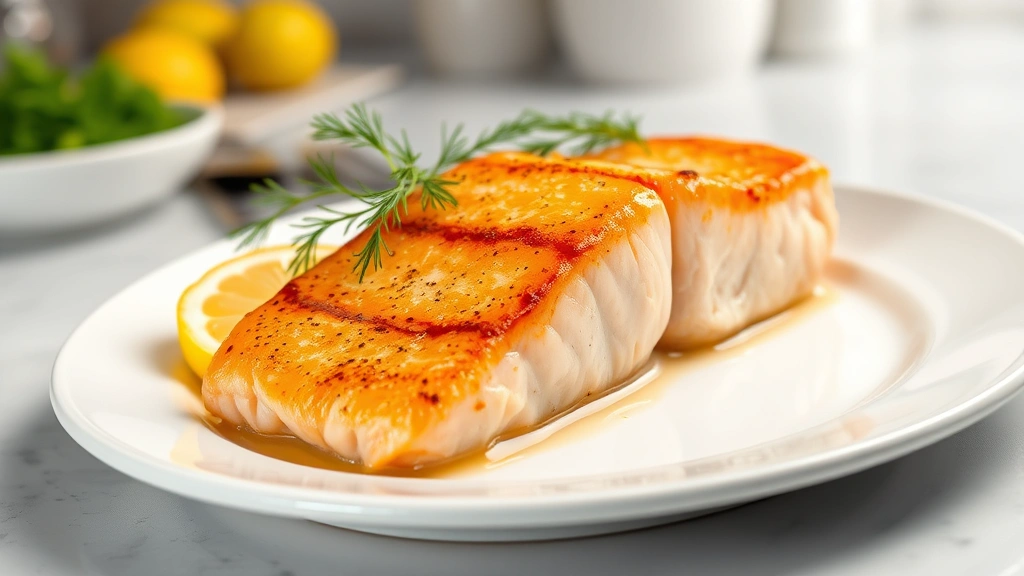
Learning how to bake frozen salmon is one of the easiest kitchen shortcuts that’ll make you look like a pro without thawing overnight. I’ve baked hundreds of salmon fillets straight from the freezer, and honestly, the results are just as good—sometimes better—than thawed fish. No planning ahead, no last-minute panic, just dinner on the table in about 20 minutes.
Table of Contents
Why Frozen Salmon Works
Frozen salmon fillets are actually flash-frozen at peak freshness, often fresher than “fresh” fish sitting in a display case. The ice crystals preserve the flesh perfectly. When you bake frozen salmon directly, the gentle heat thaws it while cooking it simultaneously. The key is using the right temperature and not rushing it.
I used to think I needed to thaw everything first, but that’s old kitchen advice. Modern freezing technology changed the game. Your frozen fillet is locked in time at its best moment, and baking unlocks all that flavor without any fuss.
Prep Your Salmon Right
Start by pulling your frozen salmon straight from the freezer. Don’t unwrap it yet—let it sit on the counter for about 5 minutes so you can handle it easily. While it’s sitting, preheat your oven to 400°F.
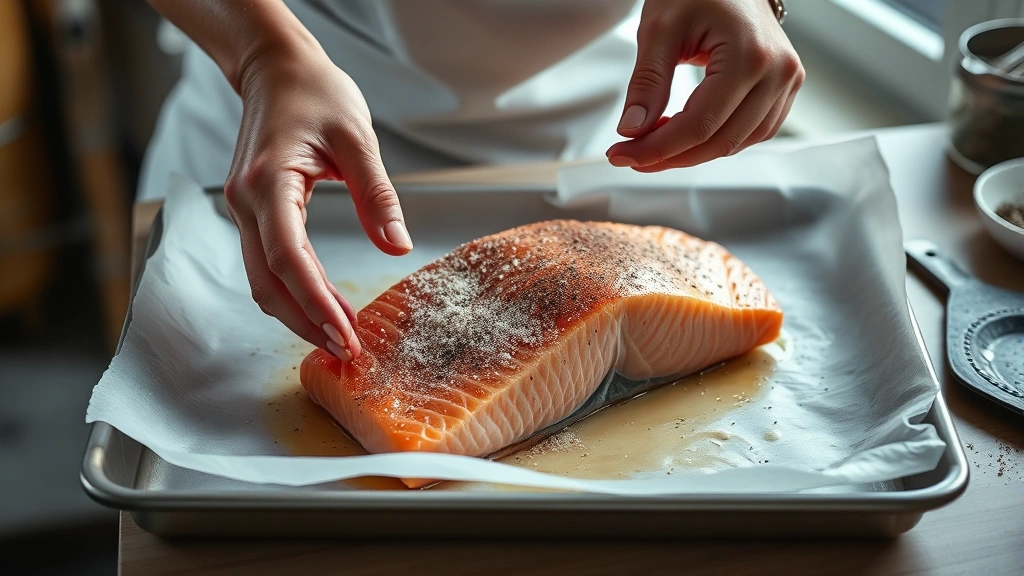
Line a baking sheet with parchment paper or aluminum foil. This is non-negotiable if you want cleanup to take 30 seconds instead of 10 minutes. Place your frozen salmon skin-side down on the prepared sheet. If your fillets are thick (over 1.5 inches), you might want to space them out so heat circulates evenly.
Pat the top of the salmon dry with paper towels if there’s any frost or ice. This helps seasonings stick better and promotes better browning on top.
Seasoning Matters Most
This is where frozen salmon gets a reputation boost. Since you’re not thawing, the seasoning sits on the surface and penetrates as the fish cooks. A simple salt and pepper combination works beautifully, but you can get creative here.
My go-to is kosher salt, fresh cracked black pepper, and a light drizzle of olive oil. That’s it. Sometimes I add a pinch of garlic powder or dried dill. If you’re planning a quick dinner for one, this approach scales perfectly.
Sprinkle salt and pepper generously on both sides of the fillet. Don’t be shy—frozen fish needs a bit more seasoning than thawed because the surface is cold. Drizzle with about a teaspoon of olive oil per fillet and rub it in lightly.
Baking Temperature Guide
The magic number is 400°F. This temperature is hot enough to cook the salmon through in about 15-18 minutes for standard fillets (around 1 inch thick), but not so hot that the outside burns before the inside thaws.
Some folks use 425°F for faster cooking, which works fine if you’re watching closely. I stick with 400°F because it’s more forgiving. The lower temp gives you a 5-minute window where the salmon is perfect instead of a 2-minute window where you have to nail it exactly.
If your fillets are particularly thick (over 1.5 inches), drop the temp to 375°F and add 5 minutes to the cooking time. Thinner fillets (under 3/4 inch) can handle 425°F and will be done in 12-14 minutes.
Cooking Time for Frozen
Here’s the real-world timing for standard 1-inch frozen salmon fillets at 400°F:
- 4-5 oz fillets: 14-16 minutes
- 6-7 oz fillets: 16-18 minutes
- 8+ oz fillets: 18-20 minutes
Set a timer for the lower end of that range and check at that point. The salmon should be starting to flake at the thickest part. If it’s still translucent in the very center, give it another 2-3 minutes.
Unlike thawed salmon, frozen fillets won’t dry out as easily because the ice content keeps them moist as they cook. You’ve got a pretty generous margin for error here.
Checking for Doneness
The visual test is your best friend. Look at the thickest part of the fillet. When it’s cooked through, you should see opaque, flaky flesh. If there’s still a translucent line running through the center, it needs more time.
If you want to be precise, use an instant-read thermometer. Salmon is done at 145°F internal temperature. Stick the thermometer into the thickest part of the fillet, being careful not to touch the baking sheet.
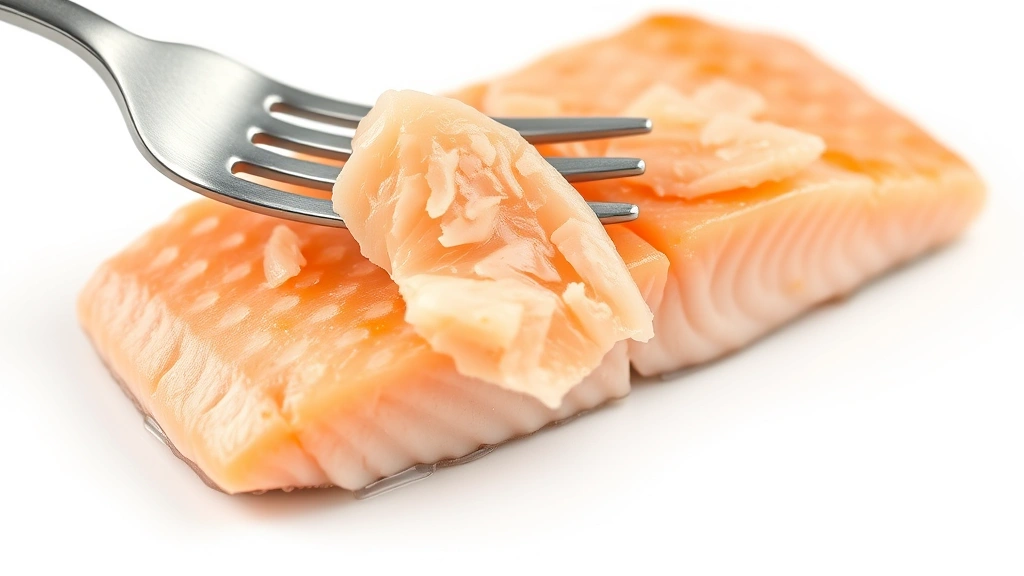
The fork test also works great: gently press the flesh with a fork. Cooked salmon flakes easily and separates naturally. Undercooked salmon resists and feels mushy.
Flavor Additions That Work
Beyond basic seasoning, you can layer flavors without adding complexity. A squeeze of fresh lemon juice in the last 2 minutes of cooking brightens everything. Fresh herbs like dill, parsley, or cilantro chopped fine add freshness.
Thin lemon slices laid on top of the fillet before baking infuse the fish with citrus flavor. A light sprinkle of everything bagel seasoning works surprisingly well. If you’re feeling adventurous, a buffalo sauce drizzle creates a completely different flavor profile.
Minced garlic mixed with butter and spread on top in the last 5 minutes of cooking is restaurant-quality simple. The key is not overdoing it—let the salmon shine through.
Common Mistakes to Skip
Don’t thaw the salmon first. I know this sounds backwards, but thawing introduces moisture that makes the flesh mushy. Baking from frozen keeps the texture firm and flaky.
Don’t use water or liquid on the baking sheet. This steams the salmon instead of baking it. Parchment paper or foil keeps everything dry and promotes browning on the surface.
Don’t skimp on seasoning. Frozen salmon’s cold surface needs bold seasoning to taste right. Salt it generously.
Don’t overcrowd the baking sheet. Give each fillet space so heat circulates evenly. If you’re cooking multiple fillets, use two baking sheets instead of cramming them together.
Don’t skip the preheat. Your oven needs to be at temperature so the salmon starts cooking immediately. A cold oven extends cooking time unpredictably.
Serving Your Salmon
Baked frozen salmon pairs beautifully with roasted vegetables, rice, or a simple salad. The 20-minute window means you can have sides cooking simultaneously. Start your rice or roasted garlic cloves at the same time as the salmon.
For something heartier, serve it alongside gumbo or a grain bowl. The salmon’s mild flavor complements bold spices without fighting them.
Leftover salmon (if you have any) makes amazing salmon salad the next day. Just flake it up, mix with mayo and dill, and you’ve got sandwich filling or lettuce wrap material ready to go.
Frequently Asked Questions
Can I bake salmon from frozen without thawing?
Absolutely. That’s actually the best method. Frozen salmon bakes perfectly at 400°F in 15-20 minutes depending on thickness. The ice content keeps it moist while it cooks.
How long does frozen salmon take to bake?
Standard 1-inch thick fillets take 16-18 minutes at 400°F. Thicker fillets need 18-20 minutes. Thinner ones finish in 12-14 minutes. Always check doneness by looking for opaque, flaky flesh in the thickest part.
What temperature should frozen salmon be cooked to?
Bake at 400°F for the best results. This temperature cooks the salmon through without drying it out. Some recipes use 425°F for faster cooking, but you need to watch it closely. Never go below 375°F or it’ll take too long.
Do I need to season frozen salmon differently?
Yes, use slightly more seasoning on frozen salmon because the cold surface doesn’t absorb flavors as quickly as room-temperature fish. Be generous with salt and don’t skip the olive oil.
Can I add toppings to frozen salmon before baking?
Absolutely. Lemon slices, fresh herbs, garlic butter, or light sauce can all go on top before baking. Just avoid heavy, wet toppings that trap steam. Keep it light so the salmon can still bake properly.
How do I know when frozen salmon is done?
Look for opaque, flaky flesh throughout the thickest part. A fork should separate the flesh easily. If you want precision, use an instant-read thermometer—salmon is done at 145°F internal temperature.
Is frozen salmon as good as fresh?
Often better. Frozen salmon is flash-frozen at peak freshness, locking in quality. “Fresh” salmon in stores may have been thawed from frozen anyway. The baking method matters more than the starting state.
Final Thoughts
Baking frozen salmon straight from the freezer is genuinely one of the easiest ways to get restaurant-quality protein on your table in 20 minutes. No planning, no thawing, no complicated techniques. Just season it, slide it in a hot oven, and you’re done.
The first time you pull a perfectly cooked, flaky salmon fillet from the oven without any prep work, you’ll wonder why you ever thawed salmon the traditional way. This is the kind of cooking hack that actually works and tastes great. Give it a shot tonight.


