Learning how to bake a breadling is one of those kitchen skills that feels intimidating until you actually try it—then you realize it’s just bread with a twist. A breadling is basically a small, artisanal loaf that sits somewhere between a dinner roll and a full-sized bread, perfect for individual servings or when you want that fresh-baked magic without committing to a massive loaf. Whether you’re a complete novice or someone who’s burned toast before, this guide walks you through every step to get you baking golden, crusty breadlings that’ll make your kitchen smell like a European bakery.
Table of Contents
What Exactly Is a Breadling?
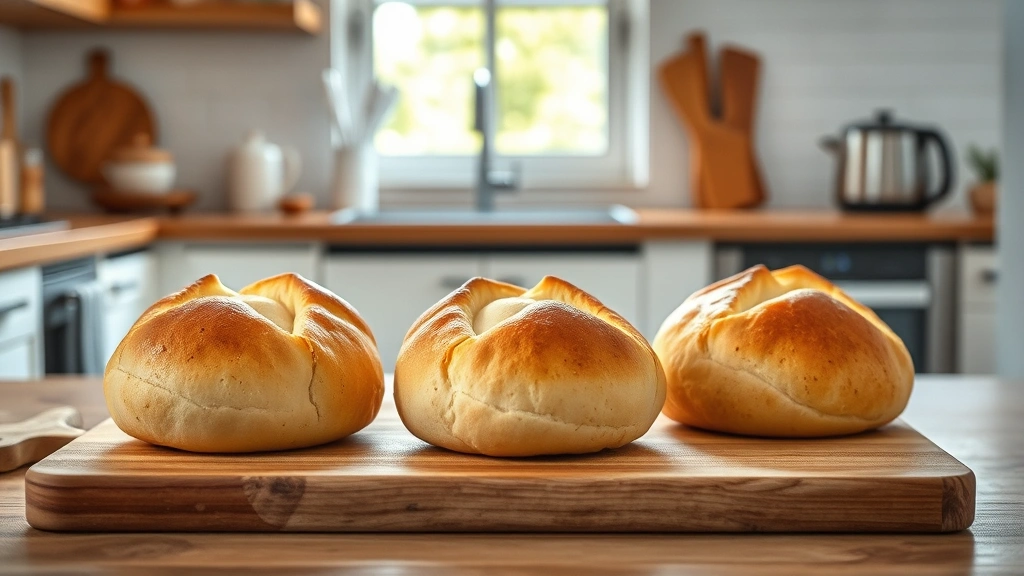
Before we jump into how to bake a breadling, let’s clarify what we’re actually making. A breadling is a smaller, individual-sized loaf of bread—think of it as the Goldilocks of bread sizes. It’s not a roll (too small), not a full loaf (too big), but just right for one or two people. The beauty here is that you get that satisfying crust and chewy interior that larger loaves offer, but in a more manageable, quicker-baking package. Breadlings work great alongside meals like how long to bake tilapia or as part of a complete dinner spread with how to make gravy from drippings.

Gather Your Ingredients
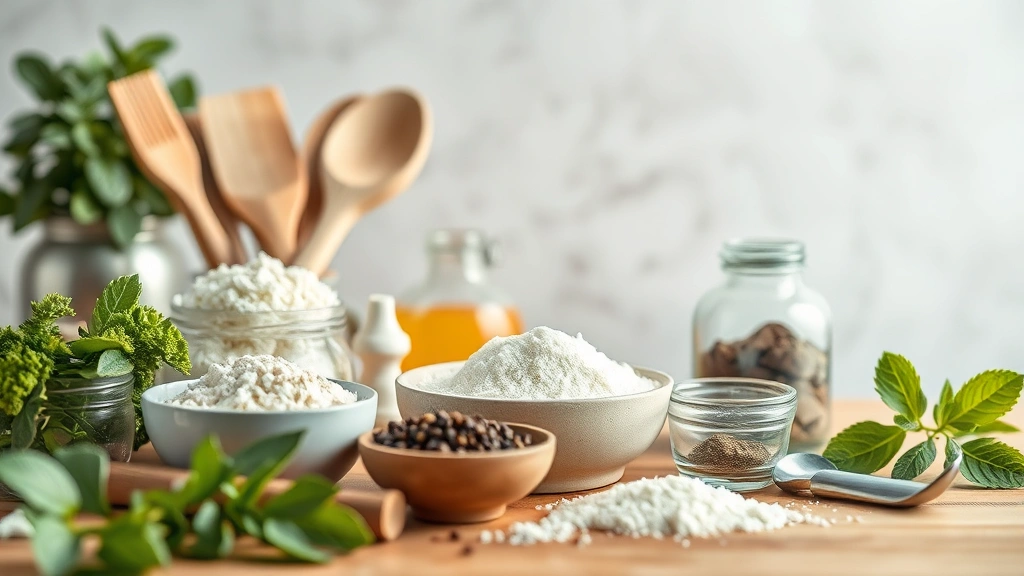
Here’s the honest truth: breadling dough is stupidly simple. You need just five things, and you probably have most of them sitting around right now. Grab all-purpose flour (about 3 cups), warm water (around 1.5 cups), active dry yeast (one packet or 2.25 teaspoons), salt (about 1.5 teaspoons), and a tiny bit of olive oil (just 1 tablespoon). That’s it. No fancy ingredients, no weird additives. Some bakers like to add a pinch of sugar to feed the yeast, which isn’t a bad idea if you’re new to this. The quality of your flour matters more than you’d think—grab something decent, not the cheapest option on the shelf. If you want to pair these breadlings with dinner, check out boiled potato recipes for complementary sides.
Prep Your Workspace
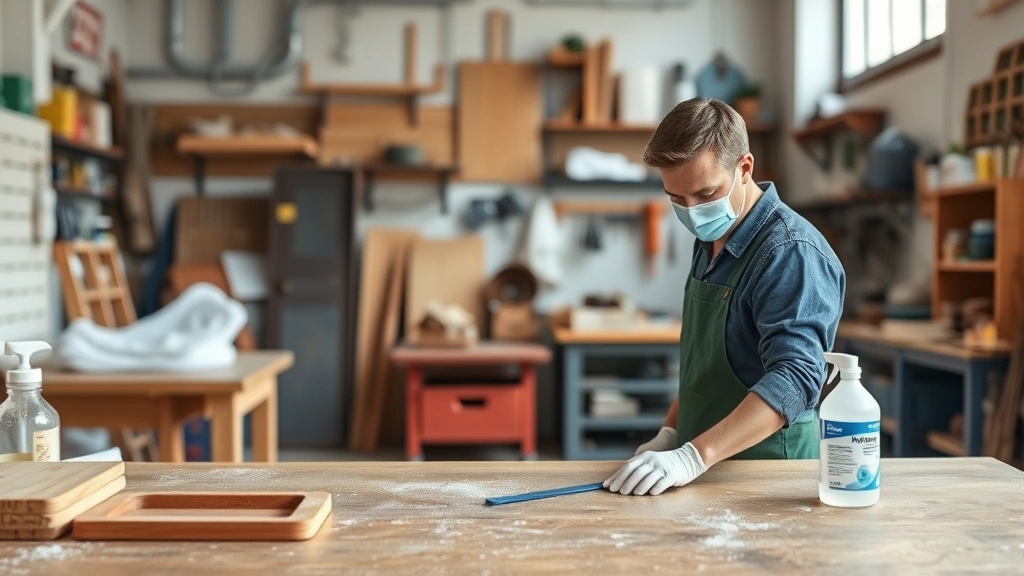
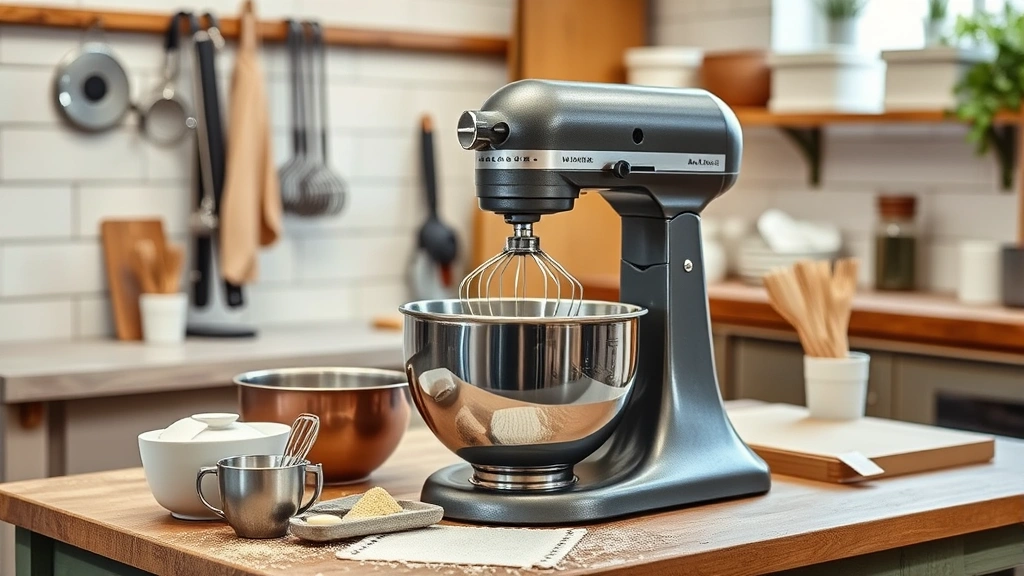
This step separates confident bakers from frustrated ones. Clear off a decent chunk of counter space—you need room to knead without knocking stuff over. Grab a large mixing bowl, a kitchen scale if you have one (helpful but not required), a kitchen thermometer, and a sturdy wooden spoon or stand mixer. Line a baking sheet with parchment paper or a silicone mat. Get your oven thermometer in there too, since oven temperatures can be wildly inaccurate. Have all your ingredients measured and ready before you start mixing—this is called mise en place, and it’s the difference between a smooth process and chaos. Trust me on this one.

Mix and Knead the Dough
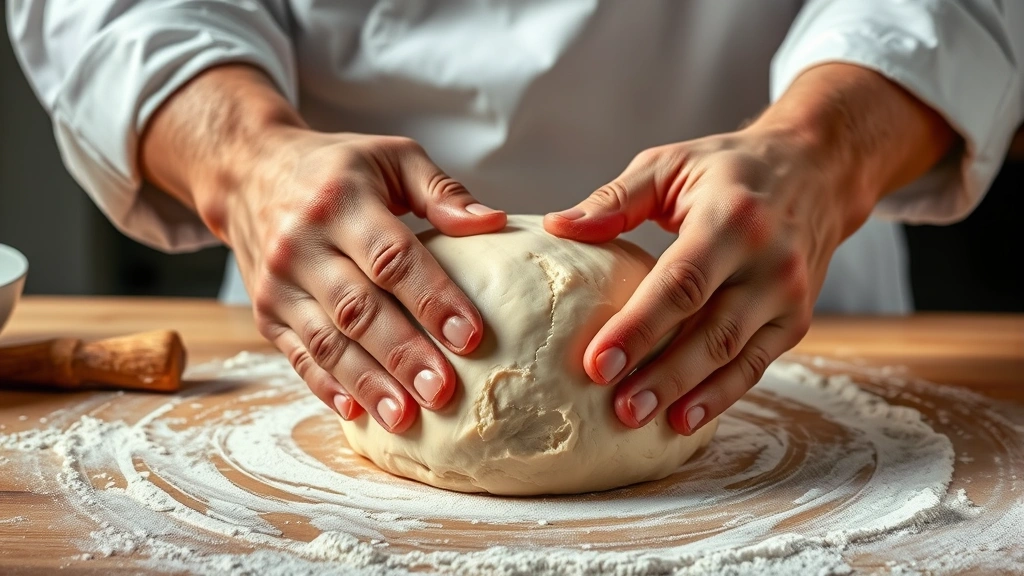
Pour your warm water (not hot—aim for around 110°F, which feels warm but not uncomfortable on your wrist) into your mixing bowl. Sprinkle the yeast over it and let it sit for about five minutes. You should see it get foamy and smell yeasty—that’s the good stuff waking up. Add your flour, salt, and olive oil. Mix it all together with a wooden spoon until you’ve got a shaggy, rough dough. Now comes the fun part: kneading. If you’re using a stand mixer with a dough hook, let it go for about 8-10 minutes on medium speed. If you’re doing it by hand (which honestly isn’t that bad), flour your counter lightly and knead for about 10-12 minutes. You’re looking for a dough that’s smooth, elastic, and springs back when you poke it. It shouldn’t be sticky, but it shouldn’t be dry either—adjust with tiny amounts of water or flour as needed.
First Rise: Patience Pays Off
Oil your bowl lightly, place your kneaded dough in it, and turn it over so the top is coated with oil. This prevents a dry crust from forming while it rises. Cover the bowl with a damp kitchen towel or plastic wrap. Find a warm spot in your kitchen—ideally around 75-80°F. The top of your fridge, near a sunny window, or inside your oven with the light on all work great. Let it rise for about 1 to 1.5 hours, until it’s roughly doubled in size. You can test if it’s ready by poking it gently—if the indent stays, you’re good. If it springs back completely, give it more time. This first rise is where flavor develops, so don’t rush it.

Shape and Portion
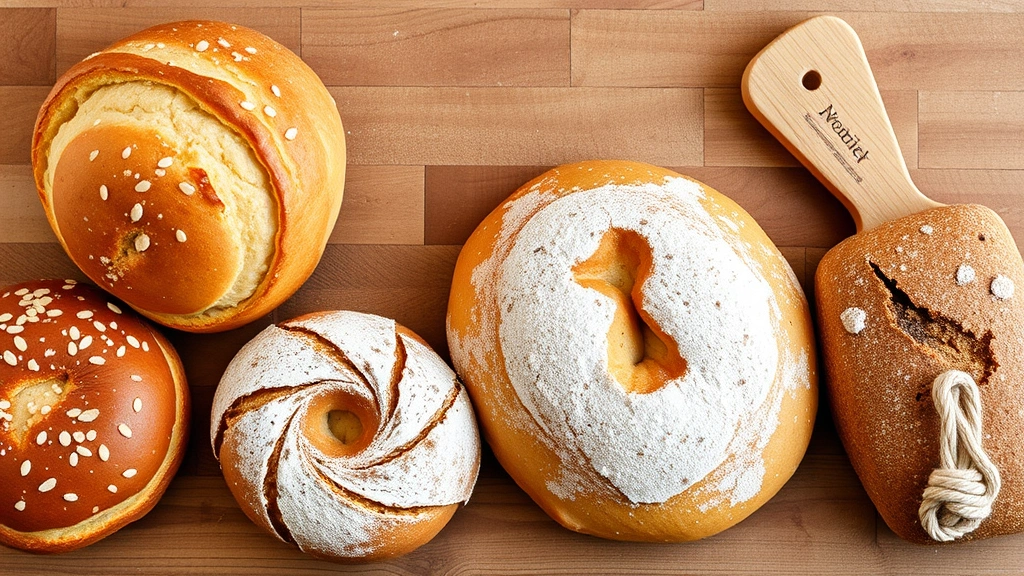
Turn your puffy dough out onto a lightly floured counter. Gently press it down to release some gas—you’re not trying to deflate it completely, just get it workable. Divide it into 4-6 equal portions depending on how large you want your breadlings. Roll each portion into a tight ball by folding the edges underneath and rolling it toward you on the counter. This creates surface tension, which helps the breadling rise up rather than spread out. Place each shaped breadling seam-side down on your prepared baking sheet, spacing them a few inches apart. They’ll expand during the second rise, so give them room.
Second Rise and Scoring
Cover your shaped breadlings with that damp towel again and let them rise for 30-45 minutes until they’re puffy and noticeably larger. While they’re rising, preheat your oven to 450°F. Get a shallow pan of hot water ready to place on the bottom rack—steam creates that beautiful crust you’re after. Once the breadlings look ready, use a sharp knife or bread lame to score the top with a shallow cut (about a quarter-inch deep). This controls where the bread expands and looks professional. A simple slash down the middle or an X pattern works perfectly. Some bakers like to brush the tops with water for extra crustiness.
Bake to Golden Perfection
Place your water pan on the bottom oven rack and let it heat up for a minute. Slide your baking sheet onto the middle rack. Bake for 20-25 minutes, until the breadlings are golden brown and sound hollow when you tap the bottom. Internal temperature should hit around 205-210°F on your thermometer. The crust should be crispy, not soft. If the tops are browning too fast, tent them loosely with foil for the last few minutes. The whole process is faster than a full loaf, which is one of the best perks of breadling baking. For a complete meal experience, consider pairing with Betty Crocker recipes or other classic sides.
Cool and Storage Tips
Let your breadlings cool on the baking sheet for 5-10 minutes, then transfer them to a wire rack. Resist the urge to slice into them immediately—they’re still cooking internally and need time to set. Wait at least 30 minutes before cutting, though an hour is better. Once cooled completely, store them in an airtight container or bread bag at room temperature for up to three days. For longer storage, wrap them individually in plastic wrap and freeze for up to three months. To revive a day-old breadling, spritz it lightly with water and pop it in a 350°F oven for 5-7 minutes. It’ll taste almost fresh-baked again.

Common Breadling Problems
Dense, gummy interior? You either didn’t let it cool long enough or your oven temperature was off. Use that thermometer. Flat, spread-out breadlings? Your dough was too warm or your shaping was too loose. Practice makes perfect here. Crust too thick or tough? You might be overbaking or not using enough steam. Adjust your oven time and make sure that water pan is doing its job. The beautiful thing about breadling baking is that even “failed” attempts still taste pretty good—you’re learning, not competing in a baking show.

Frequently Asked Questions
Can I make breadling dough the night before?
Absolutely. Mix and knead your dough in the evening, let it rise in the fridge overnight (it’ll rise slowly), then shape and do the second rise the next morning. Cold fermentation actually improves flavor, so this is a win-win.

What if my kitchen is cold?
Cold kitchens just mean longer rise times. Instead of 1-1.5 hours, you might need 2-3 hours. You can also use the oven trick: turn it on to 200°F for a minute, turn it off, then put your dough in. It creates a warm, draft-free environment.
Do I need a bread maker or special equipment?
Nope. A bowl, a spoon, and your hands are enough. A stand mixer makes it easier, but it’s not required. Parchment paper and a baking sheet are the only other essentials.
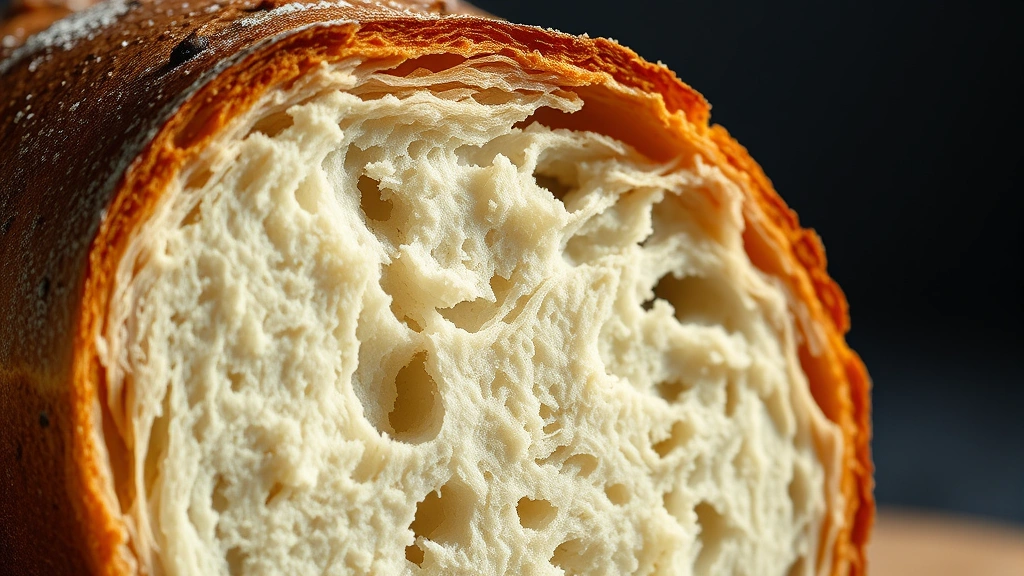
Why is my breadling’s crust not crispy?
You need steam. That water pan on the bottom rack is crucial. If you’re still not getting crispiness, try brushing the dough with water before baking or misting the inside of your oven (carefully!) a couple times during baking.

Can I add herbs or seeds?
Totally. Sprinkle sesame seeds, poppy seeds, or everything bagel seasoning on top before baking. You can also knead in dried herbs, garlic powder, or cheese into the dough itself. Get creative.

How do I know when my breadlings are done?
Tap the bottom—it should sound hollow. Check the internal temperature with a thermometer (205-210°F is perfect). The crust should be deep golden brown, not pale.

Final Thoughts
Learning how to bake a breadling is genuinely one of the most rewarding kitchen skills you can pick up. There’s something magical about pulling golden, crusty bread out of your oven that you made from five basic ingredients. The process is forgiving, the results are impressive, and the smell alone is worth the effort. Start with this basic recipe, get comfortable with the process, then experiment with flavors and shapes. Once you’ve nailed breadlings, you’ll have the confidence to tackle larger loaves or try sourdough. For more meal inspiration and complementary dishes like barbacoa recipe slow cooker, explore other recipes in your arsenal. Your kitchen—and your taste buds—will thank you.