

Learning how to avoid root canal is honestly one of the best investments you can make in your dental health—and your wallet. Root canals aren’t just expensive; they’re time-consuming and uncomfortable. The good news? Most root canals are completely preventable with some straightforward habits and smart choices. In this guide, I’m going to walk you through five proven prevention tips that’ll keep your teeth healthy and your dentist visits mercifully short.
Table of Contents
- Understanding What Causes Root Canal
- Brush and Floss Like Your Teeth Depend On It
- Cut Back on Sugar and Acids
- Protect Your Teeth From Trauma
- Schedule Regular Dental Checkups
- Address Infections Before They Spread
- Strengthen Your Tooth Enamel
- Break Habits That Damage Teeth
- Frequently Asked Questions
- Final Thoughts
Understanding What Causes Root Canal
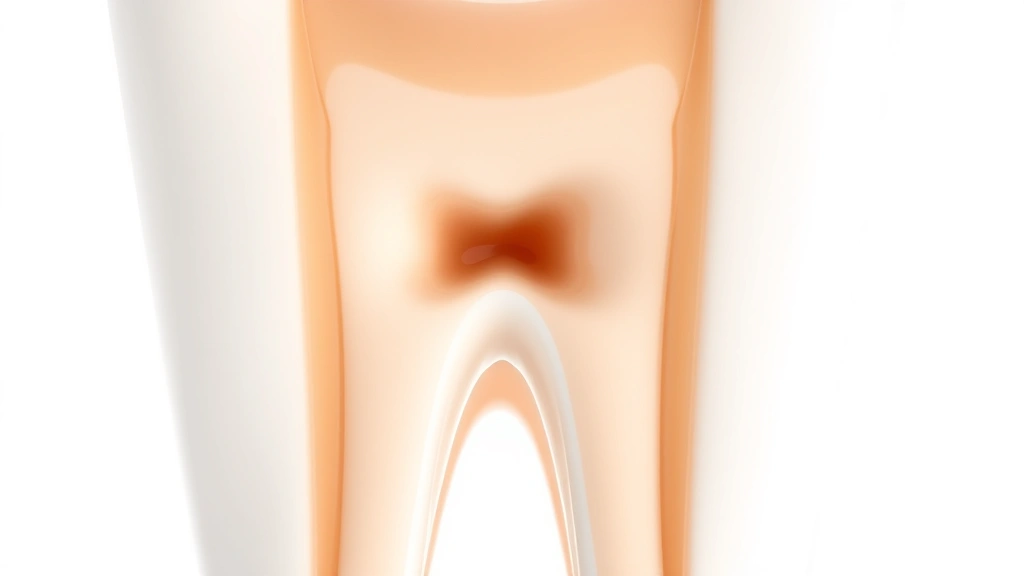
Before we talk prevention, let’s get real about what actually leads to needing a root canal. Your tooth has a pulp chamber inside—that’s where the nerve and blood vessels live. When bacteria get in there through decay, cracks, or trauma, the pulp gets infected. Your body tries to fight back, but eventually the nerve dies and you’re looking at a root canal procedure.
The sneaky part? You might not feel anything until it’s too late. By the time you’re in pain, the infection has usually been working quietly for weeks or months. That’s why prevention beats treatment every single time. Think of it like home maintenance—catching a small leak before it becomes water damage in your walls.
Brush and Floss Like Your Teeth Depend On It
This sounds obvious, but most people aren’t doing it right. Brushing twice daily with a fluoride toothpaste removes the plaque buildup that feeds decay-causing bacteria. Spend at least two minutes, and don’t just scrub—use gentle circular motions at a 45-degree angle to your gums. You’re not trying to sand down your teeth.
Now here’s the part people skip: flossing. Seriously. Flossing removes food and plaque from between your teeth where your toothbrush can’t reach. That’s where cavities love to start. If traditional floss feels awkward, try water flossers or floss picks. The best floss is the one you’ll actually use. When you combine proper brushing with consistent flossing, you’re eliminating the primary pathway for bacteria to reach your tooth’s pulp.
Cut Back on Sugar and Acids
Sugar is basically bacterial fertilizer. When you eat sugary foods or drinks, the bacteria in your mouth feast on that sugar and produce acid as a byproduct. That acid eats through your enamel and creates entry points for deeper infection. The longer sugar sits on your teeth, the worse the damage.
But here’s what catches people off guard: it’s not just candy and soda. Fruit juices, sports drinks, yogurt, and even dried fruit are loaded with sugar. Acidic foods like citrus fruits, wine, and vinegar-based dressings directly attack your enamel. If you’re going to consume these foods, drink water afterward to rinse your mouth and wait 30 minutes before brushing (brushing immediately can damage softened enamel). Better yet, limit these foods to mealtimes rather than snacking throughout the day.
Protect Your Teeth From Trauma
Cracked or chipped teeth are like open doors for bacteria. A crack might seem small, but it can extend down to the root and let infection slip right into the pulp chamber. This is especially common with people who grind their teeth at night or clench their jaw during stress.
If you play sports, wear a mouthguard—no exceptions. If you grind your teeth, ask your dentist about a nightguard. And break habits like chewing ice, using your teeth as tools, or biting down on hard candy. I know it seems tough, but a $30 mouthguard beats a $1,500 root canal any day of the week. Dental hygienists will tell you that trauma-related damage is one of the most preventable causes of pulp infection.

Schedule Regular Dental Checkups
This is your safety net. Regular checkups—ideally every six months—let your dentist catch problems early when they’re easy and cheap to fix. A small cavity caught early gets a simple filling. That same cavity left alone becomes a deep infection requiring a root canal.
During these visits, your dentist can spot cracks, early decay, and other issues you might not see or feel. They’ll also do professional cleanings that remove tartar buildup (which you can’t remove with home brushing). Professional fluoride treatments strengthen your enamel too. If you’re in a high-risk category—diabetic, smoker, or prone to gum disease—you might need more frequent visits. Understanding what dentists do during these exams helps you appreciate why they’re worth your time.
Address Infections Before They Spread
If you notice pain when chewing, sensitivity to hot or cold, or swelling in your gums, don’t wait. These are warning signs that something’s wrong. Early treatment of gum disease or cavity-related infections stops them from reaching the pulp. A simple antibiotic course or minor dental work at this stage prevents the cascade that leads to root canal territory.
Gum disease deserves special attention here. When bacteria colonize your gum pockets, they can travel down the root surface and infect the pulp from below. This is why gum health is just as important as cavity prevention. Bleeding gums, persistent bad breath, and loose teeth are red flags. Don’t ignore them. If your dentist prescribes antibiotics, take the full course even if you feel better.
Strengthen Your Tooth Enamel
Your enamel is your tooth’s armor. Once it’s compromised, bacteria have an easier path inward. You can strengthen enamel through fluoride exposure—whether that’s fluoridated toothpaste, professional treatments, or fluoridated water. Fluoride actually remineralizes early decay and makes enamel more resistant to acid attacks.
Calcium and phosphorus are also crucial for enamel strength. Dairy products, leafy greens, nuts, and fish all support healthy enamel. Stay hydrated too—saliva is your mouth’s natural defense system, washing away food particles and buffering acids. If you’re not producing enough saliva (dry mouth is a real issue), talk to your dentist about solutions.
Break Habits That Damage Teeth
Smoking and tobacco use dramatically increase your risk of gum disease and tooth decay, both pathways to root canal infection. Smoking reduces blood flow to your gums, making it harder for your body to fight infection. Alcohol consumption, especially sugary cocktails, feeds decay-causing bacteria.
Stress-related teeth grinding and jaw clenching create micro-fractures that bacteria can exploit. If you’re stressed, find outlets that don’t involve your teeth—exercise, meditation, or talking to someone help more than wearing down your molars. Even nail-biting and using your teeth to open packages creates tiny entry points for infection. These seem like small things, but they compound over time.
Final Thoughts
Avoiding a root canal comes down to treating your teeth like the important structures they are. Brush properly, floss daily, limit sugar and acids, protect your teeth from damage, see your dentist regularly, address problems early, strengthen your enamel, and drop habits that harm your teeth. These five proven prevention tips work because they attack the problem from multiple angles—they reduce bacterial growth, strengthen your defenses, and catch problems before they become emergencies.
Your future self will thank you for the effort you put in today. Root canals are expensive, time-consuming, and uncomfortable. Prevention is free compared to that, and infinitely easier. Start implementing these habits now, and you’ll likely never need to know what the inside of a root canal procedure actually feels like.
Frequently Asked Questions
Can you reverse the need for a root canal?
Once the pulp is infected, a root canal is usually necessary. However, if you catch decay early before it reaches the pulp, a filling can stop the progression. This is why early detection through regular checkups is critical.
How long does it take for a cavity to become a root canal?
It varies widely—sometimes weeks, sometimes months. A small cavity might take months to progress if you’re lucky, but a deep cavity or crack can lead to infection much faster. This unpredictability is exactly why you shouldn’t wait to treat cavities.
Is a root canal ever preventable once pain starts?
If you’re experiencing tooth pain, the infection has likely already reached the pulp. At this point, a root canal is probably necessary. Prevention works before pain appears, which is why regular checkups matter so much.
Can fluoride really prevent root canals?
Fluoride prevents cavities, which are a major pathway to root canal infection. By preventing decay, fluoride indirectly prevents many root canals. It’s not a guarantee, but it’s a powerful tool in your prevention arsenal.
What’s the connection between gum disease and root canals?
Gum disease creates pockets where bacteria thrive. These bacteria can travel down the root surface and infect the pulp, leading to root canal infection. Keeping your gums healthy is therefore essential to root canal prevention.


