

Learning how to avoid razor bumps is one of those grooming skills that separates the smooth operators from the rest. Razor bumps—those annoying red, inflamed spots that show up after shaving—happen when hair curls back and irritates your skin. It’s frustrating, uncomfortable, and completely preventable if you know what you’re doing. I’ve dealt with this myself, and I’ve picked up some solid techniques that actually work. Let’s get into the practical methods that’ll keep your skin smooth and bump-free.
Table of Contents
Prep Your Skin Properly
Before you even touch a razor, your skin needs to be ready. This is where most people mess up. You can’t just dry shave or rush into it—your skin and hair need preparation. Warm water opens up your pores and softens the hair follicles, making them easier to cut cleanly. Spend a few minutes in the shower or splash your face with warm water. This hydration step is non-negotiable if you want to avoid razor bumps.
Once your skin is warm, use a quality pre-shave oil or cream. This creates a protective barrier between your razor and skin while softening the hair even more. The oil helps your razor glide smoothly without tugging. I’ve found that this single step cuts razor bumps down significantly. Apply it generously and let it sit for 30 seconds before you start shaving.
Choose the Right Razor
Not all razors are created equal, and this directly impacts whether you get razor bumps. A dull blade is your enemy—it tears hair instead of cutting it cleanly, which is the main cause of irritation. Replace your razor blade every 5-7 shaves, or sooner if you notice it pulling. A sharp blade cuts hair below the skin surface without the tugging that leads to ingrown hairs and bumps.
Single or double-blade razors are generally better than multi-blade cartridges for avoiding razor bumps. The extra blades can cut hair too short, below the skin surface, which causes it to curl back and irritate. Straight razors are excellent if you’re willing to learn the technique, though they have a steeper learning curve. Whatever you choose, keep it sharp and clean.
Technique Matters More Than You Think
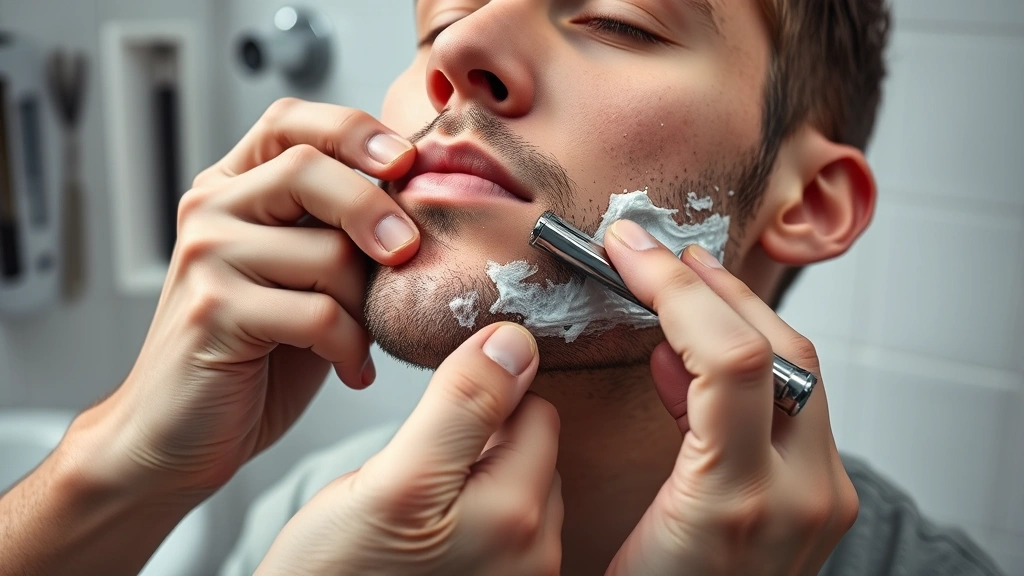
How you shave is just as important as what you shave with. The direction of your strokes makes a real difference. Always shave in the direction of hair growth, never against it. Shaving against the grain gives a closer shave but dramatically increases the risk of razor bumps because you’re cutting hair below the skin surface. That shortened hair then curls back and causes irritation.
Use light, gentle pressure. Let the razor do the work—you shouldn’t be pressing hard. Short, controlled strokes work better than long aggressive ones. Rinse your blade frequently to clear away hair and cream buildup. A clogged blade won’t cut cleanly, and you’ll end up applying more pressure to compensate, which irritates skin. This is basic stuff, but I see people ignore it constantly.
Post-Shave Care Is Critical
What you do immediately after shaving is crucial for preventing razor bumps. Rinse with cool water to close your pores and reduce inflammation. Pat your skin dry—don’t rub aggressively. Your skin is sensitive right after shaving, and rough handling can trigger irritation.
Apply an aftershave balm or moisturizer designed for post-shave use. Avoid alcohol-based aftershaves; they dry out skin and increase irritation. Look for products with soothing ingredients like aloe vera, chamomile, or glycerin. A good aftershave balm creates a protective layer while your skin recovers. This step prevents most razor bumps from forming in the first place. Don’t skip it thinking you’ll save time—you’ll regret it when bumps appear.
Exfoliate Regularly
Exfoliation removes dead skin cells that can trap hair and cause ingrown hairs, which lead to razor bumps. Do this 2-3 times per week, but not on the day you shave. Your skin is too sensitive right after shaving for exfoliation. Use a gentle exfoliant—chemical exfoliants with AHAs or BHAs work better than physical scrubs for this purpose because they’re less irritating.
Regular exfoliation keeps your skin smooth and prevents the buildup that causes razor bumps. It also helps hair grow straight rather than curling back into the skin. This is one of those preventative measures that pays dividends over time. You’ll notice fewer bumps and smoother skin overall.
Hydration Is Key
Dry skin is irritated skin, and irritated skin gets razor bumps more easily. Moisturize daily, especially after shaving. Use a lightweight, non-comedogenic moisturizer that won’t clog pores. Hydrated skin is more resilient and recovers faster from shaving trauma. This is particularly important if you have sensitive skin or are prone to razor bumps.
Drink plenty of water too. Internal hydration affects your skin’s ability to heal and stay healthy. This might sound basic, but most people don’t hydrate enough. Your skin will thank you, and you’ll see fewer razor bumps as a result.
Avoid These Common Mistakes
People make the same errors repeatedly when trying to avoid razor bumps. First, don’t shave too frequently. If you’re shaving daily, you’re not giving your skin time to recover. Every other day is better if you’re prone to bumps. Second, don’t use dirty razors. Bacteria on a blade can cause infection and make bumps worse. Rinse your blade under hot water after each use and store it dry.
Third mistake: using hot water that’s too hot. Extremely hot water can over-sensitize skin. Warm is better than hot. Fourth, don’t apply pressure. Let the blade do the work. Fifth, avoid shaving when your skin is irritated or sunburned. Wait until it recovers. These mistakes compound, so avoiding them makes a huge difference.
Products That Actually Help
Beyond basic technique, certain products genuinely reduce razor bumps. Look for pre-shave oils with jojoba or argan oil—they provide excellent lubrication. Aftershave balms with salicylic acid can help prevent ingrown hairs by keeping pores clear. Products containing witch hazel reduce inflammation naturally. For existing bumps, hydrocortisone cream or products with tea tree oil can speed healing.
If you’re really struggling, consider FamilyHandyman’s grooming guides for comprehensive product reviews. ThisOldHouse also covers personal care with practical recommendations. These sources have tested products thoroughly and can point you toward quality options that work. Don’t just grab whatever’s cheapest—investing in good products prevents the irritation that causes bumps.
Frequently Asked Questions
What causes razor bumps exactly?
Razor bumps form when hair is cut too short or below the skin surface, then curls back and irritates the skin. This creates inflammation and sometimes infection. They’re essentially ingrown hairs caused by improper shaving technique or dull razors.
How long do razor bumps take to go away?
Most razor bumps clear up within 2-3 days with proper care. If you keep irritating the area by shaving over it, they’ll last longer. Avoid shaving that area until the bumps heal completely.
Can I prevent razor bumps completely?
You can dramatically reduce them, but some people are more prone to them due to skin sensitivity or hair type. Curly hair is especially susceptible. Following these methods minimizes bumps significantly, though complete prevention depends on your individual skin.
Is electric shaving better for avoiding bumps?
Electric razors can be gentler because they don’t cut as close to the skin. If you’re constantly battling razor bumps, trying an electric razor is worth exploring. They won’t give you the closest shave, but they’re easier on sensitive skin.
Should I use shaving cream or gel?
Both work, but quality matters more than type. Choose a cream or gel that hydrates and protects. Avoid cheap drugstore options that dry out skin. A good shaving cream creates a protective barrier that reduces irritation significantly.
Does the direction I shave really matter?
Absolutely. Shaving against the grain gives a closer shave but dramatically increases razor bumps. Always shave with the grain to avoid cutting hair below the skin surface. This is non-negotiable if you want to avoid bumps.
What if I already have razor bumps?
Stop shaving that area immediately and let it heal. Apply cool compresses and hydrocortisone cream. Exfoliate gently once they start improving to prevent ingrown hairs. Avoid picking or scratching, which makes them worse.


