
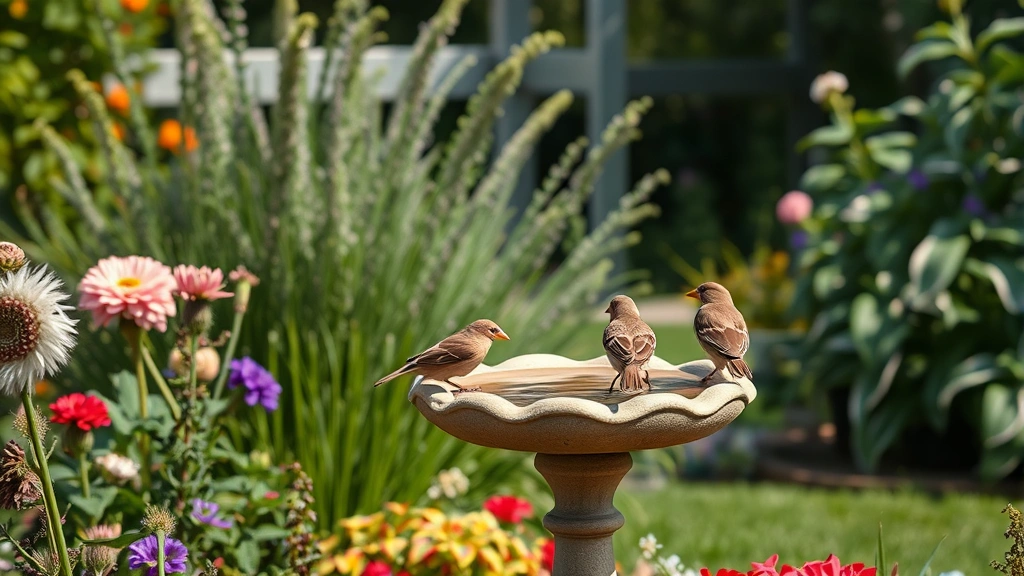
Learning how to attract wildlife to your yard transforms a plain outdoor space into a thriving ecosystem that brings joy, natural pest control, and genuine connection to nature. Whether you’re a seasoned gardener or just starting out, creating a wildlife-friendly yard doesn’t require expensive equipment or complicated techniques—just smart planning and a few intentional changes.
Table of Contents
Create Water Sources
Water is the foundation of any wildlife-friendly yard. Birds, insects, butterflies, and mammals all need fresh water for drinking and bathing. A simple birdbath works wonders—place it in an open area where animals feel safe from predators while visiting. Keep the water shallow (1-2 inches) and change it every two days to prevent mosquito breeding and keep it clean.
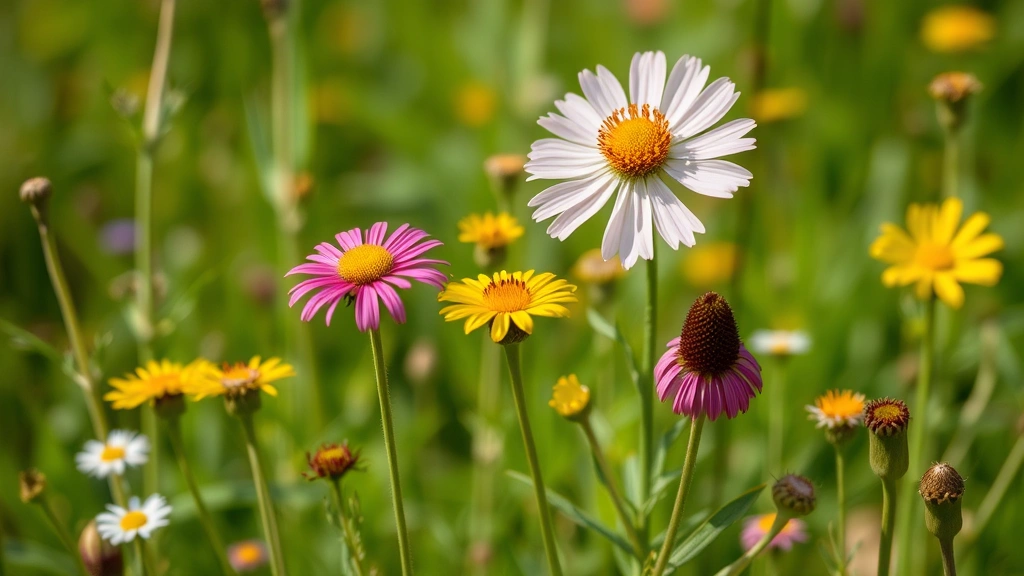
For a more ambitious project, consider a small pond or water feature. Even a 2×3 foot shallow basin with rocks around the edges attracts dragonflies, frogs, and aquatic insects. If standing water concerns you about mosquitoes, add a small fountain or bubbler—moving water naturally deters mosquito larvae while creating an attractive focal point. Position your water source near shrubs so animals have quick escape routes.
Plant Native Species
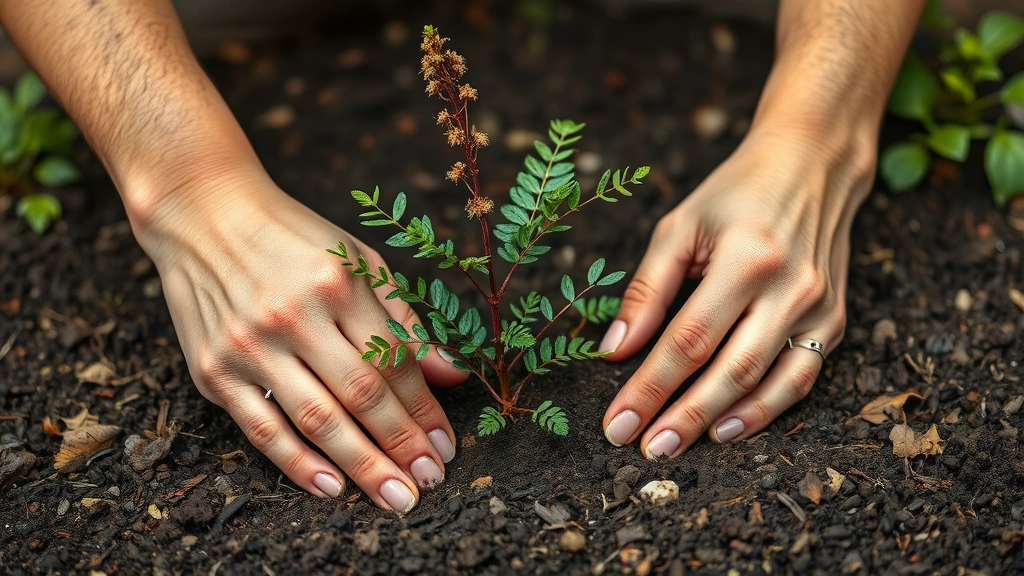
Native plants are the backbone of wildlife attraction because local animals evolved eating and sheltering in them. Visit your local native plant nursery or cooperative extension office to learn which species thrive in your region. Native plants require less water, fertilizer, and maintenance than exotic ornamentals—a genuine win-win.
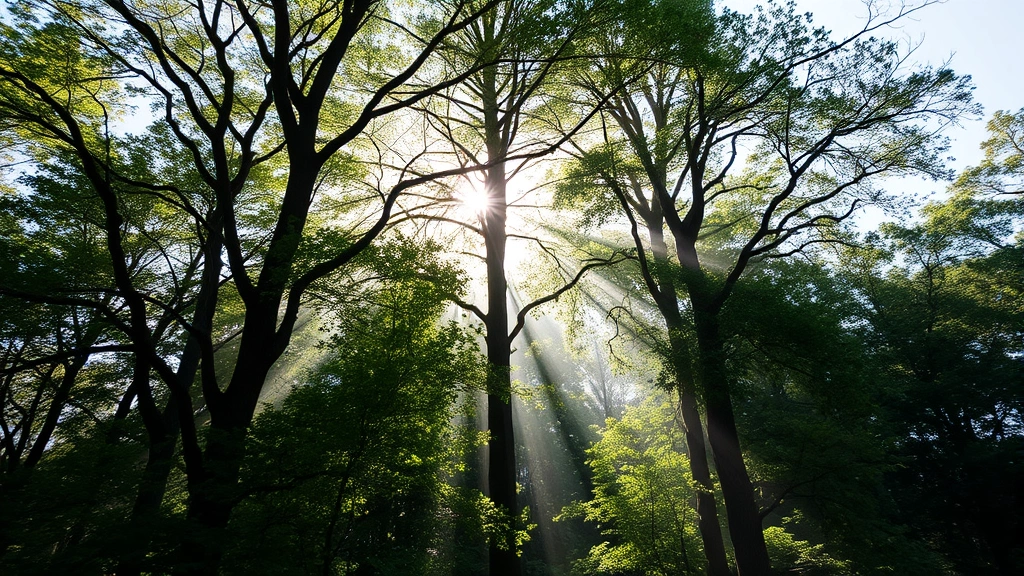
Focus on creating layers: tall trees for canopy cover, mid-story shrubs for nesting and roosting, and low herbaceous plants and groundcovers for ground-feeding birds and small mammals. This vertical structure mimics natural forest ecosystems and provides multiple habitat niches. When you plant native species, you’re essentially rolling out a welcome mat that says “this is home” to local wildlife.
Build Shelter & Habitat
Animals need places to hide, nest, and raise young. Dead trees (snags) are goldmines for wildlife—woodpeckers, owls, and cavity-nesting birds depend on them. If you can safely leave dead trees standing, do it. If not, install birdhouses and bat boxes designed for your region’s species. Mount them at appropriate heights and angles, away from direct afternoon sun.

Dense shrubs and brush piles create shelter for ground-dwelling creatures like rabbits, hedgehogs, and ground-nesting birds. Don’t obsess over yard tidiness—leave some leaf litter, fallen branches, and wild corners. These “messy” areas are actually wildlife nurseries. You might even construct a simple brush pile by stacking branches in a corner, creating instant shelter for small mammals and beneficial insects.

Provide Natural Food
The most sustainable way to attract wildlife is growing their natural food sources. Native plants produce berries, seeds, and nuts that sustain birds and mammals through seasons. Trees like dogwood, serviceberry, and holly produce berries birds love. Seed-bearing plants like coneflowers, black-eyed Susans, and milkweed attract goldfinches and other seed-eaters.

Don’t deadhead all your flowers—leave some standing through fall and winter so seeds remain available. Fallen fruit from apple or cherry trees feeds wildlife naturally. If you’re interested in specific creatures like monarch butterflies, milkweed is non-negotiable; it’s the only plant monarch caterpillars eat. Creating a diverse food web means your yard sustains itself rather than depending on you for constant supplemental feeding.

Reduce Pesticides & Chemicals
Chemical pesticides and herbicides poison the entire food chain. When you spray for bugs, you’re killing the insects that birds, bats, and other wildlife depend on. Eliminate or drastically reduce chemical inputs—this single change has enormous impact. Insects aren’t your enemy; they’re the foundation of the ecosystem.
Embrace organic pest management: hand-pick larger pests, use neem oil for serious infestations, encourage beneficial predators like ladybugs and parasitic wasps, and accept that some leaf damage is normal in a healthy ecosystem. Stop fertilizing heavily too. Excess nitrogen creates lush growth that attracts pests and disrupts natural balance. Let native plants do their thing with minimal intervention.
Install Bird Feeders
While natural food sources should be your priority, strategic bird feeding supplements wildlife, especially in winter. Different birds prefer different foods: black oil sunflower seeds attract cardinals and chickadees, nyjer seed feeds finches, and suet provides high-energy fat for woodpeckers and nuthatches. Offer multiple feeder types in different locations.
Place feeders near cover (trees or shrubs) so birds can escape predators quickly. Keep feeders clean and dry—wash them with hot water every two weeks to prevent disease spread. Position feeders where you can see them from a window for the best bird-watching experience. If you want to go deeper, learn about how to store dry ice if you’re experimenting with specialized wildlife research projects in your yard.
Create Butterfly Gardens
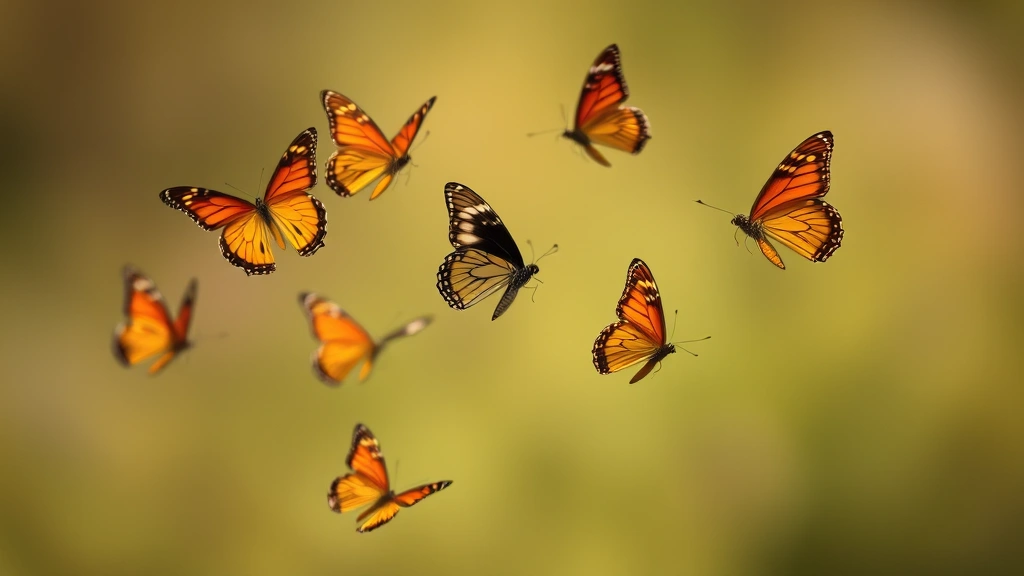
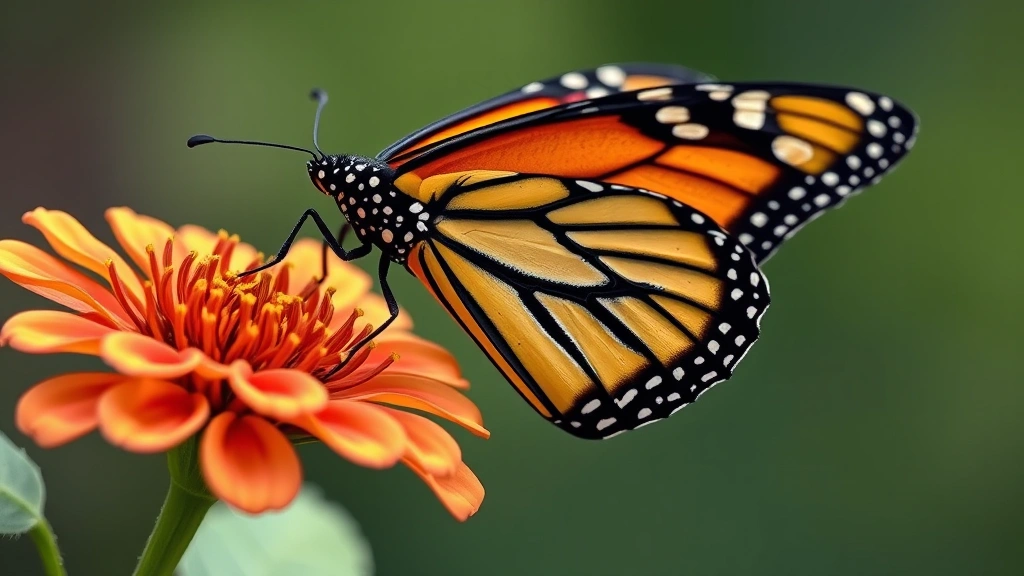
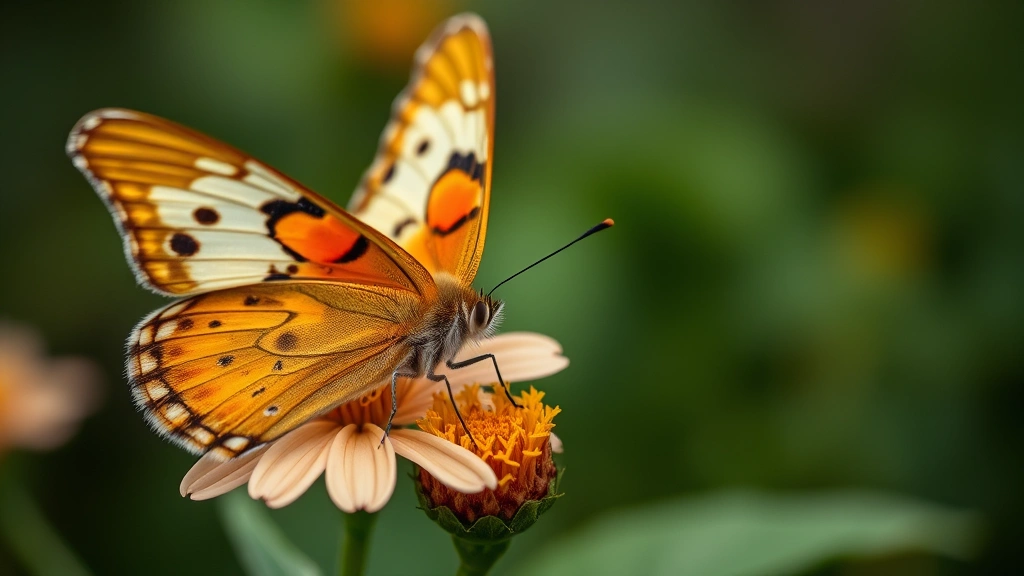
Butterflies are pollinators and wildlife indicators of a healthy yard. Create a dedicated butterfly garden using nectar plants and host plants. Nectar plants (where adult butterflies feed) include zinnias, coneflowers, bee balm, and blazing star. Host plants (where caterpillars feed) vary by butterfly species—monarchs need milkweed, swallowtails need parsley and fennel, and fritillaries need violets.
Butterflies also need shallow water sources and sunny spots to warm their wings. Plant flowers in clusters of the same species so butterflies can easily locate food. Avoid hybrid flowers with double petals—they often lack nectar and pollen. Let your garden bloom in waves from spring through fall for continuous butterfly activity.

Plan for Seasons
Wildlife needs change throughout the year. Spring requires nesting sites and early food sources. Summer demands water and shelter from heat. Fall is critical for building fat reserves before migration or hibernation. Winter requires persistent food sources and shelter from harsh weather.

Plan your planting calendar accordingly: early spring bloomers like hellebores and crocus feed emerging insects, summer bloomers sustain breeding birds, fall bloomers fuel migration, and winter seed heads and persistent berries keep animals alive through cold months. This year-round approach ensures your yard remains a wildlife haven regardless of season. For context on planning and preparation, you might explore how to program liftmaster garage door opener if you’re automating any yard features.
Monitor Your Progress
Keep a simple journal or photo log of wildlife visitors. Document what species appear, when they arrive, and what they’re using in your yard. This helps you understand what’s working and what needs adjustment. Over time, you’ll notice increasing diversity—more bird species, more butterflies, more beneficial insects.

Share your observations with local birding groups or citizen science projects like eBird or iNaturalist. Your data contributes to scientific understanding of wildlife populations. This feedback loop keeps you engaged and helps you refine your habitat year after year.
Frequently Asked Questions
How long before wildlife appears in my yard?
Small changes like water sources and feeders attract birds within days or weeks. Native plants take a season or two to establish before they produce significant food. Larger habitat improvements take 2-3 years to show full results as plants mature and wildlife discovers your space. Patience pays off with increasingly diverse visitors.
Will attracting wildlife bring unwanted pests?
A balanced ecosystem actually reduces pest problems. Predatory insects, birds, and bats eat thousands of pest insects naturally. While you might see some “pest” animals like raccoons or deer, they’re part of the deal. Secure garbage, use fencing, and accept that coexistence means occasional conflicts. The biodiversity benefits far outweigh minor inconveniences.

Do I need a large yard to attract wildlife?
No. Even small urban yards, balconies, and container gardens attract wildlife. A single native plant, a birdbath, and a bird feeder create a micro-habitat. In cities, these small spaces connect to form wildlife corridors. Every contribution matters.

What’s the best native plant for my region?
This varies dramatically by location. Contact your local cooperative extension office, native plant society, or visit a native plant nursery. They’ll recommend species perfectly adapted to your soil, climate, and wildlife needs. Never assume—what thrives in one region fails in another.

Should I use pesticides on my wildlife garden?
Avoid them entirely if possible. Pesticides kill the insects that wildlife depends on, poisoning the entire food chain. Organic methods work just fine—hand-picking, neem oil, beneficial insects, and accepting minor plant damage creates a healthier, more resilient ecosystem.
Can I attract wildlife in winter?
Absolutely. Winter is when wildlife needs your help most. Provide suet, seeds, and unfrozen water. Leave standing seed heads and berries on plants. Shelter becomes critical—dense evergreens, brush piles, and birdhouses save lives during harsh weather. Winter feeding is often most rewarding because animals are less shy when hungry.

Wrapping Up
Learning how to attract wildlife transforms your yard into a living, breathing ecosystem that benefits both animals and you. Start with one or two changes—add water, plant native species, or install a feeder. Each step builds momentum. Within a year or two, your yard becomes a recognized habitat where wildlife thrives.
The best part? You’ll spend less time fighting nature and more time enjoying it. Native plants need less maintenance, fewer chemicals mean less work, and watching wildlife teaches you more than any documentary. You’re not just improving your property—you’re creating a sanctuary in an increasingly fragmented world. That’s the real reward of this journey.


