
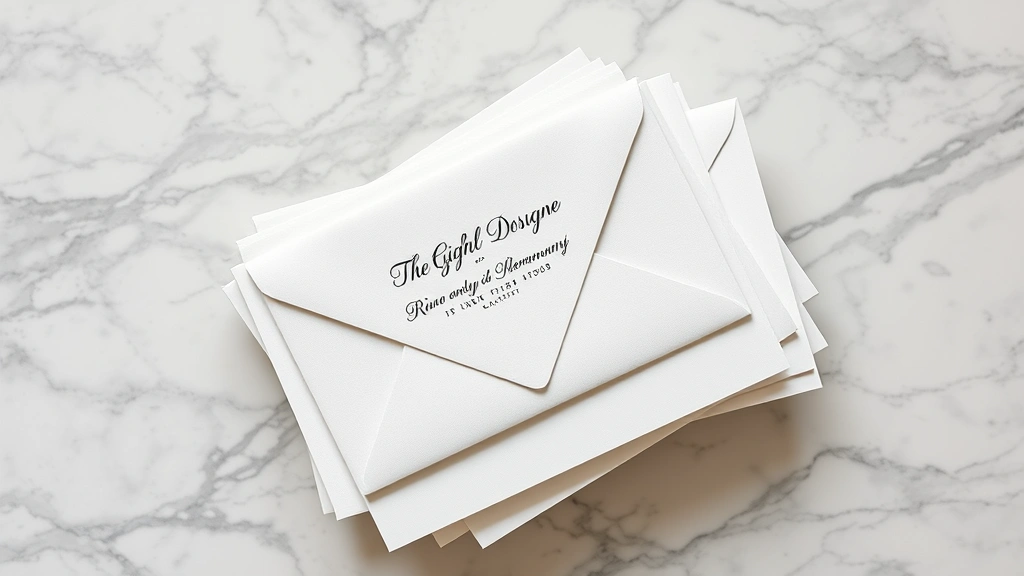
Learning how to address wedding invitations properly sets the tone for your entire event before guests even open the envelope. It’s one of those details that seems simple on the surface but carries real weight in traditional etiquette circles. Getting it right shows respect for your guests, demonstrates attention to detail, and honestly, it just looks classy. Whether you’re addressing fifty invitations or five hundred, mastering the correct format makes the whole process smoother and ensures your guests feel genuinely valued from the moment that envelope lands in their mailbox.
Table of Contents
Formal Addressing Basics
The foundation of proper invitation addressing starts with understanding the traditional formal format. You’ll want to use the guest’s full name, proper titles, and correct spelling without abbreviations on the outer envelope. The inner envelope can be slightly less formal, but consistency matters. Think of the outer envelope as your first impression—it needs to be letter-perfect.
Start with titles like Mr., Mrs., Ms., or Dr. followed by the person’s full name. On the first line of the address, include the street number and name. The second line should have the city, state, and ZIP code. Use proper capitalization throughout, and avoid abbreviating street designations like Street, Avenue, or Boulevard. This formal approach applies whether you’re sending traditional paper invitations or coordinating with a stationer.
Married Couples Etiquette
For married couples with the same last name, the traditional format lists the husband’s name first, followed by the wife’s name. However, modern etiquette increasingly allows for the wife’s name first if that’s the couple’s preference. When in doubt, ask or research which partner is the primary contact.
The format looks like this: “Mr. and Mrs. John Smith” or “Mrs. Jane Smith and Mr. John Smith.” If the wife has kept her maiden name, write it as “Mr. John Smith and Ms. Jane Johnson.” For couples with different last names where both use their own surnames, list them alphabetically or by the person you know best. The key is making both partners feel equally acknowledged and respected in your invitation.
Unmarried Partners Protocol
Addressing unmarried couples requires sensitivity and awareness. If the couple lives together and you want to acknowledge both on one invitation, list both names on separate lines with “and” between them. For example:
“Ms. Sarah Williams
and
Mr. David Chen”
If you’re unsure about the relationship status or whether to include both names, err on the side of including both if they’re in a committed relationship. Leaving someone off the invitation entirely sends the wrong message. When in doubt, send separate invitations to each person—it’s always a safer choice than making assumptions about relationship status or living arrangements.
Single Guests Approach
Single guests deserve straightforward, respectful addressing. Use their preferred title (Mr., Ms., or Dr.) followed by their full name. Don’t add “and Guest” to the envelope unless you’ve specifically invited them to bring a plus-one. The inner envelope can include “and Guest” if you’re extending that option, but the outer envelope should feature only the invited guest’s name.
For single guests you want to feel especially welcome, you might consider allowing a plus-one, particularly if most of your guest list is couples. This small gesture shows thoughtfulness and helps single attendees feel comfortable at your celebration. Just make sure your invitation wording or RSVP card clarifies whether they can bring someone.
Children and Titles
Children’s names on invitations depend on their age and your relationship. For very young children, you can simply list them under their parents’ names on the inner envelope: “Mr. and Mrs. John Smith and Family” or list each child’s name individually. For older children or teenagers, give them their own line with an appropriate title.
Boys under eighteen typically use “Master” (though this is becoming less common in modern invitations), while girls use “Miss.” Once children reach eighteen, use standard adult titles like “Mr.” or “Ms.” Listing children by their individual names shows respect and makes them feel like valued guests rather than afterthoughts. This approach also makes your guest list more organized for seating arrangements and meal counts.
Envelope Formatting Rules
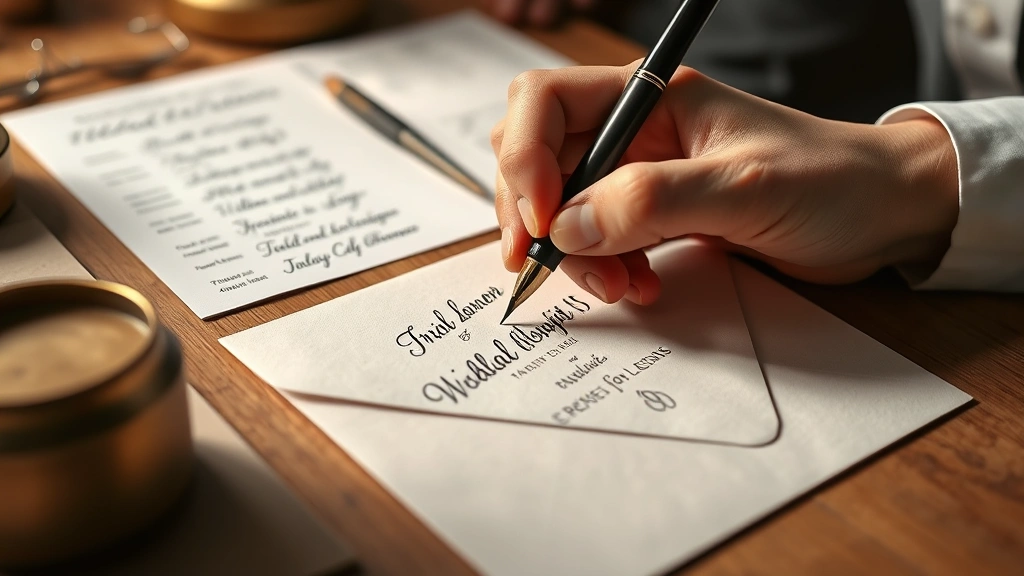
The physical layout of your envelope matters more than you might think. Center the address on the envelope, leaving adequate margins on all sides. Use black or dark blue ink—never red, green, or other colors. Handwriting should be neat and legible; if your penmanship isn’t strong, consider hiring a calligrapher or using a high-quality printer.
The outer envelope contains the formal address, while the inner envelope (if using one) can be slightly less formal. Place the outer envelope first with the flap facing away from you, then insert the invitation with the text facing the back flap. The inner envelope goes in next, flap open, with guest names visible when the outer envelope is opened. This layered approach is traditional and creates a lovely unboxing experience for your guests.
Addressing Professionals
Professionals with titles like Dr., Judge, or Professor should be addressed with their titles. Use “Dr. Jane Smith” rather than “Ms. Jane Smith,” even if you’re close friends. Military ranks also deserve proper recognition: “Colonel James Wilson” or “Lieutenant Commander Maria Garcia.” If someone holds multiple titles, use the one most relevant to how you know them.
When inviting medical doctors, dentists, or other professionals, always use their earned title on the outer envelope. On the inner envelope, you can be slightly more casual if appropriate. This formality isn’t stuffy—it’s a genuine acknowledgment of their professional accomplishments and shows you’ve taken time to get the details right. People appreciate having their credentials respected, especially on formal occasions.
Common Mistakes to Avoid
The biggest mistake people make is abbreviating when they shouldn’t. “St.” for Street, “Ave.” for Avenue, and state abbreviations belong on the mailing address line only, not in the guest’s name section. Never use “&” instead of “and.” Don’t guess at spelling or titles—verify everything before addressing.
Another common error is inconsistency. If you write out “Mister” for one guest, write it out for all guests. If you capitalize “Street” for one address, do it for all addresses. Avoid mixing handwritten and printed addresses on different envelopes. These inconsistencies might seem minor, but they stand out and suggest the invitations weren’t carefully prepared. Take time to create a master list with correct spellings and titles, then reference it as you address each envelope.
Digital Invitation Tips
Digital invitations follow slightly different rules but still require proper addressing. Use the recipient’s preferred name and include their full name in the greeting. If sending via email, personalize the subject line and opening salutation. “Dear Mr. and Mrs. Smith” beats a generic “Hi there” every single time, even in digital format.
When using online invitation platforms, ensure the system captures guest names correctly and displays them properly in confirmation emails and thank-you tracking. Some platforms allow you to customize greeting text for each recipient, which creates a more personal touch. Digital doesn’t mean less formal—maintain the same respect and attention to detail you’d apply to handwritten envelopes.
Frequently Asked Questions
Should I use “and” or “&” when addressing couples?
Always use “and” spelled out in formal wedding invitation addressing. The ampersand symbol (&) is considered too casual for traditional etiquette. Save the ampersand for less formal contexts like business casual invitations or digital communications.
How do I address someone whose gender I’m unsure about?
Use “Mx.” as a gender-neutral title, or simply use their full name without a title if you’re uncertain. When possible, verify the person’s preferred title and pronouns directly. Most people appreciate being asked rather than having assumptions made about them, and it prevents awkward mistakes.
Can I use first names only on wedding invitations?
On the outer envelope, use formal titles and full names. The inner envelope can be more casual with first and last names only, or even just first names if appropriate for your relationship. This distinction maintains formality where it matters most while allowing for warmth in the secondary envelope.
What if I don’t know someone’s middle name?
Use their first and last name only. Don’t guess or make assumptions about middle names. If their middle name is important to them, they’ll typically provide it when you request their address information for the invitation list.
How should I address divorced guests?
Use the name the person currently goes by. If they’ve reverted to their maiden name, use that. If they kept their ex-spouse’s last name, that’s fine too. Use their preferred title: “Ms.,” “Mrs.,” or “Mr.” based on their current preference. When in doubt, ask directly or check your guest information form.
Is it okay to address invitations to “and Guest”?
Only if you’ve explicitly invited the person to bring a guest. If you’re extending a plus-one, you can write “and Guest” on the outer envelope or inner envelope, but be clear about this in your invitation wording. Never assume a plus-one is welcome unless you’ve stated it clearly.
Final Thoughts
Addressing wedding invitations properly is a small gesture that makes a big impact. Your guests notice the care you’ve taken with their names and titles—it sets a positive tone for the entire celebration. Whether you’re handling this task yourself or hiring a professional calligrapher, the principles remain the same: accuracy, consistency, formality, and respect.
Take your time with this process. Create a master spreadsheet with correct spellings, titles, and addresses before you start. Verify information directly with guests when possible. Double-check your work before addressing envelopes. These extra minutes of preparation prevent embarrassing errors and ensure every guest feels genuinely valued from the moment your invitation arrives.
Remember, there’s no such thing as being too formal with wedding invitations. Your guests will appreciate the thoughtfulness and tradition, even in our increasingly casual world. The effort you invest in getting these details right reflects the importance you place on their presence at your special day.


