

Wondering how old do you have to be to donate blood? The short answer is 17 in most U.S. states, but there’s a lot more to know before you roll up your sleeve. Blood donation requirements vary by location, health status, and the type of donation you’re interested in making. Whether you’re a first-time donor or looking to give back regularly, understanding the age requirements and eligibility criteria can help you make an informed decision about becoming a blood donor.
Table of Contents
Age Requirements by Location
In the United States, the standard age requirement for blood donation is 17 years old. However, some states allow 16-year-olds to donate with parental consent. The Red Cross, which operates most blood donation centers across America, follows these guidelines strictly. If you’re 17 or older, you’re generally eligible from an age perspective. That said, age is just one piece of the puzzle—your overall health and medical history matter significantly too.
Different countries have their own requirements. Canada requires donors to be at least 17 years old, while the United Kingdom sets the minimum at 17 as well. If you’re traveling internationally or donating abroad, always check with your local blood service for specific age requirements. The reasoning behind these age minimums relates to physical maturity and the ability to handle the donation process safely.
Exceptions and Special Cases
Some blood banks allow 16-year-old high school students to donate with written parental or guardian consent. This junior donor program helps build a younger donor base and encourages lifelong giving habits. If you’re 16 and interested in donating, contact your local blood donation center to ask about their specific policies. Not all centers participate in these programs, so availability varies by location.
There’s no upper age limit for blood donation. Healthy seniors in their 80s and 90s regularly donate blood. What matters more than age is your current health status, medications, and medical history. An 80-year-old in excellent health might be more eligible than a 40-year-old with multiple health conditions. The focus is always on ensuring both donor safety and blood safety for recipients.
Health and Medical Eligibility
Beyond age, you’ll need to meet health requirements. You must be in good general health and feeling well on the day of donation. Common health disqualifiers include active infections, fever, or recent illness. If you’ve had a cold or flu, wait until you’re completely recovered before attempting to donate. Your body needs to be functioning optimally to handle the donation process.
Certain medications can affect your eligibility. Blood thinners, antibiotics for active infections, and some acne medications might disqualify you temporarily. During your screening, be honest about all medications and supplements you’re taking. The medical staff reviewing your health history wants to protect both you and blood recipients. Some medications require a waiting period—for instance, you might need to wait a certain number of days after finishing antibiotics before donating.
Chronic conditions like diabetes, high blood pressure, or heart disease don’t automatically disqualify you. Many people with these conditions donate successfully. What matters is whether your condition is well-controlled and stable. If you have questions about a specific health condition, call your local blood bank before your appointment.
Weight and Vital Signs Matter
You must weigh at least 110 pounds to donate blood. This requirement exists because the amount of blood drawn is proportional to body weight. Lighter individuals might experience more significant effects from blood loss, so the weight minimum protects donor health. If you’re under 110 pounds, you’ll need to wait until you reach that threshold.
Your blood pressure, pulse, and temperature are checked before donation. Normal ranges are essential—blood pressure should typically be below 180/100, and your pulse should be between 50 and 100 beats per minute. A slight elevation is normal due to donation anxiety, but significantly elevated readings might postpone your donation. Temperature must be normal; any fever suggests infection and disqualifies you temporarily.
Hemoglobin levels are tested through a simple finger prick. This measures whether you have enough iron in your blood. Men need hemoglobin of at least 13.5 g/dL, while women need 12.5 g/dL. Low hemoglobin indicates anemia, which can be temporary or chronic. If your levels are low, you might be deferred temporarily and advised to increase iron intake through diet or supplements.
Different Donation Types
Standard whole blood donation is the most common type and what most age-eligible donors can do. You’ll give about one pint of blood, which takes roughly 10 minutes. Your body replaces this volume within 24 hours, though red blood cell replacement takes longer. Whole blood can be used for various transfusions and is split into components for different patient needs.
Platelet donation (apheresis) allows you to give more frequently—sometimes as often as twice weekly. This process uses a machine to collect platelets while returning other blood components. It takes longer than whole blood donation, typically 90 minutes to two hours. Platelet donors must meet all standard requirements plus have a platelet count above 150,000.
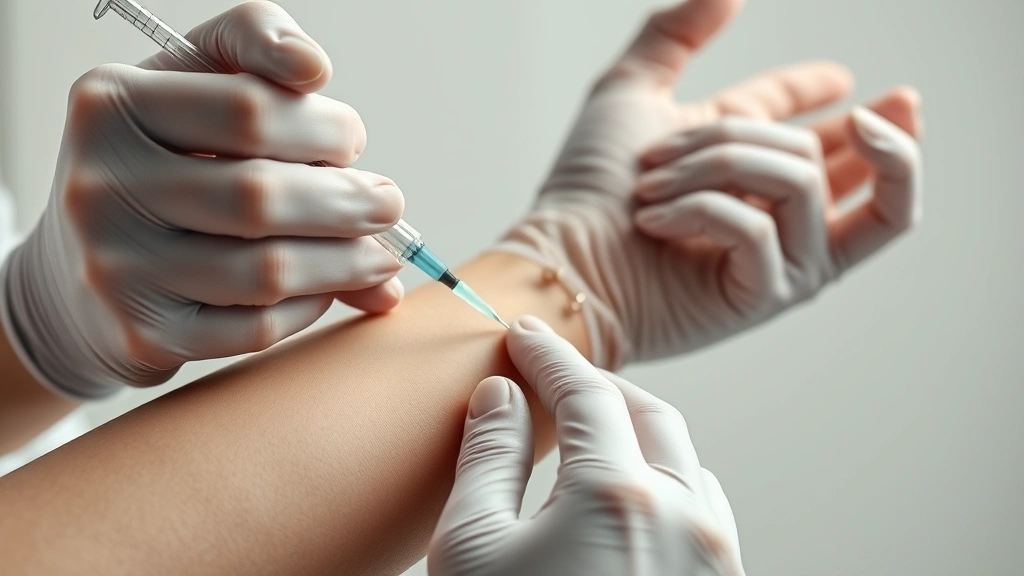
Red blood cell donation through apheresis lets you give twice as many red cells as whole blood donation. Plasma donation is another option where the machine collects plasma while returning blood cells. Each type has slightly different eligibility criteria, so discuss options with your donation center staff. Some donors prefer specific types based on their schedule and health status.
Preparing for Your Donation
Before donating, eat a healthy meal containing iron-rich foods. Think of it like fueling up before a workout. Good pre-donation meals include lean meats, beans, spinach, or fortified cereals paired with vitamin C sources like orange juice. Avoid fatty foods, which can affect blood quality. Hydration is crucial—drink plenty of water in the days leading up to your donation and especially on donation day.
Get adequate sleep the night before. Your body needs rest to handle the donation process effectively. Avoid strenuous exercise or heavy lifting on donation day. If you’re nervous, that’s completely normal—let the staff know, and they’ll help you feel comfortable. Wearing loose, comfortable clothing makes the process easier since staff need arm access.
Bring valid photo identification and proof of address. Have a list of medications and supplements ready. Answer all health screening questions honestly—there are no judgment calls, just safety protocols. If you’ve traveled internationally recently, mention it. If you’ve had tattoos or piercings, note when and where. All this information helps ensure safe donation.
What Happens After Donation
After donating, you’ll rest for 10-15 minutes and enjoy refreshments. Juice, cookies, and snacks help restore blood sugar and fluid levels. Don’t rush off immediately—give yourself time to feel normal before driving or doing strenuous activity. Most donors feel fine within an hour, but some experience mild dizziness or fatigue for a few hours.
Drink extra fluids for the next 24-48 hours to replace lost blood volume. Continue eating iron-rich foods to rebuild red blood cells. Avoid heavy lifting, strenuous exercise, and hot baths for at least 24 hours. If you experience unusual symptoms like persistent dizziness, chest pain, or shortness of breath, contact your blood bank or doctor immediately.
Your donation goes through rigorous testing before it’s used. Blood is tested for infectious diseases, blood type, and compatibility. This process takes several days, which is why blood banks maintain reserves. Your donation could help save multiple lives—whole blood can be split into red cells, plasma, and platelets for different patient needs.
How Often Can You Donate
Whole blood donors can give every 56 days (eight weeks). Your body needs time to replenish red blood cells, which takes about four months to fully restore. Men can donate up to six times yearly, while women might donate slightly less frequently depending on iron levels. Platelet donors can give more frequently—sometimes twice weekly—because they’re returning most blood components.
Plasma donors can typically donate twice weekly with at least 48 hours between donations. This frequent donation is possible because plasma replenishes within 24 hours. Red cell apheresis donors can give every 112 days since they’re removing more red cells than whole blood donation. Your blood bank will explain your specific donation frequency based on the type you choose.
Don’t exceed recommended donation frequencies. Your body needs recovery time to maintain healthy iron levels and overall wellness. If you’re a regular donor, get your iron levels checked periodically. Some donors benefit from iron supplements to maintain healthy hemoglobin levels for frequent donation. Listen to your body and follow medical staff recommendations.
Common Reasons for Disqualification
Recent travel to certain countries might temporarily disqualify you due to disease risk. Malaria-endemic regions typically require a 12-month deferral. Other travel-related deferrals vary by destination and current disease activity. Your blood bank will have current guidelines based on CDC recommendations.
Tattoos and piercings obtained at unlicensed facilities require a 12-month deferral. Licensed tattoo and piercing establishments using sterile equipment might not require deferral. If you’re unsure about your facility’s licensing, the safer option is waiting 12 months. This protects against bloodborne infections.
Pregnancy and recent pregnancy also cause temporary deferral. Women who are pregnant or have given birth within the last six weeks cannot donate. This protects both mother and baby. Certain medications, including isotretinoin (Accutane) for severe acne, require a one-month deferral after stopping.
HIV, hepatitis B and C, and certain other infections permanently disqualify donors. However, many conditions that once caused permanent deferral now allow donation after specific waiting periods. Guidelines change as medical knowledge improves. If you’ve been deferred, ask your blood bank about current policies—you might be eligible now.
Frequently Asked Questions
Can a 16-year-old donate blood?
Yes, some blood banks allow 16-year-olds to donate with written parental or guardian consent. However, not all donation centers participate in junior donor programs, so you’ll need to contact your local blood bank to ask about their specific policies. Age requirements might also vary slightly by state.
What’s the maximum age to donate blood?
There’s no upper age limit for blood donation. Healthy donors in their 80s and 90s regularly donate. As long as you meet health requirements and feel well, age alone won’t disqualify you. Your overall health status matters far more than your age.
How long does blood donation take?
Whole blood donation typically takes 10 minutes for the actual collection, plus 10-15 minutes for screening and post-donation rest. The entire appointment usually lasts 30-45 minutes. Apheresis donations take longer—usually 90 minutes to two hours—because the machine separates blood components.
Will I feel weak after donating blood?
Most donors feel fine within an hour of donation. Some experience mild fatigue or dizziness for a few hours. Eating well, staying hydrated, and resting immediately after donation minimize these effects. If you experience persistent symptoms, contact your blood bank or doctor.
Can I donate if I’m on antibiotics?
It depends on the reason for antibiotics. If you’re taking them for an active infection, you’ll be deferred until you’ve completed the course and feel well. If you’re taking antibiotics for acne or prevention, you might be eligible. The screening process will clarify your specific situation.
How much blood is taken during donation?
Standard whole blood donation collects approximately one pint (about 470 milliliters) of blood. This represents roughly 8-10 percent of your total blood volume. Your body replaces this volume within 24 hours, though red blood cell replacement takes about four months.
Is blood donation safe?
Yes, blood donation is safe when you’re healthy and meet eligibility requirements. All equipment is sterile and used only once. Your blood is thoroughly tested before use. Serious complications are extremely rare. Donors have been giving blood safely for decades.
What should I eat before donating?
Eat iron-rich foods like lean meat, beans, spinach, or fortified cereals paired with vitamin C sources. Avoid fatty foods, which can affect blood quality. Stay well-hydrated by drinking plenty of water. A good pre-donation meal fuels your body for the process.


