

So you’re wondering how old do you have to be to buy fireworks—and honestly, it’s a question that deserves a straight answer because the rules vary wildly depending on where you live. Whether you’re planning a Fourth of July celebration, New Year’s Eve bash, or just want to understand the legal landscape, this guide breaks down everything you need to know about fireworks age restrictions, state-by-state variations, and what actually counts as a firework in the eyes of the law.
Table of Contents
Federal Baseline Age Requirements
At the federal level, the Consumer Product Safety Commission (CPSC) doesn’t set a specific age requirement for purchasing consumer fireworks. Instead, they regulate which fireworks can be sold to the general public versus which ones require special licensing. However, individual states have filled this gap with their own age restrictions, and most require you to be at least 16 or 18 years old to purchase fireworks legally.
The federal government does classify fireworks into categories—1.4G (consumer fireworks) and 1.3G (display fireworks)—but the age to buy them depends entirely on state law. This is why you can’t just assume the rules are the same everywhere. A teenager who can legally buy fireworks in one state might be breaking the law by doing the same thing 50 miles away in another state.
Think of federal regulations as the floor, not the ceiling. States can be more restrictive than federal rules, and most are. This creates a patchwork of regulations that honestly makes it worth checking your local laws before heading to the fireworks stand.
State-by-State Age Variations
Here’s where things get complicated. Most states that allow consumer fireworks set the age at either 16 or 18 years old. States like California, Massachusetts, and New York have stricter rules or ban consumer fireworks entirely. Meanwhile, states like Texas, Ohio, and Pennsylvania allow purchases at 18 (sometimes 16 with parental consent).
Some states don’t regulate age at all for certain types of fireworks—like sparklers or fountains—but require you to be older for more powerful consumer fireworks. This is where it gets tricky. You might legally buy sparklers at any age in one state, but need to be 18 to buy bottle rockets in the same state.
A few states have completely banned the sale of consumer fireworks to the public, period. In those states, the age question becomes moot because there’s no legal way to buy them at all. Your best move? Check your state’s fireworks laws on the official state government website before making any purchases. Don’t rely on what the fireworks stand employee tells you—they’re often wrong about the specific regulations.
Consumer vs. Display Fireworks
The age requirement often depends on what type of fireworks you’re buying. Consumer fireworks (the stuff you see at fireworks stands—sparklers, fountains, firecrackers, roman candles) are what most people buy. Display fireworks are the big professional-grade stuff that requires special permits and training.
Consumer fireworks are classified as 1.4G explosives and are tested to meet safety standards for use by the general public. Display fireworks (1.3G) are much more powerful and dangerous, and you absolutely cannot buy these without proper licensing and permits, regardless of your age. Even a 40-year-old can’t legally purchase display fireworks without becoming a licensed pyrotechnician.
Some states make distinctions within consumer fireworks too. You might be able to buy sparklers at 16, but need to be 18 for bottle rockets. It sounds arbitrary, but it’s based on injury data and how dangerous the state considers each type. Sparklers cause fewer serious injuries than aerial fireworks, so some states are more lenient with age restrictions on them.
Legal Consequences Matter
Here’s the reality check: buying fireworks when you’re underage isn’t a victimless violation. Depending on your state, you could face fines ranging from $50 to $500, or even jail time for repeat offenses. Selling fireworks to someone underage can result in even harsher penalties for the seller—sometimes including losing their business license.
Beyond the legal trouble, there’s the safety angle. Age restrictions exist because younger people statistically have more accidents with fireworks. The CPSC reports thousands of fireworks-related injuries annually, and a significant portion involve people under 20. These aren’t just minor burns—we’re talking serious hand injuries, eye damage, and permanent disfigurement.
If you’re underage and want to use fireworks, the legal route is simple: get an adult who meets the age requirement to supervise and purchase them for you. That’s not circumventing the law; that’s following it. The age restriction is about who can buy them, not necessarily who can use them under proper supervision.
ID Requirements at Purchase
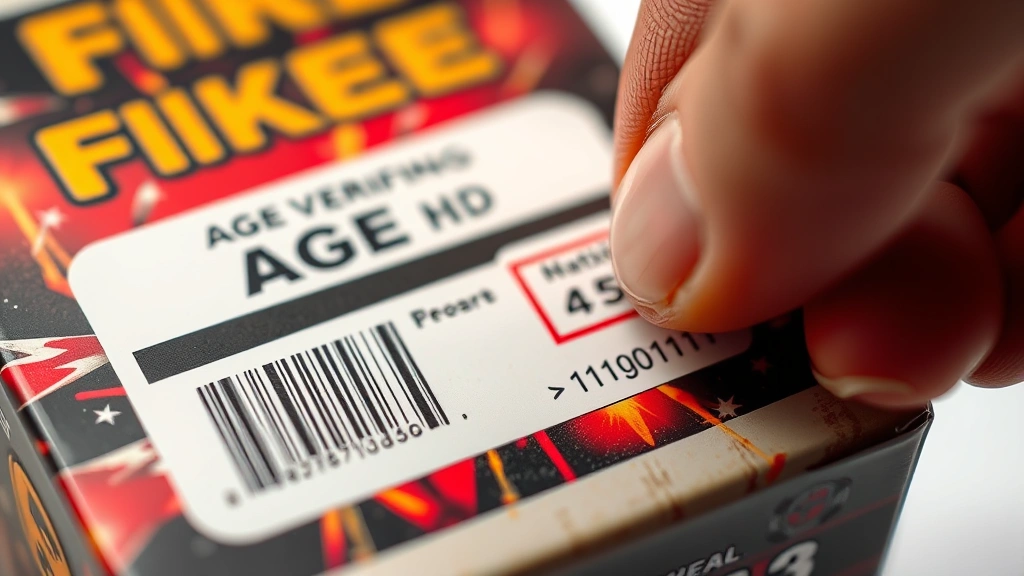
Most states that regulate fireworks sales require sellers to check ID before completing a purchase. This is similar to buying alcohol or tobacco. You’ll need a valid government-issued ID showing your date of birth. A driver’s license, passport, or state ID card will work.
Some fireworks stands are stricter than others about this. Larger retailers like Walmart or Costco have corporate policies that often exceed state minimums. They might require ID even in states where it’s not legally mandated, just to protect themselves from liability.
If you’re close to the age cutoff, bring your ID anyway. It’s faster than arguing about it, and honestly, most sellers appreciate that you’re making their job easier. If you forget your ID, you won’t be able to buy fireworks, period. No ID, no purchase—that’s the standard policy at legitimate fireworks retailers.
Permits and Professional Use
Want to set off display fireworks professionally? You’ll need to become a licensed pyrotechnician, and that’s a whole different ballgame from buying consumer fireworks. The requirements vary by state but typically involve classroom training, written exams, and apprenticeship hours under an experienced pyrotechnician.
Professional pyrotechnicians need to obtain permits from their local fire department or state authority before each display. These permits require detailed information about the location, the fireworks being used, safety measures, and emergency plans. It’s serious business because display fireworks are genuinely dangerous—they’re designed to go high and explode with force.
Some states allow municipalities or event organizers to hire licensed professionals for public displays without the general public having to jump through all those hoops. That’s why cities can have legal fireworks shows on the Fourth of July even in states where consumer fireworks are banned.
Storage and Transport Rules
Once you legally purchase fireworks, there are still rules about how you store and transport them. Most states require fireworks to be stored in a cool, dry place away from heat sources. You can’t just throw them in a hot garage or leave them in your car in the summer sun—the heat can cause them to ignite spontaneously.
Transporting fireworks has restrictions too. You typically can’t transport them in certain vehicles (like those carrying passengers for hire) or in quantities that exceed what’s reasonable for personal use. Some states have specific mileage limits for how far you can travel with fireworks before you need special permits.
These storage and transport rules apply regardless of your age, so once you’ve legally purchased fireworks, you’re still responsible for handling them safely and legally. Violating these rules can result in fines or confiscation of your fireworks.
Safety Beyond Age Limits
Age restrictions are one layer of safety, but they’re not the whole picture. Even if you’re legally old enough to buy fireworks, you still need to use them safely. Wear eye protection, keep a fire extinguisher nearby, don’t hold fireworks in your hand longer than necessary, and never point them at people or animals.
Read the instructions on every firework before lighting it. Different types have different burn times and trajectories. A roman candle behaves differently than a fountain, and aerial shells behave differently than both. Manufacturers include instructions because they’ve tested the product and know the safest way to use it.
Never relight a dud firework. Wait at least 15 minutes, then soak it in water before disposing of it. Never try to modify a firework or combine multiple fireworks together. These are common causes of serious injuries, and they’re entirely preventable by following basic safety rules.
If you’re planning to celebrate with fireworks, check out our Game Day Recipes for some food ideas to go with your celebration. And if you’re hosting a holiday party with fireworks, our Christmas Cocktail Recipes and Halloween Drink Recipes might inspire some festive beverages. For year-round entertaining, check out our Comfort Food Recipes that pair well with outdoor celebrations.
Frequently Asked Questions
Can parents buy fireworks for underage kids?
Yes, in most states. The age restriction applies to who can purchase fireworks, not necessarily who can use them. If a parent buys fireworks and supervises their use, it’s generally legal. However, some states do have restrictions on giving fireworks to minors even with parental permission, so check your local laws.
What’s the youngest age to buy fireworks anywhere?
Some states allow purchases at 16 with parental consent, making that the youngest age in the most permissive jurisdictions. However, most states that allow consumer fireworks set the age at 18 with no exceptions for younger buyers.
Are sparklers treated differently than other fireworks?
Often, yes. Some states allow sparklers at younger ages (sometimes even for young children with adult supervision) while restricting aerial fireworks to 18+. This is because sparklers are generally considered less dangerous than aerial fireworks, though they still cause injuries.
What happens if I buy fireworks underage?
You could face fines, confiscation of the fireworks, and a criminal record depending on your state. Repeat offenses can result in jail time. The consequences are real, and a criminal record can affect college admissions and job opportunities.
Can I buy fireworks online?
Most reputable online fireworks retailers verify age during checkout and require signature confirmation at delivery. Some states prohibit online fireworks sales entirely. Check your state’s laws before ordering online.
Do I need a permit to use consumer fireworks?
For personal use on private property, typically no. However, some cities require permits even for consumer fireworks, and many ban fireworks entirely within city limits. Always check local ordinances before setting off fireworks.
What’s the difference between fireworks and explosives?
Fireworks are classified as explosives by the federal government, but consumer fireworks (1.4G) are designed and tested for safe use by the general public. Display fireworks (1.3G) are much more powerful and dangerous, and are classified as explosives for commercial use.
Can I transport fireworks across state lines?
This gets complicated. You can legally purchase fireworks in one state and bring them home to another state, but only if both states allow that specific type of firework. Some states prohibit the importation of any fireworks, even if they’re legal in the neighboring state. Federal law allows interstate transport for personal use, but state laws can be more restrictive.
Final Thoughts on Fireworks Age Rules
The bottom line: how old do you have to be to buy fireworks depends on where you live, and it’s worth taking five minutes to check your state’s specific regulations. Most states require you to be 18, some allow 16 with parental consent, and some don’t allow consumer fireworks sales at all. There’s no one-size-fits-all answer, but there is a legal answer for your location.
Age restrictions exist for good reasons—injury data shows younger people have more accidents with fireworks. But if you’re old enough and follow the rules, you can legally enjoy fireworks as part of your celebrations. Just remember: legal purchase is only the first step. Safe storage, safe transport, and safe use are equally important. Respect the fireworks, follow the instructions, and you’ll have a great time celebrating safely.


