
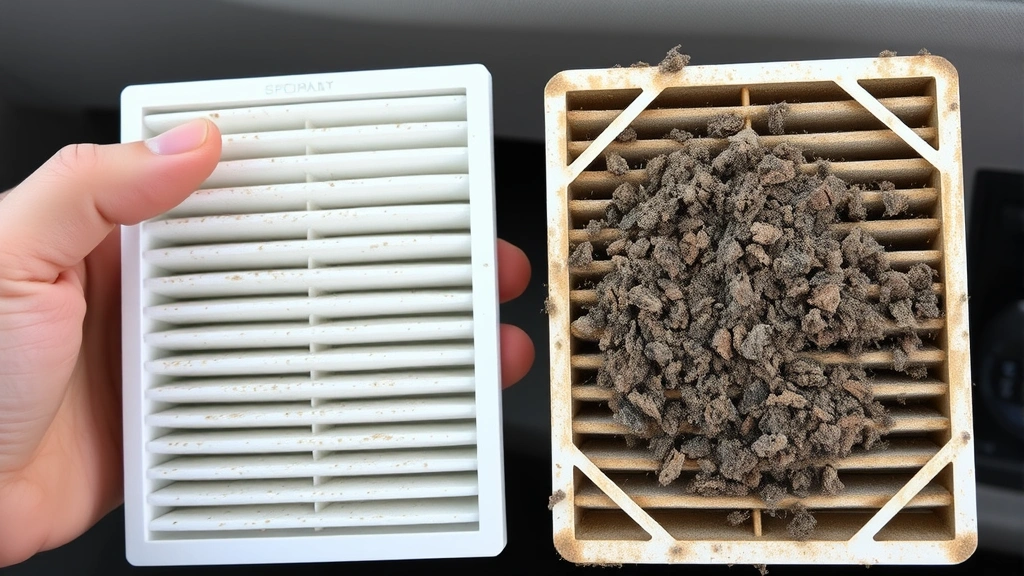
Your cabin air filter is doing a job you never see—silently trapping dust, pollen, exhaust particles, and whatever else the road throws at your car’s ventilation system. Most people ignore it until they notice their AC smells like a gym locker or the air feels weak. But how often to replace cabin air filter isn’t a guessing game. There’s a real answer, and it depends on where you drive and how hard you push your car.
Here’s the real talk: Most manufacturers recommend replacing your cabin air filter every 12,000 to 15,000 miles, or once a year—whichever comes first. But that’s the baseline. If you drive in dusty conditions, live in an urban area with heavy traffic, or have pets shedding fur everywhere, you might need to swap it out every 6 months. Think of it like this: your cabin air filter is your car’s lungs. Would you wait until you can’t breathe to clean them?
Manufacturer Guidelines vs. Real-World Conditions
Your owner’s manual isn’t lying to you—it’s just being conservative. Manufacturers typically recommend cabin air filter replacement every 12,000 to 15,000 miles because that’s a safe interval that works for most drivers in most situations. It’s the same reason they tell you to change your oil at 5,000 miles even though modern synthetic oils can go longer.
The problem is that “most drivers in most situations” doesn’t describe your actual life. If you’re commuting through Los Angeles traffic daily, your filter is working way harder than someone who drives rural highways twice a week. The difference is massive.
According to Family Handyman’s guide on cabin air filter replacement, the real-world intervals can vary significantly based on your environment. Urban drivers, construction zone commuters, and people in high-pollen areas should check their filters more frequently—sometimes every 6 months instead of waiting a full year.
Pro Tip: Check your specific vehicle’s owner’s manual first. Some manufacturers (like BMW and certain luxury brands) have longer intervals or use different filter types. Don’t assume all cars follow the 12,000-mile rule.
Here’s what matters: your driving environment is the real boss of your cabin air filter’s lifespan. A filter in Phoenix, Arizona (dust and heat) will clog faster than one in Portland, Oregon (relatively clean air). Same car, same model, completely different replacement schedules.
Signs Your Cabin Air Filter Needs Replacement
Forget the mileage counter for a second. Your car will literally tell you when it’s time. You just have to listen.
- Weak airflow from vents: This is the #1 sign. If you’re cranking the fan to max and barely getting a breeze, your filter is clogged. It’s like trying to breathe through a pillow.
- Musty or stale smell: A dirty cabin air filter traps moisture and becomes a breeding ground for mold and bacteria. That smell isn’t coming from your gym bag—it’s coming from your filter.
- Visible dust or debris in the filter: If you can actually see dirt, hair, or leaves packed into the filter, it’s definitely time. You shouldn’t need a magnifying glass to know it’s dirty.
- Allergies getting worse in the car: If you’re sneezing more when driving than when walking outside, your filter isn’t doing its job anymore.
- AC or heater not cooling/heating effectively: A clogged filter restricts airflow, which means your climate control has to work harder and perform worse.
- Whistling or unusual noises from the ventilation system: Air trying to force through a blocked filter creates noise. It’s your car’s way of saying “help me.”
The honest truth? Most people don’t check their cabin air filter until one of these problems shows up. That’s not ideal, but it’s also not a disaster. Just don’t ignore these signs for months. A clogged filter makes your HVAC system work harder, which costs you fuel economy and puts extra strain on the blower motor.
Replacement Intervals by Driving Conditions
This is where the rubber meets the road. Your replacement schedule depends entirely on your environment.
Normal/Light Traffic (Rural or Highway Driving): 12-15 months or 12,000-15,000 miles. You’re the lucky one. Your filter has an easy job because the air is relatively clean. Stick to the manufacturer’s recommendation.
Urban/Heavy Traffic: 6-9 months or 8,000-10,000 miles. You’re breathing in exhaust fumes, tire particles, and brake dust all day. Your filter is working overtime. Check it every 6 months and replace it when it looks dirty.
Dusty/Desert Conditions: 6 months or 6,000 miles. If you live in Arizona, Nevada, or anywhere with frequent dust storms, your filter clogs fast. Dust is relentless. Check it quarterly and replace it when needed.
High-Pollen Areas (Spring/Fall): 6-9 months during peak season. If you live somewhere with intense seasonal pollen (think the Southeast during spring), your filter takes a beating during those months. Consider replacing it before and after peak season.
Construction Zone Commutes: 3-6 months. If your daily drive takes you past active construction, your filter is basically a dust magnet. Check it monthly and replace it as soon as it looks clogged.
Pets in the Car: 6-9 months. Pet hair and dander clog filters fast. If your dog rides with you regularly, plan on more frequent replacements.
According to This Old House’s automotive guide, the best approach is to check your filter visually every 6 months, regardless of your driving conditions. It takes 2 minutes and costs nothing. Then replace it based on what you actually see, not just what the calendar says.
DIY Cabin Air Filter Replacement (It’s Easier Than You Think)
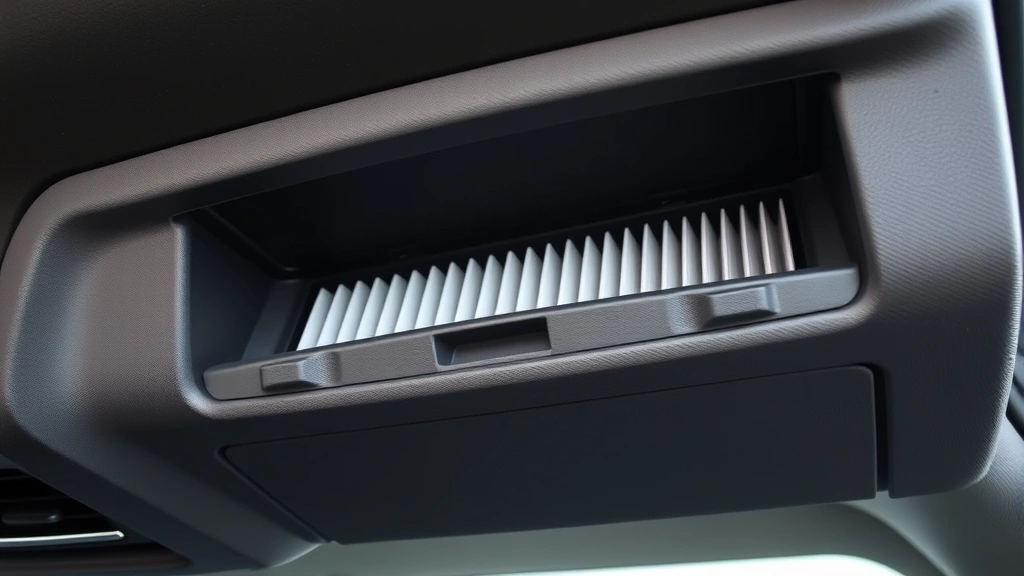
Here’s the good news: replacing your cabin air filter is one of the easiest car maintenance tasks you can do. Seriously. You don’t need a lift, a socket set, or any real mechanical skill. You just need to know where it is.
Where Is Your Cabin Air Filter?
Most cars have the cabin air filter in one of two places:
- Behind the glove box: This is the most common location. You’ll need to open the glove box, remove a few clips or screws, and slide it out. Takes 5 minutes.
- Under the hood near the windshield: Some cars (especially SUVs) have it tucked behind a panel in the engine bay. Still easy, just slightly more accessible.
Check your owner’s manual if you’re not sure. It’ll show you exactly where yours lives.
Step-by-Step Replacement:
- Locate the filter access panel: Open your glove box or pop the hood and find the panel that covers your filter. It’s usually held in by 2-4 clips or screws.
- Remove the old filter: Slide or pop out the old filter. Don’t be shocked by how dirty it is. That’s normal and also proof that you’re not crazy for replacing it.
- Check the filter housing: While the filter is out, use a vacuum to clean out any loose debris in the housing. You don’t want new dirt on your new filter.
- Install the new filter: Slide the new filter in, making sure the arrows on the frame point in the correct direction (usually toward the engine or toward the cabin—check the old one). The filter should slide in smoothly without forcing.
- Secure the access panel: Put the panel back in place and tighten the clips or screws. Done.
Total time: 10-15 minutes. Total cost: $15-$40 for the filter itself. Total satisfaction: Surprisingly high.
Safety Warning: Make sure your car is off and has been off for at least 5 minutes before you start. If the engine is warm, you could burn yourself on hot metal. Also, don’t drop the old filter into the engine bay—it’s embarrassing and annoying to fish out.
The only “tricky” part is finding the right filter for your specific car. Don’t guess. Use your VIN (Vehicle Identification Number) on an auto parts website like AutoZone or RockAuto, or just ask the parts person at your local shop. They’ll get you the exact filter in 30 seconds.
Cost Savings and Long-Term Benefits
Replacing your cabin air filter regularly isn’t just about comfort—it’s about protecting your car’s HVAC system and your wallet.
Immediate Benefits:
- Better air quality inside your car (especially important if you have allergies or asthma)
- Stronger airflow from your vents
- No more musty smells
- Your AC and heater work more efficiently, which saves fuel
Long-Term Benefits:
- HVAC system longevity: A clogged filter forces your blower motor to work harder. Over time, this wears out the motor faster. Replacing a $25 filter every year is way cheaper than replacing a $300+ blower motor.
- Fuel economy: A restricted air intake makes your climate control system less efficient. You’re running the fan harder to get the same airflow, which drains your battery and fuel tank. Regular filter replacement keeps everything running smoothly.
- Engine performance: Wait—we’re talking about the cabin air filter, not the engine air filter, right? Yes. But if you’re maintaining your cabin filter, you’re probably maintaining your engine filter too. Both matter.
Think of it this way: you’re spending $25-40 a year to avoid a $300+ repair down the road. That’s not an expense; that’s an investment.
Common Mistakes People Make
After years of watching people handle their own car maintenance, I’ve seen the same mistakes over and over. Don’t be that person.
Mistake #1: Waiting Until the Filter is Completely Blocked
Some people think “I’ll just keep driving until it’s really, really dirty.” Wrong. A completely clogged filter doesn’t just reduce airflow—it can actually damage your blower motor because the motor has to work so hard. Replace it before it gets to that point.
Mistake #2: Installing the Filter Backwards
The filter has arrows printed on the frame. These arrows show the direction of airflow. Install it backwards and you’re basically wrapping a blanket around your HVAC system. Check the old filter or the box to see which way it goes.
Mistake #3: Not Checking the Filter Housing
When you pull out the old filter, you might find leaves, dirt, or debris in the housing. If you don’t clean this out before installing the new filter, you’re putting a clean filter in a dirty space. Takes 30 seconds with a vacuum to fix this.
Mistake #4: Buying the Wrong Filter
There are dozens of cabin air filters out there. Don’t guess. Use your VIN or ask the parts counter. Buying the wrong filter means wasting time and money when it doesn’t fit.
Mistake #5: Ignoring Seasonal Changes
If you live somewhere with intense pollen seasons, your filter works harder during spring and fall. Plan ahead. Replace it before peak season starts, not after you’ve been sneezing for a month.
Mistake #6: Confusing Cabin Air Filter with Engine Air Filter
These are two different filters. The cabin air filter cleans the air you breathe inside your car. The engine air filter cleans the air your engine breathes. They’re in different locations and have different replacement intervals. Don’t mix them up.
According to Bob Vila’s comprehensive breakdown, the most common mistake is simply forgetting about the cabin air filter entirely. It’s out of sight, so it’s out of mind. Set a calendar reminder every 6 months to check it. Seriously. It takes 2 minutes and saves you from all these other mistakes.
Frequently Asked Questions
Can I clean my cabin air filter instead of replacing it?
– Sometimes, but not really. You can vacuum out a lightly dirty filter to extend its life by a month or two, but you can’t truly clean it back to factory condition. The filter material is designed to trap particles, and once it’s clogged, vacuuming won’t get everything out. It’s like trying to clean a coffee filter—it just doesn’t work the same. For $20-40, replacement is the better move.
What happens if I don’t replace my cabin air filter?
– Your car will still run, but you’ll notice weak airflow, musty smells, and your HVAC system will work harder (costing you fuel economy). Over time, a completely clogged filter can damage your blower motor. You’re not risking an engine failure, but you are risking comfort and efficiency.
How do I know what cabin air filter to buy?
– Use your car’s VIN on an auto parts website, check your owner’s manual, or ask the parts counter at your local shop. Don’t guess. There’s no such thing as a “universal” cabin air filter that works for all cars.
Is cabin air filter replacement covered under warranty?
– Usually not. Cabin air filters are considered maintenance items, like wiper blades or engine air filters. Your warranty covers defects in the car itself, not wear-and-tear items. However, some dealerships include one free replacement in the first few years. Check your warranty paperwork.
Can I replace my cabin air filter at a dealership?
– Yes, but you’ll pay more. A dealership might charge $50-100 in labor plus the cost of the filter. If you do it yourself, you’re just paying for the filter ($20-40) and spending 10 minutes. The dealership route is fine if you’re uncomfortable doing it yourself, but it’s not necessary.
Does a dirty cabin air filter affect my car’s performance?
– Not in the way a dirty engine air filter does. Your cabin air filter doesn’t affect engine power or acceleration. But it does affect HVAC efficiency, which means your AC and heater work harder, which can slightly reduce fuel economy. The real impact is on comfort and air quality inside your car.
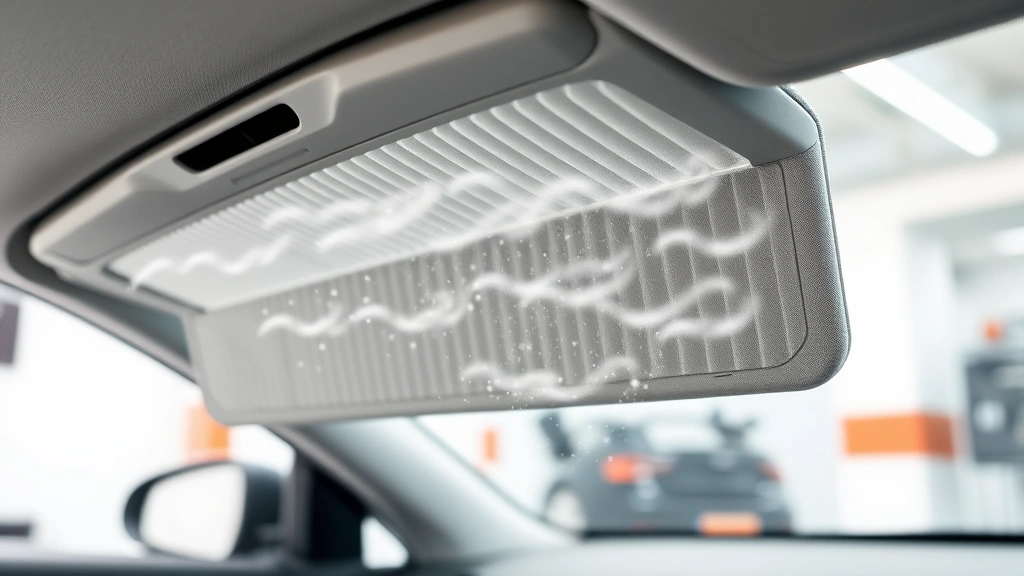
How often should I replace my cabin air filter if I have pets?
– Every 6-9 months if you have pets in the car regularly. Pet hair and dander clog filters faster than normal driving conditions. If your dog or cat rides with you daily, plan on more frequent replacements.
What’s the difference between a standard cabin air filter and an upgraded one?
– Standard filters trap dust and larger particles. Upgraded filters (often called HEPA or electrostatic filters) also trap smaller particles like pollen, bacteria, and some viruses. They cost more ($40-80 vs. $20-40) but are worth it if you have allergies or asthma. The replacement interval is usually the same.


