
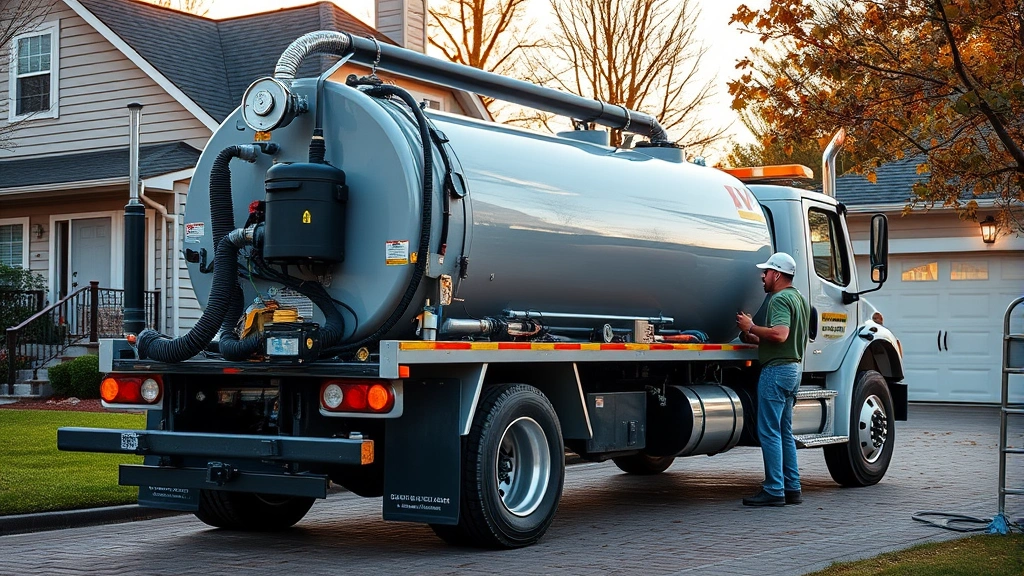
Knowing how often to pump septic tank is one of those unglamorous but absolutely critical maintenance tasks that’ll save you thousands in repairs down the road. Most homeowners don’t think about their septic system until something goes catastrophically wrong, and by then, you’re looking at excavation crews tearing up your yard. Let’s talk about keeping your system running smoothly so you never get there.
Table of Contents
Standard Pumping Frequency
The baseline answer is straightforward: most septic systems need pumping every 3 to 5 years. But here’s the thing—that’s not a one-size-fits-all number. It’s a starting point. Think of it like changing your car’s oil; the manual gives you a range, but your actual needs depend on how you drive and what you’re pushing through the system.

The EPA recommends pumping based on tank size and household size, but the reality is that most homeowners should aim for the conservative end of that spectrum. If you’re unsure, pumping every 3 years is safer than waiting until year 5 and discovering your system’s already backing up into your basement. The cost of a routine pump—usually $300 to $500—is pocket change compared to replacing a failed tank or dealing with contaminated groundwater.

Factors Affecting Your Schedule
Several variables will push your pumping schedule closer together or stretch it out. Your household’s water usage is huge. If you’ve got a family of six taking long showers, running the dishwasher daily, and doing laundry constantly, you’re filling that tank faster than a retired couple living in the same house. It’s simple math—more water in means more solids accumulating.

Garbage disposal usage is another big one. If you’re grinding food waste into your septic system, you’re adding organic material that breaks down slower than what naturally goes down your drains. Many septic experts actually recommend avoiding garbage disposals altogether, though if you must use one, knowing how to install a garbage disposal properly means understanding its impact on your system. Soil type around your drain field, local groundwater levels, and even the age of your system all play roles too.
Tank Size and Household Size
A 1,000-gallon tank serving a family of four will fill up faster than a 2,500-gallon tank serving the same family. This is where the math gets real. Your tank size should ideally be sized at 150 gallons per person per day, but most older homes are under-sized. If you’ve got a smaller tank, you’re pumping more frequently—sometimes every 2 years instead of 5.

Larger households with more bedrooms need bigger tanks. A 3-bedroom house typically needs a 1,500-gallon tank minimum; a 5-bedroom might need 2,500 gallons or more. If you’re not sure of your tank size, look for the concrete lid in your yard (usually marked), or check your property records or original construction documents. Some homeowners find their tank size by calling the county health department—they often have records of permitted installations.

Signs Your Tank Needs Pumping
Don’t wait for a calendar reminder if your system’s screaming for attention. Slow drains throughout the house—especially in lower-level bathrooms—are a classic warning sign. If water’s pooling in your yard above the drain field or you’re getting sewage backups into your lowest-level fixtures, your tank is full. These aren’t subtle hints; they’re emergency flares.
Odors are another red flag. A faint smell near the tank is normal, but strong sewage smells in your yard or coming from indoor drains mean solids are getting backed up. Lush, overly green patches in your yard might seem nice, but they’re often a sign that your drain field is saturated and effluent is surfacing. Gurgling sounds in your plumbing or toilets that won’t flush properly are also indicators that your system’s overwhelmed.

Maintenance Between Pumps
Pumping is just one part of the equation. What you put into your system matters as much as how often you empty it. Avoid flushing anything except human waste and toilet paper—and I mean anything. Wet wipes, even the ones labeled flushable, don’t break down in your tank and will clog your drain field. Paper towels, feminine hygiene products, dental floss, and medications all cause problems.

Limit water usage where possible. Fix leaky toilets immediately; a running toilet can waste thousands of gallons annually and fill your tank prematurely. Spread out laundry loads instead of doing five loads on Saturday. Use your dishwasher efficiently. These aren’t just money-saving tips; they’re septic-saving strategies. And here’s something most people don’t think about: harsh chemicals. Bleach, antibacterial soaps, and drain cleaners kill the beneficial bacteria in your tank that break down solids. Use them sparingly.

Think of your septic system like any other appliance—a water heater, for example. You wouldn’t pour chemicals down a water heater or ignore maintenance signs. Your septic tank deserves the same respect. Regular household cleaning doesn’t need to involve tank-killing products.

Avoiding Costly Tank Damage
The most expensive lesson is learning what damages a septic tank after the damage is done. Heavy vehicles or equipment parked over your tank or drain field will compact soil and crack the tank itself. Don’t plant trees or shrubs directly over the system; roots will infiltrate pipes and cause blockages. Keep gutters and sump pump discharge away from the drain field—excess water saturation kills the system’s ability to filter effluent properly.

Additives marketed as “septic tank treatments” or “enzyme boosters” are mostly unnecessary and sometimes harmful. Your tank already has the bacteria it needs. Additives can disrupt that natural balance. The best thing you can do is stop interfering with what works naturally. Don’t use your toilet as a trash can, don’t pour grease down the drain, and don’t assume your system is indestructible.

If you’re doing home repairs or upgrades, think about your septic system. Installing a new garage door opener might seem unrelated, but if you’re digging trenches or doing heavy construction, you need to know where your tank and drain field are located. Call your local utility locating service before any digging—it’s free and prevents catastrophic mistakes.
Professional Inspection Tips
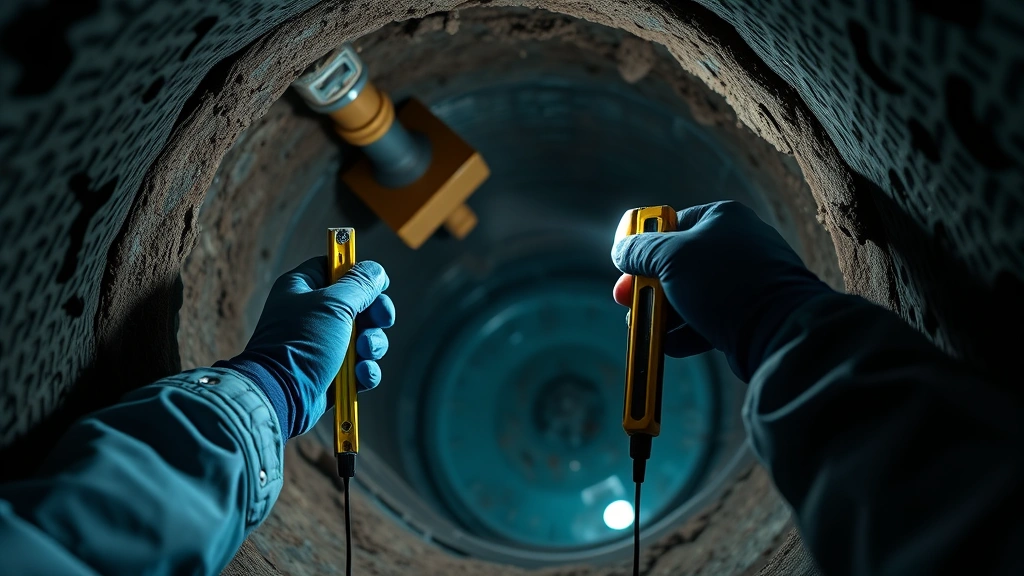
When the pump truck arrives, ask the technician to inspect the tank while it’s being pumped. They can see cracks, corrosion, or signs of tree root intrusion that you can’t. Ask them to check the baffles—the internal walls that separate solids from liquid—because baffle failure means solids escape into your drain field, clogging it prematurely. This inspection costs nothing extra but provides invaluable information about your system’s health.

Request a written report of what they found. Over time, these reports become a maintenance history that helps predict future problems. If your technician recommends repairs or additional inspections, take them seriously. A $500 repair now beats a $10,000 system replacement later. Ask about the condition of the drain field too; some systems have cameras that can inspect pipes without excavation.

Cost and Budget Planning
A basic septic tank pumping runs $300 to $500 in most areas, though rural locations might be higher due to travel distance. If your technician finds problems—like a cracked tank or blocked pipes—costs jump dramatically. Tank replacement can run $3,000 to $7,000 or more depending on size and accessibility. Drain field replacement is even pricier, sometimes $5,000 to $15,000.
Budget for pumping every 3 to 5 years as a baseline maintenance cost. Set aside $100 to $150 annually for septic maintenance and repairs. This seems like nothing until you compare it to the alternative. A failing system doesn’t just cost money; it contaminates groundwater, creates health hazards, and can make your property unsaleable. Insurance typically doesn’t cover septic system failure, so this is on you.
Frequently Asked Questions
What happens if I don’t pump my septic tank?
Solids accumulate and eventually overflow into your drain field, clogging it. Once the drain field fails, there’s no place for effluent to go, so it backs up into your home or surfaces in your yard. At that point, you’re looking at complete system replacement, which is thousands of dollars and weeks of disruption.

Can I use septic tank additives to extend pumping intervals?
Most additives don’t work as advertised. Your tank already has natural bacteria breaking down solids. Additives can actually disrupt this balance. The best approach is regular pumping and proper use—no harsh chemicals, no excessive water usage, no flushing inappropriate items.
How do I know my tank size if I can’t find the lid?
Check your property deed, original construction documents, or septic permit from your county health department. You can also have a professional locate it using ground-penetrating radar, though that costs more. Knowing your tank size is crucial for determining the right pumping schedule.
Is it okay to have a septic system inspection without pumping?
Inspections are best done during or right after pumping when the tank is empty. Some inspectors use cameras to check the tank and pipes without pumping, but you won’t get a full picture of solids accumulation. Plan inspections to coincide with regular pumping for maximum information.
What’s the difference between pumping and cleaning?
Pumping removes accumulated solids and liquid from the tank. Cleaning involves high-pressure jets that blast residual sludge from tank walls. Most systems only need pumping; cleaning is occasionally recommended for tanks with heavy buildup but isn’t routine maintenance.
Can I pump my septic tank myself?
Technically, you can access your tank yourself, but you shouldn’t. Septic tanks contain toxic gases that can cause unconsciousness or death within seconds. Professional pump trucks have safety equipment and ventilation systems. This is one of those jobs where DIY saves nothing and risks everything.


