
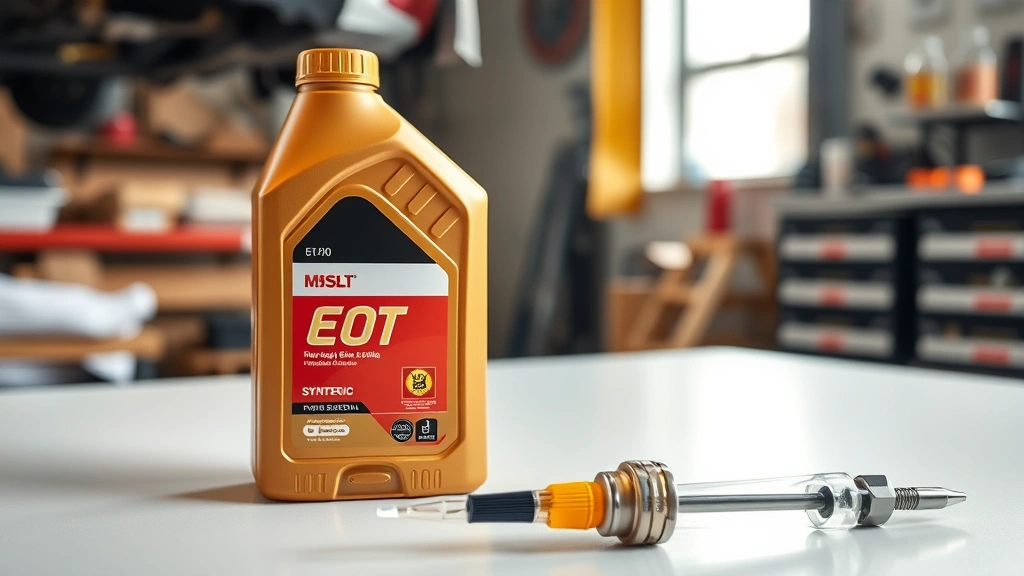
Knowing how often to change synthetic oil is one of those maintenance tasks that separates car owners who keep their engines running smooth from those who end up with expensive repair bills. The short answer? Most synthetic oils last 7,500 to 10,000 miles, but some premium synthetics can stretch to 15,000 miles or even beyond. The long answer is a bit more nuanced, and that’s what we’re digging into today.
Table of Contents
Synthetic vs. Conventional Oil Differences
Here’s the deal: synthetic oil and conventional oil are fundamentally different beasts. Conventional oil comes straight from crude oil, refined and filtered but still containing impurities. Synthetic oil, on the other hand, is engineered from the ground up in a lab. This matters because synthetic molecules are more uniform, more stable at extreme temperatures, and they resist breakdown way better than their conventional cousins.
The practical upshot? Synthetic oil can handle heat, cold, and time better than conventional. That’s why the intervals are longer. A conventional oil might need changing every 3,000 to 5,000 miles, while synthetic stretches that window significantly. If you’re wondering how often to change synthetic oil in your specific vehicle, the manufacturer’s recommendation in your owner’s manual is your starting point—but more on that in a moment.
Following Your Manufacturer’s Intervals
Your vehicle’s manufacturer has done the engineering homework. They’ve tested their engines with specific oils and determined safe intervals. Modern vehicles, especially those made in the last 10 years, are often designed around synthetic oil from the factory. Check your owner’s manual—it’s not just a suggestion; it’s the baseline for keeping your warranty valid.
Most modern cars recommend synthetic oil changes between 7,500 and 10,000 miles. Some luxury brands and newer models go longer—BMW, for instance, sometimes recommends 15,000-mile intervals for their synthetic-filled engines. The key is that these intervals assume normal driving conditions. If your situation is different, you might need to adjust.
How Driving Conditions Affect Oil Change Frequency
This is where things get real. Your actual driving habits matter more than you’d think. If you’re doing mostly highway driving at consistent speeds, your engine stays at a stable temperature and your oil lasts longer. But if you’re constantly stop-and-go in city traffic, towing a trailer, or driving in extreme heat or cold, your oil breaks down faster.
Severe driving conditions—which include frequent short trips, dusty environments, towing, or extreme temperatures—might mean changing synthetic oil every 5,000 to 7,500 miles instead of the standard 10,000. Check your manual for the “severe” driving schedule. Most owners underestimate how often they fall into this category. That daily commute with lots of idling? That’s severe. Towing your boat on weekends? Definitely severe.
Checking Your Oil Level Between Changes
You don’t need to wait for your scheduled oil change to check what’s going on under the hood. Pop the hood, locate the dipstick (or use your vehicle’s electronic oil monitor), and check the level monthly. You’re looking for oil between the minimum and maximum marks. Low oil is a red flag—it could mean a leak or excessive consumption, both of which need attention.
The color matters too. Fresh synthetic oil is amber or light brown. As it ages, it darkens. Dark brown or black oil isn’t necessarily “bad” yet if you’re within your interval, but it’s a visual reminder that change day is approaching. Gritty or metallic-feeling oil? That’s a sign of contamination and means you need an oil change sooner rather than later.
Why Synthetic Oil Lasts Longer
The science here is pretty cool. Synthetic oil molecules are engineered to resist oxidation—the process where oil breaks down and loses its protective properties. They also flow better at cold temperatures and maintain their viscosity at high heat. This stability is why you can stretch intervals longer.

Additionally, synthetic oils have better detergent packages that keep your engine cleaner. They hold contaminants in suspension better, reducing sludge buildup. This is why how often to change synthetic oil becomes less frequent than conventional—the oil simply lasts longer and does its job better. Premium synthetics with advanced additive packages can extend intervals even further, though you’ll pay more upfront for that privilege.
Signs Your Oil Needs Changing Now
Don’t ignore these warning signs, even if you haven’t hit your scheduled interval. If your check engine light comes on, get it diagnosed immediately—it could be an oil-related issue. A low oil pressure warning light means stop driving and check your oil level right now. Knocking or ticking sounds from the engine can indicate oil starvation or breakdown.
Burning oil smell is another red flag. A little oil smell occasionally is normal, but a strong, persistent smell means something’s wrong. Milky or foamy oil on the dipstick suggests water contamination, which requires immediate attention. If you notice any of these, don’t wait for your scheduled change—get an oil change and have a mechanic inspect your engine.
DIY Oil Change Basics
Changing your own synthetic oil is totally doable and saves you money. You’ll need an oil drain pan, wrench, oil filter wrench, fresh synthetic oil, a new oil filter, and jack stands if you need undercarriage access. Warm up your engine first (not hot—just running for a minute), then raise the vehicle safely with jack stands, never relying on a jack alone.
Locate the drain plug underneath the engine, position your pan, and unscrew the plug. Let it drain completely—this takes 10-15 minutes. Unscrew the old filter, apply a thin layer of new oil to the rubber gasket on the new filter, and hand-tighten it until the gasket contacts the engine, then turn it three-quarters more. Add the recommended amount of fresh synthetic oil, check the level with your dipstick, and you’re done. This is similar in approach to other maintenance tasks like how long caulk takes to dry in that timing and proper technique matter.
Tracking Your Oil Changes
Keep records of every oil change—date, mileage, oil type, and filter used. This documentation is valuable if you sell your car and proves you’ve maintained it properly. Use your vehicle’s maintenance schedule or a simple spreadsheet. Many newer cars have onboard computers that track service intervals for you, but manual tracking is still a good backup.
Set phone reminders for your next scheduled change. Most people forget until their warning light comes on. Being proactive keeps your engine healthier and catches potential problems early. For more information on manufacturer recommendations, check resources like Family Handyman’s automotive section or your vehicle manufacturer’s official documentation.
Frequently Asked Questions
Can I go longer than 10,000 miles with synthetic oil?
It depends on your vehicle and oil type. Some premium synthetic oils and modern engines support 15,000-mile intervals. Always check your owner’s manual. Going longer than recommended risks engine damage and voids your warranty.
What happens if I change my oil too early?
Nothing bad happens. Changing oil early is wasteful but harmless. You’re just replacing oil that still had life left in it. It’s better to be early than late.

Is synthetic oil worth the extra cost?
Yes, for most vehicles. Synthetic oil costs more upfront but lasts longer, meaning fewer changes per year. It also protects your engine better, potentially extending engine life and reducing repair costs down the road.
Can I mix synthetic and conventional oil?
Technically yes, but don’t. They have different properties and additive packages. Mixing them reduces the benefits of both. If you switch from conventional to synthetic, do a complete oil change—don’t top off conventional with synthetic.
Does synthetic oil break down in storage?
Not significantly. Unopened synthetic oil stays good for several years if stored in a cool, dry place. Once opened and in your engine, it’s the driving conditions that matter.
Why does my car use more oil in winter?
Cold synthetic oil is thicker and flows differently. Some increased consumption in winter is normal, but excessive use suggests a leak or engine issue. Check your level more frequently during cold months.
Do I need to change my filter every time I change oil?
Yes. The filter gets clogged with contaminants over time. A new filter with fresh oil ensures maximum protection. It’s a small additional cost that’s worth it.
What oil viscosity should I use?
Your owner’s manual specifies the exact viscosity (like 5W-30 or 0W-20). Don’t guess. Using the wrong viscosity can affect engine performance and fuel economy. This Old House’s automotive guides offer additional reference materials if you’re unsure.
The Bottom Line on Oil Changes
Knowing how often to change synthetic oil boils down to three things: follow your manufacturer’s recommendation, adjust for your driving conditions, and stay on top of monitoring your oil level between changes. Most vehicles with synthetic oil need changes between 7,500 and 10,000 miles, but your specific vehicle might be different. The owner’s manual isn’t optional reading—it’s your engine’s instruction manual.
Synthetic oil is an investment in your engine’s longevity. It costs more than conventional, but the longer intervals and superior protection make it worthwhile for most modern vehicles. Keep records, watch for warning signs, and don’t skip maintenance. Your future self—and your wallet—will thank you when your engine is still running strong at 200,000 miles. For detailed maintenance schedules and additional automotive wisdom, Bob Vila’s home and automotive section is another solid resource to bookmark.


