
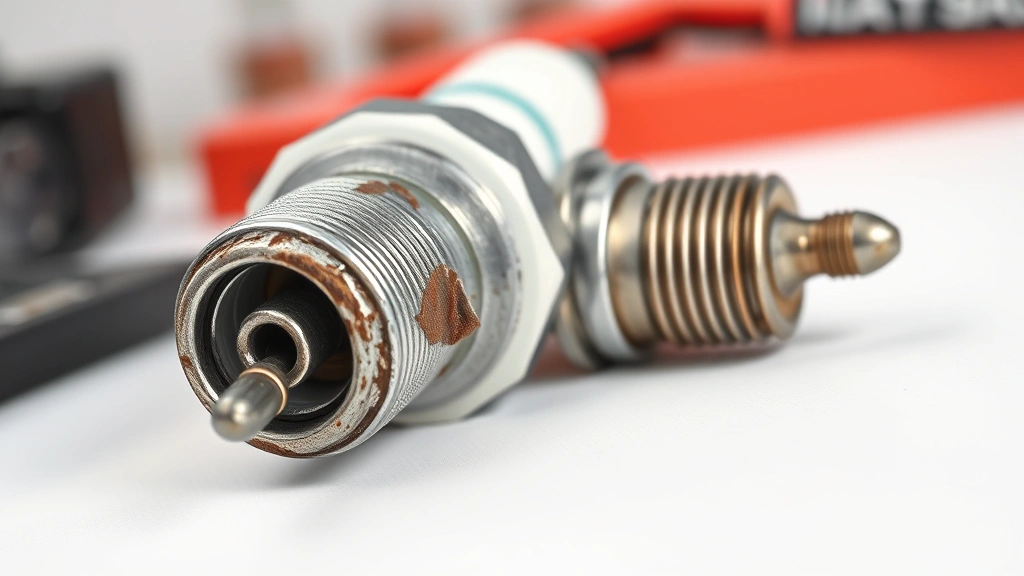
Knowing how often to change spark plugs is one of those maintenance tasks that separates car owners who keep their vehicles running smooth from those who end up stranded on the side of the road. Your spark plugs are tiny but mighty—they’re responsible for igniting the fuel-air mixture in your engine, and when they wear out, your whole vehicle suffers. In this guide, we’ll walk through everything you need to know about spark plug replacement intervals, warning signs, and how to handle the job yourself.
Table of Contents
Standard Replacement Intervals
Most vehicles manufactured after 2000 have spark plugs that last between 25,000 and 100,000 miles, depending on the type of plug and your vehicle’s engine design. Your owner’s manual is your best friend here—it’ll give you the exact interval for your specific make and model. Here’s the general breakdown:
Copper spark plugs: 25,000 to 30,000 miles. These are the budget option and wear out faster, but they’re cheap to replace. If your vehicle came with copper plugs from the factory, stick with them unless your manual says otherwise.
Platinum spark plugs: 50,000 to 100,000 miles. These cost more upfront but last significantly longer. Many manufacturers switched to platinum plugs starting in the 2000s.
Iridium spark plugs: 60,000 to 120,000 miles. The premium option with superior performance and longevity. Some high-performance vehicles come equipped with these from the factory.
Don’t just guess—check your manual. Some older vehicles need plugs every 10,000 miles, while modern ones might go 120,000 miles before needing replacement. The cost of a manual lookup beats the cost of premature replacement or engine damage.
Factors Affecting Spark Plug Lifespan
Your actual spark plug replacement timeline depends on more than just the type of plug. Driving habits, fuel quality, and engine condition all play a role. If you’re a stop-and-go city driver with lots of short trips, your plugs will wear faster than someone who mainly does highway driving. Aggressive acceleration and high RPM driving also shorten plug life.
Engine condition matters too. A well-maintained engine with clean oil and a fresh air filter will keep your spark plugs happier longer. Conversely, a neglected engine with old oil and a clogged air filter puts extra stress on your plugs. Think of it like this: your spark plugs are working harder if your engine is already struggling.
Fuel quality is another factor. Using top-tier gasoline with better detergents can help keep your fuel injectors and plugs cleaner. Cheap gas from sketchy stations might contain more contaminants that build up on your plugs and reduce their lifespan.
Climate also plays a role. Cold weather can make starting harder and put additional strain on spark plugs during winter months. If you live somewhere with harsh winters, you might need to check your plugs more frequently.
Signs Your Spark Plugs Need Replacing
Sometimes your vehicle will tell you it’s time for new spark plugs before you hit the manufacturer’s recommended mileage. Listen and feel for these warning signs:
Engine misfires: You’ll feel a slight hesitation or stumbling sensation during acceleration. This happens when a weak spark plug can’t fire consistently, causing one or more cylinders to skip.
Rough idle: Your engine feels shaky or vibrates excessively when stopped at a red light. A misfire at idle is often the first sign of worn plugs.
Difficulty starting: Your engine cranks longer before firing up, especially in cold weather. Weak plugs struggle to ignite the fuel-air mixture reliably.
Poor fuel economy: If you’ve noticed your MPG dropping without changing your driving habits, worn spark plugs could be forcing your engine to work harder and burn more fuel.
Check Engine Light: A misfire code (P0300, P0301, P0302, etc.) typically points to spark plug issues. Don’t ignore this—get it scanned at an auto parts store (usually free) to confirm.
Power loss: Your vehicle feels sluggish during acceleration or climbing hills. Weak plugs can’t deliver the spark intensity needed for strong combustion.
If you notice any of these symptoms before your scheduled maintenance interval, pull your plugs and inspect them. You might be able to extend their life by cleaning them, or you might find it’s time for replacement.
Copper vs. Platinum vs. Iridium Plugs
Understanding the differences between spark plug types helps you make the right replacement choice. This is especially important if you’re upgrading from what the manufacturer specified.
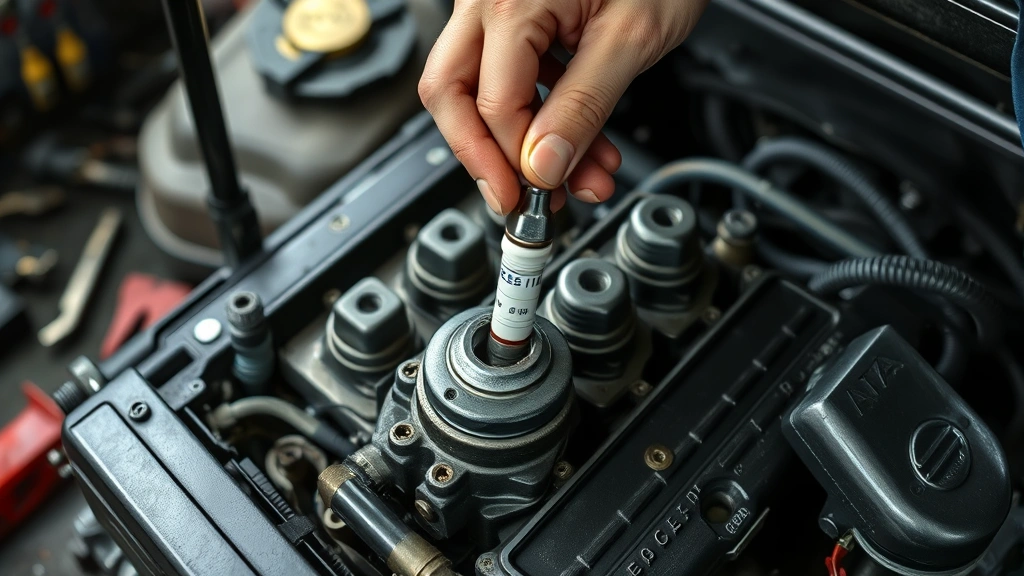
Copper plugs are the original design and still used in many vehicles. They have a copper core that conducts heat well, making them excellent for older engines that run hotter. They’re affordable and reliable, but the electrode wears quickly. If your vehicle came with copper plugs, there’s usually a good reason—your engine might not play well with premium plugs.
Platinum plugs have a small platinum disc welded to the center electrode. Platinum is incredibly hard, so it resists erosion much better than copper. This means longer life and better performance. Most vehicles built in the last 20 years specify platinum plugs.
Iridium plugs are the premium option with an iridium tip instead of platinum. Iridium is even harder and allows for a finer electrode design, creating a more precise spark. They cost more but last longer and often improve performance slightly. Some performance vehicles and luxury cars come equipped with iridium plugs from the factory.
Here’s the critical rule: Always follow your owner’s manual. Using the wrong plug type can cause problems. For example, putting iridium plugs in an engine designed for copper might cause fouling or misfires. Conversely, downgrading to copper when your manual specifies platinum will reduce reliability.
DIY Replacement Process
Replacing spark plugs yourself saves money and gives you hands-on knowledge of your engine. The process is straightforward for most vehicles, though some modern engines with tight packaging make access tricky. Here’s how to do it right:
Gather your tools: You’ll need a spark plug socket (usually 5/8 inch or 13/16 inch), a ratchet, a spark plug gap tool or feeler gauge, and a new set of plugs. Some vehicles need a plug wire puller or coil pack removal tools. Check your manual for specifics.
Let the engine cool: Work on a cold engine to avoid burns. Wait at least 30 minutes after running the vehicle.
Remove one wire at a time: Disconnect the spark plug wire or coil pack from the first plug by twisting gently and pulling straight out. Don’t yank the wire itself—grab the boot (the rubber connector). Mark the order if you’re worried about mixing up the wires.
Remove the old plug: Use your spark plug socket and ratchet to unscrew the old plug. Take a moment to inspect it—the color and condition tell you a lot about engine health. Black and sooty means running too rich. White means too lean. Brown is normal.
Check the gap: New plugs usually come pre-gapped, but verify it matches your vehicle’s specification. The gap is the space between the center and side electrodes. Your manual will specify the exact gap, usually around 0.028 to 0.060 inches depending on the vehicle.
Install the new plug: Thread the new plug by hand first to avoid cross-threading. Once it’s seated, tighten with your socket—snug but not overly tight. You’re not trying to crush the plug.
Reconnect the wire: Push the wire boot firmly onto the new plug until you hear or feel a click. It should be secure.
Repeat for remaining plugs: Work through each cylinder one at a time. Doing them one at a time prevents mixing up wire order.
Start the engine and listen. It should run smoother immediately if the old plugs were worn. If you hear misfires or rough running, double-check your wire connections.
Maintenance Schedule Tips
Creating a maintenance schedule keeps you on top of spark plug replacement before problems develop. Your owner’s manual provides the baseline, but you should track your actual driving patterns.
If you drive mostly highway miles at consistent speeds, you’re in good shape for the maximum interval. If you’re doing lots of city driving, idling, or short trips, consider changing plugs at the lower end of the recommended range. Short trips don’t let your engine warm up fully, which causes carbon buildup and accelerates plug wear.
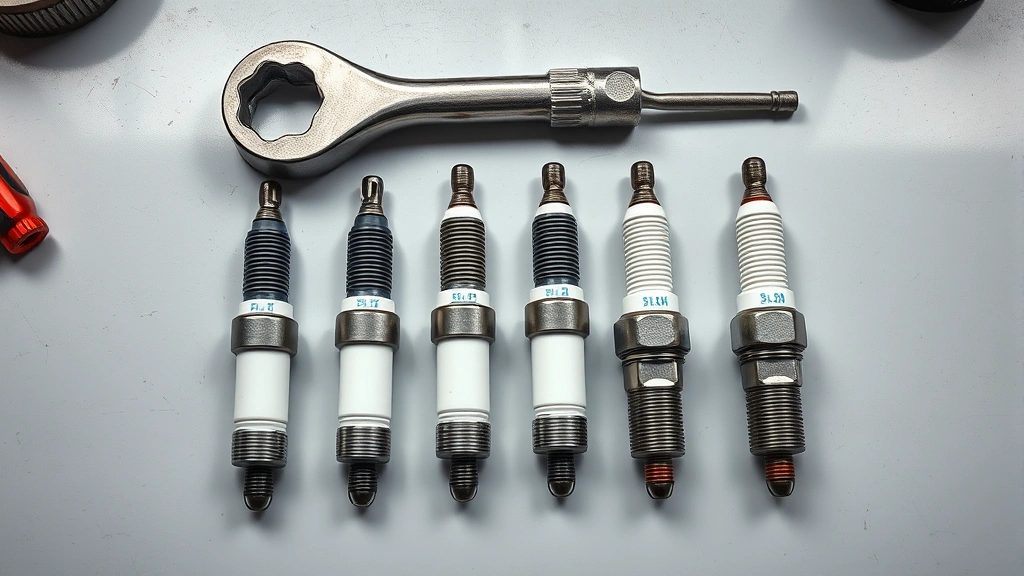
Keep records of your maintenance. Write down the date and mileage when you replace your plugs. This helps you spot patterns and plan future maintenance. Some people use their vehicle’s maintenance schedule feature if it has one, but a simple spreadsheet works great too.
Consider replacing your plugs at the same time as other engine maintenance. If you’re already doing an air filter change or valve cover gasket replacement, you’re already in the engine bay. It’s efficient to handle spark plugs while you’re there.
Just like checking how often to change tires, spark plug maintenance is part of responsible vehicle ownership. Both keep your vehicle safe and reliable.
Common Mistakes to Avoid
Even experienced DIYers make mistakes with spark plug replacement. Learn from others’ errors:
Using the wrong plug type: We mentioned this before, but it’s critical. Don’t assume you know what plug your vehicle needs. Check the manual every single time.
Ignoring the gap: Pre-gapped plugs are usually correct, but sometimes they get damaged in shipping or storage. A wrong gap causes misfires or weak performance.
Cross-threading plugs: Always start plugs by hand before using a socket wrench. If you feel resistance, stop and start over. A cross-threaded spark plug hole is expensive to repair.
Mixing up wire order: If you remove all the wires at once, you might reinstall them incorrectly. This causes the engine to run rough or not at all. Work on one cylinder at a time.
Over-tightening plugs: Spark plugs don’t need to be cranked down hard. Snug is sufficient. Over-tightening can damage the plug or the threads in your cylinder head.
Using old wires: If your spark plug wires are more than 10 years old or showing cracks, replace them too. Bad wires can cause the same misfires as bad plugs. Modern vehicles with coil packs don’t have this issue, but older ones do.
Taking your time and being methodical prevents these mistakes. There’s no prize for speed—accuracy matters more.
Frequently Asked Questions
Can I mix different spark plug brands?
You can use a different brand than the original, but stick with the same type (copper, platinum, or iridium). All reputable brands like NGK, Bosch, and Motorcraft meet the same specifications. Quality varies slightly, but any major brand will work fine.
What happens if I don’t change my spark plugs?
Your engine will eventually misfire consistently, reducing power and fuel economy significantly. Continuing to drive on severely worn plugs can damage your catalytic converter, which is an expensive repair. Don’t skip this maintenance.
How do I know if my spark plugs are bad without removing them?
You can’t definitively know without pulling them out, but symptoms like rough idle, misfires, and poor fuel economy are strong indicators. A mechanic can scan your engine computer for misfire codes that point to spark plug problems.
Is it worth upgrading to premium spark plugs?
If your manual specifies platinum or iridium, absolutely upgrade if your current plugs are wearing out. If your manual specifies copper, upgrading might not provide noticeable benefits. Follow the manual first, then consider upgrades based on your driving needs.
Can worn spark plugs cause a no-start condition?
In extreme cases, yes. If all your plugs are severely worn or fouled, the engine might not fire at all. This is rare—usually you’ll get warning signs like rough running first.
How long does spark plug replacement take?
For most vehicles, expect 30 minutes to an hour if you’re doing it yourself for the first time. Experienced folks can finish in 15-20 minutes. Some vehicles with tight engine bays or difficult access might take longer.


