
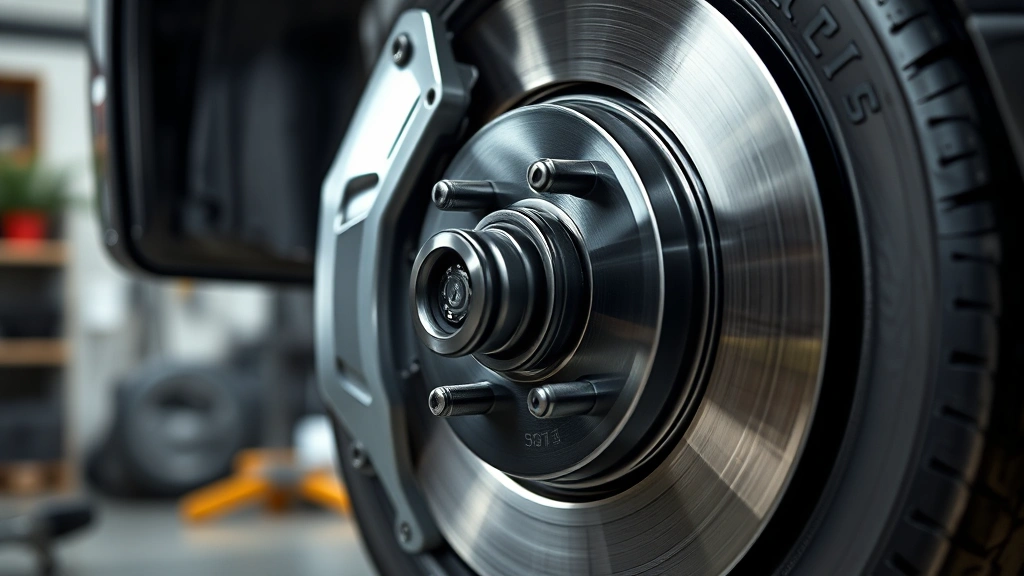
Knowing how often to change brake pads is one of the most important maintenance decisions you’ll make as a car owner. Your brakes are literally what keeps you, your passengers, and everyone else on the road safe, so this isn’t something to wing it on. The truth is, there’s no one-size-fits-all answer—it depends on your driving habits, the type of pads you’re running, and how you treat your vehicle. But stick with me, and I’ll walk you through everything you need to know to keep your braking system in top shape.
Table of Contents
Typical Replacement Intervals
Most brake pads are designed to last between 25,000 and 70,000 miles, though some premium pads can stretch beyond that. The wide range exists because so many variables affect how quickly your pads wear down. If you’re driving a newer vehicle with modern braking systems, you might lean toward the higher end of that spectrum. Older cars or those with aggressive braking patterns? You’ll probably be looking at the lower end.
A good rule of thumb: plan on replacing your brake pads every 3 to 5 years minimum, even if you haven’t hit the mileage threshold. Brake fluid absorbs moisture over time, and your pads can degrade sitting there doing nothing. Don’t assume that because your odometer hasn’t moved much, your pads are fine.
Factors Affecting Pad Life
Several things directly impact how long your brake pads will last. Your local climate plays a huge role—if you live somewhere hot, your pads work harder and wear faster. Mountain driving? Same deal. Constant braking in heavy traffic absolutely shreds pads compared to highway cruising. The weight of your vehicle matters too; heavier vehicles put more stress on the braking system.
Your vehicle’s age and condition factor in as well. A well-maintained car with properly functioning rotors and calipers will be easier on pads than one with worn components. And here’s something people often overlook: the quality of your original equipment. Some manufacturers use cheaper pads to save costs, while others spec out premium materials from the factory.
Signs Your Pads Need Replacing
Don’t wait for a maintenance schedule if your brakes are telling you otherwise. Listen for a high-pitched squealing or squeaking noise when you brake—many modern pads have a built-in wear indicator that makes this sound intentionally. It’s your car saying “hey, time to think about new pads.” That’s not an emergency yet, but it’s a heads-up.
If you hear grinding or a metallic scraping sound, that’s more serious. Your pads are now metal-on-metal, and you’re damaging your rotors. Get to a shop immediately. You might also notice your brake pedal feeling softer or spongy, or requiring more pressure to stop. Some cars will trigger a dashboard warning light when pad wear reaches a critical level. Pay attention to that.
Feel the stopping distance too. If your car doesn’t stop as quickly as it used to, or if you need to press the pedal harder, have your brakes inspected right away. Reduced braking performance is a safety issue, not just a maintenance item.
Driving Habits Matter
How you drive makes an enormous difference in brake pad longevity. Aggressive drivers who brake hard and late will shred pads in half the time of someone who drives smoothly and anticipates stops. Riding the brake—keeping light pressure on the pedal while going downhill or in traffic—generates constant heat and wears pads quickly.
City driving is brutal on brake pads. Constant stop-and-go traffic means your brakes are working almost continuously. Highway driving is gentler because you’re doing fewer, longer braking events. If you live in a hilly or mountainous area, expect to replace pads more often than someone in flat terrain. Towing heavy loads also accelerates pad wear since your brakes have to work harder to stop more weight.
Pad Types Explained
There are three main types of brake pads: organic, semi-metallic, and ceramic. Organic pads are the cheapest and wear fastest—they’re typically what comes on budget vehicles. They’re quiet and gentle on rotors but need replacing more frequently. Semi-metallic pads contain metal fibers and last longer than organic pads. They handle heat better but can be noisier and are harder on rotors.
Ceramic pads are the premium option. They last the longest, stay quieter, and are easier on rotors, but they cost more upfront. If you’re keeping your car long-term, ceramic pads often make financial sense because you’ll replace them less often. Your vehicle’s original pads might not be the best option either—many manufacturers use cheaper pads to reduce manufacturing costs. Upgrading to quality aftermarket pads can extend your replacement intervals significantly.
Inspection Schedule
Make brake pad inspection part of your regular maintenance routine. I recommend checking them at least once a year, more often if you drive in harsh conditions. Many shops will inspect your brakes for free when you bring your car in for other service. Some dealerships include brake inspections with regular maintenance visits.
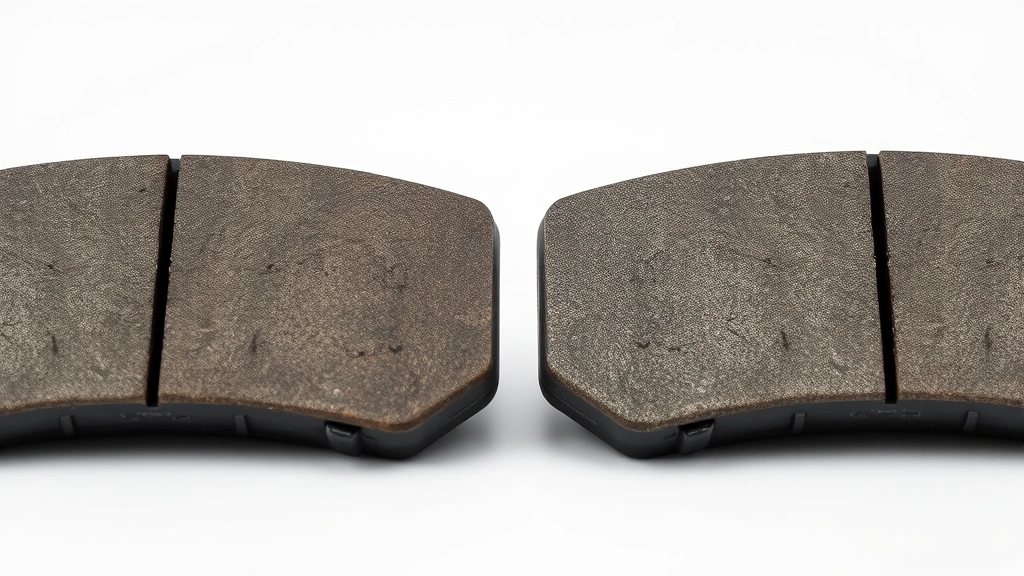
You can inspect your own pads if you’re comfortable removing your wheels. Look at the thickness of the pad material—if it’s less than a quarter-inch thick, it’s time to replace them soon. Most pads have a minimum thickness specification, usually around 2-3mm. If you’re unsure, take photos and have a professional look them over. It’s worth the peace of mind, especially if you’re not experienced with brake systems.
Cost Considerations
Brake pad replacement costs vary widely depending on your vehicle and the quality of pads you choose. Budget pads might run $100-200 for a full set installed, while premium ceramic pads can cost $300-500 or more. Some vehicles are more expensive to service than others—luxury cars and sports cars often have pricier pads and labor costs.
Don’t just pick the cheapest option. Cheap pads wear faster and can damage your rotors, which are expensive to replace. A quality set of pads that lasts longer and treats your rotors well is usually the better investment. Factor in labor costs too—if you’re handy and comfortable working on brakes, you can save significantly by doing it yourself. If not, budget for professional installation, which typically adds $100-200 to the cost.
DIY vs Professional Service
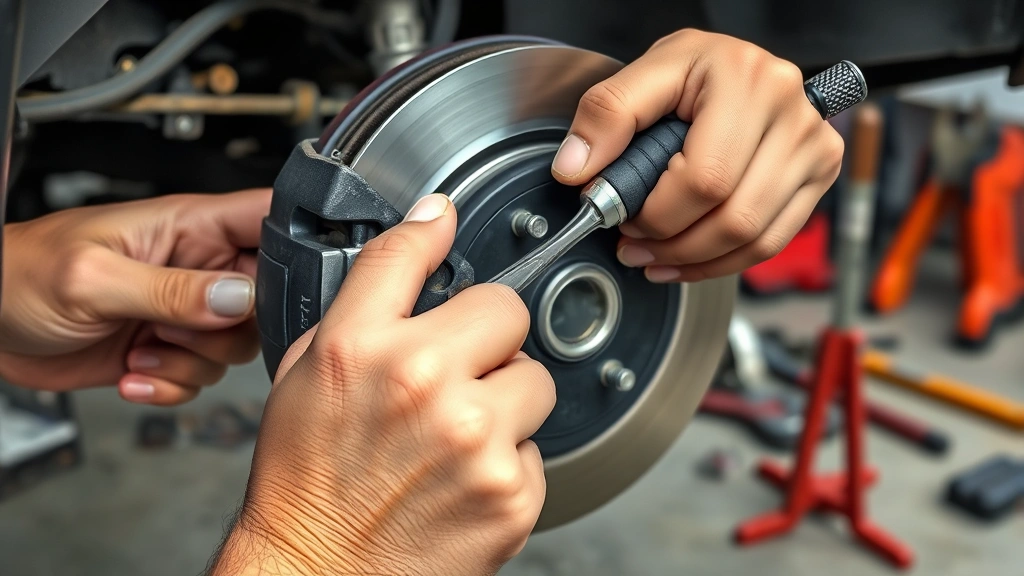
Changing brake pads is one of the more accessible DIY car maintenance jobs, but it’s not risk-free. You need basic tools—a jack, jack stands, a wrench set, and possibly a brake caliper tool. The process involves removing your wheels, unbolting the caliper, removing old pads, and installing new ones. It’s straightforward if you’re mechanically inclined.
That said, brakes are safety-critical. If you’re not confident in your abilities, get a professional to do it. A shop can also inspect your rotors, calipers, and brake lines while they’re in there, catching problems you might miss. They’ll also have the right tools and knowledge to handle complications. The cost of professional installation is worth it for peace of mind, especially if you’re not experienced.
Maintenance Tips
Keep your braking system healthy by driving smoothly and avoiding aggressive braking when possible. Anticipate stops and brake gradually rather than hard and late. Avoid riding the brakes on long downhill stretches—use lower gears to let engine braking help slow you down. Keep your vehicle at a healthy weight by not carrying unnecessary cargo.
Have your brake fluid checked regularly. Brake fluid absorbs moisture over time and should be flushed and replaced every 2-3 years. Check your tire pressure and alignment too—properly inflated tires and correct wheel alignment reduce unnecessary braking. If you notice any changes in how your brakes feel or sound, don’t ignore them. Address issues early before they become expensive problems.
Frequently Asked Questions
Can I drive with worn brake pads?
You can drive with slightly worn pads if you’re careful, but it’s not safe long-term. Once pads reach minimum thickness, your braking distance increases and you risk damaging rotors. If you hear grinding, stop driving immediately and get to a shop.
Do all four pads need replacing at the same time?
Front pads typically wear faster than rear pads since front brakes do most of the stopping. You might replace front pads twice before touching rear pads. However, it’s often worth replacing all four at once for even braking performance.
How much does brake pad replacement cost?
Budget $150-500 depending on your vehicle and pad quality. Basic pads with labor might run $200-300, while premium ceramic pads with professional installation could exceed $500. Luxury vehicles cost more.
Can I use any brake pads on my car?
Not exactly. Your vehicle has specific pad sizes and mounting configurations. You need pads designed for your make and model. However, you can choose between different quality levels and types (organic, semi-metallic, ceramic) within that specification.
What’s that squealing noise when I brake?
That’s usually the wear indicator doing its job—a metal tab built into the pad that makes noise when the pad gets thin. It’s not dangerous yet, but it’s telling you to plan for replacement soon. Have them checked within the next month.
Do I need to replace rotors when I change pads?
Not always, but your rotors should be inspected. If they’re worn, warped, or damaged, they need replacing. Worn pads can damage rotors, so catching pad wear early prevents rotor damage. A professional inspection will tell you what needs replacement.
How long does brake pad replacement take?
A professional shop can typically replace brake pads in 1-2 hours. DIY replacement might take 2-4 hours depending on your experience level and whether complications arise. Some vehicles are easier to work on than others.


