
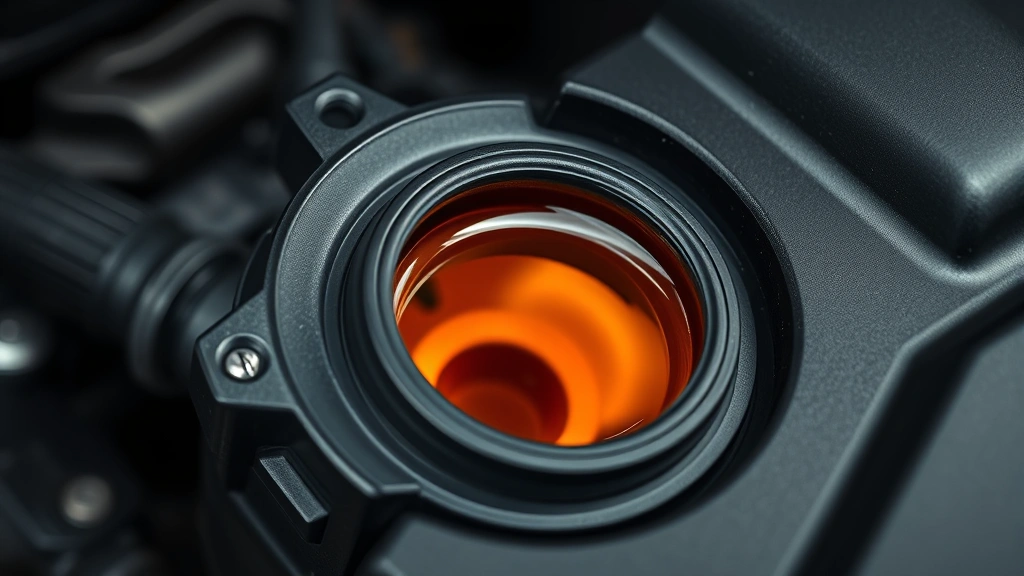
Knowing how often to change brake fluid is one of those maintenance tasks that separates the folks who keep their cars running smooth from those who end up with mushy pedals and expensive repair bills. Your brake fluid is basically the lifeblood of your braking system—it transfers the force from your foot on the pedal to the actual brake pads that stop your wheels. But here’s the thing: brake fluid degrades over time, absorbs moisture from the air, and loses its ability to do its job effectively. If you’re not swapping it out on schedule, you’re gambling with your safety and your wallet.
Table of Contents
Why Brake Fluid Matters
Let me be straight with you: your brake system is hydraulic, which means it relies entirely on brake fluid to function. When you press that pedal, you’re not directly pushing brake pads against rotors—you’re creating pressure in a closed system filled with fluid. That fluid travels through lines to your wheels and activates the brake calipers or wheel cylinders. Without quality brake fluid, you’ve got nothing but a useless pedal under your foot. This is why understanding how often to change brake fluid isn’t just maintenance—it’s a safety imperative.
Manufacturer Recommendations
Here’s where most people get confused: there’s no universal answer. Your car’s manufacturer has specific guidelines, and they vary wildly depending on the vehicle. Most modern cars recommend changing brake fluid every 2 to 3 years, regardless of mileage. Some manufacturers push it to 3 to 5 years. A few older vehicles might stretch to every 5 years. The best place to find your specific recommendation? Your owner’s manual or the manufacturer’s website. Don’t guess on this one—it could cost you.
Check out Family Handyman’s brake maintenance guide for additional professional insights on brake system care.
Signs Your Fluid Needs Change
Sometimes your car tells you it’s time before the calendar does. If your brake pedal feels soft or spongy, that’s a red flag. A brake warning light on your dashboard shouldn’t be ignored either. Some folks notice their brakes don’t respond as quickly as they used to, or the pedal needs to be pressed harder to stop the vehicle. These symptoms usually point to contaminated or degraded brake fluid. If you’re experiencing any of these issues, don’t wait for your scheduled service—get your fluid checked immediately.
The Moisture Absorption Problem
This is the real villain in the brake fluid story. Brake fluid is hygroscopic, which is a fancy way of saying it absorbs moisture from the air. Over time, water accumulates in your brake fluid, and that’s a problem because water has a much lower boiling point than brake fluid. When your brakes get hot (especially during aggressive braking or mountain driving), that water can boil, creating vapor bubbles in your lines. Vapor is compressible—fluid isn’t—so suddenly your pedal goes soft and your brakes become unreliable. This is why time-based replacement matters more than mileage for brake fluid.
Consider reviewing This Old House’s automotive maintenance section for comprehensive home and vehicle care guidance.
DIY vs Professional Service
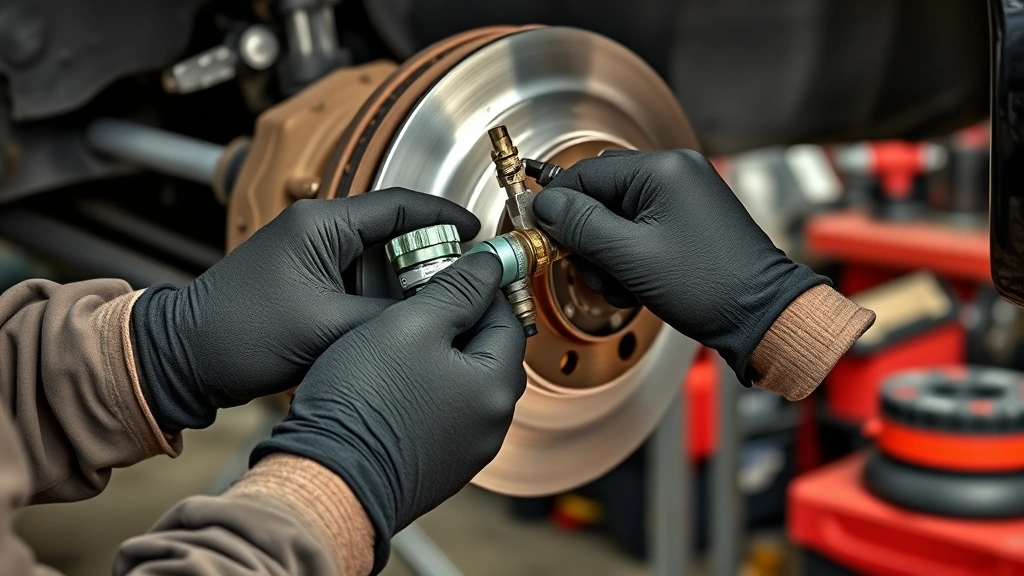
You can change brake fluid yourself if you’re mechanically inclined, but it’s not the easiest job in the world. You’ll need a brake bleeder kit, a helper (ideally), and a clear understanding of your specific vehicle’s brake system. The process involves opening bleeder valves at each wheel, pumping fluid through the system, and making sure all air gets purged out. One mistake—like letting air into the system—and you’ve got a bigger problem than you started with. Many folks find it worth the $100-200 to have a professional shop handle it, especially since they have the right tools and experience to do it right. If you’re comfortable working on cars, learning how to remove a car battery shows you have the basic skills, but brake fluid work is a step up in complexity.
Understanding Brake Fluid Types
Not all brake fluid is created equal. DOT 3 and DOT 4 are the most common types you’ll encounter. DOT 3 has a lower boiling point and absorbs more moisture, making it the budget option. DOT 4 has a higher boiling point and better moisture resistance, making it the premium choice. Some high-performance vehicles use DOT 5 (silicone-based), which doesn’t absorb moisture but requires special handling. Your owner’s manual specifies exactly which type your car needs—don’t mix types or substitute. Using the wrong fluid can damage your braking system and void your warranty.
Changing Brake Fluid Yourself
If you decide to tackle this job, here’s the basic process: First, locate your brake fluid reservoir under the hood and note the fluid level. You’ll need to open each wheel’s bleeder valve in a specific sequence (usually starting with the wheel farthest from the master cylinder). Connect your bleeder kit, have your helper pump the brake pedal while you open the valve slightly to let old fluid out. Keep the reservoir topped up with new fluid as you go—running dry introduces air into the system. Work methodically through all four wheels, and don’t rush it. The whole process typically takes 1-2 hours if you’re careful.
Cost Considerations
Brake fluid itself is cheap—usually $10-30 per quart depending on the type. A typical flush uses about 2-3 quarts, so material costs are minimal. The labor is where it gets expensive. A professional brake fluid flush at a shop runs $100-300 depending on your location and vehicle. Some dealerships charge more. If you do it yourself, you’re mainly investing time and maybe a bleeder kit ($20-50). The real cost is getting it wrong and damaging your brake system, which could run into the thousands. For most people, the professional route makes sense.
For more detailed automotive guidance, check out Bob Vila’s home and vehicle maintenance articles.
Seasonal and Climate Factors
Where you live affects how quickly your brake fluid degrades. Hot, humid climates accelerate moisture absorption, so you might need to change your fluid more frequently—every 1.5 to 2 years instead of 3. Cold climates are gentler on brake fluid, but you still shouldn’t stretch intervals beyond what the manufacturer recommends. If you live somewhere with extreme temperature swings or high humidity, consider checking your fluid’s condition annually rather than waiting for the scheduled service.
Maintaining Brake System Health
Changing your brake fluid regularly is just one part of brake system maintenance. Keep an eye on your brake pads, have your rotors inspected for wear and damage, and address any brake issues immediately. A complete brake system inspection should be part of your regular maintenance routine. Think of brake fluid changes as preventive medicine—they keep the whole system functioning properly and help you catch other problems before they become expensive.
Frequently Asked Questions
Can I go longer than the recommended interval?
Technically, your brakes might still work, but you’re increasing the risk of brake failure. The moisture in degraded fluid creates safety hazards, especially during heavy braking. Stick to the manufacturer’s schedule—it’s there for a reason.
What happens if I use the wrong brake fluid type?
Mixing brake fluid types can cause seal damage, corrosion, and brake system failure. Always use the exact type specified in your owner’s manual. Check the cap on your brake fluid reservoir—it usually lists the correct DOT rating.
How do I know if my brake fluid is bad?
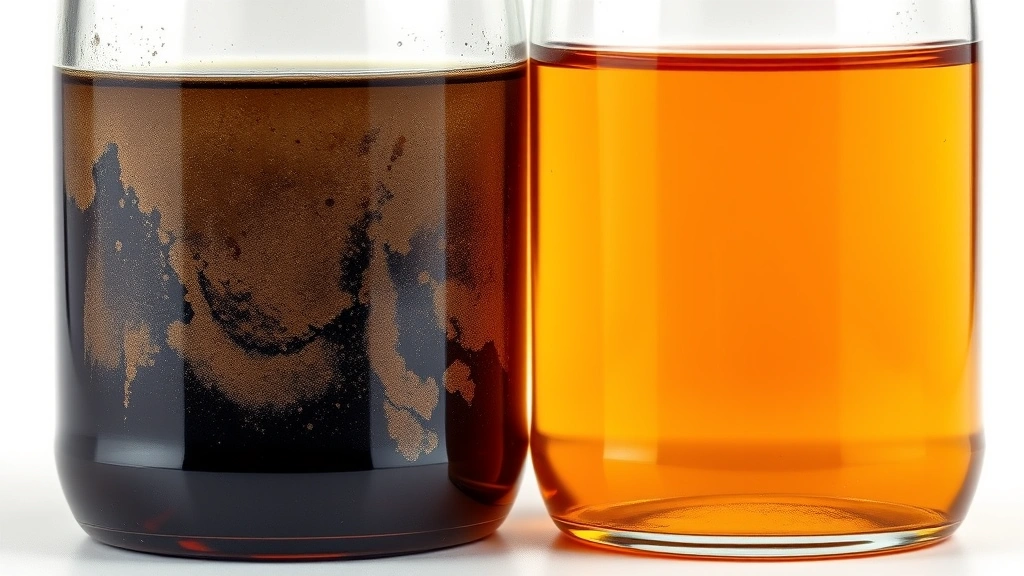
Bad brake fluid is usually darker than fresh fluid (which is clear to light amber). If you open your reservoir and the fluid looks brown or black, it’s definitely time for a change. A soft or spongy brake pedal also indicates contaminated fluid.
Is brake fluid flushing the same as changing?
Not quite. A fluid change might just replace the fluid in the reservoir. A flush completely removes old fluid from the entire system—lines, calipers, and all. A flush is more thorough and is what most manufacturers recommend.
Can I check my brake fluid myself?
Yes. Pop open your hood, locate the brake fluid reservoir (usually labeled), and check the level against the min/max marks on the side. You can also visually inspect the color. If it’s very dark or the level is low, get it serviced.
The Bottom Line
Knowing how often to change brake fluid and actually doing it are two different things. Most vehicles need a brake fluid change every 2-3 years, but always verify with your owner’s manual. Don’t skip this maintenance—your brakes are too important. Whether you tackle it yourself or take it to a professional, make it part of your regular maintenance routine. Your future self will thank you when you’re confidently stopping at red lights instead of worrying about whether your brakes will respond. Brake fluid is cheap; brake system repairs are not.


