
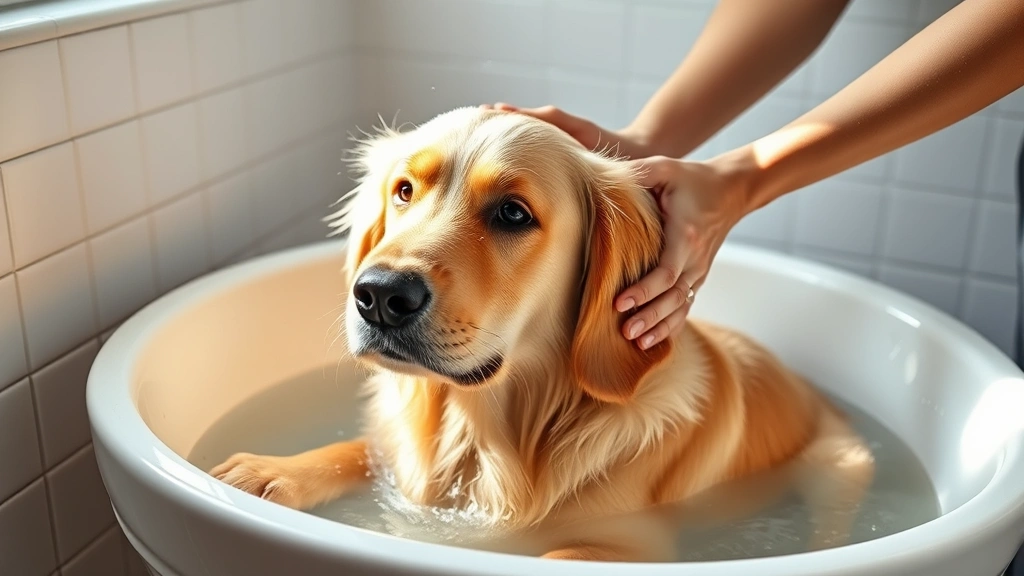
Figuring out how often to bathe dog is one of those questions that trips up even experienced pet owners. The answer isn’t one-size-fits-all—it depends on your dog’s breed, skin condition, activity level, and lifestyle. In this guide, we’ll walk through everything you need to know to keep your pup clean, healthy, and happy without overdoing it.
Table of Contents
Bathing Basics for Dogs
Most healthy adult dogs need a bath every 4 to 12 weeks, but that’s a broad range for good reason. Your dog’s skin is more sensitive than human skin—it has a different pH balance and a protective oil layer called the acid mantle. Over-bathing strips away these natural oils, leading to dry, itchy, flaky skin. Under-bathing, on the other hand, allows dirt and bacteria to accumulate. The sweet spot is finding the frequency that keeps your dog clean without compromising their skin health.
Think of your dog’s coat like a finely-tuned engine. You wouldn’t change the oil every week, but you wouldn’t ignore it for a year either. The same principle applies here. The goal is maintaining that natural protective barrier while managing dirt, odor, and potential skin issues.
Breed Type Matters Most
This is where how often to bathe dog gets specific. Different breeds have wildly different coat types and bathing needs.
Double-coated breeds (Golden Retrievers, German Shepherds, Huskies) typically need bathing every 8 to 12 weeks. Their undercoat traps moisture, so frequent bathing can lead to skin problems. When you do bathe them, use a high-velocity dryer to prevent moisture from sitting against the skin.
Single-coated or short-haired breeds (Beagles, Boxers, Pit Bulls) can handle bathing every 4 to 6 weeks. Their coats shed regularly and don’t have that dense undercoat protecting their skin.
Wire or curly-coated breeds (Poodles, Doodles, Terriers) often need bathing every 4 to 6 weeks because their coats don’t shed naturally and can mat easily. Regular bathing helps maintain coat health and prevents matting.
Hairless or nearly hairless breeds (Chihuahuas, Xoloitzcuintli) may need more frequent baths—every 2 to 4 weeks—because they don’t have coat protection and their skin is more exposed to dirt and oils.
Skin Condition Considerations
Your dog’s individual skin health trumps breed guidelines. If your pup has skin issues, you’re working with different rules entirely.
Dogs with allergies or dermatitis often benefit from medicated baths every 1 to 2 weeks, as prescribed by your vet. These baths use special shampoos that soothe inflammation and manage symptoms. Between medicated baths, stick to gentle, hypoallergenic products.
Dogs with oily or seborrheic skin may need weekly or bi-weekly baths to manage buildup. Conversely, dogs with dry, sensitive skin might only need bathing every 6 to 8 weeks with moisturizing shampoos.
If your dog has yeast infections or bacterial issues, your vet will recommend a specific bathing schedule—usually weekly therapeutic baths. Don’t skip these; they’re treatment, not just hygiene.
The key is watching your dog’s skin between baths. If they’re scratching excessively, developing odor quickly, or showing flaking and redness, adjust your schedule accordingly. Your vet can help determine if a skin condition requires professional intervention.
Activity Level and Lifestyle
A couch potato and an adventure dog have completely different bathing needs. Your dog’s lifestyle is a major factor in determining the right schedule.
Active, outdoor dogs that swim, hike, and roll in mud might need bathing every 4 to 6 weeks—or even more frequently if they’re getting visibly dirty. If your dog regularly swims in chlorinated pools, rinse them with fresh water immediately after to prevent chlorine from damaging their coat and skin.
Indoor dogs with minimal outdoor exposure can stretch to 8 to 12 weeks between baths. They’re simply not accumulating as much dirt and natural oils.
Dogs that spend time in dog parks or with other dogs might need more frequent bathing to reduce the spread of parasites or skin conditions, though this is more about prevention than necessity if your dog is on proper flea and tick prevention.
Seasonal Bathing Adjustments
Your bathing schedule might shift with the seasons. During spring and summer when your dog is more active and spending more time outdoors, you might bathe them every 4 to 6 weeks. In winter, when they’re less active and spending more time indoors, you can stretch it to 8 to 10 weeks.
Spring shedding season is a good time to increase bathing frequency slightly—it helps remove loose undercoat and reduces the amount of hair around your house. Use a proper undercoat rake or slicker brush during baths to manage shedding.
Summer swimming season changes things too. Saltwater and chlorinated water can dry out coats, so if your dog swims regularly, use a moisturizing shampoo and condition after every bath. Always rinse thoroughly with fresh water after ocean or pool time.
The Right Bathing Process
How you bathe your dog matters as much as how often. A proper bathing technique protects that acid mantle and prevents skin irritation.
Water temperature should be lukewarm—not hot. Hot water strips oils faster and can irritate sensitive skin. Test the water on your inner wrist, just like you would for a baby.
Choose the right shampoo. Never use human shampoo or dish soap; they’re too harsh. Use a dog-specific shampoo formulated for your dog’s coat type and skin condition. If your dog has normal skin, a gentle, pH-balanced shampoo works great. For dry skin, use a moisturizing formula. For oily skin, look for a clarifying shampoo.
Wet thoroughly before applying shampoo. Start from the neck and work backward, avoiding the face. Wet the legs and belly carefully—these areas need attention but can be sensitive.
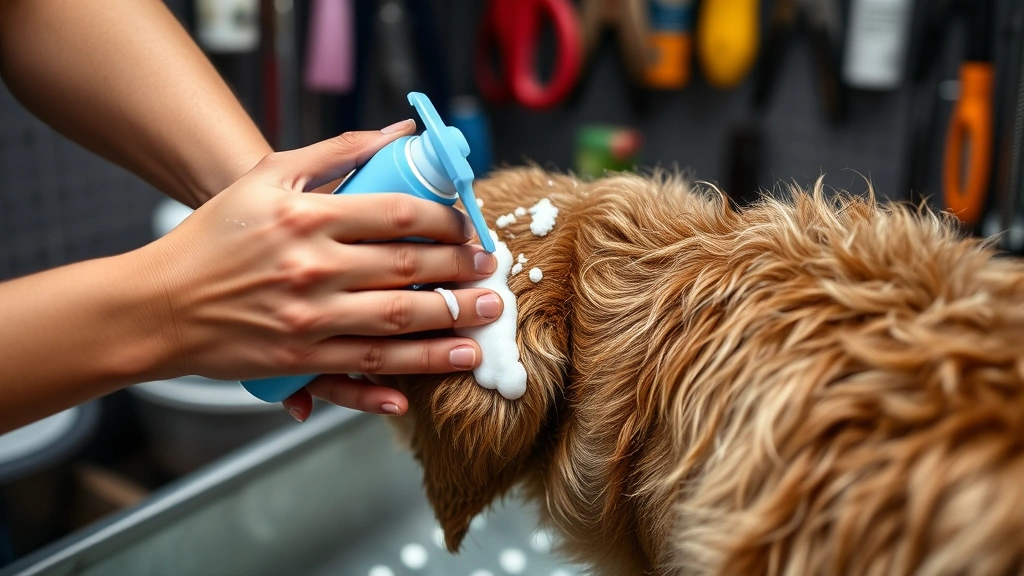
Lather gently and massage the shampoo into the coat, not just the surface. Work from head to tail, being careful around eyes and ears. For the face, use a washcloth dampened with plain water or a tearless shampoo.
Rinse completely. This is crucial. Shampoo residue left in the coat causes itching and irritation. Rinse until the water runs completely clear—this usually takes longer than you think.
Condition if needed. If your dog has dry or curly hair, use a conditioner after shampooing. Leave it on for a few minutes before rinsing thoroughly.
Dry properly. For double-coated breeds, use a high-velocity dryer to prevent moisture from being trapped against the skin. For other breeds, you can use a regular towel or a lower-speed dryer. Avoid leaving your dog damp; this creates an environment for yeast and bacterial growth.
Mistakes to Avoid
Even well-intentioned dog owners make bathing mistakes. Here are the big ones to skip.
Bathing too frequently is the number-one error. Weekly baths for a healthy dog with normal skin? That’s overdoing it. You’ll strip the natural oils and create the exact skin problems you’re trying to prevent. Save frequent bathing for medicated treatments only.
Using the wrong products causes problems too. Human shampoo, baby shampoo, or cheap dog shampoos with harsh chemicals can irritate skin. Invest in a quality, dog-specific shampoo. Your vet can recommend brands suited to your dog’s needs.
Ignoring ear care during baths leads to ear infections. Water trapped in floppy ears creates a perfect breeding ground for yeast and bacteria. Use cotton balls to gently plug ears before bathing, or tilt your dog’s head carefully to keep water out. After bathing, gently dry the ear canal with a soft cloth.
Rushing the rinse is another common mistake. Shampoo residue causes itching and flaking. Take time to rinse thoroughly—your dog’s comfort depends on it.
Not drying properly is especially problematic for double-coated breeds. Moisture trapped in the undercoat can lead to hot spots and skin infections. If you’re not confident drying your dog at home, a professional groomer has the right equipment.
Keeping Clean Between Baths
Bathing isn’t the only way to keep your dog clean. Between baths, use these maintenance strategies to extend the time between full washes.
Dry shampoo or waterless shampoo absorbs oils and refreshes the coat without water. Sprinkle it on, let it sit for a few minutes, then brush thoroughly. This works great for active dogs between baths.
Wipe-down baths using pet wipes or a damp cloth can refresh your dog after outdoor adventures without a full bath. Focus on muddy paws, the belly, and anywhere visible dirt accumulates.
Regular brushing removes loose hair, dirt, and mats. Brush your dog several times a week, depending on coat type. This reduces the need for frequent bathing and keeps the coat healthy.
Spot cleaning handles localized messes. Got mud on the paws? Rinse just the paws. Rolled in something unpleasant? Spot-clean that area. You don’t need a full bath for every minor mess.
Dental chews and breath fresheners address odor from the inside out. Some dog odor comes from the mouth and digestion, not the coat. Good dental care and a healthy diet reduce overall odor.
Frequently Asked Questions
Can I bathe my puppy as often as an adult dog?
Puppies have even more delicate skin than adult dogs, so bathe them less frequently—every 4 to 12 weeks depending on breed and activity. Their skin barrier is still developing. Use a gentle, puppy-specific shampoo and avoid over-bathing, which can lead to skin issues that persist into adulthood.
What if my dog hates baths?
Make bathing a positive experience. Use lukewarm water, speak in a calm voice, and reward your dog afterward. Start with short baths and gradually increase duration. Some dogs respond well to treats during the bath or a special toy to distract them. If your dog is extremely anxious, talk to your vet about anti-anxiety options before bathing.
Is it okay to bathe my dog weekly?
Weekly baths are only appropriate for dogs with medicated baths prescribed by a vet for skin conditions. For healthy dogs with normal skin, weekly bathing strips natural oils and causes dry, itchy skin. Stick to the 4 to 12-week range based on your dog’s individual needs.
Should I bathe my senior dog more or less often?
Senior dogs often have more sensitive skin, so bathe them less frequently—every 8 to 12 weeks. Use warm (not hot) water and a gentle, moisturizing shampoo. Senior dogs are also more prone to arthritis, so make bathing easier by using a non-slip mat and keeping the bathing area accessible.
What’s the best shampoo for my dog?
The best shampoo depends on your dog’s coat type and skin condition. For normal skin, any quality dog shampoo works. For dry skin, use a moisturizing formula. For oily skin, try a clarifying shampoo. For allergies or dermatitis, ask your vet for a recommendation. Avoid shampoos with harsh chemicals, artificial fragrances, or dyes.
Can I use human shampoo on my dog?
No. Human shampoo has a different pH balance and is too harsh for dog skin. It strips natural oils and can cause irritation, dryness, and itching. Always use a dog-specific shampoo formulated for canine skin.
How do I know if I’m bathing my dog too often?
Signs of over-bathing include dry, flaky skin, excessive itching, redness, and a dull coat. If you notice these issues, reduce bathing frequency and switch to a moisturizing shampoo. If the problems persist, consult your vet to rule out underlying skin conditions.


