

If you’re taking creatine supplements, how much water to drink with creatine is one of the most important questions you’ll need to answer to maximize results and protect your health. Most people don’t realize that creatine effectiveness depends heavily on hydration—get it wrong, and you’re wasting money and potentially risking your kidneys. Let me walk you through exactly what you need to know.
Table of Contents
Why Hydration Matters
Here’s the deal: creatine works by pulling water into your muscle cells. This volumization effect is what triggers protein synthesis and muscle growth. Without adequate water, creatine just sits there doing nothing. Think of it like trying to fill a swimming pool with the hose turned down to a trickle—you’re not going to get results.
Creatine monohydrate, the most common form, binds with water molecules. When you’re dehydrated, your muscles can’t hold onto creatine effectively, and you lose the supplement’s primary benefit. Plus, your kidneys have to work overtime filtering the creatine metabolite, creatinine. Proper hydration protects your kidneys while maximizing gains.
Daily Water Intake Guidelines
The baseline recommendation is straightforward: drink at least 3-4 liters (about 100-135 ounces) of water daily when supplementing with creatine. For most people, that’s roughly 8-10 standard water bottles. But here’s where it gets real—this is your minimum, not your target.
A better approach is using the body weight formula: multiply your body weight in pounds by 0.5 to 0.7. If you weigh 180 pounds, you’re looking at 90-126 ounces daily. Add 25-50% more water on top of that when taking creatine, and you’re in the sweet spot. This accounts for the extra cellular water retention that creatine causes.
Loading Phase Hydration
If you’re doing a loading phase (which I recommend for faster results), you’ll take 15-20 grams of creatine daily split into 4-5 doses for 5-7 days. During this period, bump your water intake to 4-5 liters daily. Your muscles are pulling in massive amounts of water, and you need to supply it.
Think of loading like priming a pump—you’re saturating your muscle tissue with creatine quickly. Without sufficient water, you’ll experience bloating, cramping, and digestive issues. I’ve seen people blame creatine for side effects when really they just weren’t drinking enough water. It’s the difference between a smooth process and feeling like garbage.
Maintenance Phase Water
After loading (or if you skip loading and just take 3-5 grams daily), you still need elevated water intake. Stick with 3.5-4.5 liters daily depending on your body weight and activity level. This maintains the creatine saturation in your muscles without the intensity of the loading phase.
The maintenance phase is where most people mess up. They load properly, see results, then drop their water intake back to normal. That’s when gains plateau and they think creatine stopped working. Consistency is key—keep your hydration steady throughout your entire supplementation period.
Factors Affecting Your Needs
Your personal water requirements depend on several variables. Body weight is obvious—heavier people need more water. But also consider your climate, training intensity, and individual metabolism. If you’re training hard in summer heat, you’re sweating out 1-2 liters per hour, so your creatine water needs increase accordingly.
Caffeine intake matters too. Coffee and energy drinks are mild diuretics, meaning they increase water loss. If you’re a heavy caffeine user, add another 500ml to your daily intake. Similarly, if you’re doing intense cardio on top of strength training, increase water by 25-50%. The goal is staying consistently hydrated, not just hitting a number.
Dehydration Risks
Inadequate water intake while taking creatine creates real problems. Dehydration reduces creatine’s effectiveness by preventing proper muscle cell saturation. You’re paying for a supplement that isn’t working. But the health risks are more serious—dehydration stresses your kidneys, which have to concentrate creatinine (creatine’s metabolite) more heavily.
Symptoms of creatine-related dehydration include muscle cramps, headaches, dizziness, and dark urine. Your urine should be pale yellow, almost clear. If it’s dark, you’re dehydrated. Some people experience kidney discomfort or lower back pain when combining creatine with insufficient water. These are warning signs to increase intake immediately.
Timing and Absorption
When you take creatine matters less than total daily intake, but timing helps. Take creatine with meals containing carbs and protein—this improves absorption through insulin-mediated transport. Pair it with a glass of water immediately, then continue drinking throughout the day. During your workout window after eating, maintain steady water intake.
If you’re doing a loading phase, space doses 4-6 hours apart with 500ml of water per dose. This prevents your stomach from being overwhelmed and ensures consistent absorption. Some people mix creatine into their post-workout shake with extra water—this works perfectly since you’re already consuming carbs and protein for recovery.
Electrolytes and Minerals
Drinking massive amounts of plain water without electrolytes can cause hyponatremia (low sodium), which is rare but serious. When you’re taking creatine and drinking 4+ liters daily, add electrolytes. You don’t need expensive sports drinks—a pinch of salt in your water or eating sodium-containing foods covers it.
Potassium and magnesium matter too. These minerals regulate water balance inside cells. Creatine pulls water intracellularly, so adequate electrolytes ensure proper distribution. Eat foods rich in these minerals: bananas, spinach, nuts, and seeds. Or use a basic electrolyte powder a few times weekly. This prevents cramping and optimizes creatine’s cellular action.
Practical Tracking Methods
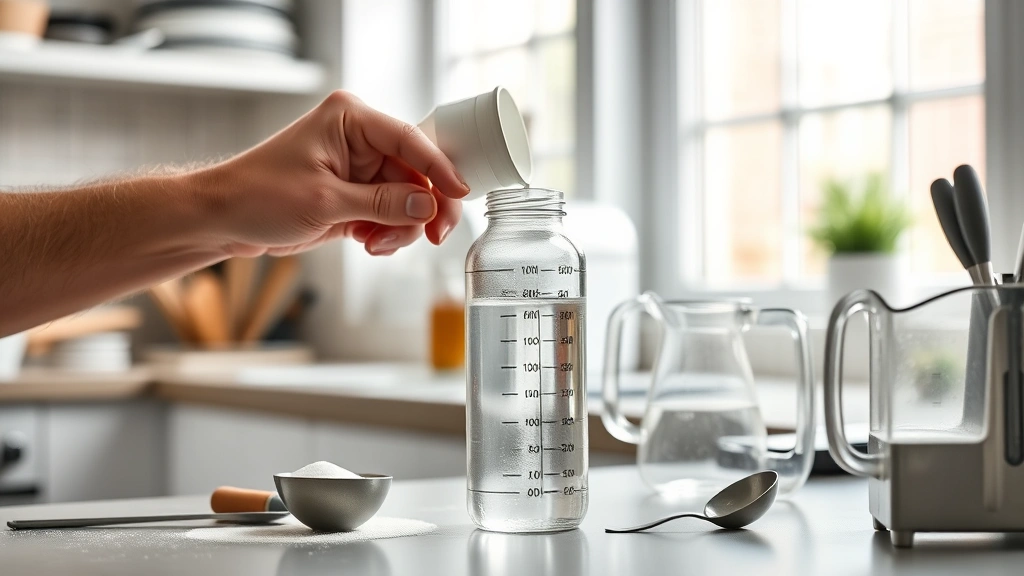
The easiest way to track water intake is using a marked water bottle. Fill a 1-liter bottle and drink it 3-4 times daily. Mark your bottle with tape at 250ml, 500ml, 750ml, and 1-liter marks. This gives you visual feedback and makes the goal tangible. Some people use phone reminders to drink every hour—set it and forget it.
Another method: drink a glass of water with every meal and snack, then drink 500ml between meals. For dinner recipes, pair your meal with a full glass, then another before bed. Track your urine color—it’s your body’s feedback system. Pale yellow means you’re dialed in. Dark yellow means drink more. This simple visual check beats any app.
Frequently Asked Questions
Can you drink too much water with creatine?
Technically yes, but it’s extremely rare. Drinking more than 4-5 liters per hour chronically could cause hyponatremia. For supplementing with creatine, 4-5 liters daily is safe and optimal. Listen to your body—if you feel bloated or nauseous, you might be overdoing it, but this is uncommon with normal intake levels.
Does water temperature matter?
No. Cold water, room temperature, or warm water all work identically for hydration. Some people claim cold water boosts metabolism slightly, but the effect is negligible. Drink whatever temperature you’ll actually consume consistently. If you hate cold water, drink it warm—consistency beats perfection.
What if I forget to drink enough water?
One day of inadequate hydration won’t destroy your results, but it reduces creatine effectiveness for that day. If you consistently under-hydrate, you’ll plateau or lose gains. Get back on track immediately. Missing hydration is like missing creatine doses—cumulative under-performance is the real problem.
Should I drink more water on rest days?
Maintain the same water intake on rest days. Creatine saturation in muscles is continuous—it doesn’t pause on rest days. Your kidneys still need to process creatinine, so hydration stays constant. The only exception is if you’re doing zero activity that day and sweating less; you might drink slightly less, but keep it consistent.
Can coffee or tea replace water?
Not entirely. While coffee and tea contribute to hydration, they’re mild diuretics. Drink them, but add extra plain water to compensate. For every cup of coffee, add 250ml extra water to your daily total. Make water your primary hydration source—aim for 70-80% of intake from plain water, the rest from other beverages and food.
Is mineral water better than tap water?
For creatine supplementation, it doesn’t matter significantly. Mineral water provides some electrolytes, which is a minor bonus. Tap water works perfectly fine. If you’re concerned about water quality, use a filter. The key is drinking enough consistently, not the source. Focus on volume before worrying about water type.
Final Thoughts
Getting your water intake right with creatine is simple but non-negotiable. Aim for 3.5-4.5 liters daily during maintenance, bump it to 4-5 liters during loading, and adjust based on your body weight, climate, and activity level. Track your urine color and use a marked bottle to stay accountable. This isn’t complicated—it’s just consistency.
Creatine is one of the most researched supplements available, and the science is clear: it works, but only when you’re properly hydrated. You wouldn’t run an engine without oil, and you shouldn’t take creatine without adequate water. Do this right, and you’ll see steady strength gains, better muscle fullness, and improved recovery. Mess it up, and you’re throwing money away while potentially stressing your kidneys unnecessarily.
For more on optimizing your nutrition around training, check out our guide on preparing vegetables like asparagus and our black beans and rice recipe for post-workout meals. And if you’re looking for quick nutrient-dense options, our 4 ingredient guacamole recipe is perfect for adding healthy fats to your diet.
Start tracking your water today. Use a simple system that works for you, stay consistent, and you’ll maximize every penny you spend on creatine.


