
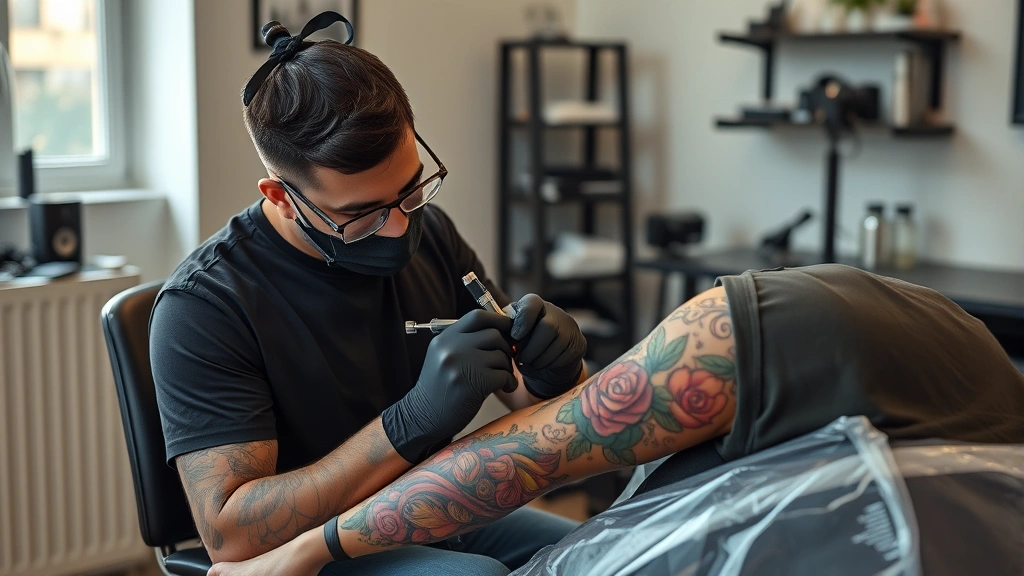
Figuring out how much to tip tattoo artist can feel awkward if you’re not sure about the unwritten rules. Whether you’re getting your first ink or your tenth, tipping etiquette matters—it shows respect for the craft and the person who just spent hours making your vision permanent. Unlike restaurants where tipping percentages are standard, tattoo tipping works a bit differently, and there’s actually more flexibility than you’d think. Let’s break down what you need to know so you can walk out of that studio feeling confident about your decision.
Table of Contents
Standard Tipping Percentages
The baseline for tipping your tattoo artist sits between 15-20% of your total bill. This is the sweet spot that most professionals expect and appreciate. If your tattoo cost $300, you’re looking at a $45-60 tip. It’s similar to restaurant tipping in that respect, but here’s the difference: tattoo artists don’t rely on tips the way servers do. Many shops pay their artists a salary or percentage of their work, so tips are genuinely appreciated bonuses rather than survival income.
Some artists work on a commission-only basis, which means they keep a percentage of what they charge. In these cases, tipping becomes even more meaningful. A solid 15-20% shows you valued their time, skill, and artistry. That said, if money’s tight and you can only manage 10%, most artists won’t hold it against you—especially if you’re a first-timer or the piece was straightforward.
Factors Affecting Tip Amount
Not every tattoo deserves the same tip percentage. A simple black line piece that took 30 minutes is different from a full-color sleeve that required three sessions. Think about what went into your specific work:
Complexity and Detail: Intricate designs, color work, and custom pieces demand more skill and focus. If your artist spent hours hand-drawing your design, perfecting shading, or executing technical linework, bump that tip up toward the 20% mark or higher.
Session Length: Long sessions are draining. If you sat for four hours straight, your artist earned that extra appreciation. Longer appointments mean more physical and mental energy spent on your piece.
Artist Experience Level: A renowned artist with years of portfolio work and a waiting list might command higher prices, but the tip percentage stays the same. However, if you booked with an apprentice or newer artist, tipping 15-20% still applies and really helps them build their career.
Custom Design Work: If your artist created original artwork specifically for you (rather than using flash designs), that’s additional labor before you even sat down. Recognize that effort in your tip.
When to Tip More Generously
There are situations where going above 20% makes sense. If your artist absolutely nailed your vision, went above and beyond with customer service, or handled a difficult placement with expertise, a 25-30% tip shows serious appreciation.
You might also want to tip higher if you’re planning to return for more work. Building a relationship with your artist pays dividends—they’ll prioritize you, remember your preferences, and give you their best attention. A generous tip on your first piece sets a positive tone for future sessions.
Pain tolerance issues? If you were a difficult client (moving around, complaining, needing extra breaks), a bigger tip acknowledges their patience. Artists appreciate clients who make their job easier, but they also understand that some people struggle with pain. Rewarding their professionalism in those moments builds goodwill.
Also consider tipping more if you’re getting work done during busy seasons or if your artist squeezed you in on short notice. That flexibility deserves recognition.
When Tipping Less is Acceptable
Not every situation calls for a standard 15-20% tip. If something went wrong—the artist made a mistake, the design didn’t match what you discussed, or the quality fell short of expectations—you’re not obligated to tip at the full percentage.
That said, handle this carefully. If there’s a genuine issue, talk to the artist or shop manager first. Many studios will fix problems for free or offer discounts. Tipping 10% or skipping it entirely should only happen if the work was truly subpar or the artist was genuinely rude.
Budget constraints are real too. If you scraped together money for the tattoo itself and can only afford a $10-15 tip, that’s okay. Most artists understand that not everyone has unlimited funds. Something is always better than nothing, and your appreciation matters more than the exact percentage.
Cash vs Card Payment
Here’s a practical tip: bring cash for your tip. Many tattoo studios operate on card systems, but artists prefer cash tips because it goes directly to them without processing fees. When you tip by card, the studio might take a small cut, and the artist’s take-home is slightly less.
If you’re paying your full tattoo bill by card (which is totally normal), having cash specifically for the tip shows extra thoughtfulness. It’s a small gesture that artists genuinely appreciate. Pull out a $20 or $50 bill when the work is done, and you’ll see the difference in their reaction.
That said, if you genuinely don’t have cash, tipping by card is absolutely fine. No artist will refuse a tip because of the payment method. The gesture matters more than the medium.
Tipping Apprentices and Studios
If you’re getting work done by an apprentice, the same 15-20% rule applies. Apprentices are learning, and your patience and generosity help them develop confidence and skill. In fact, tipping an apprentice well might mean they remember you fondly and give you even better service as they progress in their career.
Some studios have a tip pool system where tips get split among staff who contributed to your experience (the receptionist, the artist, the person who cleaned up). Ask about this when you’re settling up. If it’s a tip pool, you’re still tipping the same amount, but it’s being distributed fairly across the team.
For piercing studios or shops that combine multiple services, tip the person who did your work directly. If multiple people were involved (a piercer and an assistant), you can split the tip or give it all to the primary person—they’ll usually handle distribution.
Regional Differences Matter
Tipping culture varies by region. In major cities like New York, Los Angeles, or San Francisco, artists expect closer to 20% as standard. In smaller towns or less expensive areas, 15% might be more typical. International travelers should research local customs—some countries don’t have a tipping culture at all, and your 20% tip might actually seem strange.
The cost of living in your area also plays a role. A $300 tattoo in rural Montana represents different financial circumstances than a $300 tattoo in Manhattan. Artists understand this context. What matters is that you’re showing appreciation relative to your means and the local standard.
Beyond Money: Other Ways to Show Appreciation
Tipping isn’t the only way to show gratitude. Positive reviews on Google, Yelp, or Instagram mean everything to tattoo artists. A glowing review with a photo of your healed tattoo drives new clients to their chair. That’s worth more than money in the long run.
Referring friends is huge. If you love your tattoo and recommend your artist to others, and those friends book appointments, you’ve just given them a gift that keeps giving. Let your artist know when you refer someone—they’ll appreciate it.
Following them on social media, liking their posts, and sharing their work in your stories helps build their brand. For independent artists, this kind of visibility is invaluable. You’re essentially doing free marketing.
Finally, just being a good client matters. Show up on time, follow aftercare instructions, and come back for your next piece. Loyalty is something artists value deeply, and it builds the kind of relationship where you both win.
Frequently Asked Questions
Is tipping a tattoo artist mandatory?
No, tipping is never mandatory, but it’s strongly expected in most Western cultures. It’s a way to show appreciation for skilled work. If you genuinely cannot afford to tip, most artists understand, but they’ll remember it. If you plan to return to the same artist, tipping well on your first visit sets a better tone.
What if I’m unhappy with my tattoo?
Talk to your artist before leaving. Most reputable shops will fix issues for free or offer a discount on a cover-up. If the work quality was genuinely poor, you’re not obligated to tip at the full percentage. However, if it’s a matter of personal preference or you changed your mind about the design, that’s on you—tip normally.
Should I tip if I got a discount?
Yes. Calculate your tip based on the discounted price, not the original price. If your artist gave you a deal, they’re already showing appreciation. Your tip should reflect what you actually paid.
Do I tip at every session for multi-session tattoos?
Absolutely. Each session is separate work. Tip 15-20% at the end of every appointment. This is especially important for sleeve work or large pieces that take multiple visits. Your artist will remember consistent tipping.
What about tipping for consultations?
Most artists don’t expect tips for free consultations, but if they spent significant time drawing custom designs or detailed planning, a small tip ($10-20) is nice. Many artists include design work in their session fee, so it’s already accounted for.
Can I tip less for simple designs?
You can, but I wouldn’t go below 15%. Even simple designs require skill, precision, and professionalism. The time spent setting up equipment, sterilizing needles, and ensuring proper placement is the same regardless of design complexity.
Final Thoughts
Tipping your tattoo artist comes down to respect and recognition. You’re paying for permanent art on your body—that’s significant. The person creating it deserves acknowledgment for their skill, patience, and artistry. A 15-20% tip is the standard that shows you value their work without breaking the bank.
Remember that every artist is different, every piece is different, and every situation has nuance. Use the guidelines here as a starting point, but trust your gut. If you had a great experience, tip well. If something was off, address it respectfully. And if you plan to build a long-term relationship with an artist, generous tipping early on pays dividends.
The tattoo community is tight-knit. Word gets around about good clients and bad ones. Be the client that artists want to work with, and you’ll get better service, priority bookings, and genuine care for your next piece. That’s worth far more than the cost of a solid tip.


