
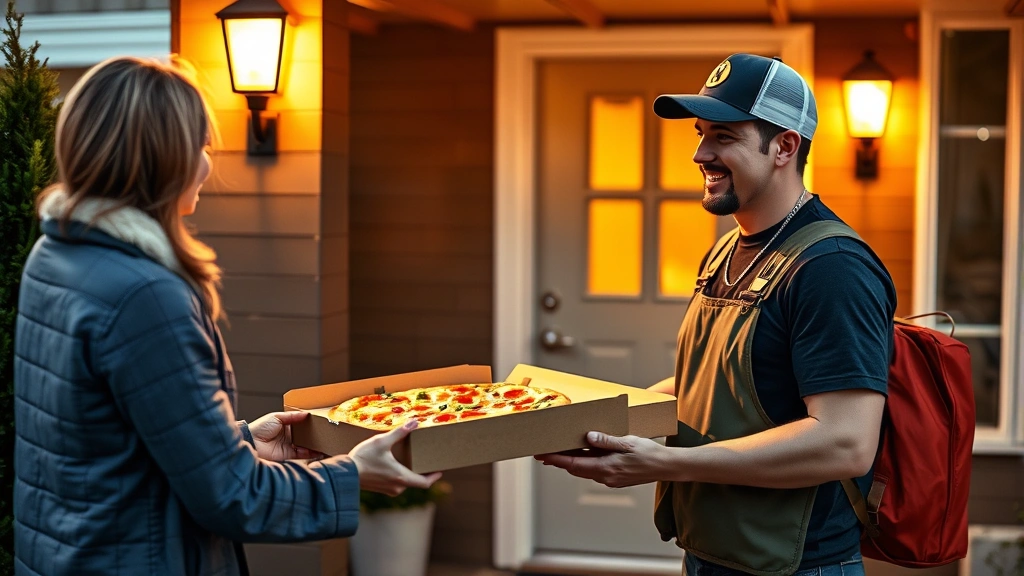
So you’ve ordered a pizza, and now you’re staring at that delivery driver pulling up to your door—and the real question hits: how much to tip pizza delivery? It’s one of those modern etiquette puzzles that catches everyone off guard, and honestly, there’s no single “right” answer. But don’t worry—we’re going to break down the actual expectations, the math behind it, and what factors should influence your decision so you can tip with confidence, not guilt.
Table of Contents
Standard Tipping Ranges
Let’s start with the baseline numbers. The general consensus among delivery drivers and etiquette experts is that you should tip between 15-20% of your order total, or a minimum of $2-3 per delivery. If your pizza order is $20, you’re looking at $3-4 in tips. For a $40 order, bump that to $6-8. These aren’t hard rules—they’re guidelines based on what drivers report as reasonable compensation for their work.
Now, here’s the thing: pizza delivery isn’t the same as restaurant service. Your driver is using their own vehicle, burning gas, dealing with traffic, and risking their safety. The $2-3 minimum reflects the absolute bare minimum if you’re ordering a small, nearby delivery. But if you’re ordering regularly or living in a challenging area, thinking bigger is the move.
Factors Affecting Your Tip
The amount you tip isn’t just about the pizza price tag. Several factors should influence your decision, and understanding them helps you tip fairly without overthinking it every single time.
Start with order complexity. A simple pepperoni pizza delivery? Straightforward. But if you’re ordering 5 pizzas, wings, breadsticks, and a 2-liter bottle, that’s more handling, more time in the car, and more risk of something getting damaged. The complexity of your order justifies a slightly higher tip.
Time of day matters too. Late-night deliveries (after 10 PM) should typically get a bump—drivers are working odd hours, roads might be less safe, and they’re going out of their way. Weekend orders versus weekday orders can also affect things. Friday night at 7 PM? Busier, more traffic, longer wait times for the driver. That’s worth acknowledging with a better tip.
Distance and Delivery Fees
Here’s where people get confused: that “delivery fee” your pizza place charges isn’t the driver’s tip. Most of that fee goes to the restaurant or delivery platform, not directly to the driver. So don’t assume you’ve already tipped because you paid a delivery fee—you haven’t.
Distance is critical. If you live 2 miles from the pizza place, that’s different from 8 miles away. The driver has to drive back empty-handed, burning gas the whole way. A 2-mile delivery might warrant a $3-4 tip. An 8-mile delivery? You’re looking at $5-7 minimum. Use your judgment here—if you’re at the edge of their delivery zone, tip accordingly.
If you’re using a delivery app like DoorDash or Uber Eats, the situation shifts slightly. Those platforms take a bigger cut, so drivers often rely even more heavily on tips. If you’re ordering through an app, consider tipping on the higher end of the range.
Weather and Road Conditions
This is where you show you actually respect the work. It’s pouring rain, snowing, or the roads are icy? Your driver just risked their safety and vehicle to get you hot pizza. That deserves recognition. In bad weather, bump your tip up by 50%. If you’d normally tip $4, make it $6. If it’s a blizzard or severe weather warning, even more is justified.
It’s not just about being nice—it’s about acknowledging real risk and effort. Delivery drivers often have to work these conditions because people still want pizza, and they’re the ones making it happen.
Cash vs. Digital Tips
The method matters more than you think. If you’re paying with a card at the door or tipping through an app, that’s straightforward—your tip goes to the driver’s account. But here’s the reality: some drivers prefer cash because it’s immediate and they don’t have to wait for payment processing. A $5 cash tip feels different than a $5 digital tip to many drivers.
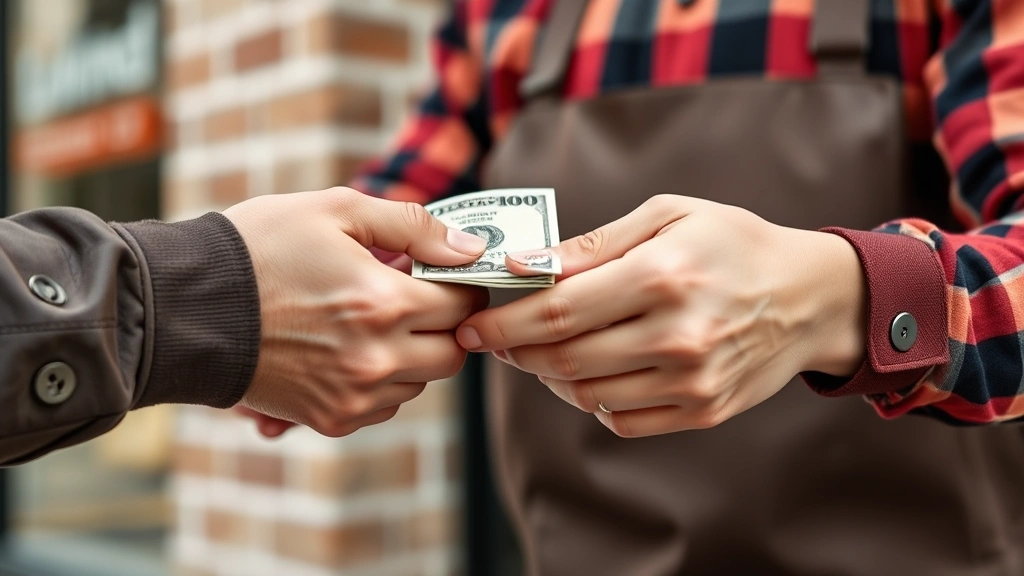
If you’re paying digitally through the app or card, you know exactly what you’re tipping upfront. The driver sees it when they accept the order (on many platforms), which can influence how quickly they prioritize your delivery. If you’re doing cash, hand it over with a smile and a thanks—it makes a human connection that matters.
Pro tip: If you’re a regular at a pizza place, building a relationship with the drivers by consistently tipping well in cash can actually lead to better service. They’ll remember you, prioritize your order, and might even throw in extras.
Minimum Tip Etiquette
Let’s be real: the absolute minimum you should tip is $2, and that’s only if you’re ordering a small pizza from a place literally next door. If you’re ordering anything over $15, minimum is $3. Over $25, minimum is $4. Under $15? Still do $2 at least—the driver still showed up, used gas, and spent time on your order.
There’s a difference between being frugal and being cheap. If you can’t afford to tip, can you afford to order delivery? That’s the question to ask yourself. Delivery is a convenience service, and that convenience costs money beyond just the food price.
Order Size Matters
A solo pizza order is different from feeding a party of 10. If you’re ordering for a group, your tip should reflect that. A $60 order for a party should get a $10-12 tip, not just $4. The driver is handling more items, managing a bigger order, and the effort is proportional.
Similarly, if you’re ordering from a place that’s known for slow service, the driver might be waiting longer at the restaurant. That’s not their fault, but they’re still losing time. If you know the place is always backed up, acknowledge that with your tip. It’s not your responsibility to cover the restaurant’s inefficiency, but it’s human kindness.
Building Relationships with Drivers
If you order pizza regularly from the same place, you’ll start seeing the same drivers. This is where consistent, fair tipping pays off in unexpected ways. Drivers remember the people who treat them well. You might find your order gets prioritized, arrives faster, or gets special care.
One thing to consider: if you’re ordering through services like Uber, you’re working with a larger platform, so the personal relationship is different. But if you’re ordering directly from a local pizza shop, that driver might be the same person every time. Treat them like you’d want to be treated.
Drivers talk to each other. Good tippers get known as good tippers. Bad tippers get known too. If you’re in a smaller area, your reputation follows you. It’s worth being decent about it.
Frequently Asked Questions
Is 15% the standard tip for pizza delivery?
15-20% is the general guideline, but it’s not absolute. For small orders nearby, $2-3 is acceptable. For larger orders or longer distances, 20% or more makes sense. The key is considering the distance, weather, and effort involved.
Should I tip if I already paid a delivery fee?
Yes. The delivery fee goes to the restaurant or platform, not directly to the driver. Your tip is separate compensation for the driver’s work, time, and vehicle use. Don’t skip tipping because there’s a delivery fee.
What if the pizza arrives cold or wrong?
That’s not the driver’s fault (usually). If it’s cold, that’s a kitchen or timing issue. If it’s wrong, same thing. The driver is just the delivery person. Still tip them fairly—they didn’t mess up your order. If you want to adjust for poor service, take it up with the restaurant, not the driver.
Is cash or card tip better?
Both work, but cash is immediate and some drivers prefer it. Card tips go through the app or payment system and might take a day or two to process. If you’re tipping digitally through an app, the driver sees it when they accept the order, which can be motivating.
How much should I tip for a large group order?
For orders over $50, tip at least 20%, or $10-15 minimum. Large orders require more effort, more items to manage, and more risk of something getting damaged. The tip should reflect that increased effort.
What about tipping during bad weather?
Bump your standard tip by 50% or more. If you’d normally tip $4, make it $6-7 in rain or snow. The driver is taking on real risk and discomfort. That deserves recognition.
Should I tip if I’m picking up instead of having it delivered?
For pickup, a small tip ($1-2) is nice but not required. You’re not asking the driver to come to you, so the expectation is lower. But if they’re busy and they got your order right, it’s a kind gesture.
Final Thoughts
Here’s the bottom line: how much to tip pizza delivery depends on several factors, but the baseline is 15-20% of your order or $2-3 minimum. Adjust up for distance, weather, order complexity, and time of day. Remember that delivery fees aren’t tips, and that your driver is using their own vehicle and time to get you food.
If you can’t afford to tip, delivery might not be the right choice for your budget. But if you can order out, you can usually afford to tip fairly. It’s a small gesture that means a lot to someone working hard to get your pizza to your door hot and on time.
Whether you’re ordering from a local pizzeria or using an app-based delivery service, treating drivers with respect and tipping appropriately is just part of being a good neighbor. They’re doing the work, burning the gas, and facing the weather. A fair tip acknowledges that.
For more on managing logistics and services, check out our guides on selling items online or creating business pages if you’re thinking about starting a delivery service yourself. And if you’re curious about measurements for recipes, we’ve got a breakdown on converting grams to quarter pounds for when you’re making homemade pizza.


