
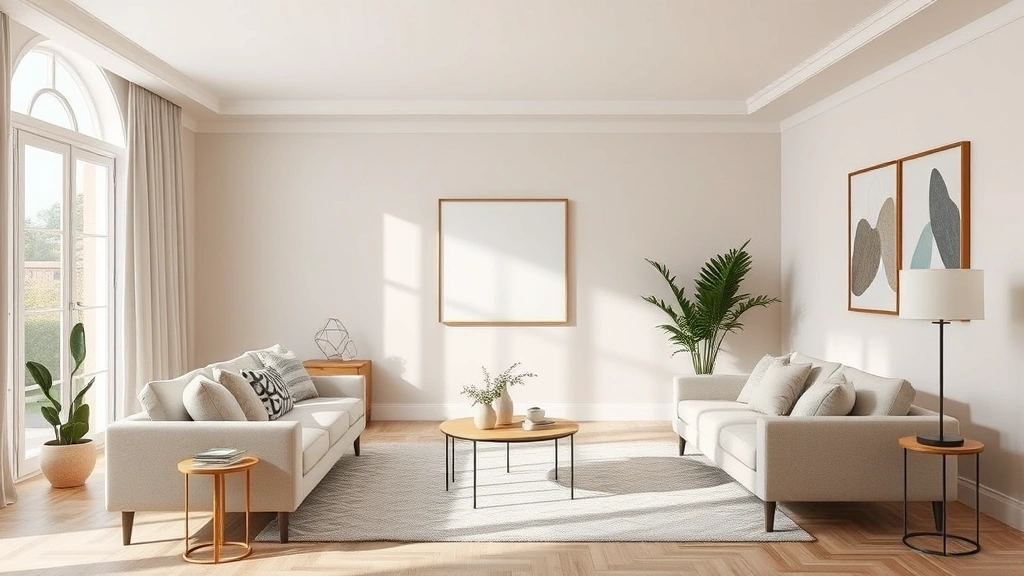
So you’re wondering how much to paint a house? Whether you’re looking at a fresh coat for your entire home or just sprucing up the exterior, the costs can vary wildly depending on a bunch of factors. Let me walk you through what you’re actually looking at in 2024, break down the real numbers, and help you figure out whether DIY or hiring pros makes sense for your wallet.
Table of Contents
Average House Painting Costs
Let’s cut to the chase. The average cost to paint a house in 2024 ranges from $1,500 to $6,000 for interior work and $2,000 to $10,000 for exterior painting. But here’s the thing—these numbers are just ballpark figures. A small 1,200 square foot home might run you $2,000 to $4,000, while a sprawling 3,000 square foot house could easily hit $8,000 to $15,000 or more.
The per-square-foot rate typically falls between $1 to $3 for interior walls and $1.50 to $4 for exterior surfaces. Professional painters often charge by the square foot, the hour, or the room—sometimes it’s a flat project fee. Labor usually eats up 70-80% of your total bill, with materials making up the rest.
Factors Affecting Paint Price
Not all painting jobs are created equal. Several variables will swing your final bill up or down. First, there’s the condition of your surfaces. If your walls need extensive prep work—stripping old paint, filling holes, sanding rough spots—you’re looking at higher costs. A well-maintained home with smooth surfaces will be cheaper to paint.
Your home’s size is obvious, but accessibility matters too. Single-story homes are faster and cheaper than two or three-story jobs that require scaffolding or lifts. Ceiling height, architectural complexity, and the number of corners and trim pieces all add time and money. If you’ve got intricate trim work, crown molding, or detailed baseboards, expect to pay more. This is where precision matters—those details take longer.
Location plays a role as well. Painting costs in urban areas and affluent suburbs run higher than rural regions. Labor rates vary by region, and so does the cost of materials. If you’re in a high-cost-of-living area, budget accordingly.
Interior vs Exterior Painting
Interior and exterior painting have different price structures for good reasons. Interior painting typically costs less per square foot because you’re working indoors without weather concerns. You don’t need scaffolding, the job is more predictable, and prep work is usually lighter. A typical interior job runs $1 to $3 per square foot in labor.
Exterior painting costs more because of weather dependencies, safety equipment needs, and surface preparation. Exterior surfaces often need power washing, scraping, and repairs before paint goes on. Scaffolding, lifts, or ladder work add to labor time. You’re looking at $1.50 to $4 per square foot for labor alone. If your home has wood siding that needs stripping and repair, costs jump significantly.
Exterior jobs also depend on your climate. Homes in harsh weather regions need more frequent repainting, and prep work for extreme conditions costs more. If you’re curious about other exterior projects, check out our guide on how long cement takes to dry for foundation or patio work that might complement your painting project.
DIY vs Professional Painters
Here’s where you make a real choice. Painting it yourself saves on labor—that’s the big chunk of money. You’re looking at maybe $200 to $500 in materials for an average room if you already own basic supplies. For a whole house DIY project, materials might run $500 to $2,000 depending on paint quality and coverage needs.
The catch? Your time. A professional crew can knock out an interior in a few days. You might spend weekends for weeks. There’s also the learning curve—pros know how to prep properly, apply paint smoothly, and avoid common mistakes like visible brush strokes, drips, and uneven coverage. Bad paint application looks worse than no paint at all.
For exterior work, DIY gets riskier. You need safety equipment, weather windows, and serious prep knowledge. One mistake with exterior paint—like poor surface prep or applying in wrong conditions—means early failure and wasted money. Most people hire pros for exterior work and DIY interiors if they’re handy.
Want to understand project timelines better? Our article on how long it takes to build a house covers planning and scheduling for major home projects.
Paint Quality Matters
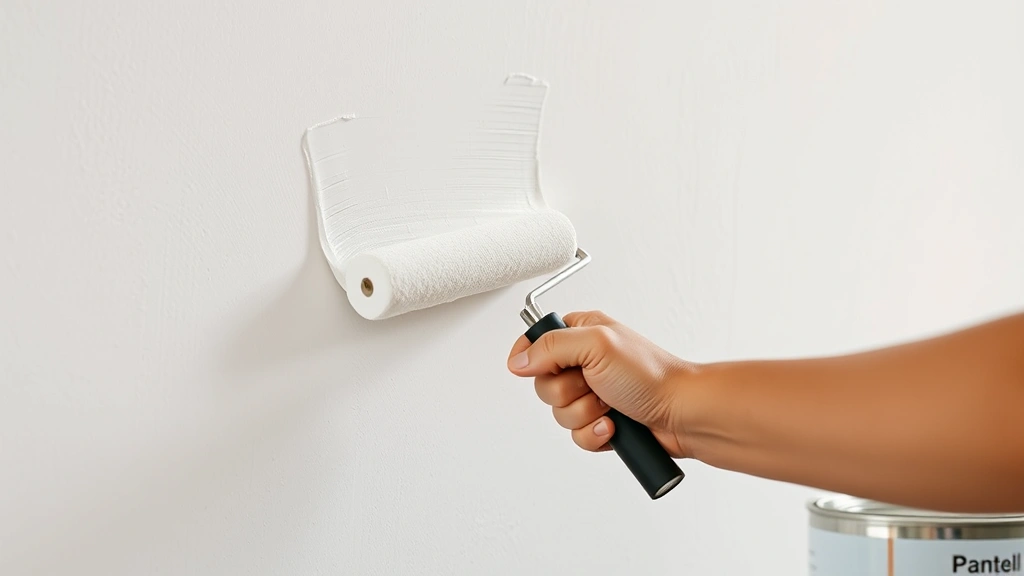
Cheap paint is a false economy. Budget paint ($15-25 per gallon) requires more coats, covers less area, and doesn’t last as long. Mid-range paint ($25-40 per gallon) is what most pros use—it balances cost and performance. Premium paint ($40-60+ per gallon) offers superior durability, better coverage, and longer-lasting color.
For interior walls, decent mid-range paint works fine. For high-traffic areas, kitchens, and bathrooms, invest in better paint that resists moisture and wear. Exterior paint absolutely demands quality—it’s your home’s shield against weather. Cheap exterior paint fades, peels, and fails within a few years, costing you more in the long run.
Paint type matters too. Latex (water-based) is easier to work with and cleanup is simple. Oil-based paint lasts longer and covers better but requires solvent cleanup and better ventilation. For most DIY projects, latex is the way to go. Professionals might use oil-based for trim and doors where durability matters most.
Hidden Costs & Surprises
Here’s what catches people off guard. Prep work often costs more than expected. If your walls have water damage, mold, or extensive damage, repairs happen before painting. That’s extra. Removing old wallpaper, repairing drywall damage, or dealing with lead paint (in older homes) adds significant cost and time.
Primer isn’t always included in quotes. If you’re painting over dark colors, stained surfaces, or new drywall, primer is essential. That’s an extra coat and extra cost. Some painters bundle it; others charge separately.
Moving furniture, protecting floors, and cleanup can be DIY or contractor responsibilities. Make sure your quote specifies what’s included. Some painters charge extra for moving heavy furniture or protecting hardwood floors. Weather delays on exterior work can extend timelines and increase costs if you’re paying hourly labor.
Specialty finishes cost more. If you want textured walls, faux finishes, or accent walls with premium colors, expect higher prices. Ceiling painting typically costs more than wall painting because it’s harder and requires more skill.
Money Saving Tips
Want to reduce costs without sacrificing quality? Start by getting multiple quotes—at least three. Prices vary between contractors, and competition helps. Get detailed written quotes that specify paint brand, coverage, prep work, and timeline.
Do some prep yourself. If you remove furniture, protect floors, and handle basic cleaning, you save labor costs. Patch small holes and sand rough spots before the painter arrives. Every hour you save them is money in your pocket.
Paint during off-season. Painters are busier in spring and summer, so rates are higher. Fall and winter bring lower prices and faster scheduling. If your project isn’t urgent, wait for the slow season.
Stick with standard colors. Custom color matching and specialty colors cost more. Whites, beiges, and grays are cheapest because they’re high-volume colors. Stick with what’s popular if budget matters.
Consider partial projects. Maybe you paint high-traffic areas professionally and handle bedrooms yourself. Paint main living spaces and keep the rest for later. Phasing projects spreads costs over time.
For other DIY projects that might complement your home improvement, check out how to clean silver at home for maintaining other finishes in your home.
Timeline Expectations
How long does painting actually take? Interior painting for an average 2,000 square foot home takes 3-5 days with a professional crew. A single painter might take 2-3 weeks working alone. Exterior painting takes longer—5-10 days for average homes, longer for larger properties or complex designs.
Prep work often takes as long as painting itself. A professional estimates 1-2 days of prep for every 2-3 days of actual painting. Weather delays exterior projects—you can’t paint in rain or extreme heat. Plan for weather contingencies on exterior work.
Multiple coats extend timelines. Most jobs require two coats minimum. Drying time between coats depends on paint type and conditions. Latex dries faster (2-4 hours) than oil-based (overnight). Humidity and temperature affect drying time.
Frequently Asked Questions
How much does it cost to paint a 2,000 square foot house?
A 2,000 square foot interior typically costs $2,000 to $6,000 with professional painters. Exterior painting runs $3,000 to $8,000. Costs depend on prep needs, paint quality, and your location. Get local quotes for accurate pricing.
Is it cheaper to paint interior or exterior?
Interior painting is generally cheaper per square foot because there’s less prep work, no weather delays, and no safety equipment needs. Exterior painting costs more due to complexity, weather dependencies, and safety requirements.
What’s included in a painting quote?
A complete quote should include surface preparation, primer, paint (specified brand and quality), labor, cleanup, and timeline. Make sure it specifies what’s covered and what costs extra. Ask about furniture moving, floor protection, and warranty.
Can I negotiate painting costs?
Yes, but negotiate smartly. Get multiple quotes and use them as leverage. Negotiate on timeline or scope rather than cutting corners on materials. A painter who drops their price too much might cut quality.
How often should I repaint my house?
Interior paint typically lasts 5-10 years depending on quality and traffic. Exterior paint lasts 5-7 years in harsh climates, up to 10+ years in mild areas. High-quality paint lasts longer than budget options.
What’s the best time to paint exterior?
Spring and fall offer ideal conditions—moderate temperatures and lower humidity. Avoid summer heat (paint dries too fast, causing issues) and winter cold (paint won’t cure properly). Rain is your enemy—wait for dry weather.
Do I need primer?
Yes, primer is essential over new drywall, when painting dark colors light, over stains, or on porous surfaces. Some paints have primer built in, but separate primer usually performs better. Don’t skip it—it saves paint and improves coverage.
Should I hire a contractor or DIY?
DIY interior painting works if you’re patient and detail-oriented. Exterior work and large projects benefit from professional expertise. Pros work faster, cleaner, and with better results. Weigh your time value against labor costs.


