
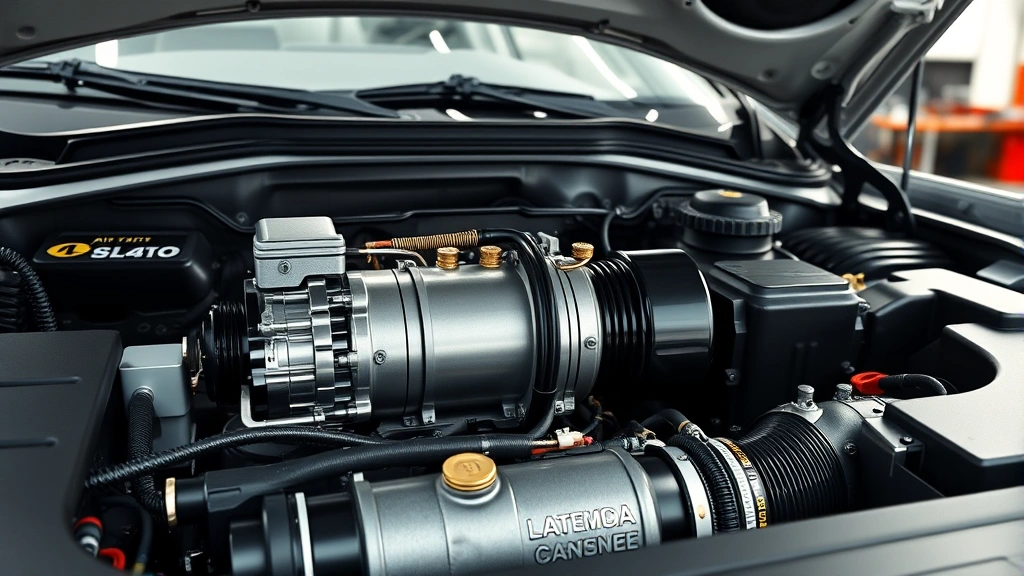
Figuring out how much to fix AC in car can feel like staring at a mystery bill, but the costs are actually pretty predictable once you know what you’re dealing with. Whether it’s a simple refrigerant top-up or a full compressor replacement, I’m going to walk you through exactly what you’ll pay and why.
Table of Contents
AC Repair Costs Breakdown
The average car AC repair cost ranges anywhere from $150 to $1,500 depending on what’s broken. A simple refrigerant recharge sits on the low end, while replacing a compressor can push you toward that upper limit. The real price depends on three main factors: your vehicle’s make and model, what component failed, and whether you’re going to an independent shop or a dealership.
Independent mechanics typically charge less than dealerships, sometimes saving you 20-30% on labor. However, dealerships often have better access to OEM parts and warranty coverage. Before you commit to any repair, get quotes from at least two shops. Most reputable shops will diagnose your AC system for free or a small fee (usually $50-$100), which gets credited toward repairs if you proceed.
Refrigerant Recharge Costs
This is the cheapest AC fix you’ll encounter, running $150-$300 at most shops. Your car’s AC system loses refrigerant over time—it’s totally normal. A recharge involves vacuuming out the old refrigerant, checking for leaks, and adding new refrigerant to the proper level. The process takes about an hour, sometimes less.
Here’s the catch: if your system keeps losing refrigerant rapidly, you’ve got a leak somewhere. A small leak might cost $200-$400 to find and seal. A major leak requiring component replacement? That’s where costs climb fast. Always ask your mechanic to perform a leak test during a recharge. It’s worth the extra $50-$100 to know if you’re just topping off or fixing a bigger problem.
Compressor Replacement Expenses
The compressor is your AC system’s heart, and replacing it is the priciest repair you’ll face—typically $500-$1,200 in parts and labor combined. The compressor pumps refrigerant through the system, and when it fails, your AC stops working entirely. Some shops charge $300-$600 just for the part, with labor adding another $200-$600 depending on your vehicle’s engine layout.
Luxury vehicles and trucks often cost more because the compressor is harder to access. A Honda Civic might run you $700 total, while a BMW or large pickup could hit $1,500. Always ask if the shop offers remanufactured compressors—they typically cost 30-40% less than new ones and come with decent warranties. When a compressor goes bad, it’s also smart to replace the receiver-drier (a filter component) at the same time, which adds $100-$200 but prevents future contamination issues.
Condenser and Evaporator Issues
The condenser sits in front of your radiator and releases heat from the refrigerant. The evaporator is hidden inside your dashboard and cools the air before it reaches your cabin. Both can leak, clog, or fail, costing $400-$1,000 each to replace. Condenser replacement usually runs $400-$800 in labor and parts, while evaporator work is pricier because it requires dashboard disassembly—expect $800-$1,500.
Condenser problems often show up after accidents or road debris damage. Evaporators typically fail from internal corrosion or mold buildup inside the AC lines. If you notice a musty smell from your vents, that’s often an evaporator issue. Some shops can clean evaporators with special chemicals for $150-$300 before jumping to replacement. This is worth trying first, though results aren’t guaranteed.
DIY Versus Professional Service
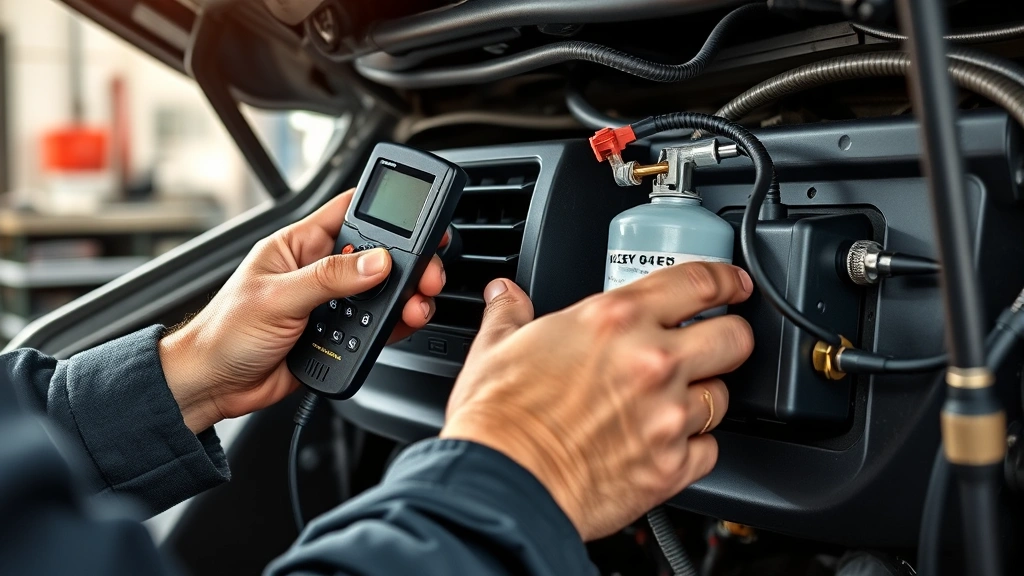
I’ll be straight with you: DIY AC work is risky and often illegal. In the US, you need EPA certification to handle refrigerant, and most states require licensed technicians to work on AC systems. Refrigerant is a controlled substance, and improper handling can damage the ozone layer. Plus, if something goes wrong, you’re liable.
That said, you can handle some basic maintenance yourself. You can check your AC fluid level with a sight glass (if your car has one), clean your condenser fins, or replace your cabin air filter. Just don’t touch the refrigerant or sealed components. If you want to save money, learn to recognize AC problems early—catching a small leak beats paying for a major repair. For more on preventive car maintenance, check out our guide on how long it takes to charge a car battery, which covers overall vehicle electrical health.
Warning Signs Your AC Needs Help
Don’t wait until summer hits to discover your AC is broken. Listen for these red flags: weak airflow from vents, warm air instead of cold, strange noises (clicking, grinding, or squealing), or that musty smell I mentioned earlier. Some of these point to simple fixes, others signal expensive repairs ahead.
Weak airflow might just be a clogged cabin air filter ($20-$50 to replace). Warm air could mean low refrigerant or a failing compressor. Noises often indicate compressor problems or a broken belt. A musty smell suggests mold in the evaporator or clogged drain lines. Get these checked promptly—delaying AC repair can cause the compressor to seize completely, turning a $300 recharge into a $1,200 replacement. For similar preventive thinking on other car systems, see our article on how long it takes to align a car, which covers catching alignment issues before they become expensive.
Prevention and Maintenance Tips
Run your AC system year-round, even in winter. Seriously. Running it for 10 minutes monthly keeps seals lubricated and prevents them from drying out. This simple habit can extend your AC system’s life by years. Also, park in shade when possible—a cooler car means your AC doesn’t work as hard on startup.
Have your system inspected annually, especially before summer. A $50-$100 inspection catches small problems before they become big bills. Keep your condenser clean by gently rinsing it with a garden hose (be gentle—fins are delicate). Replace cabin air filters every 12,000-15,000 miles. These filters trap dust and debris that can clog your evaporator.
If you notice refrigerant loss, address it immediately. Small leaks often stay small if caught early, but ignoring them lets moisture and air enter the system, which damages internal components. Think of AC maintenance like checking your home’s foundation—a little attention now saves thousands later.
Frequently Asked Questions
How long does an AC recharge last?
A proper recharge should last 2-4 years in most vehicles. If you’re recharging every summer, you have a leak that needs fixing. A sealed system loses only tiny amounts of refrigerant naturally over time.

Can I use over-the-counter AC recharge kits?
I’d skip them. These DIY kits from auto parts stores are risky—they lack proper pressure gauges, can overcharge your system, and you can’t legally handle refrigerant without certification. The $50 you save isn’t worth damaging your compressor or facing legal issues.
What’s the difference between R-12 and R-134a refrigerant?
Older cars (pre-1995) use R-12, which is phased out and expensive. Newer cars use R-134a. Some shops can convert R-12 systems to R-134a for $400-$600, which is often cheaper than buying R-12 long-term. Check your owner’s manual to see which your car needs.
Is AC repair covered by warranty?
Manufacturer warranties typically cover AC for 3-5 years or 36,000-60,000 miles. Extended warranties sometimes cover AC too. Check your paperwork. If you’re buying a used car, ask the seller about AC warranty remaining—it’s a negotiating point.
Why does my AC smell like vinegar?
That’s mold or bacteria growing in your evaporator or drain lines. It’s common in humid climates. A professional cleaning costs $150-$300. Prevention: run your AC on the highest setting for the last 5 minutes of driving to dry out the evaporator.
Can a bad AC compressor damage my engine?
Not directly, but a seized compressor can break the serpentine belt, which powers multiple engine components. This can leave you stranded. Replace a failing compressor before it completely fails.
Final Thoughts
Understanding how much to fix AC in car helps you budget wisely and avoid sticker shock at the shop. Simple recharges run $150-$300, while major component replacements can hit $1,500. The key is catching problems early—annual inspections and regular AC use prevent expensive failures.
Get multiple quotes, ask about remanufactured parts to save money, and don’t ignore warning signs. A little preventive maintenance beats emergency repairs every time. And remember, a working AC isn’t just about comfort—it’s about safety. Fogged windows and overheating interiors affect your driving ability, especially on long trips.
If you’re tackling other car maintenance projects, check out our guides on changing batteries and preventive home maintenance to understand the importance of regular upkeep across all your possessions. Stay cool out there.


